ByMax Lee
Guide to No Scrub Car Wash
You have watched your paint collect fine scratches from that sponge you trusted. You are tired of spending an hour just to get the road film off. A no scrub car wash replaces the traditional scrub and rinse cycle with a smarter approach that uses less water and zero friction.
The result is a cleaner car without the damage.
Per EPA water conservation guidelines, a standard home car wash consumes over 50 gallons of water in a single session. Rinseless products bring that number down to about three gallons. The same chemistry that saves water also protects your paint.
Here is why switching makes sense.
Problem: Why "No Scrub" Instead of a Traditional Wash?
A traditional car wash relies on mechanical friction. You soak the paint, apply soap, and scrub every panel with a sponge or mitt. That friction creates swirl marks over time.
Trapped dirt particles act like sandpaper against your clear coat.
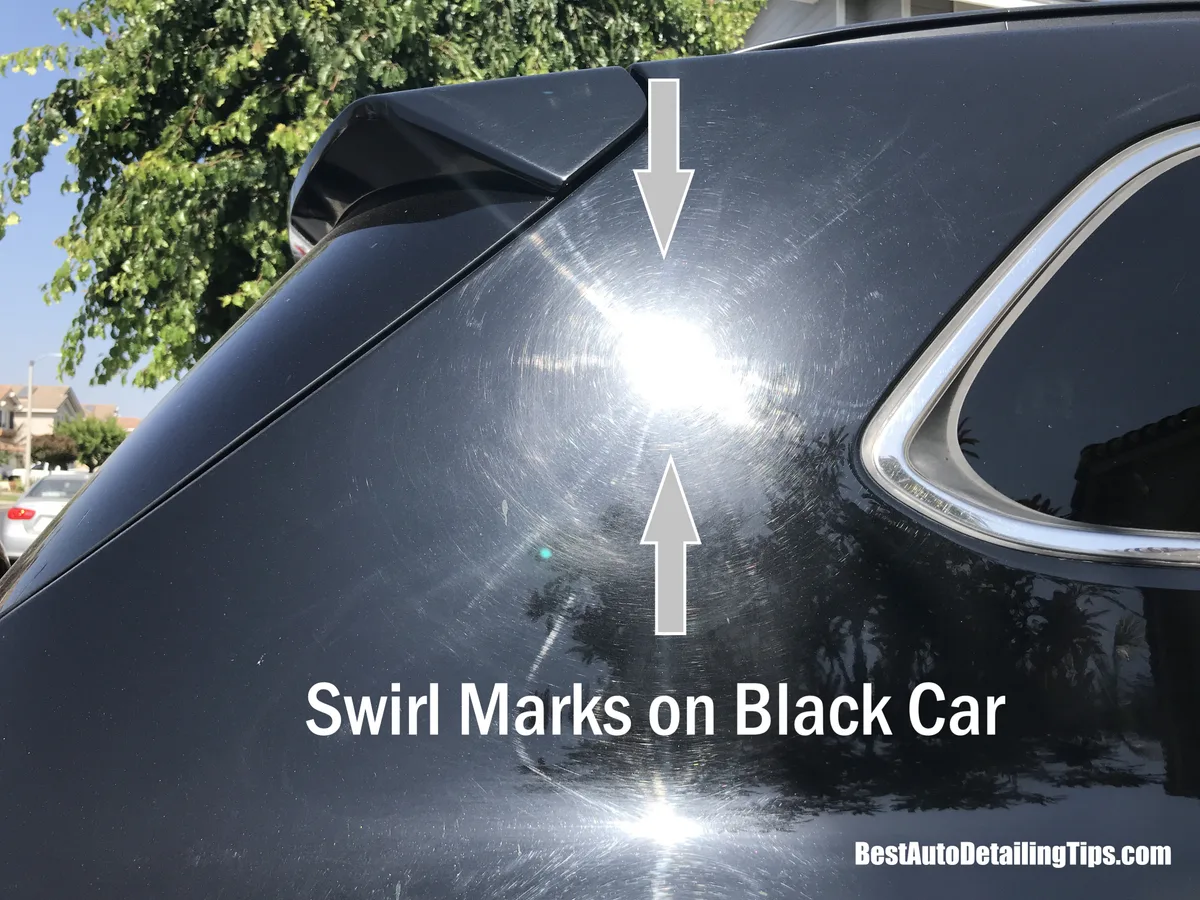
Consider what is on your paint after a week on the road. Fine silica dust, brake dust particles, and microscopic road grit. When you drag a wet sponge across that surface, those particles get pushed into the paint.
The result is the spiderweb pattern you see in direct sunlight.
Bing (Web (fair-use with source credit))
The two bucket method reduces this problem but does not eliminate it. Even with a grit guard, you still physically contact the paint. Every wash adds some level of micro marring.
Here are the three main problems with scrubbing:
- Time. A thorough two bucket wash takes 45 to 60 minutes from start to finish. That does not include drying time or setup.
- Water. Running a garden hose for that long uses 40 to 60 gallons of water. Many municipalities restrict outdoor water use during dry months.
- Paint damage. Aggregate buyer feedback on detailing forums shows improper wash technique is the number one cause of swirl marks. Even careful owners introduce micro scratches over time.
A no scrub car wash removes the friction variable entirely. Instead of dragging something across the paint, you let chemistry and controlled water pressure do the work. It is the same principle professional detailers use for maintenance washes on high end vehicles.
Quick Answer: Which Method Should You Use?
Use a rinseless wash for most situations. Use a waterless wash for light dust only. Use a touchless automatic wash for heavy grime or when you are short on time.
Each method serves a different purpose. Picking the wrong one leads to wasted time or paint damage.
| Method | Water Needed | Best For | Typical Time | Starting Cost |
|---|---|---|---|---|
| Rinseless | 2 to 5 gallons | Light to moderate dirt, coated cars, garage washing | 20 to 30 minutes | $25 to $40 |
| Waterless | None | Light dust, pollen, bird droppings, quick touch ups | 10 to 15 minutes | $15 to $25 |
| Touchless Auto | 30 to 50 gallons per cycle | Heavy mud, winter salt, road trip grime | 5 to 10 minutes | $8 to $15 per wash |
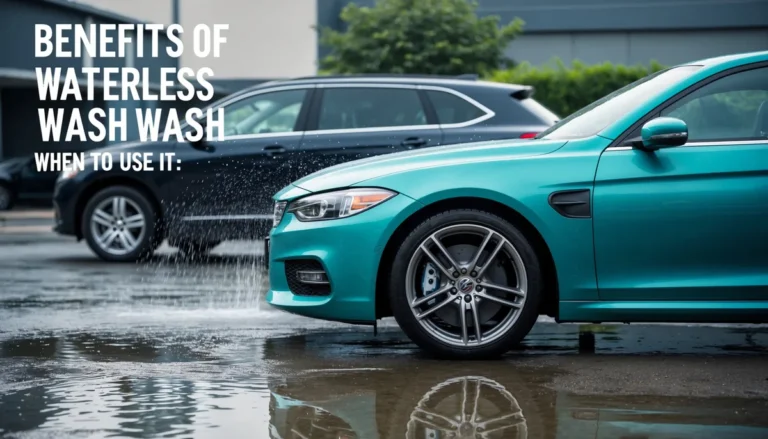
A rinseless wash is the most versatile option. You fill a bucket with water and add a specially formulated concentrate. You pre soak the panel, then wipe it clean with a damp microfiber towel.
The solution encapsulates dirt so it lifts off instead of dragging across the clear coat.
A waterless wash is even simpler. You spray the solution directly onto the panel and wipe it away with a microfiber towel. No water required.
The trade off is that it only works on lightly soiled surfaces. Trying to remove heavy road film with a waterless wash is a fast way to scratch your paint.
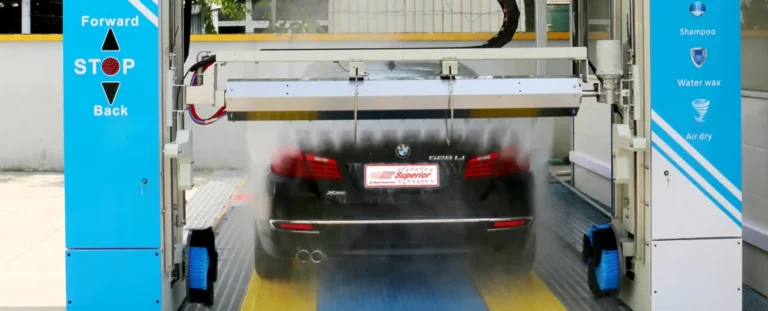
A touchless automatic wash is the hands off option. You drive into a bay. The machine applies high pressure water and chemical detergents.
No scrubbing at all. The catch is that some touchless washes use harsh chemicals to compensate for the lack of friction. If you have a soft clear coat or delicate finish, choose your wash bay carefully.
How a No Scrub Car Wash Actually Works
The chemistry behind no scrub washing is straightforward. Understanding what happens at the surface level helps you use it correctly.
Traditional car soap breaks down grease and suspends dirt in water so it rinses away. That works fine when you scrub, because scrubbing provides the mechanical action to dislodge stuck particles.
A no scrub formula adds two things that change the equation:
- Encapsulation polymers. Long chain molecules that surround individual dirt particles. Each particle gets coated in a slick layer that prevents it from sticking to the paint.
- High lubricity. The solution is designed to be extremely slippery. When you wipe across the surface with a damp microfiber towel, the dirt slides off instead of being dragged along.
The process works like this. You apply the solution to the panel and let it dwell for a short period. The polymers penetrate the dirt layer and attach to each particle.
Surface tension drops, allowing the dirt to lift away from the clear coat. Then you wipe gently with a microfiber towel, and the dirt comes off without resistance.
For a rinseless wash, you work with a bucket of diluted solution and a stack of folded microfiber towels. Each panel gets one pass with a fresh towel face. The dirt stays suspended in the solution rather than sitting on your wash mitt.
That is why you can wash an entire car with a single bucket of water and still achieve a scratch free finish.
For a waterless wash, the same encapsulation happens without any rinsing step. The solution is concentrated enough to lift dirt and hold it in suspension while you wipe. The key is using enough solution to keep the surface wet.
Insufficient lubricant is the leading cause of scratches with waterless washing.
Per manufacturer technical data for leading rinseless products, the dilution ratio is typically 0.5 to 1 ounce of concentrate per gallon of water. That small amount of chemistry treats an entire vehicle. The cost per wash is around 30 cents.
The Three Main Methods at a Glance
There are exactly three ways to wash a car without scrubbing. Each one has a different workflow, tool set, and best use scenario.
Rinseless Wash
A rinseless wash is the closest replacement for a traditional bucket wash. You fill a bucket with water, add the rinseless concentrate, and use that solution to pre soak and wipe the car.
The standard process requires:
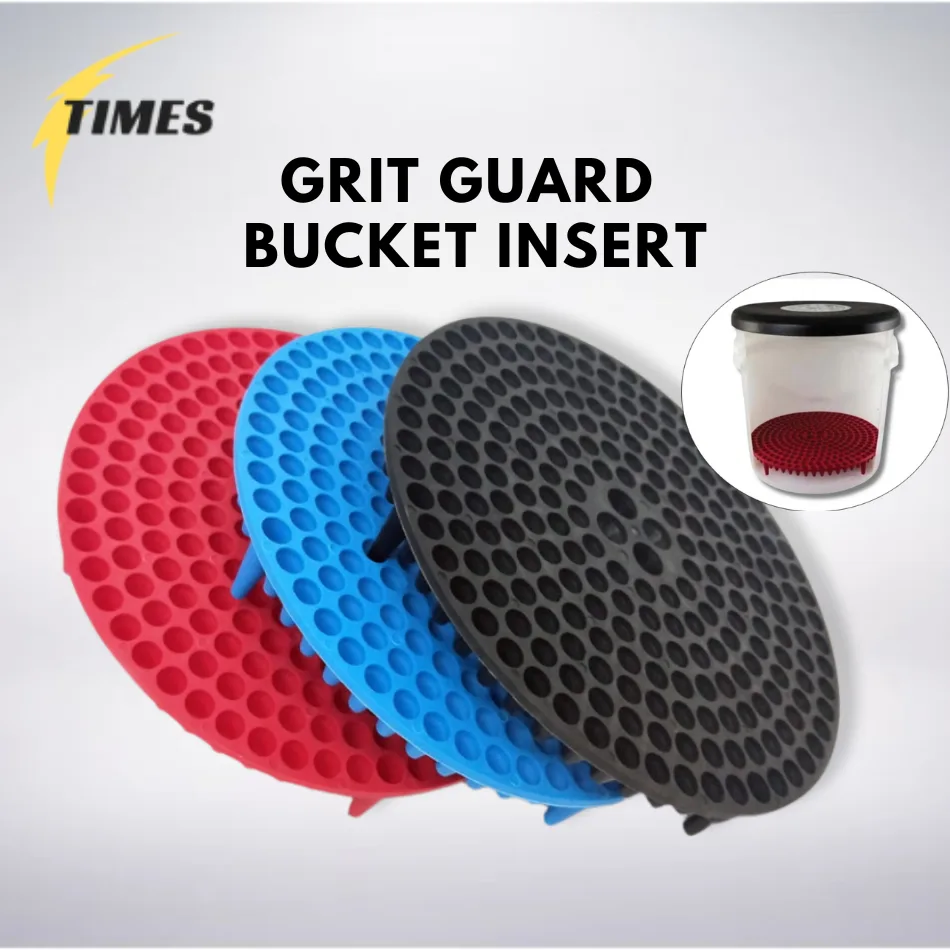
- One bucket with a grit guard
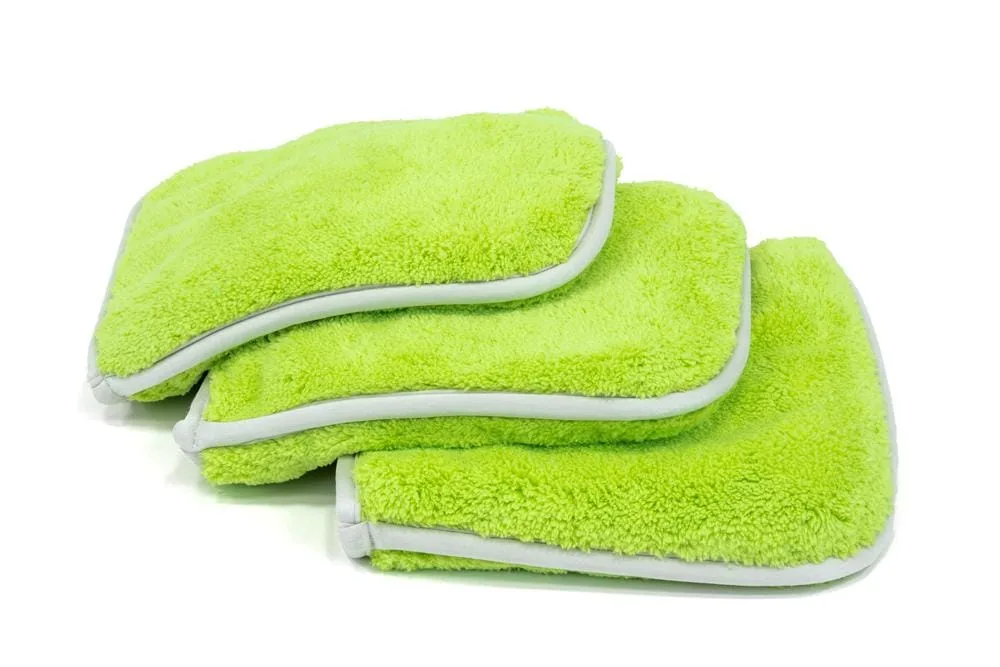
- 8 to 12 clean microfiber towels (16 by 16 inches is the standard size)
- The rinseless solution mixed at the correct dilution ratio
- A drying aid or quick detailer for the final pass
Start by spraying the solution onto a panel and letting it dwell for 30 seconds. Fold a microfiber towel into four sides. Wipe the panel in one direction.
Flip to a clean side for the next panel. Each towel gives you eight clean passes. You never dip the towel back into the bucket.
That is what keeps the solution clean.
Rinseless washing works best on vehicles with light to moderate dirt. If your car has a layer of visible road grime or mud, a pre rinse with a pressure washer is recommended before starting the contact wash.
Waterless Wash
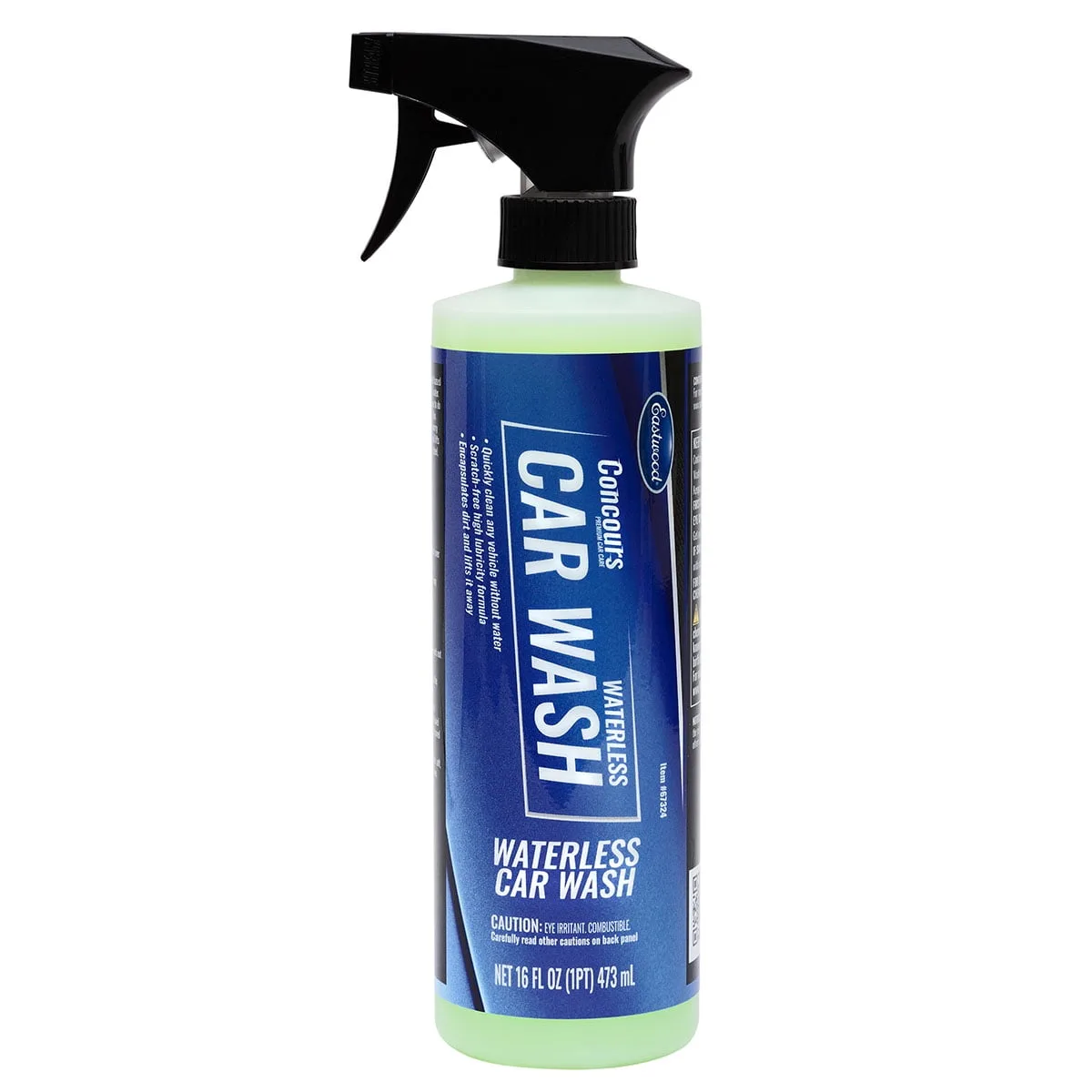
A waterless wash is a spray and wipe method. You apply the product, wipe with a microfiber towel, and buff dry. No water involved at any stage.
The workflow is simpler than rinseless:
- Spray the solution generously onto one panel at a time
- Wipe with a clean microfiber towel using light pressure
- Flip the towel to a clean section for the next panel
- Buff to a streak free finish if the product is a wipe and dry formula
Waterless wash products come in two types: standard cleaning sprays and wax infused blends. The wax infused versions leave a protective layer behind. This is useful for maintaining sealants or ceramic coatings between deeper washes.
The limitation is dirt load. Waterless wash only handles light surface contamination. If you can feel grit when you run your finger across the paint, waterless is not the right choice.
You need a rinseless or touchless method instead.
Touchless Automatic Wash
A touchless automatic wash uses high pressure water jets and chemical detergents to clean the car without any physical contact. You drive into the bay, select your wash package, and let the machine run its cycle.
The process typically includes:
- A high pressure pre soak with a cleaning detergent
- A foam or spray application of a second cleaning agent
- High pressure rinse cycles
- A spot free rinse with deionized water
- An optional blow dry or towel dry
Quality varies significantly between locations. A well maintained touchless wash uses fresh chemicals and proper pressure levels. A poorly maintained one leaves residue or fails to clean stubborn grime.
Per the International Carwash Association, touchless equipment requires regular calibration to maintain consistent results.
The Decision Tree: What to Use Based on Your Situation
There is no single best no scrub method. The right choice depends on your specific conditions.
Do You Have Access to Running Water?
Yes, you have a hose or pressure washer. Rinseless wash is your best option. A quick pre rinse removes loose dirt and allows the rinseless solution to work more effectively. Combine this with the recommended PSI for your pressure washer to avoid damaging trim or decals.
No water access at your parking spot. Waterless wash is your only DIY option. Keep a bottle in your car and a stack of microfiber towels for quick touch ups. If the dirt is heavy, find a touchless automatic wash nearby.
How Dirty Is Your Car?
Light dust or pollen. Waterless wash works perfectly. Spray and wipe. Ten minutes and you are done.
Moderate road film. Rinseless wash is the sweet spot. You get the safety of zero scrubbing with the cleaning power of water and polymers.
Heavy mud or caked on dirt. Touchless automatic wash or a pressure washer pre rinse followed by rinseless. Do not attempt a waterless wash on a muddy car. You will scratch the paint.
Winter salt and slush. Touchless automatic wash is the most practical choice. Salt requires thorough undercarriage rinsing, which a touchless bay provides. Follow up with a waterless touch up for the paint if needed.
What Condition Is Your Paint In?
Factory clear coat in good condition. Any method works. Rinseless is the safest long term choice.
Ceramic coating or PPF. Rinseless wash is ideal. The slick surface of a ceramic coating releases dirt easily. A rinseless solution maintains the coating's hydrophobic properties.
Use a PPF safe shampoo formulated for protective films.
Soft or single stage paint. Avoid waterless wash unless the car is very lightly soiled. Soft paint mars easily. Rinseless with high lubricity is the safer option.
Already swirled or faded paint. Stick with touchless automatic washes until you can address the underlying paint condition.
How Much Time and Budget Do You Have?
Under 15 minutes and no budget for tools. Waterless wash. One bottle of solution and a pack of towels is under 25 dollars total.
20 to 30 minutes and moderate budget. Rinseless wash. A gallon of concentrate lasts for dozens of washes. Buy a pack of quality microfiber towels and a bucket.
Quick drive through option. Touchless automatic wash. It costs more per wash than DIY methods but is the fastest option for heavy dirt.
Most owners settle on a rinseless wash as their primary method. They keep a waterless spray in the trunk for bird droppings and dust between washes. This combination covers nearly every real world scenario without needing specialized equipment.
Step-by-Step: How to Do a Rinseless Wash Correctly
Start with clean tools. One bucket with a grit guard is all you need. Mix the rinseless concentrate according to manufacturer specs.
Most call for half an ounce per gallon of water. Fill the bucket and set out a stack of microfiber towels. You will use each towel once.
Bing (Web (fair-use with source credit))
Pre soak the first panel with the solution from your bucket. Let it sit for 30 seconds. Fold a dry microfiber towel into four sides.
Wipe the panel in straight lines from top to bottom. Flip the towel to a clean side for the next panel. Repeat until the car is done.
Never dip a dirty towel back into the bucket. That defeats the entire purpose. Use fresh towels for the lower panels where dirt accumulates.
Wearing waterproof gloves helps keep your hands dry and lets you wring towels without hesitation.
Dry each panel immediately after wiping. A second dry microfiber towel or a dedicated drying towel works best. Work in sections.
Hood, roof, doors, trunk. Do the bumpers last since they collect the most grime.
Step-by-Step: How to Do a Waterless Wash Correctly
A waterless wash works only when the surface is lightly soiled. If your car has visible road film or caked on dust, skip this method. You will scratch the paint.
Bing (Web (fair-use with source credit))
Work in the shade. Direct sunlight causes the spray to dry before you can wipe it. Spray the solution generously onto one small section.
A two foot by two foot area is a good starting point.
Let the solution sit for 10 to 15 seconds. The polymers need time to encapsulate the dirt. Wipe gently with a clean microfiber towel using light pressure.
Flip to a clean side and buff dry. Move to the next section.
Use a fresh towel for every panel or two. Reusing a towel that has picked up dirt is the fastest way to create swirls. Keep a separate towel for the glass and trim to avoid transferring wax residue.
Step-by-Step: How to Use a Touchless Automatic Wash (Safely)
Not all touchless washes are created equal. A quality location uses fresh chemicals and properly maintained pressure nozzles. A poor one leaves residue or uses harsh detergents that strip wax.
Check the equipment before you pull in. Look for spray nozzles that are clean and not clogged. Read recent reviews if the location has them.
Skip any bay that smells heavily of industrial chemicals.
Select a wash package that includes a pre soak and a spot free rinse. The pre soak loosens dirt before the high pressure stage hits. The spot free rinse prevents water spots during the drying phase.
Do not add any additional wax or protectant in the touchless bay. The products used in automatic equipment are often lower quality than what you can apply yourself. If you want a protectant boost, follow up with a quick waterless wipe at home.
Common Mistakes That Ruin a No Scrub Wash
Bing (Web (fair-use with source credit))
The biggest mistake is using too little lubricant. A waterless wash needs enough spray to keep the surface wet. A rinseless wash needs enough solution in the bucket.
Skimping on either one increases friction.
Reusing dirty towels is a close second. Each towel picks up dirt that will scratch the next panel. Use fresh towels frequently.
A bundle of 12 towels costs less than a single paint correction.
Applying too much pressure negates the whole point. No scrub means light pressure. Let the chemistry lift the dirt.
Pushing hard because you want to feel like you are cleaning only creates micro marring.
Washing in direct sunlight is another common error. Heat dries the solution before it can work. The residue bonds to the paint and leaves streaks.
Wash in shade or when the car is cool to the touch.
Pros and Cons of Each Method
| Method | Pros | Cons |
|---|---|---|
| Rinseless | Very safe for paint, low water usage, works on moderate dirt, low cost per wash | Requires multiple clean towels, pre rinse needed for heavy dirt, takes 20 to 30 minutes |
| Waterless | No water needed, very fast, cheap to start, portable for road trips | Only handles light dirt, high risk of scratches if used wrong, not great for winter salt |
| Touchless Auto | Hands off, fast, good for heavy grime and salt, no cleanup | Costs $8 to $15 per wash, inconsistent quality, harsh chemicals can strip protection |
Rinseless is the all around winner for most owners. Waterless is a good supplement for touch ups between washes. Touchless is the practical choice for winter maintenance and