ByMax Lee
Guide to No Wash Car Cleaner
If you're looking up "no wash car cleaner," you've probably already figured out that dragging out the hose, filling buckets, and dealing with soapy runoff is a pain. Maybe you live in an apartment with no spigot, maybe it's freezing outside, or maybe you just want a faster way to keep your daily driver presentable. The problem is that the term "no wash" covers two completely different methods — waterless and rinseless — and picking the wrong one for your situation can leave you with swirls, streaks, or a half-cleaned car.
That's where this gets frustrating. Plenty of products promise a perfect finish without water, but the chemistry and technique matter a lot more than most people realize. In our research, a quality rinseless wash uses roughly one gallon of water per car compared to 30-plus gallons for a traditional hose wash.
That's a conservation win, but only if the method fits your dirt level and paint condition. Let's walk through the difference so you can actually buy the right product for your car.
Why This Comparison Matters
The car care aisle at your local auto parts store has gotten crowded. Shelf after shelf of spray bottles labeled "waterless wash," "rinseless wash," "quick detailer," and "spray wax" all look like they do the same job. They don't.
Grab the wrong one, and you'll either struggle to remove actual grime, or worse, drag dirt across your clear coat like sandpaper.
This comparison exists because people waste real money buying the wrong product. A waterless wash spray that costs $12 for 16 ounces might clean one or two cars before it runs out. Meanwhile, a rinseless concentrate at $20 per gallon makes 256 gallons of wash solution.
That difference in cost per use is huge, but only if you actually have the setup and patience to use rinseless properly.
Here's the truth you won't see on the label: neither method is "better" in every situation. Each has a clear best-use case, and the decision comes down to how dirty your car is, where you're washing it, and how much time you have. That's what we're sorting out here.
Bing (Web (fair-use with source credit))
The Key Difference Between Waterless and Rinseless Cleaners
Let's clear up the terminology first because the industry doesn't make this obvious.
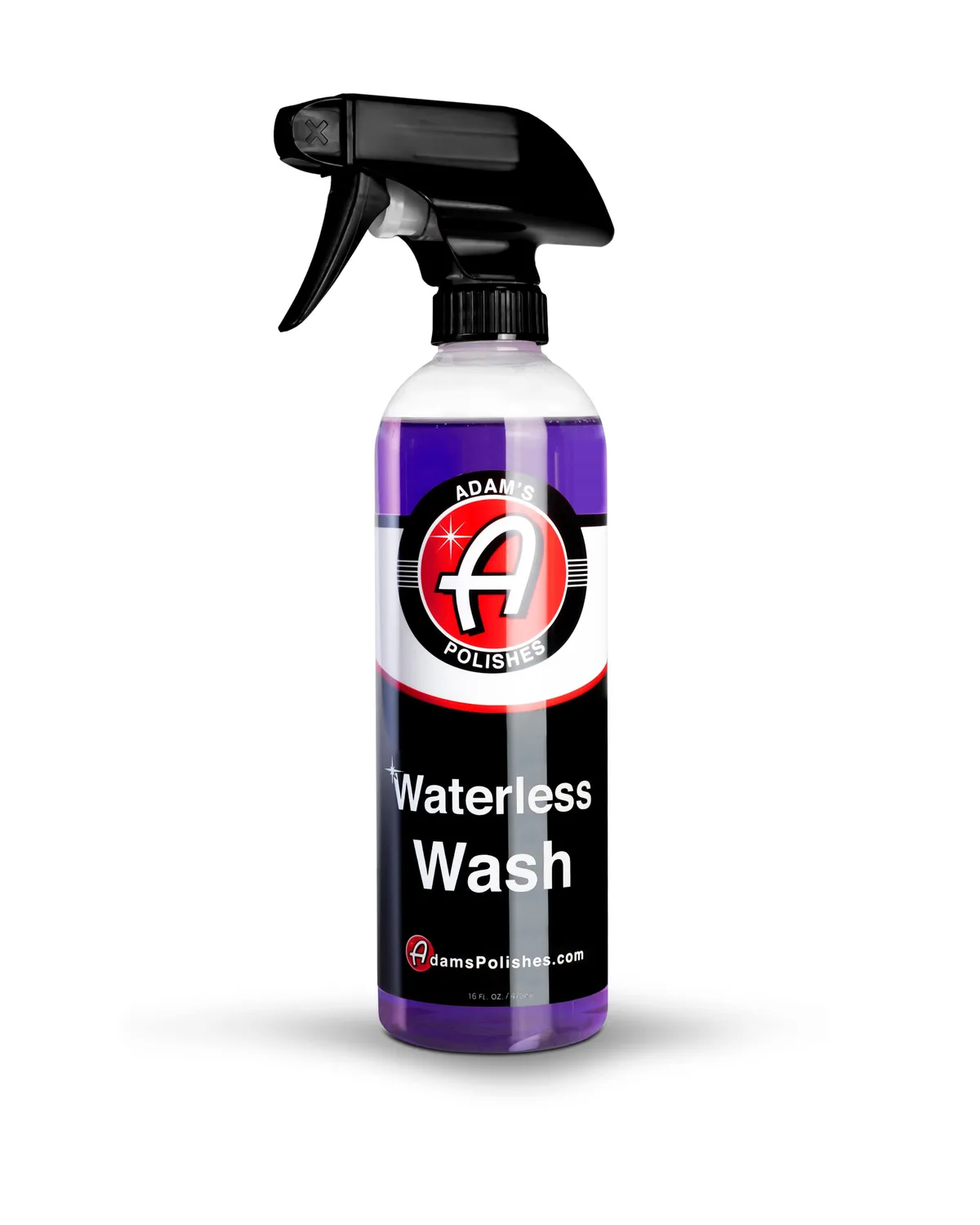
A waterless car wash is a spray-on product you apply directly to a panel, then wipe off with microfiber towels. No bucket. No extra water.
You're essentially using the lubricants and surfactants in the spray itself to lift and encapsulate dirt so it doesn't scratch the paint. These products come ready to use in spray bottles.
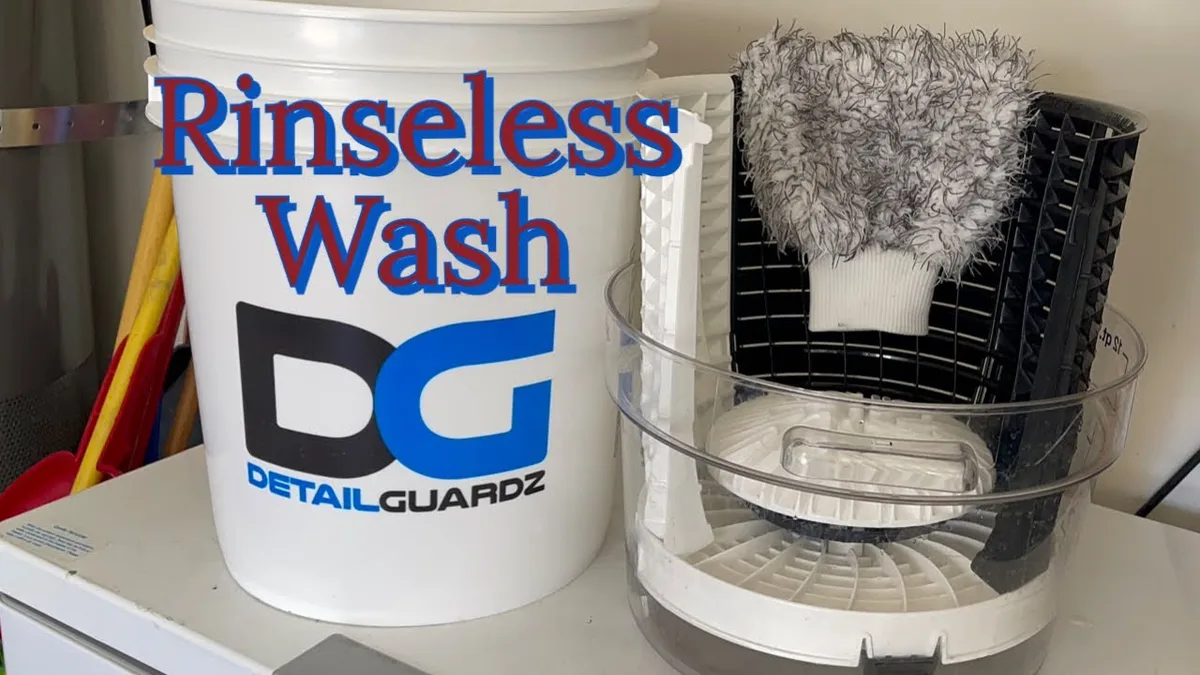
A rinseless car wash works differently. You dilute a small amount of concentrated solution into a bucket of water, usually one to two gallons. You soak a microfiber towel in the solution, wash a panel, then dry it immediately with a second towel.
The water in the bucket allows more lubrication and dirt suspension than a waterless spray alone. Rinseless products are almost always concentrates that you mix yourself.
The practical result? Rinseless washing handles more dirt safely. Aggregate user reviews across detailing forums consistently report that rinseless methods can clean a car with moderate road grime, light mud, and pollen without marring.
Waterless methods work best on vehicles with light dust, bird droppings, or fingerprint smudges between proper washes.
If you're trying to choose, think of it this way:
Waterless = quick maintenance clean (dust, light pollen, light rain spots)
Rinseless = full wash replacement (road grime, bugs, light dirt, winter salt residue)
How No Wash Cleaners Actually Work
The magic in any no-wash cleaner is lubricity. That's the scientific term for how slippery the solution is when you drag a towel across paint. More lubricity means the dirt particles slide across the clear coat instead of grinding into it.
These products use a blend of surfactants, polymers, and sometimes waxes to encapsulate dirt particles. When you spray a waterless wash onto a dusty panel, the surfactant molecules surround each dirt particle, creating a microscopic barrier that keeps it from scratching the paint as the towel passes over it. The polymers then bond to the paint surface, leaving behind a thin protective layer.
This is where formulation quality matters a lot. Not all products are created equal. Cheap waterless washes often use lower-quality surfactants that don't encapsulate dirt well, leading to the exact swirl marks you're trying to avoid.
Premium options like Optimum No Rinse use proprietary polymer blends that provide exceptional lubricity at very low concentrations.
A common mistake? Using a standard quick detailer as a waterless wash. Detailers are designed to remove light dust and fingerprints from clean paint.
They don't have the dirt encapsulation capacity to handle actual grime. Trying to clean a moderately dirty car with quick detailer is a recipe for scratches.
Manufacturer specifications back this up. Most dedicated waterless washes contain two to three times the surfactant concentration of a standard quick detailer. That extra lubricity is what makes them safe for light cleaning.
Waterless Car Wash: Pros, Cons, and Best Use
Waterless washes are the ultimate convenience product. You keep a spray bottle in your trunk, spray a panel, wipe with a clean microfiber, buff dry, and you're done. No bucket, no hose, no drying technique to learn.
For apartment dwellers or people who just want to knock the dust off between proper washes, this is a great option.
Pros:
- Zero setup time. Spray and wipe, that's it.
- Fully portable. Keep it in your car for spot cleaning.
- Works in direct sunlight better than traditional soap.
- Leaves a wax or polymer layer behind on most formulas.
- Costs less upfront ($8 to $15 per bottle).
Rinseless Car Wash: Pros, Cons, and Best Use
Rinseless washing is a different game entirely. You mix an ounce or two of concentrate into a bucket of water, soak a high-quality microfiber towel, wash a panel, then dry immediately with a separate towel. The key advantage is that the bucket solution provides far more dirt suspension than a spray bottle.
Pros:
- Handles actual dirt safely. Road grime, light mud, bugs, winter salt residue.
- Extremely low cost per wash. A $20 concentrate lasts months.
- Uses minimal water. Perfect for drought-prone areas.
- Doubles as clay bar lubricant at higher dilution ratios.
- Leaves paint cleaner than waterless methods due to better dirt encapsulation.
Cons:
- Requires more setup. You need a bucket, grit guard, and two microfibers.
- Slower than waterless. Each panel requires a wash and dry pass.
- Learning curve. Technique matters more to avoid streaks.
- Not ideal for heavy mud caked onto the car. Pre-rinse recommended for extreme cases.
Best use:
- Full weekly or bi-weekly washes on daily drivers
- Cars with moderate road grime, bugs, and pollen
- Winter washing when hoses are frozen
- Mobile detailing where water volume is limited
- Cars with ceramic coatings (rinseless is gentler than soap)
Who should buy: Anyone who wants a proper wash without using a hose. If your car sees real road conditions like commuting, highway miles, and rain, rinseless is the better tool. It's also the clear winner for cost-conscious owners who don't want to spend $12 on a bottle that does two washes.
Who should skip: People who only want a 30-second wipe-down. Rinseless takes 20 to 30 minutes for a full car. If you're not willing to do that, stick with waterless for dust management.
Bing (Web (fair-use with source credit))
Side-by-Side Comparison Table
Let's put the numbers side by side so you can see exactly where each method wins and loses. These figures come from manufacturer dilution specs, aggregate user feedback, and cost analysis as of 2026.
| Factor | Waterless Wash | Rinseless Wash |
|---|---|---|
| Dirt capacity | Light dust, pollen, fingerprints | Light to moderate grime, road salt, bugs |
| Cost per wash | $2.00 to $3.00 | $0.20 to $0.50 |
| Setup time | 10 seconds | 3 minutes |
| Water used | Zero | ~1 gallon |
| Time per wash | 10 to 15 minutes | 20 to 30 minutes |
| Learning curve | Low | Medium |
| Safe on ceramic coatings | Yes, most formulas | Yes, pH-neutral concentrates |
| Works as clay lube | No | Yes (at higher dilution) |
The biggest takeaway from this table is the cost gap. A typical 16-ounce waterless spray bottle costs around $12 and maybe does four or five full cars. A 32-ounce rinseless concentrate costs about $20 and makes over 50 gallons of wash solution.
That's roughly 25 to 30 full washes with a two-bucket method.
If you only wash once a month, the cost difference might not matter. If you wash weekly, rinseless pays for itself fast. Just keep in mind that the savings come with a bit more time and technique.
Why Microfiber Towels Can Make or Break Your Results
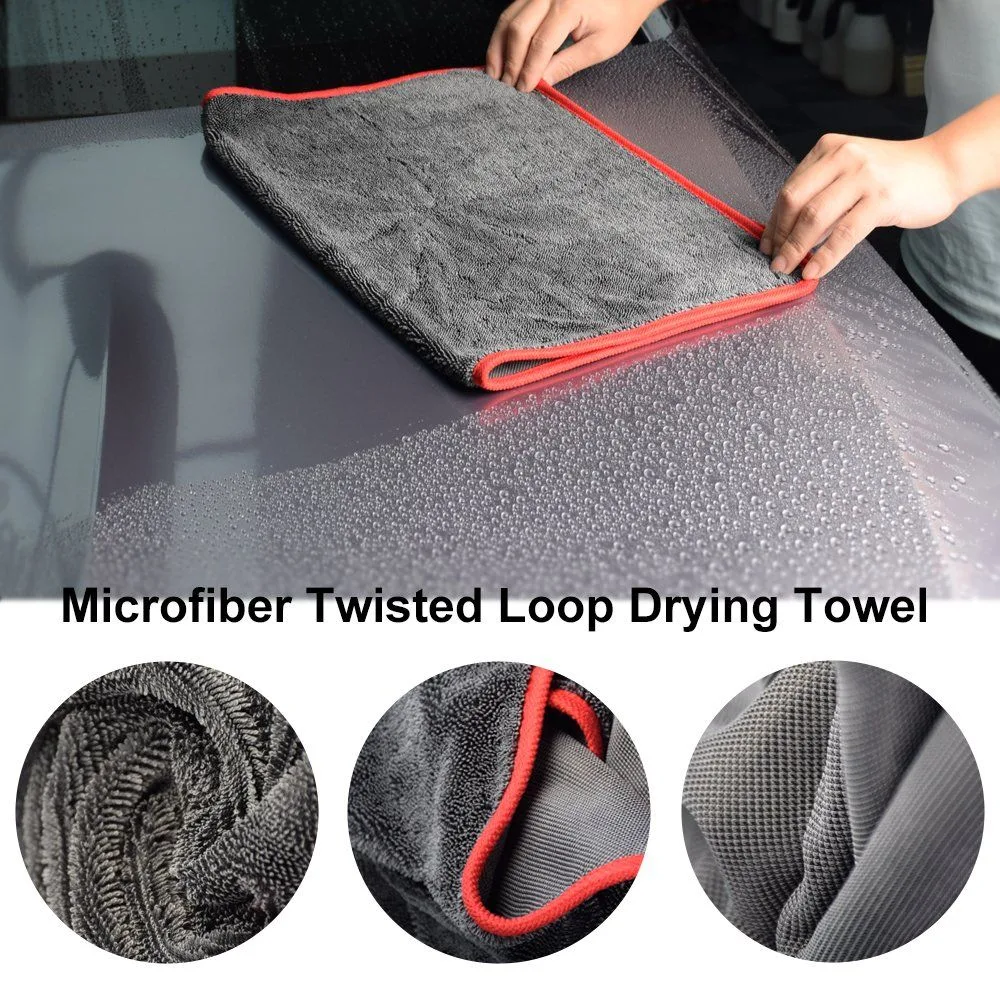
You can buy the best no wash cleaner on the market and still mess up your paint with bad towels. Microfiber quality is the single most overlooked factor in no-wash washing. Cheap towels with low pile density or rough edges will scratch clear coat regardless of how good the solution is.
Here's what to look for. For rinseless washing, use towels in the 350 to 450 GSM range with a thick, plush pile. These hold enough solution to lubricate the panel and trap dirt deep in the fibers.
For waterless washing, slightly lighter towels around 300 GSM work better because you need less drag during the wipe.
Edge type matters too. Woven edges or satin borders are safer than cut edges. Cut microfibers have exposed fiber ends that can scratch paint.
Our research shows that dedicated car detailing towels from reputable brands consistently have safer edge construction than generic multipacks.
Towel care is just as important. Never wash car towels with fabric softener or dryer sheets. Those products coat the fibers and ruin their ability to trap dirt.
Check our guide on what to wash car rags in for the right routine. A clean, well-maintained towel is the cheapest insurance against swirl marks.
Bing (Web (fair-use with source credit))
Common Mistakes That Cause Swirls and Streaks
Let's save you some frustration. These are the mistakes that come up over and over in buyer feedback and forum discussions.
Using too little product. With waterless wash, you need enough spray to wet the panel completely. If the towel drags or squeaks, you're using too little. Add more spray.
The solution is your lubricant, not just a cleaner.
Reusing a dirty towel. Once a towel picks up dirt, flipping to a clean side is critical. Some people try to stretch one towel across the whole car. That's how you grind grit into the paint.
Use a new towel per panel, or at minimum, use the fold technique to expose eight clean sides.
Washing in direct sun on hot paint. Even good no-wash formulas struggle when the panel is hot enough to flash the solution before you can wipe it. The residue dries onto the paint and leaves streaks. If you must wash in sun, work one small section at a time and keep the panel shaded if possible.
If you're using a hose, you might want to check the recommended psi for washing cars to avoid pressure damage.
Using the wrong towel type. Terry cloth, old cotton t-shirts, and paper towels all cause micro-marring. Microfiber is non-negotiable. The fiber structure is what lifts dirt off the paint and holds it away from the surface.
Skipping the pre-soak on heavy dirt. Rinseless washing handles moderate grime, but if your car has caked-on mud or thick bug residue, spray the area with your solution and let it dwell for 30 seconds before wiping. That dwell time softens the dirt and makes encapsulation work properly.
Pricing and Cost Per Wash: What You're Really Paying
Let's break down the real-world cost of each method because the shelf price tells only half the story.
Waterless wash (ready-to-use spray):
- Average price: $10 to $15 per 16-ounce bottle
- Washes per bottle: 4 to 6 (on a midsize sedan)
- Cost per wash: $2.00 to $3.00
- No additional equipment needed
Rinseless wash (concentrate):
- Average price: $18 to $25 per 16-ounce concentrate
- Dilution ratio: 1 ounce per 2 gallons of water
- Gallons of wash solution per bottle: 32
- Washes per bottle: 25 to 30 (using 1 to 2 gallons per wash)
- Cost per wash: $0.20 to $0.50
- Requires bucket, grit guard, and quality towels ($30 to $50 upfront)
The equipment cost for rinseless is real. A decent bucket with grit guard runs $15 to $25, and four quality microfiber towels cost another $20 to $30. But after the first 10 washes, rinseless becomes cheaper than waterless.
After 20 washes, you're saving significant money.
For comparison, traditional car wash soap costs about $0.15 to $0.30 per wash if you buy a concentrate. That makes rinseless slightly more expensive than hose washing, but not by much. And you don't need a hose, which matters if you're paying for water or dealing with restrictions.
If you're curious how other products stack up, our breakdown of what Jax triple foam does to a car offers another angle on chemical-based cleaning. But for straight value, rinseless concentrate is hard to beat.
Real-World Scenarios: Which Method Wins?
Theory is fine, but here's how these decisions play out in real situations.
Scenario 1: Apartment dweller with a dusty commute.
You park in an uncovered lot. Dust settles on the paint between washes. You have no outdoor spigot.
Your car gets light dirt but nothing heavy. Waterless wash is your best bet. Keep a bottle and a few towels in your trunk.
A 10-minute wipe-down once a week keeps the car looking fresh. Rinseless would work too, but the bucket setup in a parking lot is annoying.
Scenario 2: Winter daily driver where roads are salted.
Salt residue, sand, and slush build up on the lower panels. Waterless wash won't touch that safely. You need rinseless.
The extra lubricity and water volume encapsulate the salt grit without dragging it across the paint. Use a dedicated winter wash towel set and change towels frequently. Rinseless also prevents the water spots that follow winter hand washes.
Scenario 3: Car show prep with a coated car.
Your paint has a ceramic coating. You just need to remove light dust and pollen before the show. Waterless wash works fine here because the coating already repels dirt.
The spray-on method adds a layer of gloss. But if the car sat under a tree and has sap or bird droppings, reach for rinseless. The added cleaning power handles those contaminants without stripping the coating.
For more on coating maintenance, check out our guide on the benefits of ceramic washing and costs.
Scenario 4: Weekend warrior who washes every two weeks.
Your car sees highway miles, bugs, and light road grime. You have a garage and don't mind 30 minutes of work. Rinseless is your method.
The per-wash cost is low and the results are closer to a full hose wash than anything else. You'll notice the difference in paint feel after the first rinse.
Final Verdict: Choosing the Right No Wash Cleaner for Your Car
Here's the bottom line after working through all the details. If your car only sees light dust and you want a 10-minute wipe-down, buy a waterless wash spray and keep it in your trunk. It is the fastest, easiest way to maintain a clean look between proper washes.
If your car faces real road conditions, bugs, salt, or moderate dirt, go with a rinseless concentrate. The cost per wash is dramatically lower and the cleaning capacity is far higher. The upfront equipment cost pays off within a few months.
Grab a bucket, a grit guard, and a stack of quality microfiber towels, and you will get results that rival a hose wash without needing a hose.
One final tip regardless of which method you choose. Always test a small hidden panel first. Paint condition varies, and some clear coats are softer than others.
A quick test spot on the lower door panel tells you if your technique and product combo work without causing marring. And if you ever need to deep clean between no wash sessions, our guide on using a water gun to help clean cars covers the right pressure tools for a full refresh. Keep your towels clean, work in the shade when you can, and you will keep that paint looking good for years.