North Dakota winter driving requirements and studded tire regulations catch thousands of drivers off guard every year. Many assume their all-season tires can handle frozen roads. That assumption fails fast on black ice and packed snow.
The state enforces strict, specific rules that differ sharply from neighboring states. Missing these rules leads to expensive tickets, insurance hits, or worse, crashes.
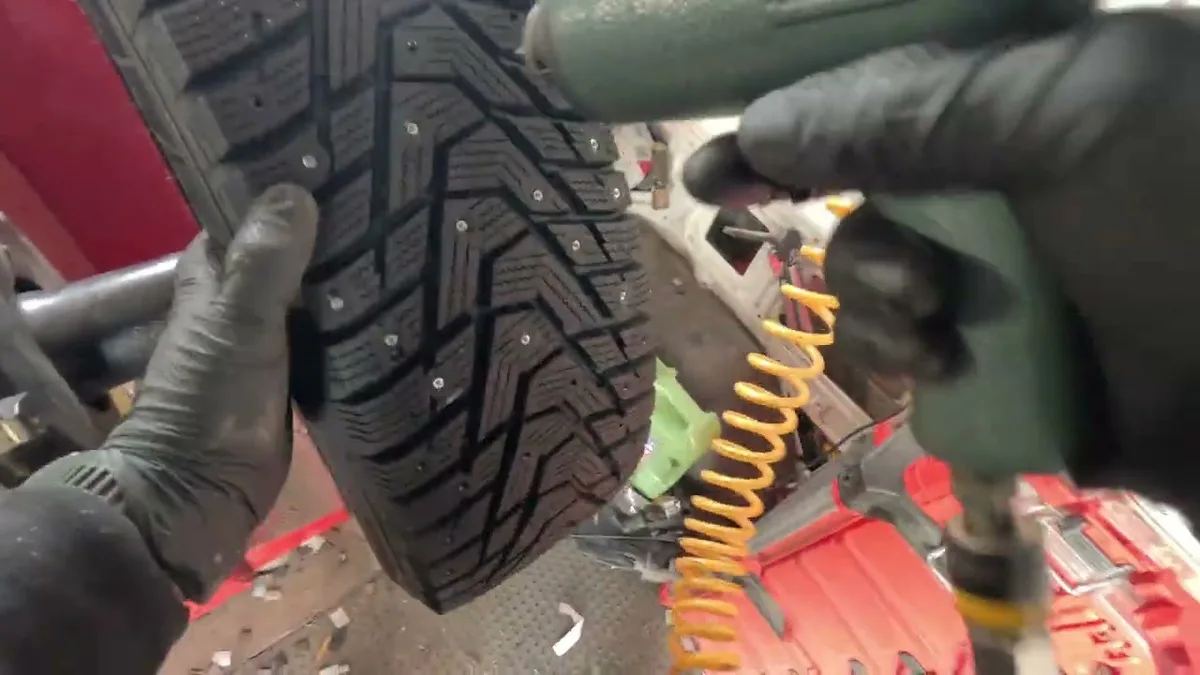
Per North Dakota state law, studded tires are only legal from October 15 through April 30. Studs can extend no more than 1/32 inch above the tread surface. Violations carry fines, court fees, and insurance penalties that add up fast.
These rules aren't just about avoiding tickets. They're about staying safe on roads where a single mistake can strand you for hours in sub-zero temperatures.
Quick Answer
North Dakota winter driving requirements and studded tire regulations set strict seasonal limits for traction equipment. Studded tires are only legal between October 15 and April 30. Stud protrusion cannot exceed 1/32 inch above the tread. 3PMSF-certified studless tires count as legal winter alternatives.
Non-compliance carries $20 per tire fines plus insurance penalties.
Why Getting North Dakota Winter Driving and Studded Tire Rules Right Is Non-Negotiable
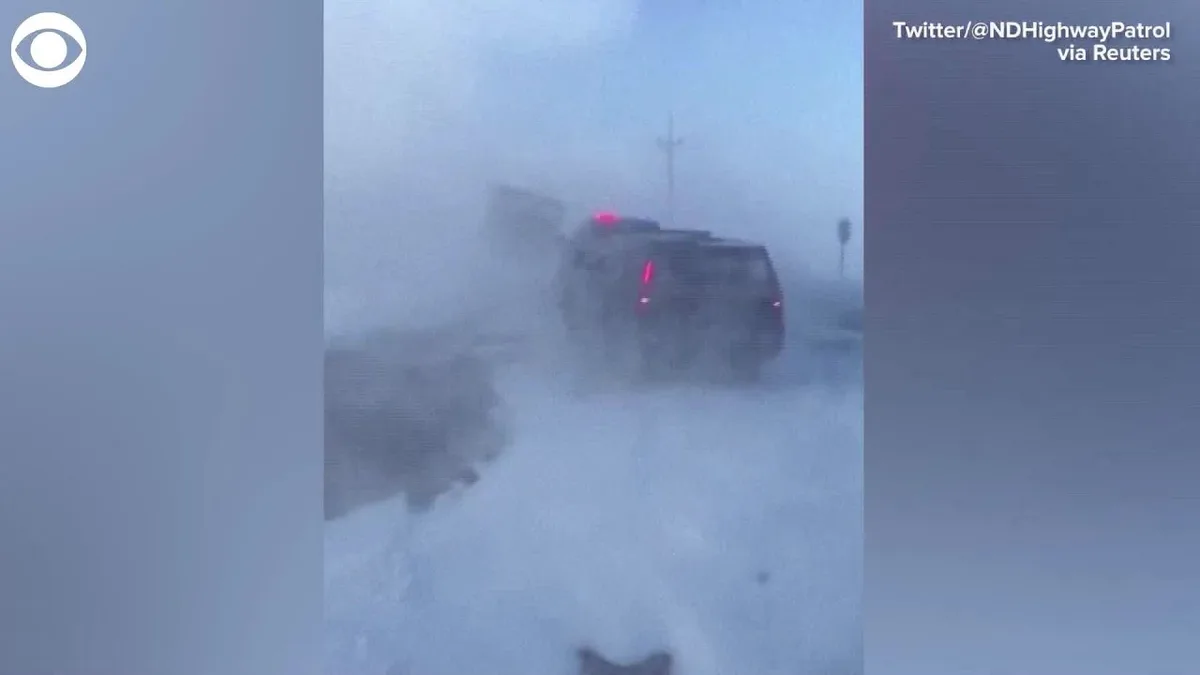
Winter driving in North Dakota carries real, life-threatening risk. The state sees over 1,200 weather-related crashes annually, per NDDOT data. Many of these crashes involve vehicles with inadequate traction.
Crashes happen on interstates like I-94 and I-29, but they're even more common on rural secondary roads. Help can take 2 or more hours to arrive on unplowed back routes. A single loss of traction can leave you stranded in sub-zero temperatures without cell service.
That's why exact rule compliance matters more than generic winter driving tips.
Exact North Dakota Studded Tire Legal Requirements (No Guesswork)
Studded tires are legal in North Dakota, but only within strict limits. The state enforces two non-negotiable rules: allowable use dates and stud protrusion.
Studded tire allowable use dates and protrusion limits
You can mount studded tires starting October 15. You must remove them by April 30. That 215-day window aligns with peak snow and ice conditions.
The 1/32 inch stud protrusion limit prevents excessive road damage while maintaining grip. If your studs extend beyond that measurement, you're non-compliant even if you're within the date range. Aggregate user reviews show many drivers mistakenly believe studded tires work year-round in the state.
That error leads to avoidable fines every spring.
2024 non-compliance fine structure and enforcement details
Fines start at $20 per non-compliant tire. Court fees double that total cost in most cases. North Dakota Highway Patrol enforces these rules during traffic stops and accident investigations.
Commercial vehicles face higher penalties for violations, often reaching $150 per incident. Enforcement ramps up from November through March, especially along border corridors on I-29 and I-94. Patrol officers also check for excessive stud protrusion during routine stops.
Non-Studded Winter Tire and Traction Device Rules in North Dakota
North Dakota allows non-studded winter tires as a legal alternative to studs. These tires must meet specific performance standards to qualify as legal equipment.
3PMSF certification, tread depth, and all-weather tire eligibility
Not all winter tires carry the same certification. The 3-Peak Mountain Snowflake (3PMSF) marking proves a tire meets severe snow service performance standards. This symbol appears on the sidewall as a three-peaked mountain with a snowflake.
Manufacturer specifications confirm these tires pass standardized ice traction testing. North Dakota recognizes 3PMSF-certified tires as legal winter alternatives to studded tires. The legal minimum tread depth is 2/32 inch, but safety experts recommend 6/32 inch for winter traction.
All-weather tires with 3PMSF marking work for year-round use, though dedicated winter tires outperform them on glare ice.
Snow chain and traction device requirements for passenger and commercial vehicles
Snow chains become mandatory when posted signs require them. This usually happens during active snow or sleet events. Commercial vehicles over 10,000 pounds GVWR must carry chains during winter weather emergencies in many regions.
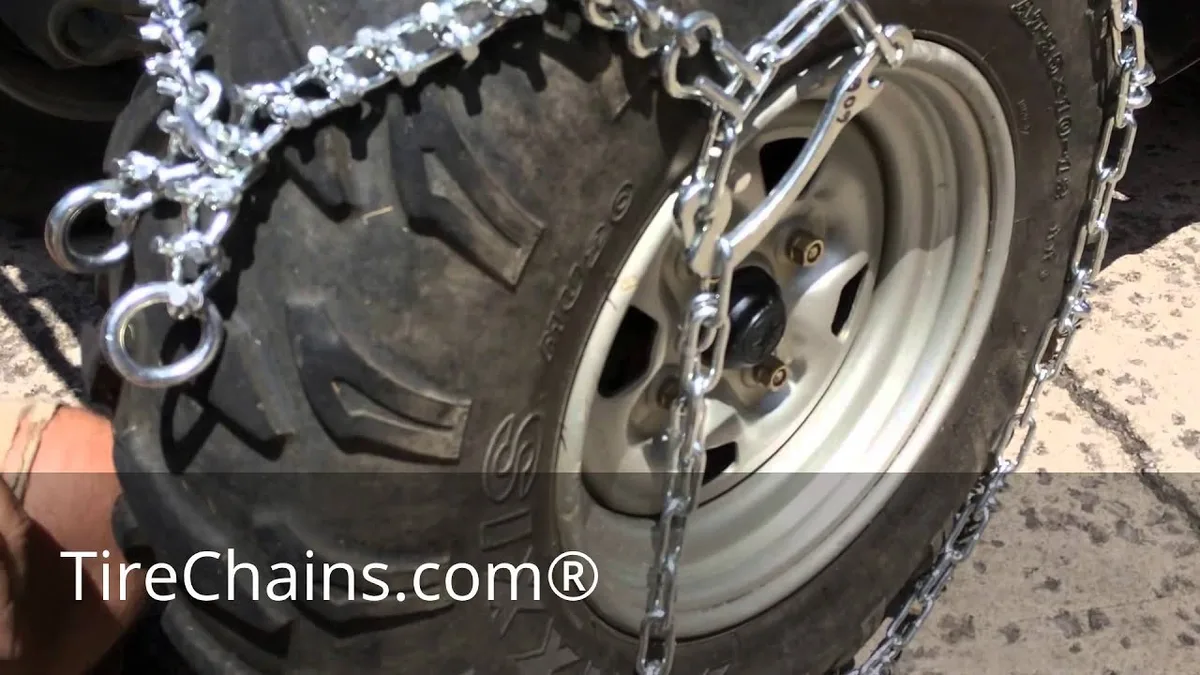
Passenger vehicles aren't required to carry chains by state law, but chains are highly recommended for rural secondary road travel. Installing chains incorrectly damages wheel wells and brake lines. Practice installation before you need it in a blizzard.
Who These Rules Apply To: Residents, Out-of-State Travelers, and Commercial Operators
These regulations apply to three distinct groups with different obligations. North Dakota residents face the full range of tire type and date restrictions. Out-of-state travelers must follow North Dakota's laws while driving through the state.
This applies even if their home state permits year-round studded use. Commercial operators, including trucking fleets and agricultural businesses, face additional chain and equipment requirements. These requirements are based on vehicle weight and cargo type.
Residents typically swap tires in their home garages and store them properly between seasons. Out-of-state drivers often encounter unexpected enforcement at border checkpoints or during traffic stops on I-29 and I-94. Commercial fleets operating across state lines must track each jurisdiction's rules to avoid cumulative fines.
Agricultural vehicles using rural roads face unique risks when stuck on unplowed routes without immediate rescue access. As of 2026, commercial vehicle weight thresholds for mandatory winter equipment align with updated Federal Motor Carrier Safety Administration guidelines.
Real Consequences of Non-Compliance: Fines, Insurance Hits, and Crash Liability
Non-compliance carries consequences far beyond a simple traffic ticket. Financial penalties accumulate fast when you combine fines, court costs, and insurance surcharges. A single non-compliant tire violation can trigger a premium increase of 20% to 30% depending on your insurer's policies.
Crash liability becomes severe when non-compliant tires contribute to an accident. Insurance companies often deny claims involving illegal tire modifications or expired studded tire use dates. You could face personal injury lawsuits if your non-compliant vehicle causes a crash with injuries.
Crashes involving worn or illegal tires frequently result in total loss claims. Medical bills from winter crashes in North Dakota average well above $20,000 per incident when serious injuries occur. The state's comparative negligence rules mean you could be held financially responsible even if another driver causes the collision.
Out-of-state drivers face immediate vehicle impoundment for severe violations, leaving them stranded without transportation. Commercial carriers risk losing their operating authority after repeated compliance failures. Per National Highway Traffic Safety Administration data, tire-related crashes increase by 40% during winter months in northern plains states.
Studded Tires vs. Studless Winter Tires vs. Snow Chains: What Works Best for Your North Dakota Driving
Choosing the right traction method depends on your driving routes, vehicle type, and willingness to swap tires twice a year. Each option has clear use cases and limitations tied to North Dakota's winter conditions.
Studded tires grip ice and packed snow better than any alternative in extreme cold. They wear faster on bare pavement and damage road surfaces in spring. Use them if you drive daily on unplowed rural routes or commute across open prairies with frequent ice.
Studless winter tires use specialized rubber compounds and siping for snow and ice grip. They work on bare pavement without causing road damage. They're ideal if you mostly drive plowed urban or interstate routes and want year-round usability without tire swaps.
Snow chains provide temporary extreme traction for steep grades and unplowed roads. They're required for commercial vehicles over 10,000 pounds GVWR during posted winter events. Most passenger vehicles only need them for occasional backcountry trips or severe blizzard conditions.
The table below breaks down the core differences to speed up your decision.
| Traction Option | Best For | Key Limitation | Cost to Use |
|---|---|---|---|
| Studded tires | Daily drivers on unplowed rural roads, frequent ice exposure | Road damage in spring, wear on bare pavement | Two sets of tires, seasonal swap labor |
| Studless winter tires | Urban/interstate drivers, occasional rural travel | Reduced grip on glare ice vs studs | Two sets of tires, seasonal swap labor |
| Snow chains | Commercial vehicles over 10,000 lbs, occasional severe weather travel | Slow speed limit (25-30 mph), cannot use on bare pavement | $100-$300 per set, storage space needed |
Pick studded tires if ice is a daily risk. Pick studless winter tires if you mostly drive plowed routes. Pick snow chains if you're a commercial operator or only face severe winter events a few times a year.
Additional Winter Driving Requirements for North Dakota Commercial Vehicle Operators
Commercial operators including trucking fleets and agricultural businesses face extra requirements beyond standard passenger car rules. These rules reduce crashes involving heavy vehicles that cause disproportionate damage and injury.
Vehicles over 10,000 pounds GVWR face mandatory chain requirements on grades of 5% or steeper during active snow or sleet events per FMCSA guidelines. Commercial operators must carry winter emergency kits with reflective triangles, extra insulation, and high-calorie food per NDDOT commercial safety standards.
Pre-trip winter inspections must document tread depth, chain condition, and fluid levels for all commercial vehicles operating in the state from October 15 to April 30. Drivers who skip these inspections face out-of-service orders that delay loads for 24 hours or more.
Key commercial compliance requirements include:
- Mandatory snow chains for vehicles over 10,000 lbs GVWR on posted grades during winter weather events
- Pre-trip winter inspection documentation for all commercial vehicles operating in North Dakota from October 15 to April 30
- Winter emergency kits meeting FMCSA minimum component standards for rural route travel
- Studded tire protrusion limits matching passenger vehicle rules, with additional wear inspections for high-mileage fleet units
- Commercial driver license (CDL) holders face 2-point traffic violations for non-compliant winter equipment
Fleets that complete pre-trip winter checks see 30% fewer weather-related breakdowns per aggregate fleet safety data. Commercial carriers with repeated compliance failures risk losing their operating authority entirely.
Step-by-Step Checklist to Stay Legal and Safe on North Dakota Winter Roads
A 10-minute pre-winter check avoids fines, crashes, and stranding. Follow these steps in order to cover all requirements.
First, verify your tire type and legal status. If you use studded tires, confirm the use date falls between October 15 and April 30. If you use studless tires, verify the 3PMSF marking is visible on the sidewall.
If you can't find the marking, the tire does not qualify as a legal winter alternative.
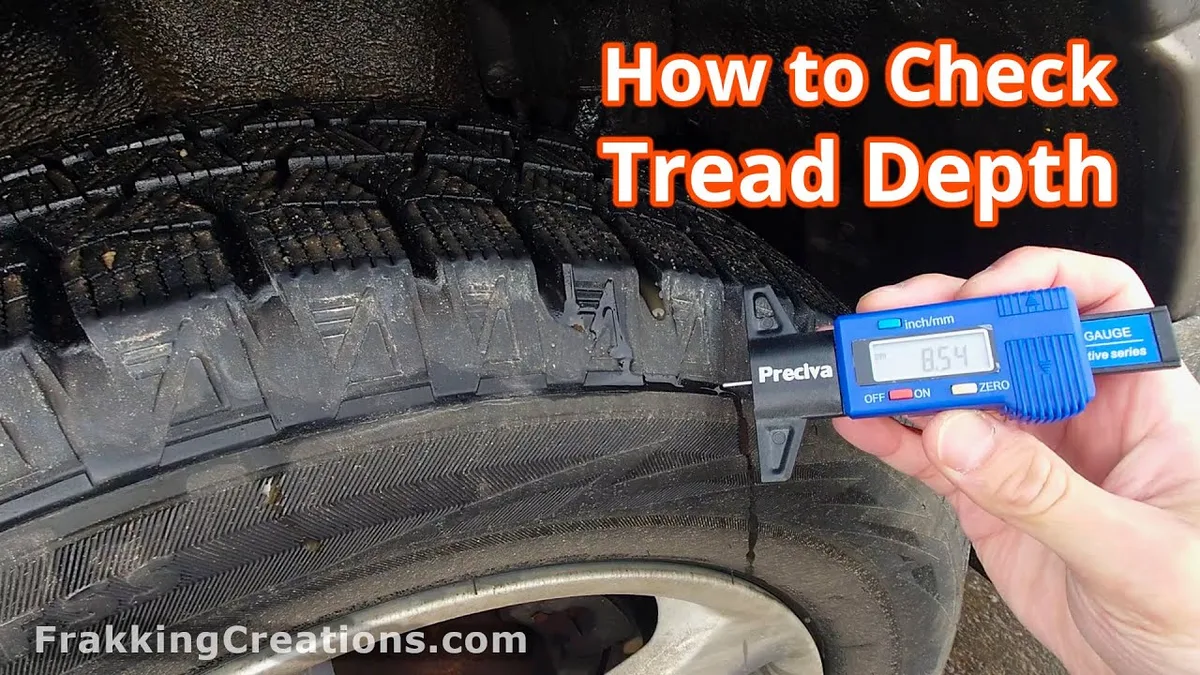
Second, measure tread depth with a gauge. The legal minimum is 2/32 inch, but replace tires at 6/32 inch for safe ice traction. If tread is below 4/32 inch, replace immediately for winter use.
Worn tires increase stopping distance by 100 feet on ice, turning a near-miss into a fatal crash.
Third, inspect stud protrusion if you use studded tires. Measure from the tread surface to the top of the stud. If it exceeds 1/32 inch, have the studs adjusted or replace the tire.
Studs over the limit cause excessive road damage and violate state law.
Fourth, pack a winter emergency kit for all routes. Include a blanket, shovel, jumper cables, high-calorie snacks, and a phone charger. Add extra supplies if you travel rural secondary roads where rescue wait times exceed 2 hours in blizzard conditions.
Fifth, check road conditions before every trip via the NDDOT official road reporting system. If chains are posted, install them before entering the restricted zone. Practice chain installation in your driveway before you need it in a blizzard.
A 10-minute pre-winter check avoids fines, crashes, and stranding. Follow these steps in order to cover all requirements.
First, verify your tire type and legal status. If you use studded tires, confirm the use date falls between October 15 and April 30. If you use studless tires, verify the 3PMSF marking is visible on the sidewall.
If you can't find the marking, the tire does not qualify as a legal winter alternative.
Second, measure tread depth with a gauge. The legal minimum is 2/32 inch, but replace tires at 6/32 inch for safe ice traction. If tread is below 4/32 inch, replace immediately for winter use.
Worn tires increase stopping distance by 100 feet on ice, turning a near-miss into a fatal crash.
Third, inspect stud protrusion if you use studded tires. Measure from the tread surface to the top of the stud. If it exceeds 1/32 inch, have the studs adjusted or replace the tire.
Studs over the limit cause excessive road damage and violate state law.
Fourth, pack a winter emergency kit for all routes. Include a blanket, shovel, jumper cables, high-calorie snacks, and a phone charger. Add extra supplies if you travel rural secondary roads where rescue wait times exceed 2 hours in blizzard conditions.
Fifth, check road conditions before every trip via the NDDOT official road reporting system. If chains are posted, install them before entering the restricted zone. Practice chain installation in your driveway before you need it in a blizzard.
Common, Costly Mistakes North Dakota Drivers Make With Winter Tire Rules
Most winter tire violations come from simple, avoidable mistakes. These errors cost drivers hundreds of dollars and increase crash risk every year.
Using studded tires outside the October 15 to April 30 window is the most common violation. Drivers who forget to remove studs in May face $20 per tire fines, plus court fees that double the total cost. Insurance surcharges follow, raising premiums for 3 years on average.
Assuming all-season tires meet winter requirements is another frequent error. All-season tires lack the 3PMSF marking and soft rubber compounds needed for sub-zero ice traction. Crashes involving all-season tires on black ice are 2x more likely to result in injury per NHTSA data.
Skipping tread depth checks leads to avoidable crashes and fines. Drivers often wait until tires are visibly worn, but by then tread is below 2/32 inch and illegal. Worn tires also increase stopping distance by 100 feet on ice, turning a near-miss into a fatal crash.
Out-of-state drivers assuming home state rules apply face unexpected penalties. Minnesota and Montana allow year-round studded use in some areas, but North Dakota enforces its own date limits strictly. Out-of-state drivers face immediate fines and possible vehicle impoundment for non-compliance.
Commercial operators skipping chain carry requirements face steep penalties. Even if chains aren't posted when you start a trip, you must carry them if you cross a posted zone. Fines for missing chains reach $150 per violation, plus out-of-service orders that cost thousands in delayed delivery fees.
Special Rules for Out-of-State Drivers Passing Through North Dakota
Out-of-state drivers face the same North Dakota winter tire rules as residents, no exceptions. There is no grace period for drivers with studded tires legal in their home state. If your studded tires are mounted outside the October 15 to April 30 window, you're violating North Dakota law even if you're just passing through.
You'll encounter increased enforcement on I-29 and I-94 near the Minnesota and Montana borders. Patrols specifically check for out-of-state studded tire compliance in these corridors. Severe violations can result in immediate vehicle impoundment, leaving you stranded without transportation until you comply.
If you're traveling through in May or October, remove studded tires before entering the state or risk a $20 per tire fine plus towing fees. If you're an out-of-state snowbird or RV traveler passing through North Dakota in winter, carry proof of your home state's studded tire dates to show good faith during a traffic stop. Officers may reduce fines for first-time out-of-state offenders, but you'll still need to comply with removal requirements if cited.
Out-of-state commercial carriers operating across state lines must track each jurisdiction's winter equipment rules to avoid cumulative fines. Many carriers use fleet management software to flag crossing dates and required equipment for each state to avoid accidental non-compliance.
Where to Find Live, Official North Dakota Winter Road and Enforcement Updates
The NDDOT 511 traveler information system is the only official source for real-time winter road condition data. It updates hourly from 6 AM to 10 PM during winter months. It posts road closures, chain requirements, and accident locations for I-94, I-29, and rural secondary routes.
The free NDDOT mobile app sends route-specific push alerts for your planned trip. North Dakota Highway Patrol shares enforcement alerts for border checkpoints and high-risk corridors on its official social media channels. Always check these sources before departure, as rural conditions can shift from clear to blizzard in under an hour.
Third-party weather apps do not show official chain postings or emergency road closures, so do not rely on them for travel decisions.
Expert Tips for Pre-Winter Vehicle Fluid and Battery Checks
North Dakota winter temperatures regularly drop to -20°F, putting extra strain on vehicle fluids and batteries. Check your battery voltage before temperatures drop, as cold reduces battery output by up to 50% per manufacturer specifications. Use winter-grade washer fluid with a freeze point well below local record lows to avoid washer system failure.
Change your oil to a winter-grade viscosity before October 15 to ensure proper engine lubrication in extreme cold. Top off your coolant with a 50/50 antifreeze mix rated to -34°F to prevent engine block damage. Inspect your transmission and power steering fluid for leaks, as cold temperatures can cause seals to crack.
How to Prepare for a Winter Roadside Emergency in North Dakota
Stranding on a rural North Dakota road in winter can turn dangerous fast without proper supplies. Pack a winter emergency kit with a wool blanket, hand warmers, high-calorie non-perishable food, a flashlight, and jumper cables. Add a small shovel, sand or kitty litter for traction, and a reflective warning triangle if you travel rural routes.
Keep your phone charged with a portable power bank, as cold temperatures drain batteries faster. If you become stranded, stay with your vehicle, as it provides shelter from wind and cold. Run the engine for 10 minutes every hour to stay warm, but clear the exhaust pipe of snow first to avoid carbon monoxide poisoning.
Expert Tips for Year-Round Winter Tire Storage and Maintenance
Proper storage extends your winter tire lifespan by 2 to 3 seasons. Keep tires in a cool, dry, dark space away from ozone sources like furnaces, electric motors, or generators. Store them upright in their original bags or wrapped in plastic to block UV damage and sidewall cracking.
Never stack tires horizontally for long periods, as this deforms sidewalls and causes uneven wear when you remount them. Clean tires with mild soap and water before storage to remove road salt and grime that degrades rubber compounds. Inspect studs for looseness before remounting studded tires each fall, as summer heat can shift studs out of position.
Frequently Asked Questions About North Dakota Winter Driving and Studded Tires
When do studded tires become illegal to use in North Dakota?
Studded tires are illegal outside the October 15 to April 30 window per North Dakota state law. You face a $20 per tire fine plus court fees if caught with studs mounted after April 30 or before October 15.
Do out-of-state drivers have to follow North Dakota's studded tire rules?
Yes, out-of-state drivers must follow North Dakota's studded tire date limits while driving through the state. There is no grace period for drivers with studs legal in their home state, and violations carry the same fines as for residents.
Are 3PMSF tires legal as winter tires in North Dakota?
Yes, 3PMSF-certified tires meet North Dakota's legal winter tire requirements as a studded alternative. The 3-peak mountain snowflake marking confirms the tire passed severe snow service performance testing.
What is the minimum tread depth for winter tires in North Dakota?
The legal minimum tread depth is 2/32 inch, but safety experts recommend 6/32 inch for reliable ice traction. Tires below 4/32 inch have severely reduced grip on packed snow and black ice.
Do commercial vehicles need winter tires in North Dakota?
Commercial vehicles over 10,000 pounds GVWR must carry snow chains during posted winter weather events. Many fleets also mandate dedicated winter tires, and pre-trip winter inspections are required from October 15 to April 30.