ByMax Lee
NY Antique Car Registration Guide for 25+ Year Vehicles
New York antique vehicle registration for cars 25 years and older lets you skip costly annual inspections and pay far lower registration fees, but only if your ride meets strict state rules. Many classic car owners assume any vintage vehicle qualifies, only to get rejected at the DMV for missing paperwork or illegal modifications. The rules are straightforward if you know what to look for ahead of time.
We break down every requirement, step, and common pitfall below.
As of 2026, the minimum age cutoff is 25 years, meaning 2001 model year and older vehicles are eligible for antique status in New York. The NY DMV sets these rules, and county-level offices sometimes add their own small paperwork quirks. That 25-year threshold is the first line of eligibility you’ll need to pass before moving forward.
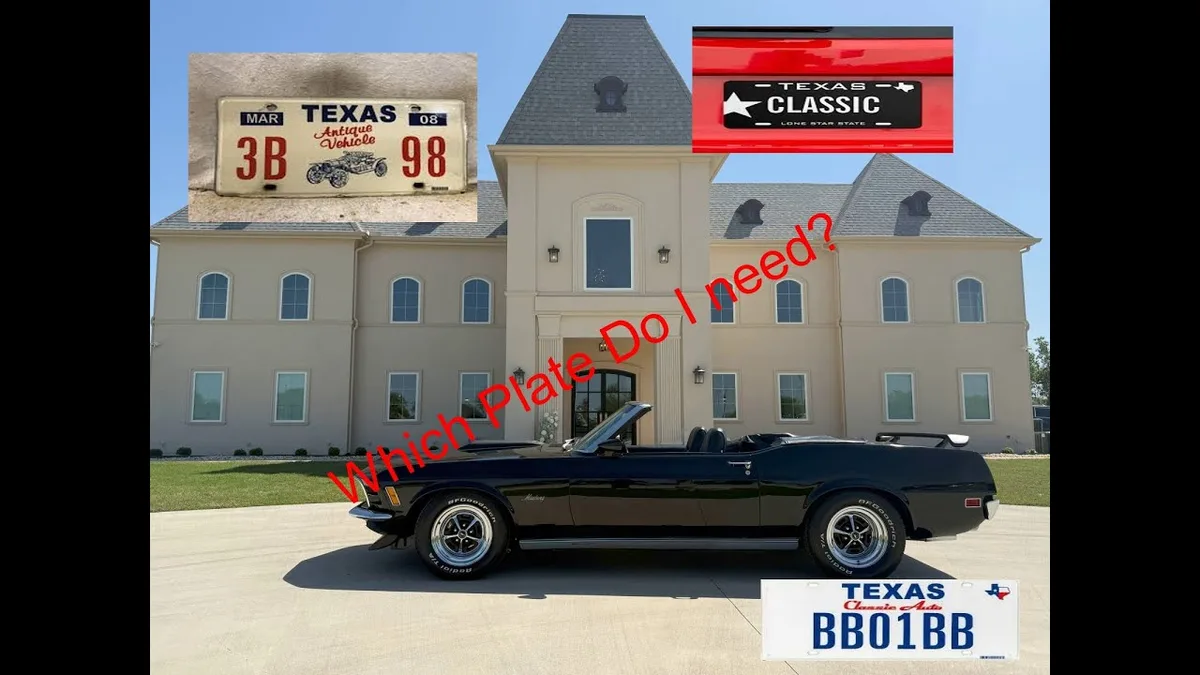
YouTube / Chasing Mustangs (YouTube thumbnail (fair-use with source credit))
Quick Answer
New York antique vehicle registration for cars 25 years and older applies to unmodified vehicles 25 or more years old. It cuts registration fees and eliminates annual safety and emissions inspections. You can only use the car for occasional pleasure driving, club events, or parades.
Daily commuting or commercial use is not allowed under state rules. Applications go through the NY DMV in person or by mail.
Does Your Car Qualify for NY Antique Registration?
Your car qualifies if it passes three non-negotiable NY DMV eligibility checks. Failing any single check means you’ll need to use standard or custom registration instead.
The three core criteria are model year, originality, and intended use. Your vehicle must be a 2001 or older model year as of 2026. It must be unmodified or restored to original factory specifications.
You must only use it for non-commercial occasional trips.
Vehicles with salvage, rebuilt, or flood titles are automatically disqualified from antique registration. Your VIN must match the title exactly, with no alterations or missing digits. If your VIN is damaged, you will need a VIN verification via Form MV-90 before applying.
Paperwork errors are the most common reason for application delays, per NY DMV public guidance.
The 25-Year Rule and Other Hard Requirements
The 25-year age cutoff uses model year, not manufacturing date or first registration date. A car built in December 2000 with a 2001 model year is eligible as of 2026. A car built in January 2001 with a 2002 model year is not eligible until 2027.
The cutoff shifts forward one year every January 1. You can find your car’s model year on the driver’s side door jamb sticker, title, or original registration.
Your vehicle must match the manufacturer’s original specs for its model year. Minor repairs with OEM-equivalent parts are allowed. Performance upgrades, custom paint, or altered frames void eligibility.
The DMV may require a photo inspection if modifications are suspected.
| Hard Requirement | Common Disqualifying Mistake |
|---|---|
| 2001 or older model year | Using manufacturing date instead of model year |
| Unmodified original condition | Adding aftermarket wheels, audio systems, or engine upgrades |
| No commercial or daily use | Driving the car to work or for delivery work |
| Clean or original title (no salvage or rebuilt) | Trying to register a branded-title vehicle as an antique |
YouTube / TLS Auto Recycling (YouTube thumbnail (fair-use with source credit))
What You Can (and Can’t) Do with Antique Plates
Antique registration comes with legally binding usage limits, not suggestions. Violating these limits can lead to fines, registration revocation, or insurance claim denial.
Allowed uses include weekend leisure drives, classic car club meets, parades, car shows, and cross-state travel for antique events. The NY DMV defines occasional use as non-commuting, non-commercial trips, with no formal hard mileage cap.
Antique plates are illegal for daily commuting, school runs, regular errands, commercial work, ride-sharing, or towing trailers. Fines for misuse range from $150 to $300 per offense, and repeat violations can lead to permanent registration revocation.
YouTube / Razor (YouTube thumbnail (fair-use with source credit))
Antique vs. Standard vs. Custom Plates in NY
Choosing between plate types depends entirely on how you plan to use your vehicle. Picking the wrong option can lead to wasted fees or legal trouble.
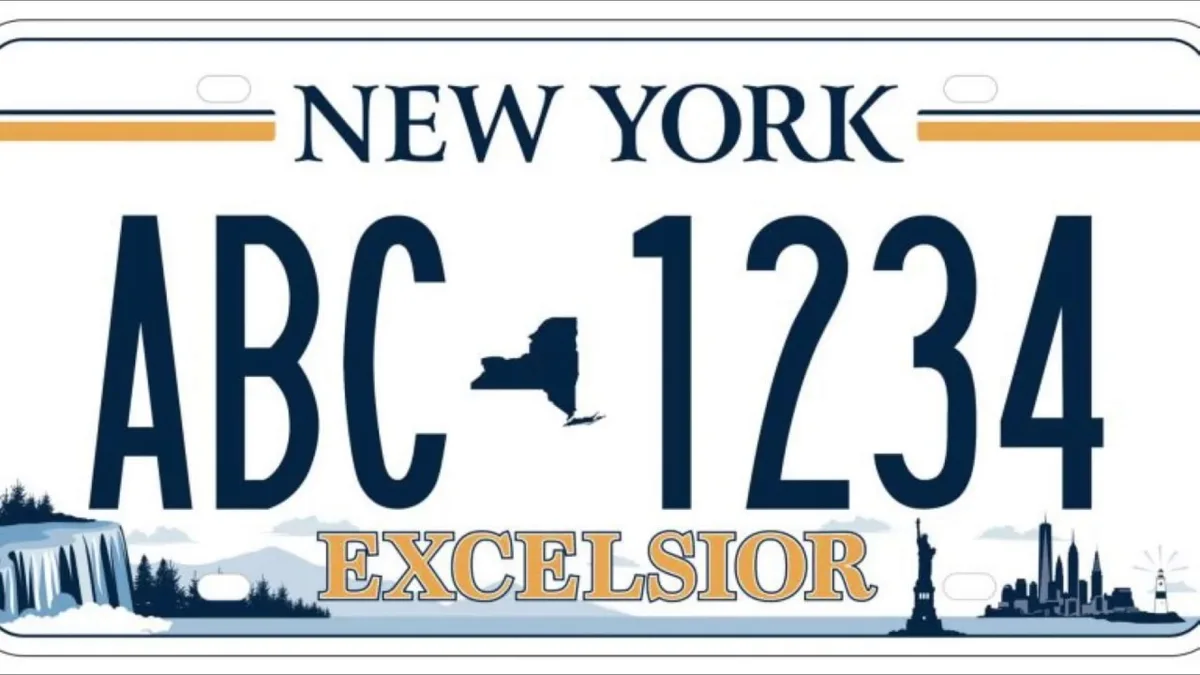
Antique registration is only for 2001 or older unmodified vehicles used for occasional trips. Standard registration works for any road-legal car, including daily drivers and lightly modified vehicles. Custom collector plates have no age or modification limits, and let you add personalized text or designs.
| Feature | Antique Registration | Standard Registration | Custom/Collector Plates |
|---|---|---|---|
| Eligibility | 2001 or older model year, unmodified vehicles | All road-legal vehicles | Any vehicle, no age or modification limits |
| Base Registration Fee (2026, 2-year term) | $25–$30 (county-dependent) | $36–$45 (county-dependent) | $60–$85 plus custom text fees |
| Inspection Requirement | Exempt from safety and emissions tests | Annual safety plus emissions tests required in most NY counties | Annual safety plus emissions tests required |
| Usage Limits | Occasional pleasure, events only | No limits, daily driving allowed | No limits, daily driving allowed |
| Plate Options | Generic historical or year-of-manufacture plates | Standard state-issue plates | Custom text, logos, or specialty designs |
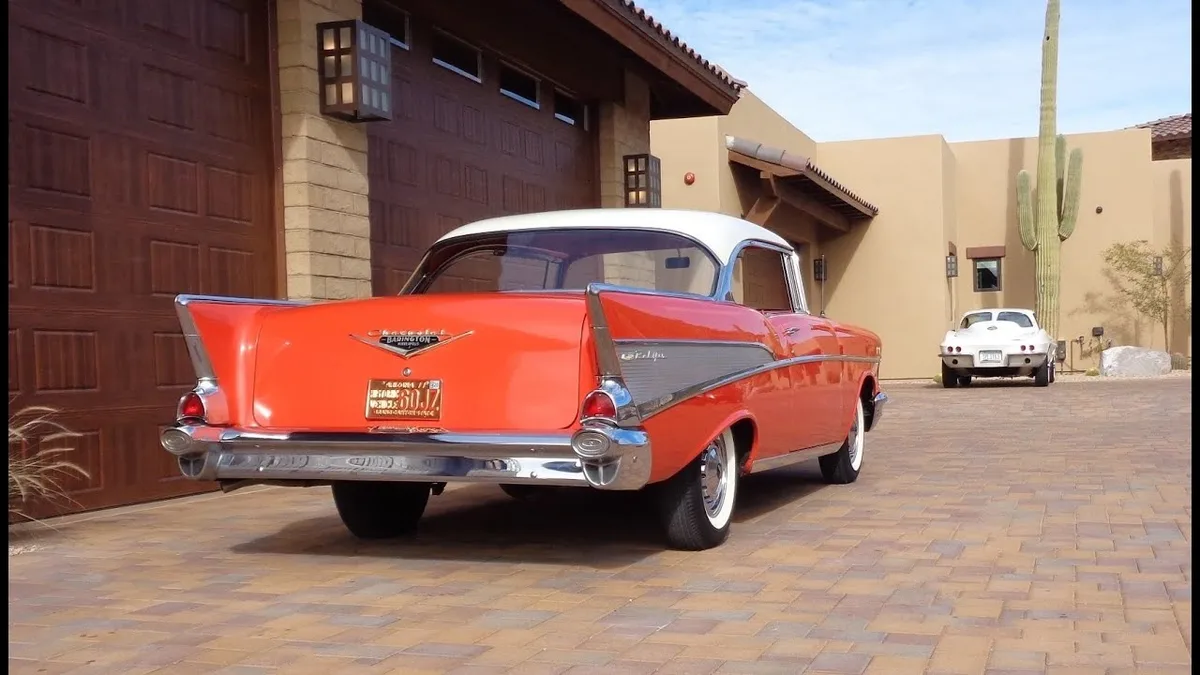
Year-of-manufacture plates are only available for qualifying antique vehicles. They match your car’s model year and cost an extra $20 to $30 on top of standard antique fees.
Step-by-Step: How to Register an Antique Car in New York
You can complete registration in person at a DMV office or by mail. In-person submissions are processed same-day if all paperwork is correct. Mail submissions take 2 to 4 weeks.
- Confirm your vehicle meets all eligibility criteria first. Revert any non-original modifications before applying, or use standard registration instead.
- Gather your vehicle title, proof of ownership, valid photo ID, and NY residency proof (utility bill or bank statement dated within the last 60 days).
- Complete the NY DMV Form MV-82 in black ink. Double-check that the VIN matches your title exactly.
- Submit your application in person or by mail. If you want year-of-manufacture plates, submit the separate plate request and pay the extra fee at the time of application.
- Pick up your plates and registration at the DMV counter if you applied in person, or wait for them to arrive by mail if you applied by post.
Pro Tip: Upstate NY DMV offices have far shorter wait times than NYC locations, so plan to visit a suburban office if you can travel.

YouTube / Helpdesk Pro (YouTube thumbnail (fair-use with source credit))
Paperwork You’ll Need (and Where to Get It)
The NY DMV rejects more antique applications for missing paperwork than any other reason. You need four core documents, all original or certified copies.
Your vehicle title is the most critical document. Request a duplicate from the DMV if you don’t have it. A bill of sale works as proof of ownership if your title is in transit.
A completed MV-82 form is mandatory. If your VIN is damaged or doesn’t match your title, you’ll also need a MV-90 VIN verification form completed by a law enforcement officer or DMV-approved inspector.
Bring a valid driver’s license or state ID for identity proof. For NY residency, use a utility bill or bank statement dated within the last 60 days.
If your car was last registered out of state, bring the out-of-state title and registration. Some counties also require a lien release if the vehicle was financed. Call your local DMV ahead of time to confirm any extra requirements.

YouTube / PDFRUN (YouTube thumbnail (fair-use with source credit))
Fees, Timelines, and Processing Realities
Antique registration is cheaper than standard, but exact costs vary by county. Expect to pay $25 to $30 for the 2-year base registration term. Year-of-manufacture plates add another $20 to $30 if you want them.
In-person applications are completed same-day if all documents are in order. Mail-in applications take 2 to 4 weeks to process, so plan ahead for events or shows.
Some counties charge extra fees for title transfers or VIN verifications. NYC offices often have higher fees than upstate locations, so check your county’s DMV website for the latest schedule.
If your application is missing documents, the DMV will mail you a rejection notice. You have 30 days to resubmit with correct paperwork before the process restarts. Triple-check your forms before submitting to avoid delays.
Insurance for Antique Vehicles: What’s Different
Standard auto insurance does not cover antique-plated cars properly. You need a specialty policy that matches limited use and agreed value coverage.
Agreed value coverage is the biggest difference from standard policies. You and the insurer set the car’s full value upfront. If the car is totaled, you get the full agreed amount, not a depreciated actual cash value.
Usage restrictions apply to insurance too. If you’re caught using your antique car for daily driving, your insurer may deny a claim. Some policies even require locked garage storage when the car is not in use.
Top providers like Hagerty, Grundy, and American Collectors offer antique-specific policies. Compare quotes, as rates vary based on your car’s value, storage conditions, and annual mileage.
Modifications That Can Disqualify Your Car
The NY DMV is strict about originality. Any modification that alters factory specifications can void your antique registration, even small visible changes.
Engine swaps are a common disqualifier. Swapping in a newer or more powerful engine changes the car’s original character and will get your application rejected. The same applies to transmission or drivetrain modifications.
Body modifications are also off-limits. This includes custom paint, aftermarket body kits, or altered suspension systems. Even non-factory wheels can be a red flag if they change the car’s original appearance.
Interior changes are less scrutinized, but major alterations can still cause issues. Reupholstering seats in period-correct materials is allowed. Installing a modern stereo system or non-factory gauges is not.
If you’re unsure whether a modification is allowed, check NY DMV guidelines or consult a classic car club. Some modifications can be reversed to restore originality, but frame alterations are permanent and disqualify your car forever.
YouTube / Lou Costabile (YouTube thumbnail (fair-use with source credit))
Common Mistakes That Get Applications Rejected
Most antique registration rejections stem from avoidable errors. The top mistake is submitting incomplete paperwork. Missing a signature or blank field on the MV-82 form will get your application sent back.
VIN mismatches are another frequent issue. The VIN on your title, application, and vehicle must match exactly. Even a single digit error can cause rejection.
You’ll need a VIN verification if your VIN plate is damaged or missing.
Using the wrong year to calculate eligibility is a surprisingly common error. Remember, eligibility is based on model year, not manufacturing date. A car built in late 2000 but sold as a 2001 model year is eligible as of 2026.
Modifications are another major pitfall. Many owners assume minor changes won’t matter, but the DMV takes originality seriously. Even aftermarket exhaust can be grounds for rejection.
Finally, don’t try to register vehicles with salvage or rebuilt titles. These are automatically disqualified from antique status, no matter their age or condition. Use standard registration for these vehicles instead.
County-Specific Quirks and NYC Differences
NYC DMV offices have longer wait times and stricter document checks than upstate locations. Some NYC boroughs require extra proof of residency, like a lease agreement or voter registration card.
Upstate counties vary in fee structures and processing speed. Suffolk County adds a $5 surcharge for antique registrations, while Erie County has no extra fees. Rural upstate offices may only process antique registrations on specific days or by appointment.
Call your local DMV before visiting to confirm their exact requirements and wait times.
What Happens If You Use Antique Plates Wrong?
Using antique plates for daily driving can result in a $150 to $300 fine per offense. Repeat violations may lead to permanent registration revocation.
If you’re in an accident while misusing antique plates, your insurer may deny your claim. This leaves you financially responsible for all damages.
Law enforcement can pull you over for suspected misuse. They will check your registration and trip logs to confirm you’re following usage rules.
Frequently Asked Questions
Can I drive my antique car in the winter?
Yes, but only for occasional pleasure driving. Daily winter commuting violates antique registration terms. The NY DMV does not restrict seasonal use, only how often and why you drive the vehicle.
Do I need a special inspection for antique plates?
No. Unmodified antique vehicles are fully exempt from NYS annual safety and emissions inspections. If you make modifications that affect safety features, you may lose this exemption and need a standard inspection.
Can I get year-of-manufacture plates for my antique car?
Yes, if your vehicle meets all antique eligibility requirements. Year-of-manufacture plates match your car’s model year, and cost an extra $20 to $30 on top of standard antique registration fees.
What if my car has a rebuilt title?
Rebuilt or salvage titles are not eligible for antique registration in New York. You will need to use standard registration for these vehicles, regardless of their age or condition.
How do I transfer antique plates to a new owner?
Antique plates stay with the vehicle, not the original owner. The new owner must submit a full antique registration application to the NY DMV, including proof of eligibility and ownership transfer documents.