Oklahoma implements of husbandry definition and road safety regulations can be confusing, but getting them wrong risks fines, accidents, or even legal liability. Whether you're moving a tractor between fields or hauling a combine down a county road, Oklahoma law has specific rules for what qualifies as an implement of husbandry and how it must be equipped for public roads.
As of 2026, Oklahoma Statutes Title 47 requires all farm equipment traveling on public roads to display a slow-moving vehicle (SMV) emblem and proper lighting. These rules exist to protect both farmers and motorists in a state where rural highways see frequent agricultural traffic.
Quick Answer
Oklahoma implements of husbandry definition and road safety regulations cover farm machinery like tractors and combines. They must display an SMV emblem and have working lights. Width is limited to 8.5 feet without a permit.
Speed is typically capped at 25-35 mph. Non-compliance can result in fines or liability.

What Oklahoma Law Defines as an "Implement of Husbandry"
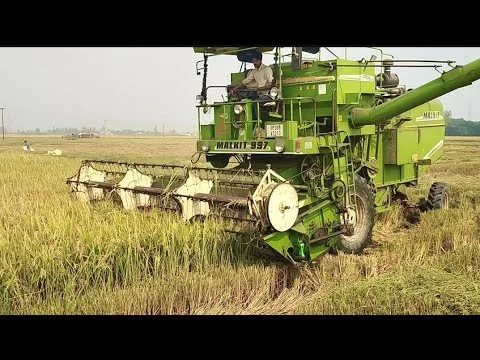
An implement of husbandry is farm equipment used for agricultural purposes. This includes tractors, combines, balers, plows, and similar machinery. The definition excludes vehicles primarily designed for highway use.
Oklahoma Statutes Title 47, § 1-135 explicitly defines implements of husbandry as vehicles designed and adapted exclusively for agricultural operations. This classification determines which safety regulations apply when these vehicles use public roads.
Who qualifies for the farm equipment road exemption
Farmers and agricultural workers transporting equipment between fields or to other farm locations typically qualify. The exemption applies to the equipment itself, not the operator. Commercial haulers transporting farm equipment may not qualify for the same exemptions.
Key statutory language from Title 47 (Oklahoma statutes)
The law specifies that implements of husbandry are not subject to all standard vehicle regulations. However, they must still comply with specific safety requirements when on public roads. The full text is available through the Oklahoma State Courts Network.
Required Safety Equipment: SMV Emblems, Lighting, and Markings
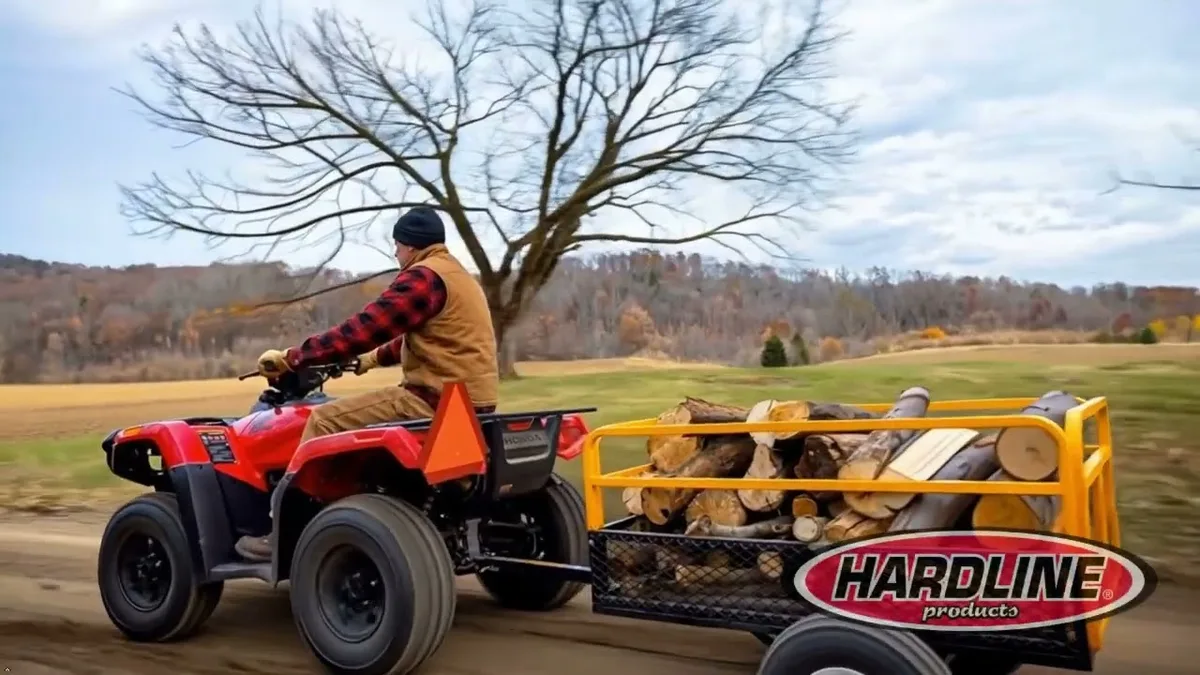
Every implement of husbandry must display a slow-moving vehicle emblem when traveling on public roads. This triangular, reflective orange sign warns other motorists of the vehicle's slow speed.
SMV emblem placement, sizing, and visibility rules
The SMV emblem must be an equilateral triangle with sides of at least 14.5 inches. It should be mounted 2 to 6 feet above the roadway. The emblem must be visible from 500 feet in daylight.
Proper placement is typically at the rear center of the vehicle or implement. The emblem should be clean and unobstructed for maximum visibility.
Mandatory lighting for tractors, combines, and towed farm equipment
All farm equipment must have working lights when traveling on public roads. This includes two white headlights and two red taillights. Turn signals are required on the front and rear.

For towed implements, additional lighting may be required. Reflective tape or additional lights may be necessary for wider equipment. The Oklahoma Department of Public Safety provides detailed guidelines.
Reflective tape and flag requirements for oversized loads
Equipment wider than 8.5 feet requires additional markings. This typically includes reflective tape on the outermost edges. Flags may be required on projections that extend beyond the vehicle's width.
Size, Weight, and Operational Limits on Public Roads
Oklahoma sets specific limits for farm equipment on public roads. These limits balance agricultural needs with public safety.
Width is limited to 8.5 feet without a special permit. Height is generally capped at 13.5 feet. Weight limits vary by axle configuration and require compliance with ODOT guidelines.
Width, height, and weight restrictions that trigger permit requirements
Any equipment exceeding 8.5 feet in width requires a permit from the Oklahoma Department of Transportation. Height over 13.5 feet also triggers permit requirements. Weight limits depend on the number of axles and their spacing.
Speed limits for farm equipment and where they apply
Farm equipment is typically limited to 25 to 35 mph on most roads. Some highways may have different limits for slow-moving vehicles. Always check local regulations for specific routes.
Time-of-day travel rules and exceptions
Most farm equipment should travel during daylight hours. Night travel is generally discouraged unless the equipment has all required lighting. Some counties may have additional time restrictions.
When You Need a Permit for Oversize or Overweight Farm Equipment
A permit is required when farm equipment exceeds standard size or weight limits. This ensures safety and proper routing for oversized loads.
How to apply through ODOT for single trips or seasonal permits
Applications can be submitted online through the ODOT website. Single-trip permits are available for one-time moves. Seasonal permits cover multiple trips within a specified period.
The application process typically requires information about the equipment dimensions and the planned route. Fees vary based on the size of the load and the duration of the permit.
Escort vehicle requirements for wide or tall loads
Loads exceeding certain dimensions may require escort vehicles. These vehicles help warn other motorists and ensure safe passage. The number of escorts depends on the size of the load.
Restricted routes, bridge clearances, and seasonal travel windows
Some roads and bridges have weight or height restrictions. ODOT provides route maps showing approved paths for oversized loads. Seasonal restrictions may apply during periods of heavy traffic or adverse weather.
Real Safety Risks: Why Non-Compliance Leads to Accidents and Fines
The consequences of ignoring Oklahoma's farm equipment regulations can be severe. Safety experts warn that poor visibility and non-compliant equipment contribute to serious accidents on rural highways.
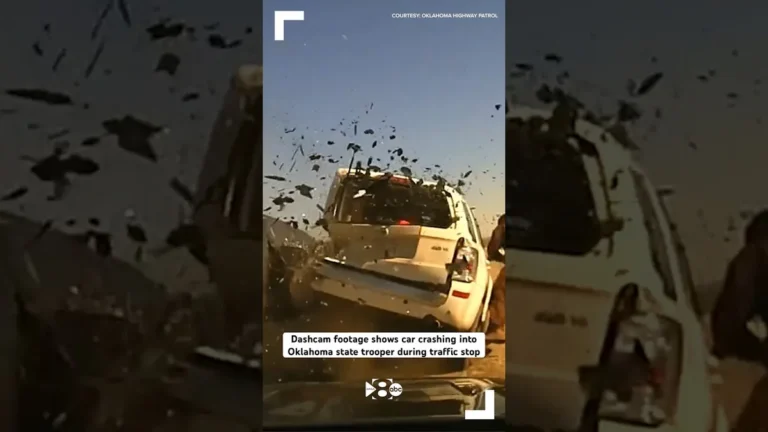
Farm equipment often travels at speeds as low as 25 mph. This creates dangerous situations when motorists following too closely or attempting to pass. The Oklahoma Highway Patrol tracks incidents involving slow-moving vehicles regularly.
Collision statistics and visibility gaps with slow-moving farm equipment
Studies show that SMV emblem compliance significantly reduces collision risk. Equipment without proper lighting is nearly invisible at dawn or dusk. This is when most fatal accidents occur.
Nighttime transport without required lights creates particular danger. Motorists may not see an implement until it's too late to react safely.
Liability exposure for operators and equipment owners
Farmers found non-compliant face significant legal risks. In accident cases, negligence can be established through violation of safety statutes. This may affect insurance claims and liability determinations.
Equipment owners should maintain documentation of inspections and compliance. This can help defend against liability claims.
Common enforcement actions by the Oklahoma Highway Patrol
OHP officers routinely check farm equipment on highways. Violations typically result in citations requiring correction before travel continues. Repeat violations may lead to increased scrutiny or impoundment.
Step-by-Step: Preparing Your Farm Equipment for Road Travel
Proper preparation prevents accidents and ensures legal compliance. A systematic approach helps operators avoid common oversights.
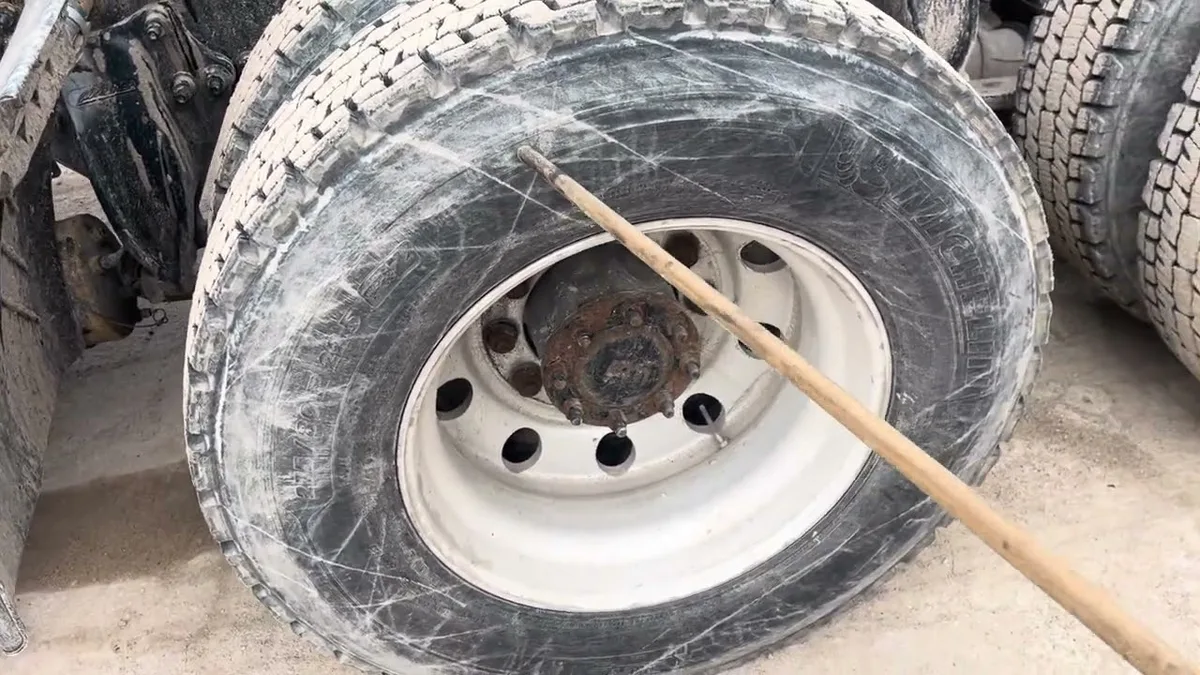
Step 1: Inspect and test all lights, reflectors, and the SMV emblem
Begin by checking every light on the tractor and attached equipment. Test headlights, taillights, brake lights, and turn signals. Replace any burned-out bulbs immediately.
Examine the SMV emblem for damage or fading. A worn emblem won't reflect light properly. Mount it securely at the correct height and position.
Step 2: Verify load security and check tire/brake condition
Ensure all implements are properly hitched and secured. Loose equipment can shift or detach while traveling. Check that chains and ties are intact.
Inspect tire condition and pressure on both the tractor and trailer. Verify that brakes function correctly on all units. Test brake lights before departing.
Step 3: Plan your route and secure any required permits
Check ODOT's oversize load maps for approved routes. Some county roads have weight limits that farm equipment can exceed. Always verify bridge clearances along your path.
If your load exceeds 8.5 feet wide or 13.5 feet tall, apply for a permit in advance. Single-trip permits process faster than seasonal ones. Keep a copy of the permit in the vehicle during transport.
Step 4: Use hazard lights and pull over for passing traffic when safe
Turn on hazard lights whenever visibility is poor. This includes dawn, dusk, rain, or fog. Hazard lights alert other drivers to your presence.
When traffic builds up behind you, pull over where safe to let vehicles pass. Use wide shoulders or farm entrances. Never stop on curves or hills where visibility is limited.
Common Mistakes That Violate Oklahoma Law (and How to Avoid Them)

Using outdated or damaged SMV emblems
A faded or cracked SMV emblem fails to reflect light properly. Replace it if the orange color looks dull or the reflective surface is scratched. Emblems older than 5 years often need replacement.
Neglecting auxiliary lighting on wide or tall implements
Wide equipment requires additional lighting on the outermost edges. This includes amber lights on the front and red lights on the rear. Check that all lights are visible from 500 feet in normal conditions.
Traveling past dusk without proper warning devices
Night travel without proper lighting is illegal and dangerous. If you must travel after dark, ensure all required lights are working. Add reflective tape to improve visibility.
Assuming all farm equipment is exempt from all highway rules
Some farmers believe agricultural exemptions cover everything. This is not true. Size, weight, and lighting rules still apply to all farm equipment on public roads.
What to Do If You're Pulled Over or Involved in an Incident
Stay calm and pull over safely when signaled by law enforcement. Have your driver's license, equipment registration, and any permits ready. Cooperation can prevent escalation.
If you're in an accident, move equipment off the road if possible. Call 911 immediately if there are injuries. Document the scene with photos and exchange information with other drivers.
How to cooperate with law enforcement and what documentation to have
Provide your license, proof of insurance, and any relevant permits. Explain your route and destination clearly. Officers may check your equipment's lighting and SMV emblem.
Immediate steps after a collision involving farm equipment
Check for injuries first. Then secure the scene to prevent further accidents. Notify your insurance company as soon as possible.
When to consult an attorney or your insurance provider
If there are injuries or significant damage, contact your insurance provider immediately. For disputes over liability or citations, consult an attorney familiar with agricultural law.
Oklahoma-Specific Resources and Official Guidance
The Oklahoma Department of Public Safety provides detailed guidelines on farm equipment safety. Their website includes checklists for proper equipment marking and lighting. The Oklahoma DPS is the primary resource for these regulations.
The Oklahoma Department of Transportation handles permits for oversize loads. Their website offers route maps and application forms. The ODOT is essential for planning legal transport.
Oklahoma DPS and ODOT farm vehicle information hubs
Both agencies offer online resources and phone support. They can clarify specific questions about equipment or routes. Contact them before transporting unusual or oversized loads.
Oklahoma Farm Bureau and OSU Extension safety checklists
The Oklahoma Farm Bureau provides safety resources tailored to farmers. Their checklists cover equipment transport and road safety. The Oklahoma Farm Bureau is a valuable partner for agricultural operators.
Oklahoma State University Extension offers educational materials on farm equipment safety. Their guides include best practices for road transport. The OSU Extension is a trusted source for research-based advice.
How to verify current statutes and permit fee schedules
Statutes can change, so always verify current requirements. The Oklahoma State Courts Network provides the most up-to-date legal text. Permit fees are listed on the ODOT website and may vary by load size and duration.
Quick Reference: Compliance Checklist for Oklahoma Road Transport
Must-have equipment and inspection points
- SMV emblem: 14.5-inch triangle, mounted 2 to 6 feet high, rear-facing
- Lighting: 2 white headlights, 2 red taillights, amber turn signals front and rear
- Reflectors: Red on rear, amber on front if width exceeds 80 inches
- Brakes: Functional on all towed equipment over 3,000 lbs
Permit triggers and where to apply
| Dimension | Limit Without Permit | Permit Required | Where to Apply |
|---|---|---|---|
| Width | 8.5 feet | Over 8.5 feet | ODOT |
| Height | 13.5 feet | Over 13.5 feet | ODOT |
| Weight | Varies by axle config | Over legal limits | ODOT |
Key contacts for route planning and enforcement questions
- ODOT Permits: (405) 521-2566 or ODOT Permits Online
- OHP Non-Emergency: (405) 425-2323
- Oklahoma Farm Bureau: (405) 523-2400
Frequently Asked Questions
What counts as an implement of husbandry in Oklahoma?
Oklahoma defines it as any vehicle designed exclusively for agricultural operations. This includes tractors, combines, and towed farm equipment. Vehicles primarily for highway use don't qualify.
Do I need a CDL to drive farm equipment on Oklahoma roads?
No CDL is required for farm equipment used within 150 air miles of the farm. The exemption applies to operators transporting farm products, supplies, or equipment. Standard driver's license rules still apply.
Can I drive my tractor at night in Oklahoma?
Yes, but only with all required lighting and the SMV emblem. Hazard lights should be used in low visibility. Night travel is discouraged unless absolutely necessary.
What's the fine for not having an SMV emblem in Oklahoma?
Fines typically range from $50 to $200 for first offenses. Repeat violations may result in higher penalties. Officers may require correction before allowing continued travel.
How do I get a permit for oversize farm equipment?
Apply through the ODOT website or in person at a district office. Provide equipment dimensions and your planned route. Single-trip permits usually process within 24 hours.
Are there any roads where farm equipment is banned in Oklahoma?
Some interstates and limited-access highways prohibit farm equipment. ODOT route maps show approved paths. Always check local restrictions before traveling.