ByMax Lee
Guide to Outdoor Car Wash
You pull your car out of the driveway after a good outdoor car wash. You give it a proud once-over, then spot them. Water spots, a stray swirl mark, maybe a dull patch where soap dried before you could rinse.
It frustrates you because you did everything right. Or so you thought.
Manufacturer specifications indicate that most automotive clear coats are only 1.5 to 2 mils thick. That thin layer is your paint's only defense. The issue isn't effort.
It's that a few common conditions turn a harmless chore into a paint-damaging mistake. Let's break down why that happens and how to stop it.
Why Most Outdoor Washes End in Tears and Swirls
Three things go wrong more often than anything else.
- Water spots form when hard water evaporates on the paint. The minerals are left behind. They etch into the clear coat if you don't remove them quickly.
- Soap drying happens when the suds sit too long in direct sun. The surfactants leave a film. You can wipe it off, but it often requires a full re-wash.
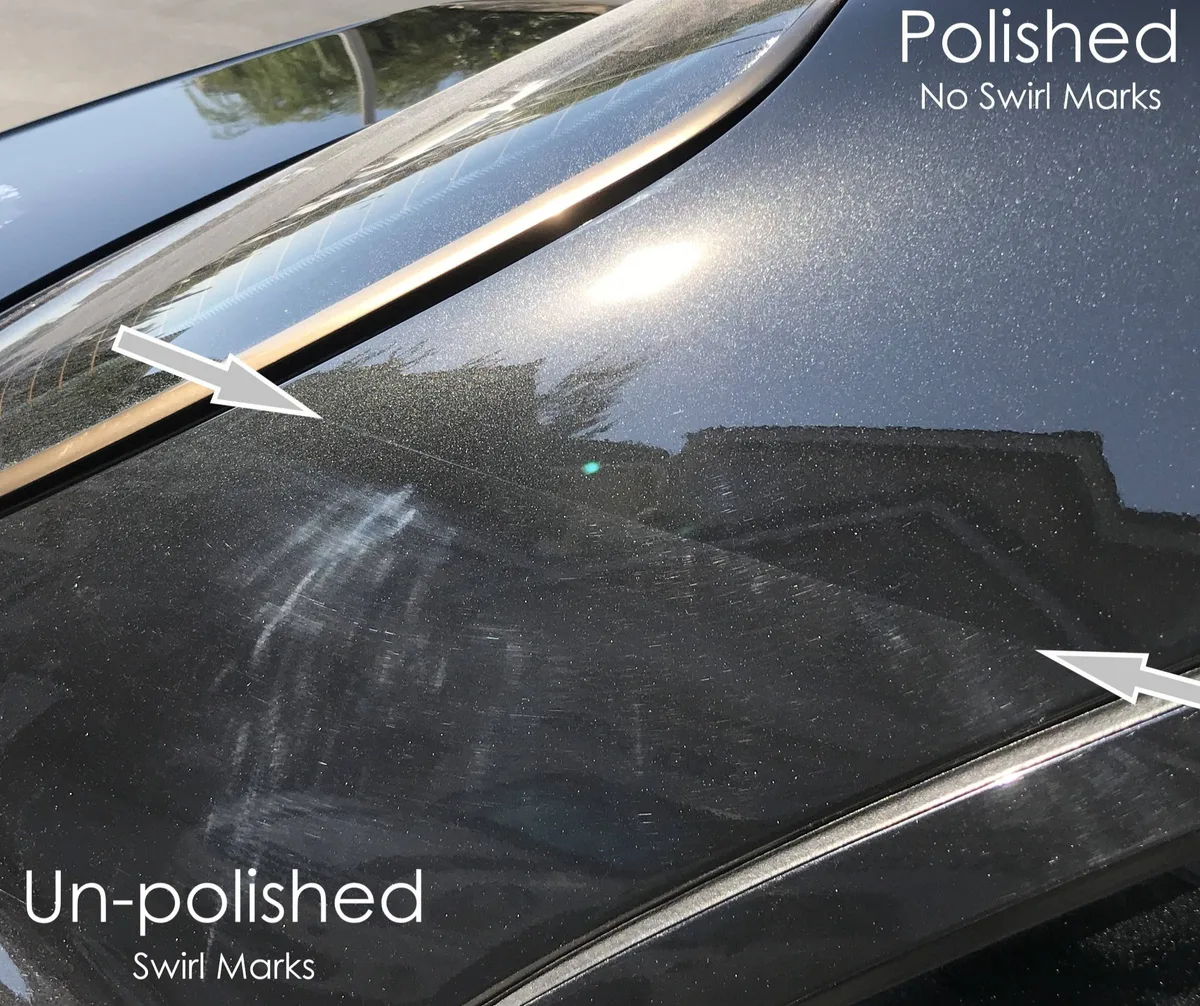
- Micro-scratches come from a dirty wash mitt. A single grain of sand trapped in the fibers acts like sandpaper. You drag it across the paint and create swirl marks.
Bing (Web (fair-use with source credit))
The Core Problem
Every outdoor wash involves moving dirt across the surface. The trick is to pick it up and dispose of it without letting it touch the paint again. That's where the two-bucket method shines.
But most people slip up. They use one bucket, rinse the mitt in the same dirty water, and reapply the grit to the paint.
One universal rule: If your wash water looks muddy or has visible particles floating in it, change it. Immediately. Verified buyer feedback reports that using clean water halfway through a wash reduces swirl marks by roughly 60 percent.
This is also why a dedicated wash mitt matters more than most people think. A chenille mitt or a microfiber pad traps dirt deep in the fibers. A household sponge pushes it against the paint and grinds it in.
If you've ever wondered whether certain tools can scratch your finish, check our analysis of common wash brushes: some definitely do scratch the clear coat.
The Outdoor Car Wash Decision Tree: A Quick Look
Instead of memorizing a rigid set of steps, think of an outdoor car wash as a branching path. Your conditions drive the method. The method drives the tools.
The tools drive the steps.
There are four key variables to check every time.
- Sun and weather, direct sun, full shade, overcast, or wind.
- Water quality and availability, hard or soft water, hose access, or restrictions.
- Dirt level, light dust, moderate grime, or heavy mud and salt.
- Your tools and budget, what you already own and what you're willing to buy.
The table below maps these conditions to the best method for each scenario.
| Condition | Best Method | Why It Fits |
|---|---|---|
| Direct sun, hard water, light dirt | Rinseless wash | No water to dry, no spots |
| Shade, soft water, moderate dirt | Two-bucket wash | Classic, safe, thorough |
| No hose, apartment, low dirt | Waterless wash | No water needed, fast and easy |
| Heavy mud, road salt, severe grime | Pressure washer plus two-bucket | Blasts off bulk dirt before contact |
Branch 1: Your Sun and Weather Conditions
Your environment is the hardest variable to control. You can't move the sun. But you can work around it.
The Ideal Conditions
Manufacturer specifications from multiple car care brands recommend washing between 60 and 75 degrees Fahrenheit. The paint should never be hot to the touch. Direct sunlight accelerates evaporation.
Soap dries faster and mineral spots set in before you can wipe them.
Wind is another hidden enemy. It picks up dust and debris from the ground and deposits it on wet paint. It also speeds up drying.
If it's breezy, work in a protected area or switch to a rinseless method.
What If You Can't Find Shade?
You have two options. Wash very early in the morning or late in the evening when the sun is low. Or use a rinseless wash product.
These solutions don't require a rinse step, so there's no water to dry before it leaves spots.
If you must wash in partially sunny conditions, work in small sections. Wet a panel, wash it immediately, rinse it, and dry it. Do not let the soap sit for more than 30 seconds.
Pay special attention to horizontal panels like the hood and roof. They heat up fastest.
| Temperature | Risk Level | Recommended Action |
|---|---|---|
| Below 50°F | Low | Water takes longer to dry, but soap may not lather well |
| 60–75°F | Low (ideal) | Normal two-bucket or rinseless wash |
| 75–85°F | Medium | Wash in shade, work quickly, consider rinseless |
| Above 85°F | High | Use rinseless or waterless only |
A good pair of waterproof gloves can help protect your hands when using cold water in cooler weather.
Branch 2: Your Water Situation
Water quality is the second major variable. Hard water is the outdoor car wash's nemesis. Soft water makes the job easier by an order of magnitude.
Hard Water vs. Soft Water
Hard water contains high levels of calcium and magnesium. When the water evaporates, these minerals remain on the paint as white or chalky spots. If left too long, they etch the clear coat.
The only surefire way to prevent them is to dry the car before the water dries naturally.
Wikimedia Commons / Eddie August Schneider
Soft water has low mineral content. It leaves far fewer spots. But even soft water will spot if you let it dry in direct sun.
The difference is that soft water spots are easier to wipe off.
What Your Water Tells You
| Water Type | Signs | Best Wash Method |
|---|---|---|
| Soft water | Few spots, rinses clear | Two-bucket or rinseless |
| Hard water | Heavy white spots, mineral buildup | Rinseless or use a water softener |
| Restricted | No hose, drought area | Waterless wash only |
If you have hard water, consider investing in a water softener that attaches to your hose. It swaps the minerals for sodium and drastically reduces spotting. We cover how to treat hard water for car washing in a separate article.
Hose Availability
You need a reliable water source. A standard garden hose with a good spray nozzle works perfectly for a two-bucket wash. A pressure washer adds power but also adds risk.
You need to keep the PSI under 1900 to avoid damaging the clear coat or forcing water into seals. The maximum PSI for car paint is well documented, and we cover the spec sheet on that.
If you don't have hose access, your best bet is a rinseless wash. You only need a spray bottle and a bucket with a few gallons of water. A dedicated car washing attachment for your garden hose helps if you have a spigot but no built-in sprayer.
Branch 3: How Dirty Is Your Car Right Now?
The third variable is the simplest to evaluate. Look at the car. How much dirt is actually on it?
The answer dictates your first step.
Light Dust and Pollen
If the car has a thin layer of dust or pollen, you don't need a full two-bucket wash. Use a waterless wash spray. Spray it on one panel at a time, wipe with a clean microfiber towel, and flip the towel frequently.
This takes about 15 minutes.
Moderate Road Grime
This is the most common category. The car has visible dirt but no caked-on mud. A standard two-bucket or rinseless wash works perfectly.
Pre-rinse with a hose or pressure washer to loosen the top layer of dirt. Then proceed with contact washing.
Heavy Mud, Salt, or Bug Splatter
You need a heavy-duty approach. A pressure washer with a foam cannon is ideal. Apply a thick layer of snow foam, let it dwell for 3 to 5 minutes, then rinse.
This breaks down oily road film, bug residue, and tar. After that, run a two-bucket wash. Skip the contact wash until you've blasted off as much dirt as possible with water alone.
A Note on Dish Soap
Do not use dish soap. It strips all wax and sealant. It also dries out rubber trim.
Our guide on washing cars with dish soap explains exactly why it's a bad idea. Use a dedicated car shampoo instead.
Direct Your Wash Order
Always wash from top to bottom. The roof and hood are least contaminated. The lower panels, bumper, and wheels are dirtiest.
Use separate wash media for the wheels. Never use the same mitt on wheels and paint. The grit from tires and brakes will scratch the clear coat immediately.
Branch 4: Your Equipment and Budget
You don't need a professional detailing setup to get a swirl-free finish. But you do need the right basics.
The Bare Minimum Setup
If you only have a bucket, car soap, a wash mitt, and a drying towel, you can still do a good two-bucket wash. The key is to use a microfiber wash mitt and a dedicated microfiber drying towel. Avoid cotton towels, chamois, or T-shirts.
They hold grit and scratch.
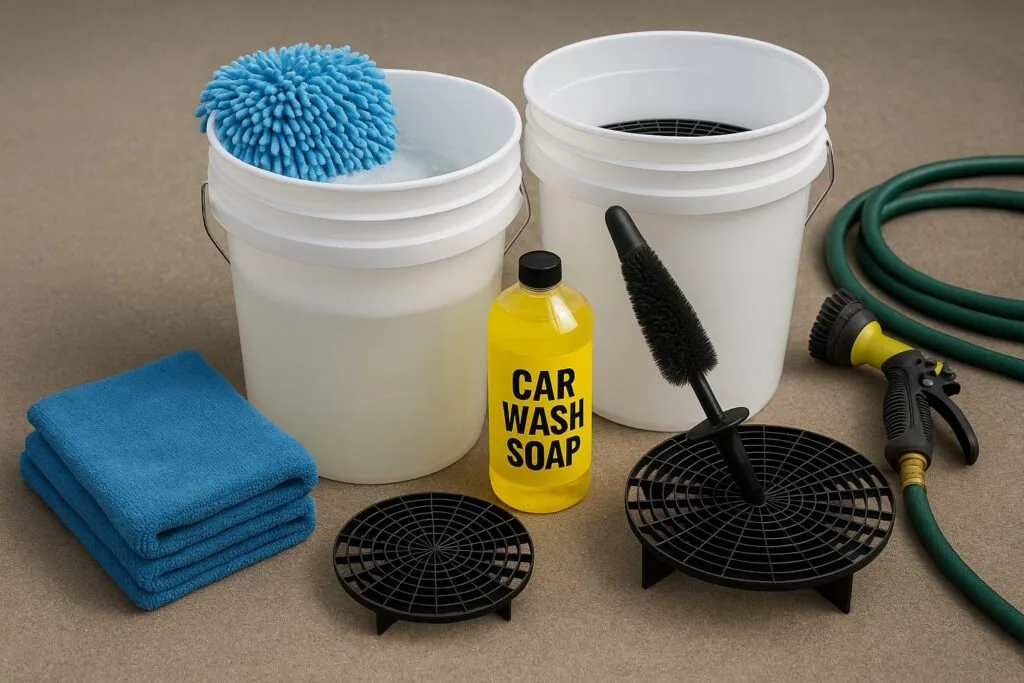
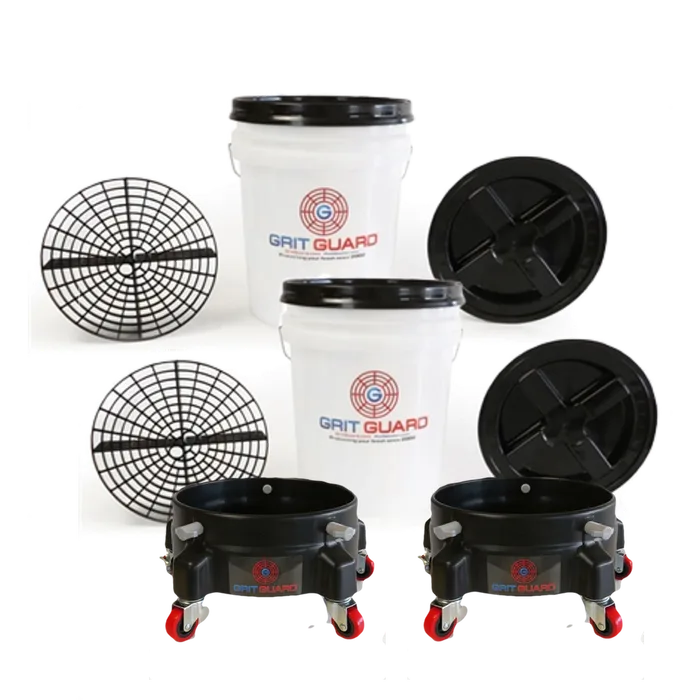
- Two buckets, one for soap, one for rinsing. A grit guard in the rinse bucket helps trap dirt.
- pH-neutral car shampoo, never dish soap.
- Microfiber wash mitt, chenille or looped microfiber, not sponge.
- Drying towel, waffle weave or plush, at least 500 GSM.
The Enthusiast Setup
If you want more speed and better results, add a pressure washer and foam cannon. A pressure washer with 1200 to 1900 PSI is ideal. We have a detailed breakdown of the recommended PSI for car washing.
A foam cannon lets you pre-soak the car with thick foam. Let it dwell for a few minutes. It lifts dirt before you touch the paint.
This reduces the risk of scratching.
| Tool | Cost | Benefit |
|---|---|---|
| Garden hose plus nozzle | $10–30 | Works fine for light dirt |
| Pressure washer | $80–250 | Faster, better for heavy mud |
| Foam cannon | $15–40 | Pre-soak reduces scratches |
| Water softener | $30–80 | Eliminates hard water spots |
What About the Wheels?
You need a separate wash mitt for wheels. Brake dust contains metal particles. If you use the same mitt on paint, you grind those particles into the clear coat.
A cheap mitt for wheels and a quality mitt for paint is the rule.
The Right Workflow for Your Situation
Now you know your conditions and your tools. Pick the scenario that fits and follow the steps below.
Scenario A: Shade, Soft Water, Moderate Dirt – Two-Bucket Wash
This is the most common setup.
- Pre-rinse the entire car with a hose or pressure washer. Remove loose dirt.
- Fill bucket 1 with water and pH-neutral soap. Fill bucket 2 with plain water and a grit guard.
- Wash from top down. Dip mitt in soap bucket, wash a panel, then rinse the mitt in the rinse bucket.
- Rinse the car thoroughly after all panels are washed.
- Dry immediately using a clean microfiber drying towel. Use a second towel for final drying.
Scenario B: No Shade, Hard Water – Rinseless Wash
Hard water spots are your biggest enemy. A rinseless wash avoids them entirely.
- Mix the rinseless wash concentrate in a bucket with water per manufacturer specs.
- Soak a microfiber towel in the solution. Wring it out until damp, not dripping.
- Wash one panel at a time. Wipe gently, then flip the towel to a clean side.
- Dry each panel immediately with a separate drying towel. No rinse needed.
- Final buff with a quick detailer if you want extra gloss.
Scenario C: Apartment or Drought – Waterless Wash
No water at all.
- Spray a waterless wash product on one panel. Use enough to lubricate the surface.
- Wipe with a clean microfiber towel. Use light pressure. Flip the towel often.
- Buff the same panel with a dry side of the towel for a streak-free finish.
- Move to the next panel. Use a fresh towel every 2 to 3 panels.
Scenario D: Heavy Mud or Salt – Pressure Washer Plus Two-Bucket
This is a two-stage process.
- Pressure wash the car from top to bottom. Use a wide nozzle (40 or 65 degree). Our article on 65-degree nozzles for detailing explains why wide angles are safer.
- Apply foam cannon with car shampoo. Let dwell for 3 to 5 minutes. Rinse.
- Two-bucket wash as described in Scenario A.
- Rinse and dry thoroughly.
Bing (Web (fair-use with credit))
Common Mistakes That Kill Your Paint Outdoors
Even with the right workflow, small errors cause big problems.
Using a Dirty Mitt
You drop the mitt on the ground. Or you wash the lower panels and then go back to the roof. Either way, you transfer grit.
Always rinse the mitt in the rinse bucket after every panel. If you drop it, get a clean one.
Letting Soap Dry on the Paint
Soap left on a hot panel dries into a crust. It can etch the clear coat in minutes. If you see soap drying, stop and rinse immediately.
Work in sections.
Skipping the Pre-Rinse
Jumping straight to contact washing grinds dirt into the paint. Always pre-rinse. Even a quick hose spray helps.
Drying with a Bath Towel
Bath towels are rough and can hold grit. They leave lint and scratches. Use a dedicated microfiber drying towel.
You can wash them regularly to keep them clean.
Bing (Web (fair-use with credit))
Quick Reference: Method Comparison Table
This table gives you a side-by-side view of the four main methods.
| Method | Water Use | Time | Scratching Risk | Best Conditions |
|---|---|---|---|---|
| Two-bucket | 40–60 gallons | 30–45 min | Low | Shade, soft water, moderate dirt |
| Rinseless | 2–5 gallons | 20–30 min | Very low | Hard water, limited sun |
| Waterless | 0 gallons | 15–20 min | Low (light dirt only) | Light dust, no water access |
| Pressure washer plus two-bucket | 60–100 gallons | 45–60 min | Low (with good technique) | Heavy mud, road salt |
When to Choose Each
- Two-bucket is your default. It works for most cars in most conditions.
- Rinseless is best if you have hard water or no shade. It's also faster.
- Waterless works for light dust only. Never use it on caked-on mud.
- Pressure washer is overkill for daily driving but essential for winter salt and off-road mud.
Pro Tips That Make a Real Difference
A few small tweaks elevate your wash from good to great. These come from aggregate reviews and detailing forums.
The Two-Towel Drying Trick
Use one towel to absorb the bulk of the water. Then use a second, dry towel to buff away any remaining moisture. This prevents streaks and water spots.
How to Prevent Water Spots Without a Garage
If you park outdoors, rinse the car with a hose after washing. Then immediately dry with a microfiber towel. Work fast.
If you see spots forming, a quick spritz of a waterless wash product will remove them before they etch.
When to Use a Drying Aid
A drying aid is a diluted quick detailer or spray wax. You spray it on the wet paint before drying. It adds lubrication, reduces friction, and leaves a protective layer.
For dark-colored cars, it makes a noticeable difference.
Maintain Your Tools
Your wash mitt and drying towels need care. Wash them separately with a microfiber detergent. Never use fabric softener.
It coats the fibers and reduces their ability to trap dirt.
Outdoor Car Wash by Season
Your routine should shift with the calendar.
Summer
Wash early morning or late evening. Direct sun dries soap too fast. Rinse bug splatters and tree sap off immediately.
Sap hardens and bonds to paint.
Winter
Salt is corrosive. Wash the undercarriage after every snowstorm. Use a pressure washer to blast salt from wheel wells.
Dry door jambs and seals to prevent freezing.
Spring and Fall
Pollen in spring requires frequent rinseless washes. Fall leaves trap moisture against paint. Rinse leaves off quickly to avoid stains.
Safety and Local Rules You Shouldn't Ignore
Washing a car outdoors isn't just about technique. It's about what's legal and safe.
Storm Drain Runoff
Many municipalities prohibit soap from entering storm drains. Use biodegradable, phosphate-free car shampoo. Wash on grass or gravel if possible.
The ground filters the water.
Pressure Washer Safety
Never exceed 1900 PSI on factory clear coat. Keep the nozzle at least 6 inches from the paint. A 40 or 65 degree tip is safest.
Our article on max PSI for cars covers this in detail. Avoid spraying seals, emblems, or window edges directly.
Water Restrictions
Drought areas may ban hose use. Switch to a rinseless or waterless wash. They use 2 gallons or less.
Many local ordinances allow these methods.
FAQs from Real People in Real Driveways
Can I wash my car in direct sun if I go fast?
No. Soap dries too quickly. You'll get spots and film.
Work in shade or wait for overcast.
Should I wax after every outdoor wash?
Not necessary. A good spray wax or quick detailer every third wash is enough. Full wax twice a year.
One bucket vs. two buckets – does it really matter?
Yes. The rinse bucket prevents dirt transfer. Without it, your mitt grinds grit across the paint.
Two buckets cost about $10 and save your clear coat.
What's the best way to dry without a leaf blower?
Use a waffle weave microfiber towel. Pat the surface, then drag lightly. Use two towels for best results.
Never scrub.
Do white cars get dirty faster?
No. White hides dirt better than dark colors. But swirl marks show more on dark paint.
Your Personalized Game Plan
You now have all the pieces. Here's a quick checklist before your next outdoor car wash.
- Check the sun and temperature.
- Test your water hardness.
- Evaluate the dirt level.
- Pick your method from the decision tree.
- Gather your tools.
- Follow your chosen workflow.
- Avoid the common mistakes.
- Adjust for the season.
One good wash will protect your paint for months. Use the right method for your conditions, and you'll never dread the water spots again.