ByMax Lee
Personalized License Plates for Minor Outlying Islands
Minor Outlying Islands personalized license plate application and annual validation fees don’t work like they do in states or U.S. territories. These islands lack civilian DMVs, public fee schedules, or any process for personalized plates.
As of 2026, only federal, military, or research vehicles operate there, following special federal fleet rules rather than standard registration systems.
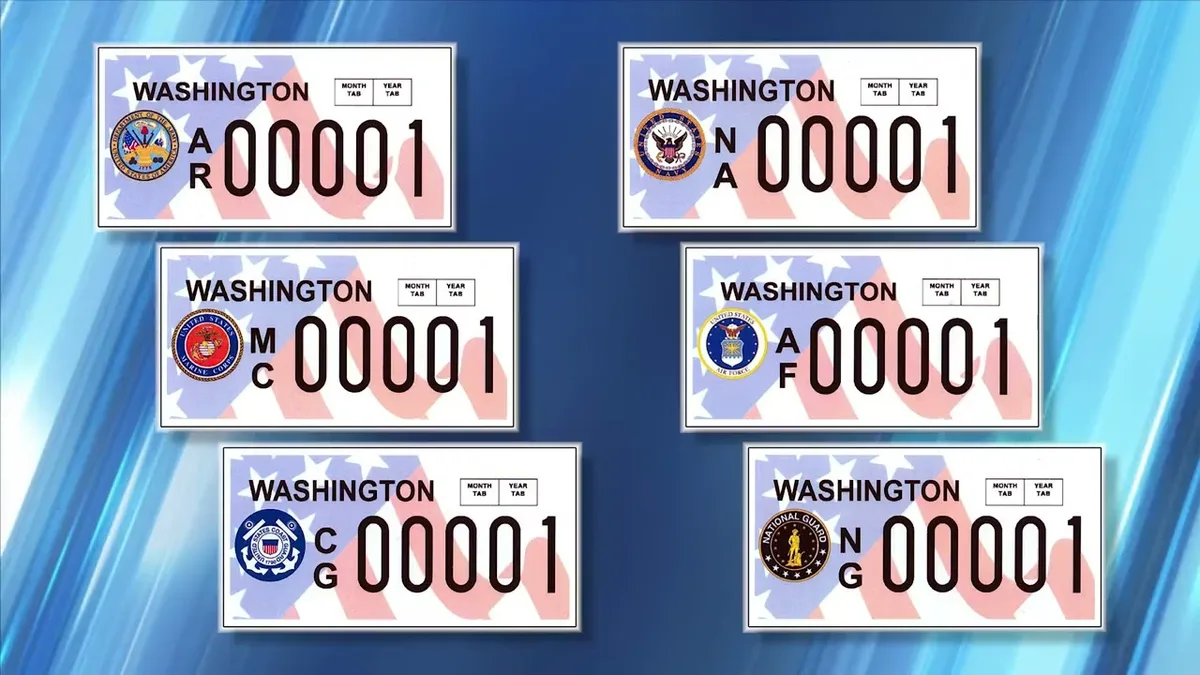
YouTube / Washington State Department of Veterans Affairs (YouTube thumbnail (fair-use with source credit))
Quick Answer
Minor Outlying Islands personalized license plate application and annual validation fees do not exist for civilians. No public DMV operates on these islands. Only federal or military vehicles use plates.
Fees are not published for public use. Registration is handled through federal channels.
Why This Question Is Trickier Than It Seems
The U.S. Minor Outlying Islands aren’t like Puerto Rico or Guam. They’re unincorporated, unorganized territories with no permanent civilian population.
Most have no roads, no private vehicles, and no need for a licensing system.
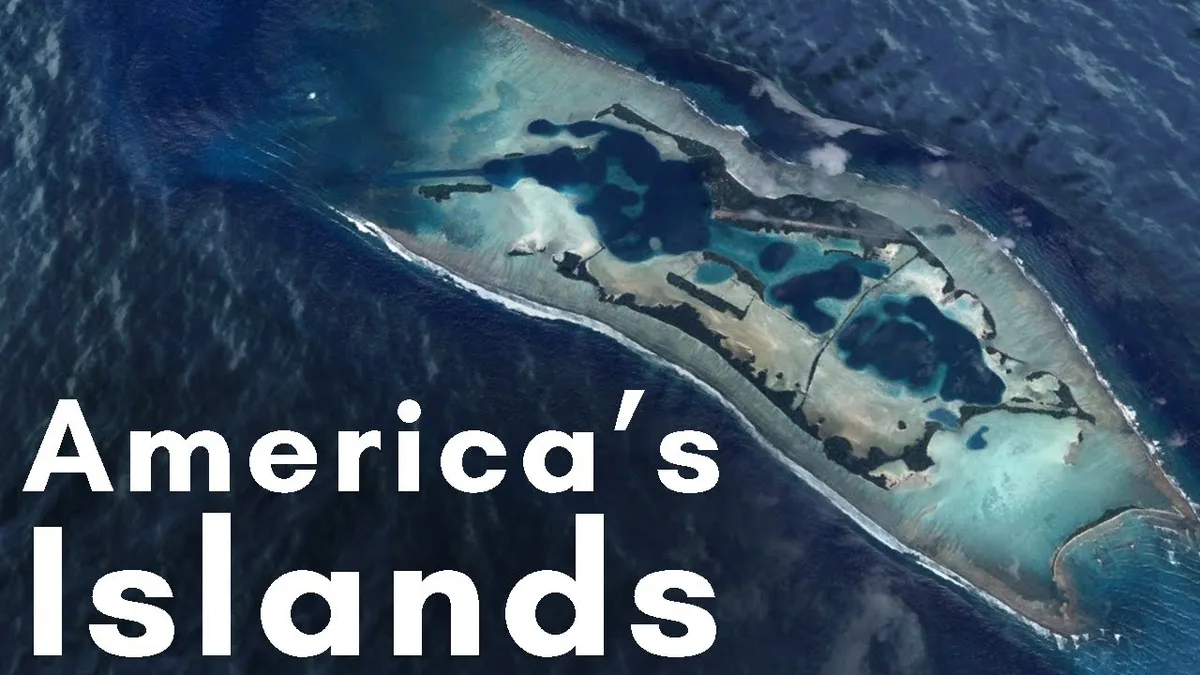
YouTube / 435American (YouTube thumbnail (fair-use with source credit))
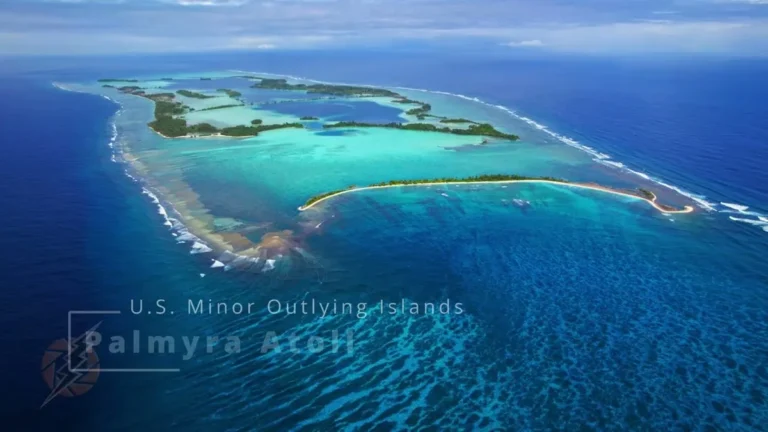
These islands include Baker, Howland, Jarvis, Johnston, Kingman Reef, Midway, Navassa, Palmyra, and Wake. Each is managed differently by agencies like the U.S. Fish and Wildlife Service or the Department of Defense.
That fragmentation means no single answer exists for plates or fees.
The Hard Truth: Most MOI Have No Civilian DMV or Plate System
There’s no DMV office on Midway Atoll or any other MOI. No public process exists for registering a car or ordering a vanity plate. The infrastructure simply doesn’t exist.
The few vehicles present are government-owned or operated by research teams. They use federal fleet plates assigned through agency channels, not state-style registration.
Which Islands Might Allow Vehicle Registration (And Which Definitely Don’t)
Wake Island is the only MOI with a semi-permanent population due to its military and contractor presence. Even there, vehicle registration is limited to authorized personnel and handled through military or federal logistics.
The rest, Baker, Howland, Jarvis, Johnston, Kingman Reef, Midway, Navassa, and Palmyra, have no civilian registration system. These islands are wildlife refuges or military installations with restricted access. Vehicles are limited to official use, and plates are federal, not personalized.
How Vehicle Registration Actually Works on Government-Managed Islands
Federal agencies manage their own fleets. The U.S. Fish and Wildlife Service oversees vehicles on Midway Atoll and Palmyra Atoll.
These vehicles use standard federal plates, not state-issued or personalized ones.
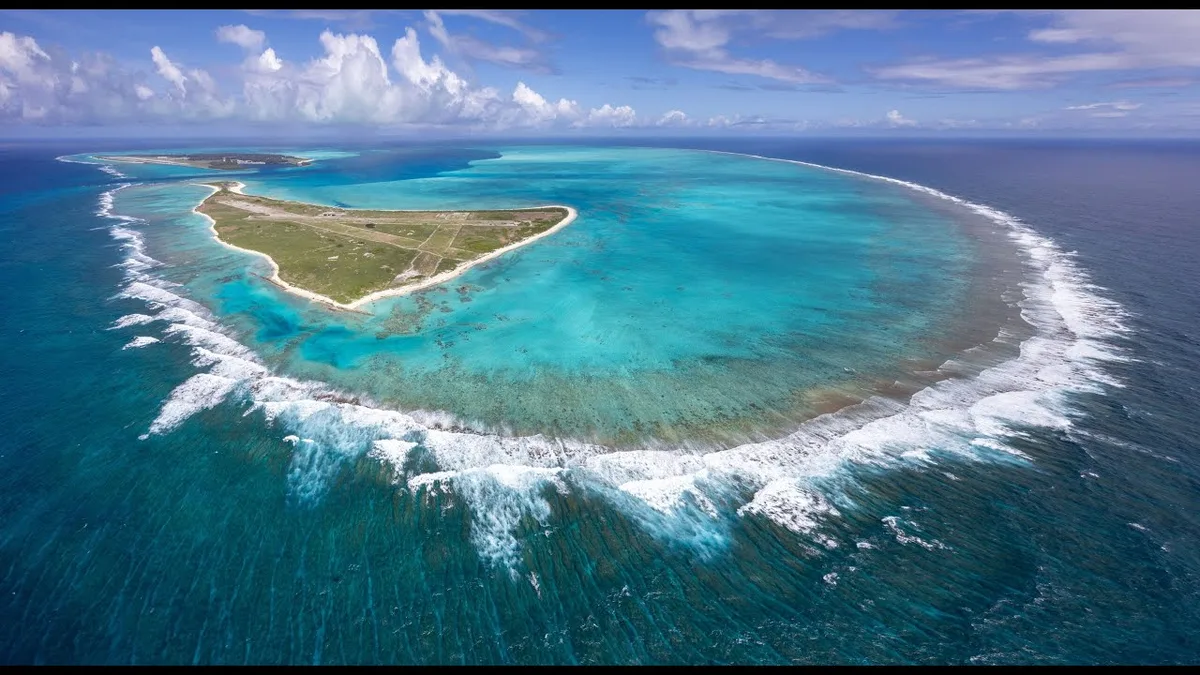
YouTube / Friends of Midway Atoll NWR (YouTube thumbnail (fair-use with source credit))
Military bases on Wake Island follow Department of Defense protocols. Registration and plates are internal matters tied to mission needs, not public requests. Personalized plates aren’t part of these systems.
The Annual Validation Fee Problem: No Published Rates, No Standard Process
Federal fleet vehicles don’t follow state fee schedules. Their registration and validation are internal, tied to budget cycles and agency policies. No public rate sheet exists for annual validation on the Minor Outlying Islands.
YouTube / FOX NASHVILLE (YouTube thumbnail (fair-use with source credit))
Personalized plates add another layer of complexity. Even in states with clear processes, vanity plates cost extra. On the MOI, where no civilian system exists, the concept doesn’t apply.
What Happens If You Try to Apply for a Personalized Plate Anyway
You’ll hit a dead end. There’s no DMV to submit to, no form to fill out, and no fee to pay. The system simply doesn’t exist for public use.
If you’re a contractor or researcher on Wake Island, you might wonder about military channels. Those are restricted to authorized personnel and mission-critical vehicles. Personalized plates aren’t part of that equation.
The Only Reliable Alternatives (And Where to Go Instead)
For U.S. citizens needing a personalized plate, the solution is straightforward. Register your vehicle in a state or territory with a functioning DMV. Puerto Rico, Guam, and the U.S.
Virgin Islands all have standard processes.
YouTube / KHON2 News (YouTube thumbnail (fair-use with source credit))
If you’re stationed on a MOI temporarily, your home state’s registration remains valid. Federal employees often retain their state plates for personal vehicles used off-base.
Legal Risks of Assuming a System Exists When It Doesn’t
Operating a vehicle without proper registration can lead to complications. On federal land, this might mean violating agency policies. On military bases, it could result in loss of access privileges.
The bigger risk is assuming you can transfer a state registration to a MOI. That’s not how it works. These islands fall under federal jurisdiction, not state or territorial law.
What to Do If You’re Stationed or Working on a MOI
Check with your commanding officer or agency liaison. They’ll confirm whether vehicle registration is required and how it’s handled. For most, the answer will be that it’s not applicable.
If you bring a personal vehicle, keep your home state registration current. There’s no need to pursue a MOI-specific plate because none exist for civilian use.
Who Actually Needs a License Plate on the Minor Outlying Islands?
Only authorized personnel assigned to these islands need vehicle registration. That includes military staff, federal employees, and approved researchers. Civilians without official business have no legal pathway to register a vehicle.
The islands lack the population density to justify a civilian licensing system. There’s no public road network on most islands, and even on Wake Island, vehicles are limited to base and support areas.
Military, Research, and Federal Vehicles: The Only Real Use Case
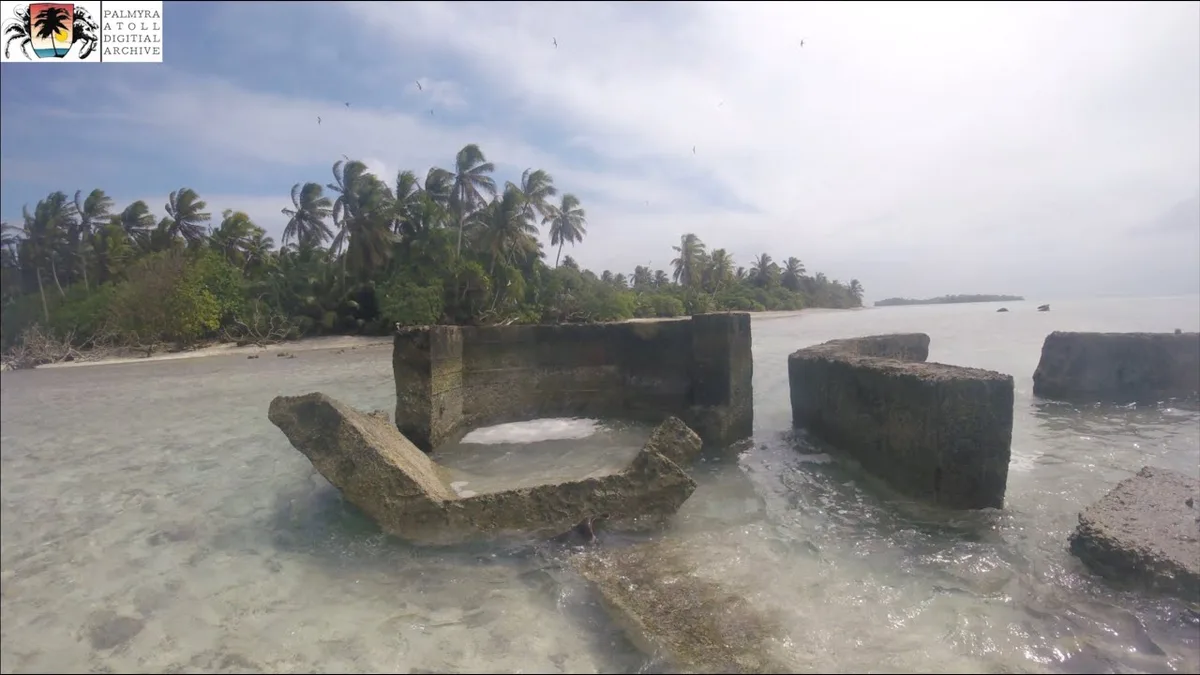
Military vehicles on Wake Island use DoD-issued plates. Research stations on Midway and Palmyra operate federal fleet vehicles managed by the U.S. Fish and Wildlife Service or private conservation partners.
YouTube / Palmyra Atoll Digital Archive (YouTube thumbnail (fair-use with source credit))
These plates are not personalized. They follow federal fleet standards, with validation handled through agency logistics rather than state-style annual fees.
How to Check If Your Island Has Any Vehicle Registration System
Start by identifying which agency manages the island. The Department of the Interior oversees most MOI through the U.S. Fish and Wildlife Service.
The Department of Defense manages Wake Island’s military operations.
Contact the island’s administrative office directly. If you’re a contractor or researcher, your employer should know the vehicle policies. For most islands, the answer will be that no civilian registration exists.
FAQs About MOI License Plates and Fees
Can I get a personalized plate on a Minor Outlying Island?
No. No civilian DMV operates on these islands, and no personalized plate system exists.
Do I need to register my vehicle if I live on Wake Island?
Only if you’re authorized to drive there. Registration follows military or federal fleet rules, not state processes.
What are the annual validation fees for MOI vehicles?
No public fee schedule exists for civilian vehicles. Federal fleet vehicles are validated through internal agency processes.
Can I use my state registration on a Minor Outlying Island?
Your home state registration remains valid for personal use. You cannot transfer it to a MOI plate system.
Are there any exceptions for private vehicles on these islands?
Private vehicles are rare and typically limited to authorized personnel. All plates are federal or military-issued.