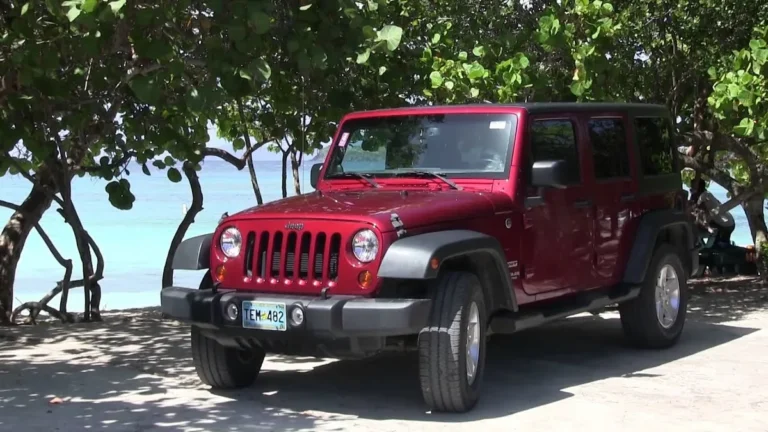
Owning a car in the US Virgin Islands requires you to pay the US Virgin Islands $130 annual registration fee for passenger cars and light trucks. This isn't optional. It is the law, and failing to pay it can lead to fines or legal trouble.
Our research shows the fee covers your right to drive legally on public roads. Skipping it risks penalties, late fees, or even vehicle impoundment. Treat this as a mandatory annual task.

Quick Answer
The US Virgin Islands $130 annual registration fee for passenger cars and light trucks is mandatory. You must pay this fee to the local Bureau of Motor Vehicles. It covers one full year of legal road use.
Renewal is required every calendar year.
Why Getting Your USVI Vehicle Registration Right Matters
Vehicle registration proves your car meets local standards. Without it, you are driving illegally. Law enforcement can issue fines for expired tags.
They may also impound your car until fees are paid.
This also keeps your insurance valid. Most policies require current registration. Driving unregistered can void coverage in an accident.
Set a reminder for your renewal date each year.
The $130 Annual Fee: Who Pays and What It Covers
The standard registration fee is $130. This applies to most passenger cars and light trucks. The fee is based on vehicle class, not value.
| Vehicle Type | Annual Fee | Notes |
|---|---|---|
| Passenger Car | $130 | Standard private use |
| Light Truck | $130 | Standard private use |
| Commercial Vehicle | Varies | Higher fees may apply |
The fee covers administrative costs for the Bureau of Motor Vehicles. It does not include local taxes or inspection fees. You are paying for the license plate and registration sticker.

How USVI Vehicle Registration Works
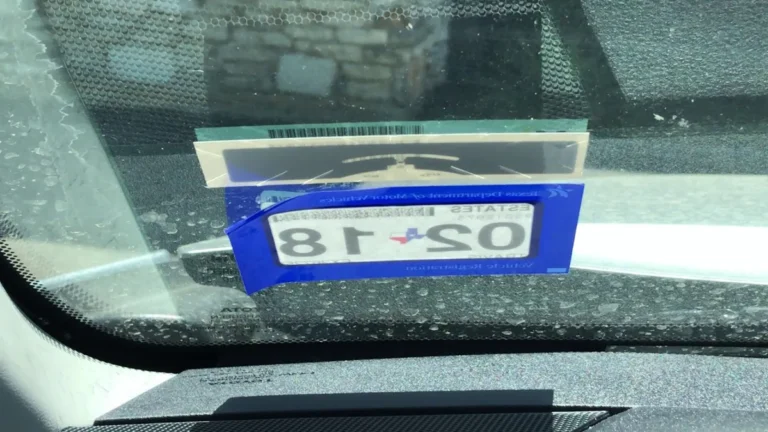
Registration operates on a calendar year cycle. Your sticker shows the expiration month and year. You must renew before the end of that month.
Driving with an expired sticker is a traffic violation.
The Bureau of Motor Vehicles handles all registrations. They issue plates and the annual decal. You must present proof of insurance when registering.
The insurance must meet local minimum liability requirements.
Step-by-Step: Registering or Renewing Your Vehicle in the USVI
Gather your documents first. You will need the vehicle title or prior registration. You also need a valid insurance card and photo ID.
| Step | Action | Details |
|---|---|---|
| 1 | Collect Documents | Title, insurance card, photo ID |
| 2 | Choose Method | Online, mail, or in-person office |
| 3 | Pay Fee | $130 plus any local taxes |
| 4 | Receive Sticker | Display on rear license plate |
| 5 | Update Records | Keep your address current |
Visit the official BMV website to check online renewal eligibility. First-time registrations usually require an in-person visit. Offices are located on St.
Thomas, St. Croix, and St. John.

Deadlines, Renewals, and Late Fee Penalties
Your registration expires at the end of the month shown on your sticker. Renew a few weeks before this date. The BMV may send a renewal notice to your last known address.
Do not rely on mail alone.
If you miss your deadline, late fees apply. These fees accumulate monthly. The longer you wait, the more you owe.
In some cases, late penalties can double your original cost.
Driving with an expired registration is illegal. You risk a citation and a fine. Your vehicle could be tagged or towed.
Driving an Unregistered Vehicle: Risks and Penalties
Operating an unregistered vehicle carries serious risks. Police can stop you for an expired tag. They will likely issue a citation on the spot.
This fine is separate from the registration fee you owe.
The consequences can escalate quickly. Repeated offenses may lead to higher fines. Your vehicle could be impounded.
Towing and storage fees will add to your costs. You may also face difficulties renewing later.
Insurance complications are another major risk. If you are in an accident with expired registration, your claim may be denied. Insurers often view unregistered vehicles as high-risk.

Common Mistakes to Avoid During Registration
Misclassifying your vehicle can lead to incorrect fees. Always verify your vehicle's official classification on the title. The BMV uses this to determine your exact fee.
Forgetting proof of insurance is the most common oversight. Some applicants also lack their original title or photo ID. Gather all documents before visiting an office or starting an online application.
Not all BMV offices accept credit cards. Some only take cash or personal checks. Call ahead or check the official website to confirm accepted payment types.
Waiting too long to renew is another frequent mistake. Late fees start accruing quickly after your expiration month. Set a reminder on your phone well before the due date.
Not updating your address can cause problems. Moving within the islands requires an address update. Failure to do so means you won't receive renewal notices.
Exemptions, Discounts, and Special Registration Categories
Not every vehicle pays the standard $130 fee. Certain categories qualify for reduced rates or exemptions.
| Category | Potential Benefit | Requirements |
|---|---|---|
| Historic Vehicles | Lower annual fee | Vehicle must be 25+ years old, used mainly for displays |
| Disabled Plate Holders | Reduced registration cost | Valid disabled parking permit from local authority |
| Military Personnel | Fee waiver or reduction | Active duty stationed in the USVI |
Historic vehicle registration requires proof of age and limited use. You typically cannot use these plates for daily commuting.
Disabled plate holders often receive substantial discounts. You must apply through the appropriate local health or transportation office first.
Military personnel stationed in the USVI may qualify for exemptions. This usually applies only to vehicles registered under military orders.
Where to Go and What to Bring: USVI BMV Offices and Required Documents
The USVI Bureau of Motor Vehicles operates offices across the main islands.
Office Locations
- St. Thomas: Main office near Charlotte Amalie
- St. Croix: Facility in Christiansted
- St. John: Limited services, check scheduling ahead
Some offices require appointments. Walk-in hours vary by location and day. Always verify current hours on the official government portal before traveling.

Required Documents Checklist
- Original certificate of title or prior registration
- Valid USVI or out-of-state photo ID
- Proof of liability insurance meeting local minimums
- Completed application form
- Payment for the $130 fee plus any local taxes
If you are registering an out-of-state vehicle, you may need a VIN verification. Some offices perform this on-site. Others require a certified inspector.
Most offices accept cash, personal checks, and major credit cards. Money orders are also widely accepted.
Comparing USVI Fees to Neighboring Territories
| Territory | Standard Passenger Car Fee | Notes |
|---|---|---|
| US Virgin Islands | $130/year | Flat rate for cars and light trucks |
| Puerto Rico | ~$150-200/year | Varies by weight and age |
| British Virgin Islands | ~$100-120/year | Different currency, similar value |
The USVI's flat $130 rate is straightforward. Unlike many US states, it does not scale with vehicle value or weight for standard passenger use.
Puerto Rico tends to have higher fees, especially for heavier vehicles. Their system incorporates weight brackets and age-based discounts. The British Virgin Islands offer slightly lower rates but use Eastern Caribbean dollars.
When to Seek Help from the BMV or a Professional
Most registrations are straightforward. Some situations require professional assistance.
Complex Title Issues
If your title has liens, errors, or is missing, do not attempt to resolve it alone. Title problems can block registration entirely. A local attorney or title company can clean up these issues.
Out-of-State Transfers with Complications
Moving to the USVI with a vehicle from another country or state can involve customs, VIN re-verification, and emissions testing. The BMV can clarify requirements, but a relocation specialist may speed up the process.
Disputes Over Fees or Classification
If the BMV classifies your vehicle differently than expected, you have the right to appeal. Gather supporting documentation like the manufacturer's specs. Consult the BMV's appeals process before hiring legal counsel.
Commercial or Fleet Registration
Registering multiple vehicles or commercial trucks involves additional paperwork. A fleet management service familiar with USVI regulations can handle bulk registrations correctly.
Quick Reference Checklist for USVI Vehicle Registration
Before You Start
Check your current registration expiration date. Gather your title, insurance card, and photo ID. Confirm your vehicle classification matches your title.
Payment and Submission
Pay the $130 fee via accepted methods. Submit online, by mail, or in person. Keep your receipt until you receive the new sticker.
After Registration
Display the new sticker on your rear plate. Update your records if you change addresses. Set a calendar reminder for next year's renewal.
Frequently Asked Questions
What happens if I lose my registration sticker?
Report the loss to the BMV immediately. They will issue a replacement for a small fee. Driving without a visible sticker is still a violation.
Can I register my vehicle online if I'm a new USVI resident?
First-time registrations typically require in-person visits. You must present your out-of-state title and pass a VIN verification. Online renewal becomes available after your initial registration.
Are there any discounts for senior citizens?
The USVI does not currently offer senior-specific registration discounts. Check with the BMV for any future program changes. Historic vehicle and disabled plate discounts remain available.
How do I update my address on my registration?
Visit a BMV office with proof of your new address. Bring your current registration and a utility bill or lease agreement. There is usually no fee for address updates.
What if my vehicle fails inspection?
You cannot register an unsafe vehicle. Fix the issues and return for a re-inspection. Some offices allow a short grace period for repairs.