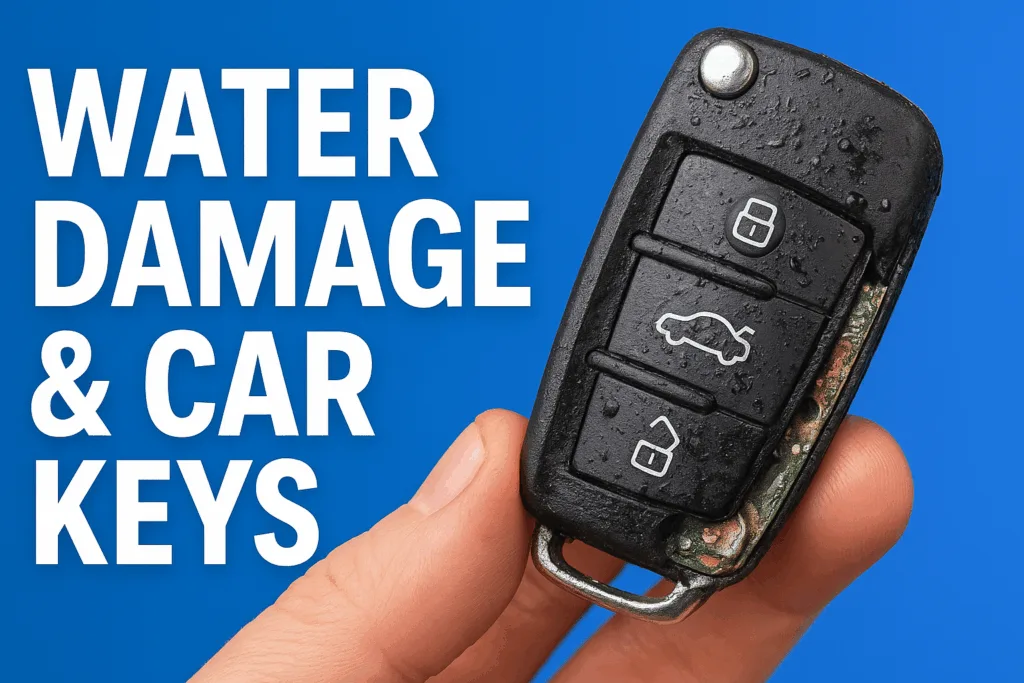
So you washed your car keys what should i do. Don’t panic, most keys can be saved if you act fast. Water damage to key fobs or traditional keys is common, but the fix depends on the type and how quickly you respond.
Manufacturer specs confirm that even water-resistant key fobs rated IP67 or IP68 aren’t designed for prolonged submersion in soapy water. The first minutes are critical.
Quick Answer
Remove the battery immediately if possible. Dry the key thoroughly with a towel. Place it in a bag of uncooked rice or silica gel for 24 to 48 hours.
Test the key before reassembling. Avoid heat sources like hairdryers or ovens.
Why Washing Your Keys Is a Big Deal (Even If They Seem Fine)
Water can seep into the tiny gaps of a key fob, corroding the battery contacts or short-circuiting the electronics. Traditional metal keys may rust if not dried properly, especially if they have a transponder chip inside.
Even if the key works right after, moisture left inside can cause delayed failure. Most key fobs aren’t fully waterproof, despite some having basic resistance. As of 2026, only a few high-end models meet IP68 standards, which means they can survive temporary immersion.
How to Tell If Your Key Is Water-Damaged
Check for condensation inside the casing or under the buttons. If the key fob doesn’t respond when pressed, or the car doesn’t recognize it, water may have affected the electronics.
A traditional key with a rusty blade or a non-responsive transponder chip is another red flag. Sometimes, the damage isn’t visible, but the key stops working intermittently.
Step-by-Step: How to Save a Washed Key Fob or Traditional Key
Immediate Actions (First 5 Minutes)
Pull the key out of the water or washing machine as soon as you realize what happened. If it’s a key fob, remove the battery if you can access it. This cuts the power and reduces the risk of a short circuit.
Shake off any excess water gently. Don’t press any buttons, as this can push water deeper into the fob.
Drying It Out Properly
Use a dry cloth to wipe down the exterior. For key fobs, place the disassembled parts (if possible) or the whole fob in a sealed bag with uncooked rice or silica gel packets. Silica gel is more effective, as it absorbs moisture faster.
Leave it for at least 24 hours. If you’re in a humid climate, extend this to 48 hours.
Cleaning Corrosion (If Needed)
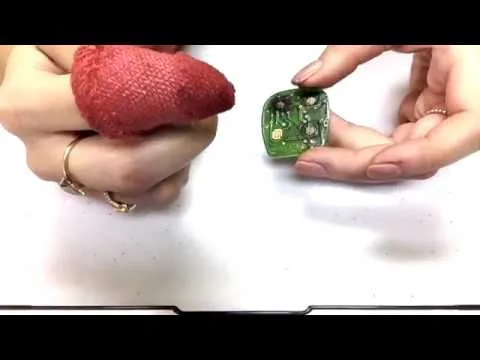
If you see white or greenish deposits on the battery contacts or circuit board, corrosion has started. Use a cotton swab dipped in isopropyl alcohol (90% or higher) to gently clean the affected areas. Let it dry completely before reassembling.
For traditional keys, use a fine abrasive like steel wool to remove rust from the blade. Apply a light machine oil afterward to prevent future rusting.
Testing and Reassembling
After drying, reassemble the key fob if you took it apart. Insert the battery and test all buttons. If the key fob doesn’t work, try re-pairing it with your car according to the owner’s manual.
For traditional keys, test the ignition and door locks. If the transponder chip isn’t recognized, you may need a locksmith to reprogram it.
What If It’s Still Not Working?
If the key fob remains unresponsive after drying, the internal circuitry may be damaged. In this case, you’ll need a replacement fob, which often requires programming by a dealership or locksmith.
For traditional keys, if the blade is bent or the transponder chip is dead, a locksmith can usually cut a new key and clone the chip.
Traditional Metal Key vs. Electronic Key Fob: Different Risks
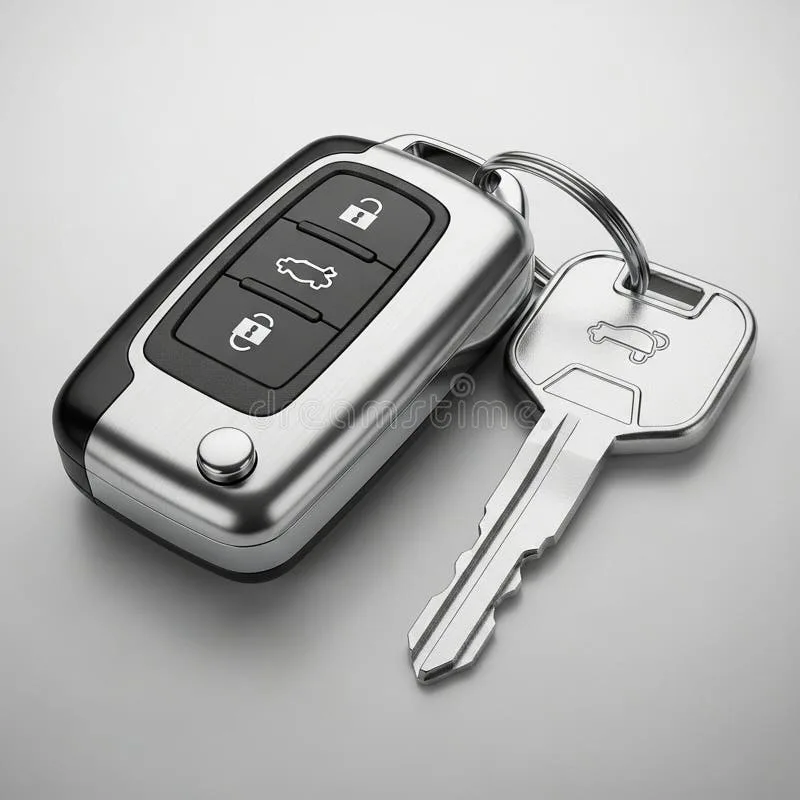
Traditional metal keys handle water better than electronic fobs. They’re solid metal with no circuits, so rust is the main concern. A quick dry and light oil usually prevents damage.
Key fobs are more vulnerable. Their plastic casings aren’t always sealed tight, and water can reach the battery or circuit board. Even a small amount of moisture can cause corrosion or short circuits over time.
When to Call a Locksmith or Dealership
If the key fob stops working after drying, a professional can diagnose the issue. Locksmiths often cost less than dealerships for reprogramming or replacing a fob.
For traditional keys, a locksmith can cut a new one and clone the transponder chip if needed. Dealerships are the only option for some high-security keys, but they charge more.
Costs You Might Face (And How to Avoid Them)
| Key Type | Replacement Cost | Programming Cost |
|---|---|---|
| Traditional key | $10–$50 | $50–$100 |
| Basic key fob | $50–$150 | $50–$150 |
| Smart key | $200–$400 | $100–$300 |
Acting fast reduces the risk of permanent damage. A $10 bag of silica gel can save you hundreds in replacement fees.
Mistakes That Make It Worse
Using heat to dry the key is a common mistake. Hairdryers, microwaves, or ovens can melt the plastic or fry the electronics.
Another error is pressing buttons while the fob is wet. This can push water deeper into the device. Always remove the battery first if possible.
How to Prevent This Next Time
Keep your keys in a designated spot away from laundry. A small hook by the door or a bowl on a shelf works well.
For extra protection, use a waterproof key fob cover. These are inexpensive and add a layer of defense against accidental washes. Some even float, so you won’t lose them in water.
Frequently Asked Questions
Can I use a hairdryer to dry my key fob faster?
No. Heat can warp the plastic or damage the internal electronics. Stick to air drying with silica gel or rice.
How long should I leave my key in rice?
24 to 48 hours is ideal. If it’s still damp after that, give it more time. Silica gel works faster than rice.
Will my car start if the key fob is wet?
Maybe, but it’s risky. Water can short-circuit the fob’s electronics. Dry it first to avoid permanent damage.
What if my key fob has a dead battery after drying?
Replace the battery with the correct type (usually CR2032). If it still doesn’t work, the fob may need reprogramming.
Can I prevent water damage with a waterproof case?
Yes. A waterproof key fob cover adds protection. Some even float, so you won’t lose them in water.
Is a locksmith cheaper than a dealership for key replacement?
Usually. Locksmiths often charge less for cutting and programming keys. Dealerships are pricier but necessary for some high-security keys.