Black Friday deals are live on Amazon · limited-time discounts, grab them before they’re gone
Grab the deals

ByMax Lee
What Temperature Can I Wash My Car? Expert Tips for a Perfect Shine
The best temperature to wash your car is usually cool to lukewarm water—about 60–90°F (16–32°C). However, water temperature is only one part of a safe, streak-free wash.
The vehicle’s surface temperature, air temperature, sunlight, wind, water hardness, soap, and drying method matter just as much. A cool hose can still leave spots on a hot hood, while a winter wash can freeze inside door seals even when the paint itself is unharmed. You can also read our guide on used car from ca arizona registration sales tax deadline.
For most home washes, aim for these conditions:
- Air temperature: About 40–85°F (4–29°C)
- Water: Cool or lukewarm, never scalding
- Paint and glass: Cool to the touch
- Location: Shade or an enclosed wash bay
- Weather: Low wind and enough time for complete drying
- Finish: A pH-balanced automotive shampoo and clean microfiber tools
Washing at the right time removes abrasive road film, salt, bird droppings, and oily grime before they can damage the finish. This guide explains the safest temperature ranges, how to wash in hot or cold weather, and how to achieve a clean shine without creating swirl marks or water spots.
The Best Water Temperature for Washing a Car
There is no single water temperature required for every make and model. For a normal hand wash, 60–90°F (16–32°C) is a practical range that is comfortable to use and effective with automotive shampoo. You can also read our guide on two bucket car wash method grit guard setup bucket order paint safe technique.
Lukewarm water can help loosen oily road film without exposing paint, glass, plastic, rubber, and adhesives to an unnecessary temperature extreme. It should feel mildly warm rather than hot when tested with your hand.
The most important rule is to avoid extremes:
| Water temperature | What to know |
|---|---|
| Very cold | Generally safe for healthy paint, but less comfortable and less effective against oily residue |
| Cool to lukewarm | Best all-purpose choice for routine washing |
| Very hot | Can make soap dry quickly and may stress hot glass, trim, or damaged finishes |
| Boiling or near-boiling | Never use on paint, windows, badges, seals, plastic, or frozen components |
In practice, a fixed number matters less than the condition of the vehicle. Water at 80°F can still spot rapidly if it lands on a hood heated by direct sunlight.
A common mistake is to judge the wash by the air temperature alone. Always check the panels, especially the hood and roof, before applying shampoo.
Water Temperature Versus Car Surface Temperature
Air temperature tells you whether water may freeze, but it does not tell you how hot the vehicle has become. Dark paint, glass, and metal can become significantly hotter than the surrounding air after sitting in the sun.
Hot panels create several problems:
- Shampoo dries before it can be rinsed.
- Minerals remain behind as water evaporates.
- Water spots form more quickly on horizontal surfaces.
- Protective products may spread unevenly.
- Hot glass is exposed to an unnecessary temperature change.
Place the back of your hand briefly on the hood or roof:
- Cool or neutral: The vehicle is generally ready to wash.
- Warm: Use shade and work in small sections.
- Hot: Move the vehicle into shade and allow it to cool before washing.
- Frozen: Do not apply water unless you can wash and dry the vehicle in a suitable heated facility.
The same caution applies to windows. Cold water on warm glass is usually not a problem for an undamaged windshield, but pouring very hot or very cold water onto glass with a chip or crack is an avoidable risk.
If you have an older vehicle with delicate trim or a deteriorating clear coat, use even less heat and friction. Cleaning is only one part of responsible older vehicle ownership, and fragile finishes benefit from gentle, controlled washing.
Can You Wash a Car in Cold Weather?
Yes, but cold-weather washing requires more planning. The primary risk is not that cold water will automatically damage automotive paint. The real problem is water freezing inside door seals, handles, locks, mirrors, wiper mechanisms, fuel-filler doors, and panel gaps.
Recommended cold-weather conditions
The safest time to wash in winter is when:
- The air temperature is safely above freezing.
- The vehicle can dry before temperatures drop again.
- Wind is light enough to prevent rapid cooling.
- You can dry seals, handles, mirrors, and door jambs immediately.
- Snow, freezing rain, and road spray are not expected immediately afterward.
Use lukewarm water if possible, but do not use boiling water to melt ice. Extreme heat can worsen a chip or crack in glass, damage seals, and create water that refreezes in a more troublesome location.
Cold-weather washing steps
- Wash during the warmest part of the day.
- Rinse away salt and loose grit before touching the paint.
- Clean one section at a time.
- Rinse thoroughly so detergent does not remain in gaps.
- Dry the paint, glass, mirrors, handles, and jambs immediately.
- Wipe around the trunk, hatch, fuel door, and rubber seals.
- Open and close each door gently after drying.
- Check that no water remains around locks or charging ports.
If temperatures are near or below 32°F (0°C), an enclosed wash bay with forced-air drying is usually safer than a driveway wash. If a winter wash is essential because the vehicle is covered in road salt, a quick rinse may still be worthwhile—but only if you can prevent water from freezing in critical areas.
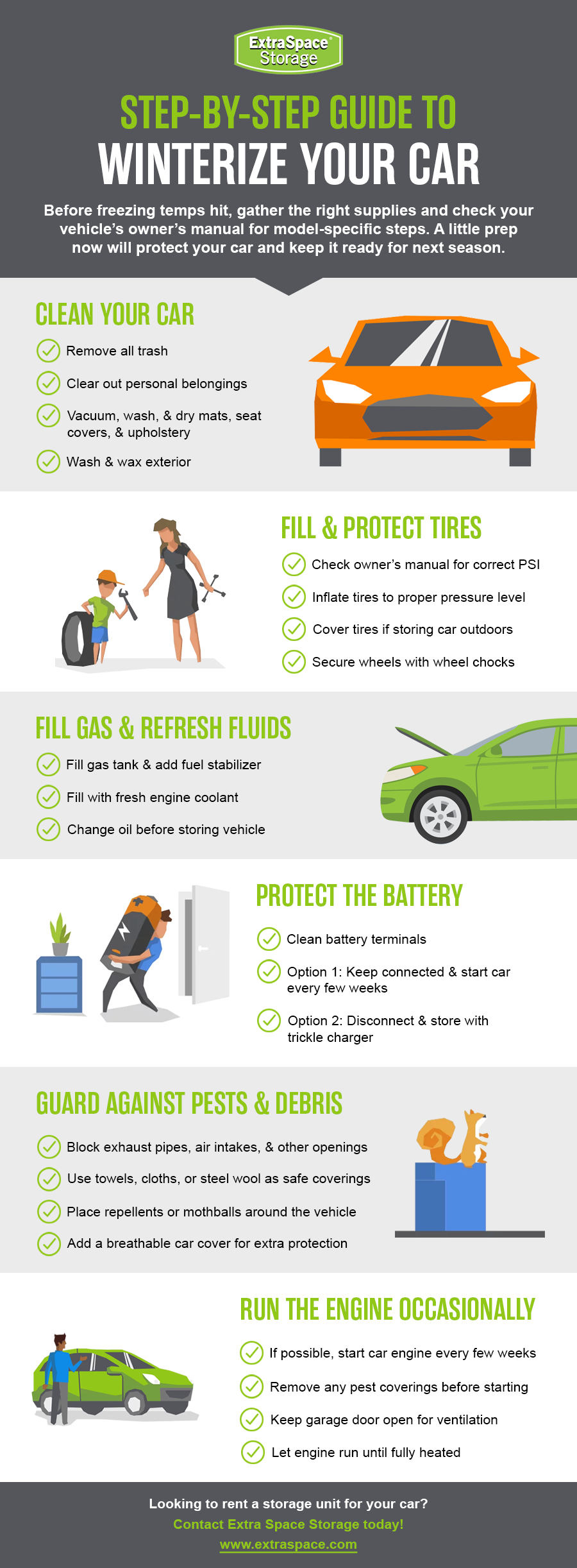
Cold-weather washing is safest when seals, handles, and door gaps are dried immediately.
Credit: www.extraspace.com
Why winter washing matters
Road salt and de-icing chemicals collect on rocker panels, wheel arches, suspension components, and the underbody. They can remain trapped in mud and road film long after the visible paint looks clean.
When conditions permit, rinse the lower body and wheel wells rather than washing only the roof and doors. Avoid directing high-pressure water at loose trim, damaged paint, electrical connectors, or sensitive underbody components.
The U.S. Environmental Protection Agency also advises care with wash-water runoff. Detergent, oil, brake dust, and road residue should not be deliberately directed into storm drains where they can reach waterways.
Can You Wash a Car in Hot Weather?
You can wash a car in hot weather, but avoid combining hot panels, direct sunlight, wind, and slow drying. Modern automotive paint is designed to withstand normal outdoor conditions, yet heat makes the wash more difficult and increases the likelihood of spotting.
On a hot surface, water and shampoo may evaporate before you can rinse them. This can leave:
- Mineral water spots
- Soap streaks
- Dried detergent residue
- Uneven wax or sealant coverage
- Residue around badges, mirrors, and trim
Better hot-weather washing practices
- Wash early in the morning or later in the afternoon.
- Park in full shade, not partial shade that moves across the vehicle.
- Let the hood, roof, and wheels cool before cleaning.
- Work on one small section at a time.
- Rinse each section before moving to the next.
- Keep the panel wet, but do not allow standing water to dry.
- Dry horizontal panels first because they retain water longer.
- Use clean, absorbent microfiber towels.
If shade is unavailable, a covered wash area is preferable. Do not wash immediately after a long drive if the hood, wheels, or brake components are still hot. Wheel cleaners can dry quickly on warm surfaces, and sudden cooling is unnecessary for hot brake components.
On very hot days, a short rinse followed by a proper wash later may be safer than trying to complete a full detail while the vehicle is baking in the sun.
Is Hot Water Bad for Car Paint?
Moderately warm water is generally safe for automotive paint. The concern is excessive heat or a sudden temperature change, not warmth by itself.
Very hot water can:
- Cause shampoo to dry before rinsing
- Increase mineral deposits as water evaporates
- Stress damaged or previously repaired glass
- Affect aged plastic trim, adhesives, or rubber components
- Worsen existing clear-coat failure
- Spread softened tar or adhesive without actually removing it
Never pour boiling water over frozen glass, frozen locks, or ice-covered bodywork. Use a proper de-icer, a soft ice scraper, or allow the vehicle to warm gradually.
Likewise, do not use hot water as a substitute for an appropriate cleaner. Tar, tree sap, and adhesive residue should be treated with an automotive-safe remover according to its label.
A pH-balanced car shampoo is a better choice than household dish detergent for routine washing. Dish soap may remove protective products more quickly, particularly when used frequently or at a strong concentration.
Is Cold Water Safe for a Car?
Cold water will not normally harm a healthy automotive finish. It may be less effective at loosening greasy road film and can make winter washing uncomfortable, but it is not inherently dangerous to paint.
If cold water is your only option:
- Rinse loose dust, sand, and grit from the surface.
- Use a dedicated automotive shampoo.
- Let the shampoo dwell briefly without allowing it to dry.
- Agitate with a clean, soft wash mitt.
- Rinse the mitt frequently.
- Rinse the vehicle thoroughly.
- Dry immediately if temperatures are low.
Do not compensate for cold water by scrubbing harder. Friction causes more paint marring than the water temperature itself. A dirty sponge or mitt can drag abrasive particles across the clear coat, especially on dark-colored vehicles.
Safe Car-Washing Temperature Guide
These ranges are practical guidelines, not strict manufacturer limits. Surface temperature, wind, shade, and drying time can make a vehicle unsafe to wash even when the air reading appears acceptable.
| Conditions | Main concern | Best approach |
|---|---|---|
| Below 32°F (0°C) | Water can freeze in seals and mechanisms | Postpone the wash or use a heated bay with forced-air drying |
| 32–40°F (0–4°C) | Water may refreeze after washing | Wash quickly, dry every gap, and avoid wind |
| 40–60°F (4–16°C) | Slow drying and cold water | Use lukewarm water and dry carefully |
| 60–85°F (16–29°C) | Generally favorable conditions | Wash in shade with cool or lukewarm water |
| 85–95°F (29–35°C) | Soap and water dry quickly | Work in small sections and rinse often |
| Above 95°F (35°C) | Rapid evaporation and spotting | Wait for shade or a cooler time of day |
| Any temperature with hot panels | Rapid drying and unnecessary thermal stress | Allow the vehicle to cool before washing |
The ideal wash is not defined by the thermometer alone. A shaded 90°F day can be easier than a sunny 70°F day, while a 40°F wash may be manageable if the vehicle can be dried completely.
A Paint-Safe Wash Process for Any Season
1. Choose the right time and location
Park in shade and away from strong wind. Avoid washing immediately after driving, particularly if the hood, wheels, or brakes are hot.
In cold weather, confirm that temperatures will remain above freezing long enough for the vehicle to dry. In hot weather, choose a time when the panels will stay shaded throughout the wash.
2. Gather clean, dedicated supplies
Use:
- A pH-balanced automotive shampoo
- A soft microfiber wash mitt
- A separate wheel brush or mitt
- Several clean drying towels
- A hose or pressure washer with a suitable spray pattern
- A drying aid or forced-air dryer if appropriate
A two-bucket wash setup helps keep contaminated rinse water separate from your shampoo solution. Rinse the mitt frequently, and never return a visibly gritty mitt to the clean-water bucket without rinsing it first.
3. Rinse from top to bottom
Begin with a gentle rinse to remove loose dust, sand, and road film. Direct water downward so contamination flows off the vehicle instead of across clean panels.
Do not aim a narrow, high-pressure stream directly at:
- Damaged paint
- Loose decals
- Weather seals
- Convertible-top seams
- Sensors and cameras
- Electrical connectors
- Wheel bearings or delicate underbody areas
4. Clean the wheels separately
Wheels and tires usually carry the heaviest concentration of brake dust, grit, and oily residue. Use separate tools for them and never use a wheel towel on painted body panels.
If the wheels are hot, let them cool before applying chemical cleaner. Follow the product label and rinse before the cleaner dries.
5. Wash from clean areas to dirty areas
Start with the roof and upper glass, then move to the upper doors, hood, trunk, and lower panels. Leave rocker panels, wheel arches, and the rear bumper until last.
Use straight, light passes instead of aggressive circular scrubbing. The goal is to lift contamination with lubrication, not grind it into the clear coat.
6. Keep shampoo from drying
In warm, sunny, or windy conditions, clean one section at a time. If suds begin to dry, rinse immediately rather than rubbing over the residue.
A small amount of shade and a faster rinse are more useful than adding excessive soap.
7. Rinse panel gaps and trim
Detergent can remain around:
- Door handles
- Badges
- Mirrors
- Grilles
- Window seals
- Fuel doors
- Trunk and hatch seams
- License plates
Flush these areas thoroughly. Residual shampoo may dry into pale streaks or attract dirt.
8. Dry before the water evaporates
Use a clean microfiber drying towel and blot or glide gently over the surface. Do not press hard or use a towel that has touched the ground.
Forced air is useful for removing water from mirrors, grilles, badges, and panel gaps. If you use compressed air, keep the nozzle at a safe distance and use only clean, dry air. A suitable air-compressor setup can help with general vehicle maintenance, but do not direct excessive pressure into seals, bearings, or electrical components.
How Temperature Affects Water Spots
Water spots form when water evaporates and leaves dissolved minerals behind. Heat and wind accelerate evaporation, but hard water can cause spots even on a cool day.
Horizontal panels such as the roof, hood, and trunk are especially vulnerable because water remains pooled on their surfaces. Glass can also show mineral deposits clearly after repeated air drying.
To reduce water spotting:
- Wash in shade.
- Rinse before shampoo dries.
- Dry the roof, hood, and trunk promptly.
- Use clean microfiber towels.
- Rinse more frequently in hot weather.
- Consider filtered or deionized water if your local supply is very hard.
- Remove fresh spots with a paint-safe water-spot cleaner.
Do not use abrasive household powders, rough towels, or aggressive polishing by hand to remove mineral deposits. If spots remain after a safe cleaner, the minerals may have etched the surface and require machine polishing or professional correction.
What About Pressure Washing?
Pressure washing can be safe when used correctly, but excessive pressure and narrow spray patterns can damage loose paint, decals, rubber seals, and fragile trim.
Use these precautions:
- Start with a wide spray pattern.
- Keep the nozzle moving.
- Maintain a reasonable working distance.
- Rinse from top to bottom.
- Avoid spraying directly into door seals and convertible seams.
- Use caution around sensors, cameras, and damaged paint.
- Do not use pressure to compensate for poor washing technique.
- Rinse the underbody carefully when removing winter salt.
Temperature still matters. Pressure washing a hot panel in direct sun can cause rapid evaporation and spotting. Washing frozen areas can force water into gaps where it later refreezes.
Mistakes That Cause More Damage Than Water Temperature
The wrong technique usually creates more paint damage than using water that is slightly too cold or warm. Avoid these common errors:
- Washing with a dirty household sponge
- Using one bucket for the entire vehicle
- Scrubbing dry dust from the paint
- Using dish soap for every wash
- Letting shampoo dry in sunlight
- Using the same towel on wheels and paint
- Reusing a towel after it falls on the ground
- Drying with a rough bath towel
- Washing hot panels and allowing rinse water to evaporate
- Ignoring door seals and handles in winter
- Spraying high pressure directly at damaged trim
- Cleaning the dirtiest panels first
The goal is to remove contamination with as little friction as possible. Clean tools, adequate lubrication, frequent rinsing, and controlled drying matter more than chasing an exact water temperature.
When Should You Skip a Driveway Wash?
Postpone the wash or use a professional facility when:
- The temperature is below freezing.
- Freezing conditions are expected before the car can dry.
- The paint or glass is hot to the touch.
- Strong wind is blowing dust onto the vehicle.
- Snow or freezing rain is falling.
- You cannot dry the seals, handles, mirrors, and panel gaps.
- The vehicle has heavily contaminated or damaged paint.
- The wheels or brakes are too hot to clean safely.
If the car is covered in road salt, removing it when conditions permit is more important than waiting for a perfect warm day. A careful rinse can reduce the residue, but do not wash if the rinse water will immediately freeze in doors, locks, or other mechanisms.
Winter maintenance should also include checking vulnerable underbody areas after washing. For example, a clean underside makes it easier to inspect exhaust components and other parts discussed in this underbody protection guide.

Gentle microfiber drying removes water before minerals can form spots.
Credit: www.reddit.com
Frequently Asked Questions
What is the best temperature to wash a car?
For most hand washes, use cool to lukewarm water around 60–90°F (16–32°C). More important than the exact temperature is keeping the panels cool, washing in shade, and preventing shampoo or rinse water from drying.
Can I wash my car below 40°F?
Yes, if the temperature is safely above freezing and you can dry the entire vehicle immediately. Pay particular attention to door seals, handles, locks, mirrors, fuel doors, and hatch or trunk gaps.
Can I wash my car when it is 100°F outside?
It is better to wait for shade or a cooler time of day. If you must wash, allow hot panels to cool, work on one small section at a time, rinse frequently, and dry before water evaporates.
Is warm water better than cold water?
Warm water can loosen oily grime more easily and is more comfortable to use, but cold water is not inherently unsafe for healthy paint. Avoid extremes and use a quality automotive shampoo.
Can hot water crack a car windshield?
Very hot water poured onto cold or damaged glass can cause thermal stress and may worsen an existing chip or crack. Use a proper de-icer or scraper instead of pouring hot water over frozen glass.
Should I wash my car in direct sunlight?
Avoid it whenever possible. Sunlight heats the panels and makes water and shampoo evaporate quickly, increasing the risk of streaks and mineral spots.
Does washing a car remove wax?
A pH-balanced car shampoo should not remove a properly applied durable protectant during one normal wash. Strong detergents, repeated degreasing, and abrasive cleaning can reduce protection more quickly.
What should I do after washing in winter?
Dry the paint, glass, mirrors, handles, door jambs, trunk seals, fuel-filler area, and charging-port area if applicable. Open each door briefly to make sure water has not collected where it can freeze.
Conclusion
The best temperature to wash your car is not one exact number. In most situations, use cool or lukewarm water, keep the panels cool, wash in shade, and avoid freezing conditions.
For the cleanest finish:
- Choose a suitable time and location.
- Rinse away loose grit.
- Use clean tools and automotive shampoo.
- Wash from the top down.
- Prevent soap from drying.
- Dry the paint and every important gap immediately.
Before your next wash, touch the hood and roof. If they are cool, the weather is above freezing, and you have enough time to dry the vehicle completely, you have likely chosen the right conditions for a safer wash and a better shine.








