Black Friday deals are live on Amazon · limited-time discounts, grab them before they’re gone
Grab the deals

ByMax Lee
Will Car Wash Damage Paint? Truths Every Car Owner Must Know
A car wash does not automatically damage your paint. The real risk comes from friction, trapped grit, unsuitable chemicals, excessive pressure, and poor drying technique. A well-maintained touchless wash may be safer than a rushed hand wash, while a dirty brush or reused towel can leave fine scratches in minutes.
Your vehicle’s visible finish is usually a clear coat over the colored base coat. That clear coat provides gloss and some protection from ultraviolet light, road salt, bird droppings, tree sap, and moisture. Once it becomes heavily scratched, etched, or worn, restoring the finish can require machine polishing or repainting. For more on this, see our guide on new hampshire move over law what drivers must.
This guide explains which wash methods are safest, how damage happens, and what to do before, during, and after washing.
The Short Answer: Can a Car Wash Damage Paint?
Yes, a car wash can damage paint—but the method and condition of the equipment matter more than the fact that the vehicle is being washed. For more on this, see our guide on oklahoma antique car registration guide for 25 year.
The most common damage includes:
- Swirl marks: Fine, circular-looking scratches caused by dirty wash media or improper wiping.
- Straight-line scratches: Often caused by grit dragged across the surface.
- Water spots: Mineral deposits left behind when hard water evaporates.
- Chemical staining: Etching or discoloration caused by contaminants or overly aggressive cleaners.
- Clear-coat dulling: Loss of gloss from repeated abrasion, harsh chemicals, or neglected paint.
- Paint chips: Usually caused by road debris rather than washing, although high-pressure water can worsen loose or damaged areas.
In practice, friction is the greatest concern. Water and soap generally do not scratch paint by themselves. Problems arise when dirt is rubbed across the surface or when wash materials are contaminated with sand and road film.
How Different Car Washes Affect Paint
Touchless automatic washes
Touchless systems use detergent and high-pressure water rather than brushes or cloth curtains. Because nothing physically rubs the paint, they greatly reduce the risk of swirl marks from contaminated wash media.
However, touchless washing has trade-offs:
- Stronger detergents may be used to compensate for the lack of scrubbing.
- Dried-on bugs, tar, and heavy road film may remain.
- High pressure can expose loose trim, peeling clear coat, stone chips, or failed paint repairs.
- Water may still leave mineral spots if the final rinse is not properly filtered or the vehicle is not dried.
Touchless is often a sensible choice for a neglected or delicate finish, but it is not completely risk-free. If the car is heavily soiled, rinse it thoroughly before any hand contact.
Automatic brushes and rotating-brush washes
Older brush-style systems are among the riskiest options for a well-maintained finish. Their brushes can collect grit from many vehicles and transfer it to the next car. Even newer equipment can cause marring if the wash material is poorly maintained or if the car enters with heavy mud and sand.
Look for a facility that:
- Regularly replaces or cleans its wash materials.
- Uses soft cloth or foam rather than visibly stiff bristles.
- Provides a strong pre-rinse.
- Keeps brushes and equipment free of accumulated road grit.
- Does not drag a dry or visibly dirty vehicle through the wash.
A brush wash may be convenient and adequate for a daily driver, especially when protecting perfect paint is not your priority. Frequent use, however, can gradually create a hazy appearance that is most visible on black, dark blue, and other glossy colors.
Automatic cloth or soft-touch washes
Soft-touch systems use fabric strips or foam components that contact the vehicle. They are usually gentler than old hard-bristle brushes, but they still involve friction. The quality of the maintenance program matters more than the label “soft.”
A clean soft-touch system can work well for routine cleaning. A poorly maintained one can still spread grit and create fine scratches. Inspect the equipment when possible: stained, heavily soiled, or visibly damaged wash material is a warning sign.
Professional hand washes
Hand washing offers the greatest control, but “hand wash” does not automatically mean “paint-safe.” A careless operator can use one bucket, one dirty sponge, and one towel for the entire vehicle.
Before choosing a hand-wash service, check whether it:
- Separates wheel-cleaning tools from paint-cleaning tools.
- Uses clean microfiber towels and wash mitts.
- Rinses vehicles before touching them.
- Works from the top down.
- Uses separate towels for glass, wheels, paint, and exhaust areas.
- Dries rather than scrubs the surface aggressively.
For delicate finishes, ask specifically about the wash process instead of relying on the sign outside.

Fine swirl marks become especially visible when light reflects across dark, glossy paint.
Credit: cleanerquickercarwash.com
Why Dirt and Grit Cause Scratches
Road film contains more than loose dust. It may include sand, brake dust, metal particles, salt, oily residue, and hardened mud. When a mitt, brush, or towel moves over that contamination, the particles can act like abrasive material.
The safest process removes as much loose contamination as possible before contact washing.
Use a thorough pre-rinse
Rinse the vehicle from the roof downward, allowing dirty water to run off lower panels. Pay special attention to:
- Wheel arches and rocker panels
- Lower doors and bumpers
- Behind license plates
- The area behind the rear wheels
- Grilles and air intakes
- Crevices around mirrors and trim
A pressure washer can help, but keep the nozzle at a sensible distance and avoid directing high pressure at damaged paint, loose badges, seals, or stone chips. The goal is to release contamination—not force water into every seam.
Wash from clean areas to dirty areas
Start with the roof, windows, hood, and upper doors. Finish with the lower doors, bumpers, wheels, and wheel arches. Do not use the same mitt or brush on wheels and painted panels; brake dust can be extremely abrasive.
If the wash mitt touches the ground, replace or thoroughly clean it before continuing. A common mistake is dropping a towel, shaking off the visible dirt, and putting it back on the paint.
The Safest DIY Paint-Washing Process
A careful home wash can be very paint-safe when the tools are clean and the vehicle is kept cool.
1. Choose the right conditions
Wash in shade or during a cool part of the day. Avoid washing a hot panel, because soap and water can dry before you rinse them. Do not wash immediately after driving if the hood, brakes, or wheels are still hot.
Keep the vehicle out of strong wind when possible. Wind can blow sand and dust onto freshly cleaned panels.
2. Gather dedicated supplies
Use:
- Automotive shampoo formulated for exterior paint
- A clean microfiber wash mitt
- Separate wheel and tire brushes
- Multiple drying towels
- A hose or pressure washer with an appropriate nozzle
- Two buckets if hand washing
- A grit guard or similar way to keep dirt below the mitt
The two-bucket wash setup is useful because one bucket holds shampoo solution while the other is used to rinse the dirty mitt.
3. Rinse before touching the paint
Remove loose dust and grit first. Do not start scrubbing a dry, dusty vehicle simply because it looks faster. That is one of the easiest ways to create avoidable marring.
4. Use light pressure
Let the shampoo and mitt do the work. Move in straight, overlapping passes rather than pressing hard or repeatedly rubbing one spot. If contamination does not release easily, rinse again or use a product designed for that contaminant instead of applying more force.
5. Rinse panel by panel
Do not allow soap to dry on the surface. Work in manageable sections and rinse each section before moving on, especially in warm weather.
6. Dry without dragging contamination
Use a clean, absorbent microfiber drying towel. Lay it flat and gently pull it across the panel, or blot the surface. Avoid old bath towels, rough household cloths, and towels that have been washed with fabric softener.
An air blower can help remove water from mirrors, grilles, emblems, and trim without rubbing those areas. If you use compressed air, make sure the air supply and nozzle are clean; a suitable air setup for vehicle drying should not blow oil or moisture onto the finish.
Which Cleaning Products Are Safe?
Use products designed for automotive exterior surfaces. A quality car shampoo is formulated to loosen road film while providing lubrication between the mitt and the paint.
Avoid using:
- Dishwashing liquid as a regular car shampoo
- Household bleach
- Ammonia-based glass cleaner on painted surfaces
- Scouring powders
- Degreasers not approved for vehicle paint
- Abrasive kitchen sponges
- Dirty cotton rags
- Solvent products on unknown surfaces
The issue with household cleaners is not that every use will instantly remove paint. The concern is that they may be too aggressive for repeated use, degrade wax or sealants, stain trim, or leave the surface poorly lubricated during washing.
Follow the label for concentrated products. More soap is not necessarily safer; excess product can leave residue and make rinsing harder.
Water Spots, Hard Water, and Drying Damage
Water spots form when droplets evaporate and leave minerals behind. Light deposits may wash away during the next cleaning, but repeated deposits can bond to the surface or etch the clear coat.
To reduce spotting:
- Wash out of direct sun.
- Rinse thoroughly.
- Use filtered or deionized water when available.
- Dry promptly with a clean towel.
- Do not let sprinkler water dry on the vehicle.
- Treat hard-water marks with a product made for automotive paint.
Do not aggressively polish fresh water spots without first identifying the cause. If the marks are etched into the clear coat, polishing may be needed; if they are mineral deposits on top of the finish, a suitable chemical treatment may remove them more safely.
Special Cases: Matte Paint, Ceramic Coatings, and Paint Protection Film
Not every finish should be treated like conventional gloss paint.
Matte and satin paint
Matte and satin finishes are designed to diffuse light rather than reflect it sharply. Polishing, rubbing, or using a gloss-enhancing wax can permanently create uneven shiny patches.
Use only products approved for the specific finish, avoid automatic friction washes when the manufacturer recommends against them, and never spot-polish matte paint. Guidance for a delicate matte vehicle finish can help illustrate why product compatibility matters.
Ceramic coatings
A ceramic coating does not make paint scratch-proof. It can make contamination easier to remove and may improve water behavior, but dirty wash media can still mar the coating and the paint beneath it.
Use a coating-compatible shampoo and avoid abrasive brushes. If water no longer beads as it once did, that does not automatically mean the coating has failed; contamination, maintenance products, and surface buildup can change water behavior.
Paint protection film
Paint protection film can protect vulnerable panels from stone chips and light abrasion, but its exposed surface still needs careful washing. Avoid lifting film edges with concentrated high pressure and follow the film manufacturer’s cleaning instructions.
Will Pressure Washing Damage Paint?
Pressure washing is usually safe when used correctly. It becomes risky when the nozzle is held too close, the pressure is excessive, or the paint is already compromised.
Keep these precautions in mind:
- Use a broad spray pattern for general rinsing.
- Maintain distance rather than forcing the nozzle against the panel.
- Avoid spraying directly into peeling clear coat or loose edges.
- Do not aim at damaged film, decals, weather seals, or loose trim.
- Use extra care around stone chips and repaired areas.
- Never use a pressure washer to replace the pre-rinse-and-lubrication process.
High pressure can remove loose contamination, but it cannot make a dirty brush or towel safe. Pressure washing and careful contact washing solve different parts of the cleaning process.
How Often Should You Wash a Car?
There is no universal schedule. Wash when contamination has accumulated, and wash sooner after exposure to substances that can etch paint.
Clean the vehicle promptly after:
- Bird droppings
- Insects
- Tree sap
- Road salt or de-icing residue
- Mud
- Industrial fallout
- Sprinkler overspray
- Construction dust
A lightly driven, garaged car may need less frequent cleaning than a vehicle parked outdoors near trees or driven on salted winter roads. Waiting too long allows contaminants to harden, which increases the pressure and rubbing needed to remove them.
The best routine is a gentle wash before the vehicle becomes heavily soiled, followed by quick spot removal when necessary.
Wax, Sealants, and Coatings After Washing
Paint protection products can make cleaning easier, but none eliminates the need for safe washing.
- Wax provides a temporary sacrificial layer and a warm gloss. Its durability varies by product and conditions.
- Synthetic sealants generally last longer than traditional waxes when properly applied.
- Ceramic coatings can improve chemical resistance and ease of maintenance, but they are not immune to scratches or water spotting.
- Paint protection film offers the strongest defense against many stone-chip impacts on covered panels.
Apply protection only to clean, dry paint and follow the product instructions. Do not apply a conventional polishing compound to matte paint or textured factory finishes unless the manufacturer specifically allows it.
For more information about professional car-wash practices and equipment standards, the International Carwash Association provides industry-focused guidance and resources.

Gentle hand washing is safest when the mitt is clean and the vehicle has been thoroughly rinsed.
Credit: www.reddit.com
Common Myths About Car Wash Paint Damage
“Every automatic wash ruins paint.”
Not every automatic wash causes visible damage. A clean, well-maintained system may be suitable for routine cleaning. The risk increases with dirty equipment, aggressive contact, repeated use, and a vehicle that arrives covered in abrasive grit.
“Touchless washes cannot damage a finish.”
Touchless systems avoid contact scratches, but strong chemicals, mineral-rich water, and high pressure can still create problems. They may also leave stubborn contamination behind.
“Hand washing is always safer.”
Hand washing is safer only when the operator uses clean tools, adequate lubrication, proper rinsing, and separate equipment for wheels. Poor technique can be more damaging than a carefully maintained automatic wash.
“Wax prevents scratches.”
Wax can provide some sacrificial protection and lubrication, but it cannot stop a contaminated towel or brush from scratching paint. Prevention still depends on removing grit before contact.
“A pressure washer removes all the dirt safely.”
Pressure washing helps with loose contamination, but bonded contaminants often require appropriate chemical treatment or controlled contact washing. High pressure is not a substitute for technique.

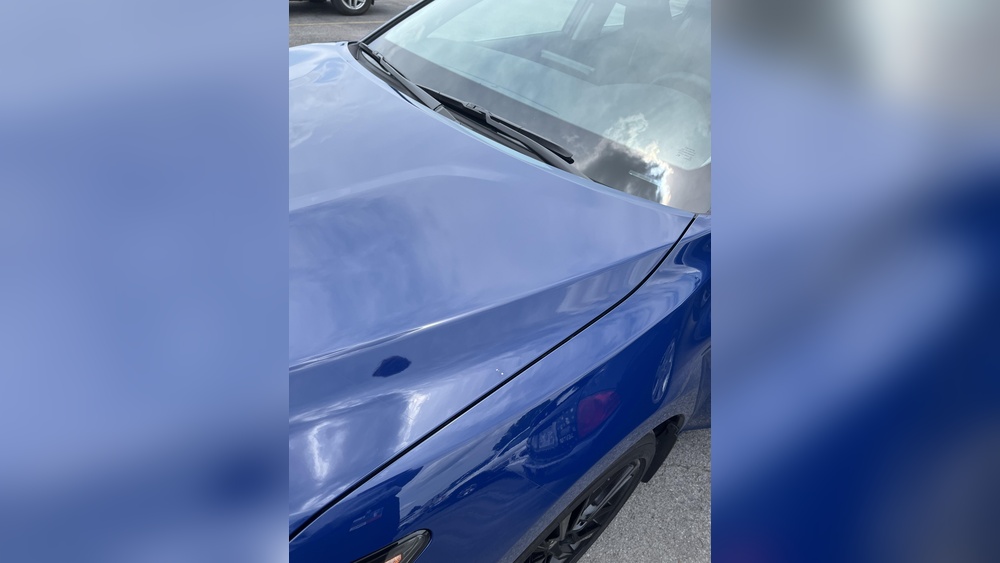
Reflected light makes fine washing marks easier to spot on a dark painted panel.
Credit: www.reddit.com
What to Do If Your Paint Already Looks Scratched
First, wash and dry the vehicle properly so you can distinguish dirt from actual damage. Inspect the surface in bright, indirect light rather than judging it under a wet layer of soap.
Then:
- Check whether the mark is above the paint, such as sap or transferred rubber.
- Run a clean fingernail lightly across the scratch. If it catches, the damage may extend deeper than a simple surface mark.
- Do not aggressively compound the area without knowing the paint thickness or finish type.
- Use a professional detailer for widespread swirls, deep scratches, peeling clear coat, or matte paint.
- Repair exposed chips promptly to reduce the chance of corrosion beneath the surrounding finish.
Light clear-coat marring can often be reduced through machine polishing, but polishing removes a small amount of clear coat. It should not be treated as a routine substitute for better washing habits.
Frequently Asked Questions
Is a car wash safe for a new vehicle?
Usually, yes, provided the wash uses suitable equipment and the vehicle has no loose trim, damaged paint, or fresh repairs. Check the vehicle manufacturer’s instructions if the car has matte paint, special coatings, decals, or paint protection film.
Is touchless better than hand washing?
Touchless is often better for avoiding friction-related swirl marks, while hand washing can clean more thoroughly when performed correctly. The safer choice depends on the vehicle’s soil level, finish, and the quality of the process.
Can car wash soap remove clear coat?
A normal, properly diluted automotive shampoo should not remove a healthy clear coat. Repeated exposure to unsuitable chemicals, strong degreasers, abrasive washing, and neglect can dull or degrade the finish over time.
Should I wash my car after rain?
Rain itself does not clean a vehicle reliably. It can leave behind minerals and airborne contaminants. If the car is dirty after rainfall, rinse or wash it once conditions are suitable rather than allowing the water spots to dry repeatedly.
How can I prevent swirl marks?
Pre-rinse thoroughly, use clean microfiber wash media, separate wheel tools from paint tools, wash from top to bottom, rinse the mitt frequently, and dry with clean towels. Never use a towel that has touched the ground.
Can washing remove existing scratches?
Washing removes dirt that may make scratches look worse, but it does not repair scratches. Very light surface marring may be reduced by polishing; deeper damage requires professional correction or paint repair.
Is it safe to wash a car with ceramic coating?
Yes. Use a coating-safe shampoo, avoid abrasive brushes, and dry the vehicle carefully. A ceramic coating improves resistance and maintenance but does not make the surface scratch-proof.
Final Verdict
A car wash can damage paint, but washing the vehicle is still essential. The greatest risk comes from dragging grit across the surface, using contaminated tools, applying harsh chemicals, or allowing mineral deposits and corrosive contaminants to remain.
For the lowest practical risk, choose a well-maintained touchless wash for heavily soiled or delicate vehicles, or use a careful two-bucket hand wash with clean microfiber tools. Rinse before contact, work from top to bottom, dry promptly, and treat matte finishes, coatings, and damaged paint according to their specific requirements.
Use a clean, low-friction process at your next wash to remove contamination without trading a cleaner car for avoidable swirl marks.








