Louisiana vehicle license tax is generally calculated at 0.1% of the vehicle’s value, subject to minimum and maximum fees. This means your tax bill starts with a simple percentage of your car’s assessed worth, but parish rules add minimum and maximum caps that can change what you owe.
As of 2026, the Louisiana Office of Motor Vehicles uses this structure to fund road projects and vehicle services. The exact amount depends on where you register and how much your car is worth.
Quick Answer
Louisiana vehicle license tax is generally calculated at 0.1% of the vehicle’s value. Minimum fees apply to lower-value cars. Maximum fees cap the tax for high-value vehicles.
Parish rules set these limits.
How Louisiana’s Vehicle License Tax Actually Works
The tax is an ad valorem fee, meaning it’s based on your vehicle’s value. The Louisiana Department of Revenue defines this as a percentage of the assessed worth. Your parish then applies its own minimum and maximum thresholds.
This isn’t the same as sales tax or registration fees. Those are separate charges you’ll pay when buying or renewing your plates. The license tax is specifically tied to your car’s value each year.
The Quick Answer: 0.1% of Your Car’s Value (With Limits)
The base rate is straightforward: 0.1% of your vehicle’s assessed value. If your car is worth $20,000, the raw tax would be $20. But that’s before minimum and maximum fees kick in.
Most parishes set a floor, so even a $500 beater won’t pay less than a set amount. They also cap the tax, so a $200,000 luxury car won’t pay more than the parish maximum.
What Counts as Your Vehicle’s “Value” for Tax Purposes
The Louisiana Office of Motor Vehicles determines your car’s value using standard assessment methods. They typically use the National Automobile Dealers Association (NADA) guide or a similar resource.
This value isn’t what you paid for the car or what it’s worth today on the private market. It’s a standardized figure that ensures fairness across all vehicles. If you disagree with the assessment, you can appeal it with your parish tax assessor.
How the Minimum and Maximum Fees Change the Math
Minimum fees ensure that even low-value vehicles contribute a baseline amount. For example, if your parish sets a $10 minimum, a $1,000 car would owe $10, not $1.
Maximum fees protect owners of high-value vehicles from excessive taxes. If your parish caps the tax at $100, a $200,000 car would owe $100, not $200. These limits vary by parish, so check with your local Office of Motor Vehicles for exact numbers.
For official details, refer to the Louisiana Department of Revenue.
Parish-by-Parish Differences You Need to Know
Louisiana’s 64 parishes don’t all use the same minimum and maximum fees. Some set higher floors for older cars. Others cap taxes lower for luxury vehicles.
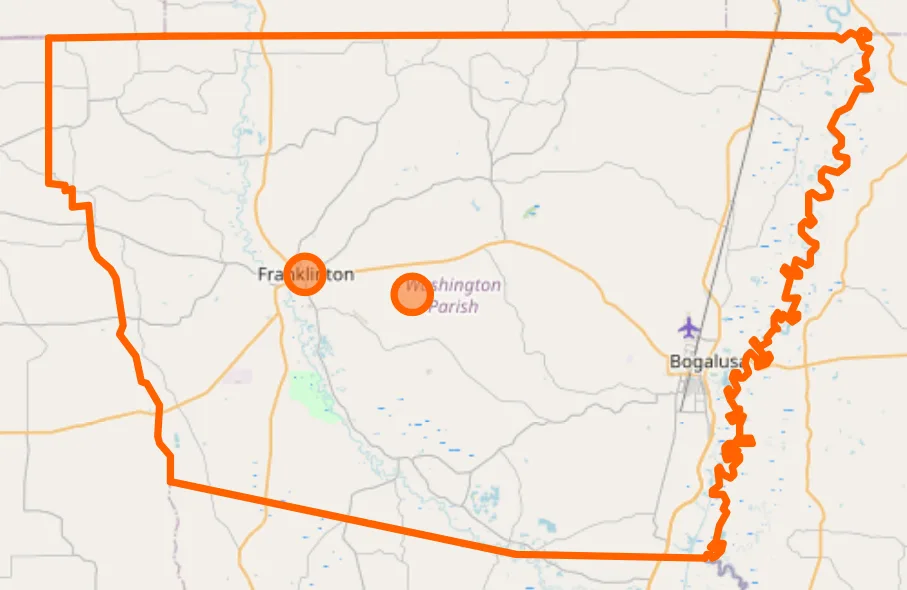
Orleans Parish often has higher minimums than rural areas. Jefferson Parish may cap taxes differently than East Baton Rouge. Always confirm with your local OMV office.
Step-by-Step: Calculating Your Exact License Tax
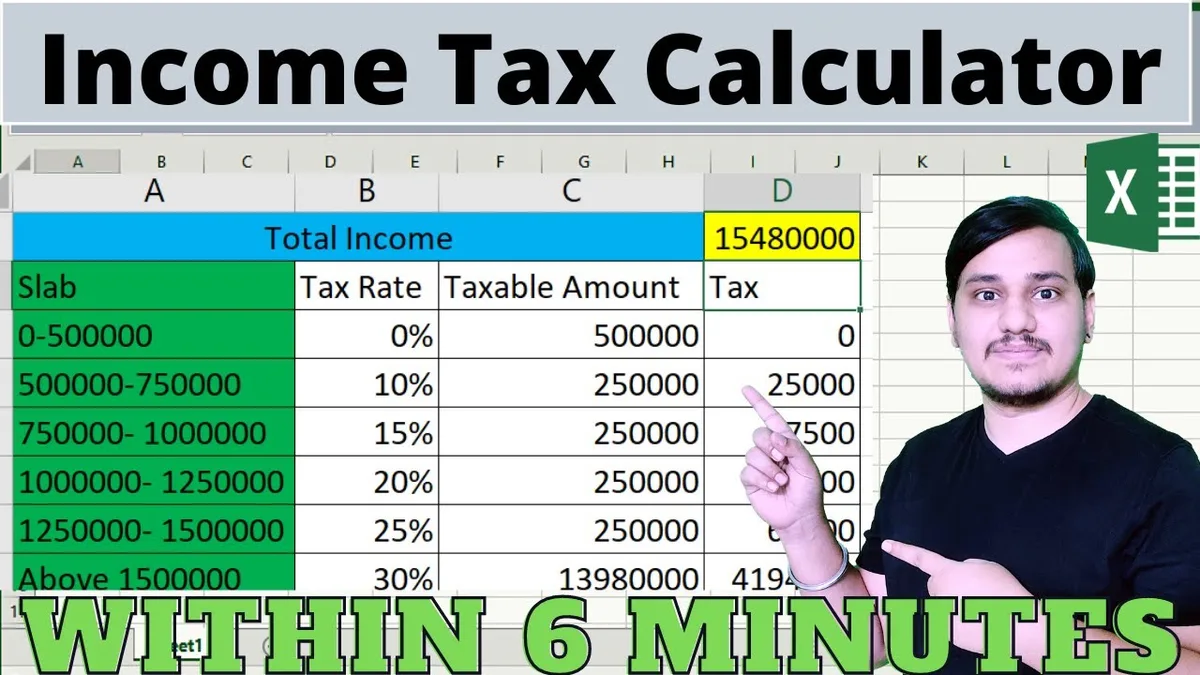
First, find your vehicle’s assessed value from the OMV. Multiply that by 0.001 to get the base tax. Then apply your parish’s minimum and maximum rules.
For example, a $15,000 car in a parish with a $10 minimum and $100 maximum would owe $15. If the same car were in a parish with a $25 minimum, you’d pay $25 instead.
Common Mistakes That Cost Louisiana Drivers Extra
Assuming the 0.1% rate is the final amount is a frequent error. Forgetting parish minimums can lead to underpayment. Overlooking maximum caps might make you overpay.
Another mistake is using private market value instead of the OMV’s assessed value. These can differ significantly, especially for older or modified vehicles.
Louisiana License Tax vs. Registration Fees vs. Sales Tax
License tax is annual and based on value. Registration fees are flat rates for plates and stickers. Sales tax is a one-time charge when you buy the car.
License tax funds road projects. Registration fees cover administrative costs. Sales tax goes to the state’s general fund.
What Happens If You Underpay (or Overpay)
Underpaying can result in late fees or registration holds. The OMV will notify you of any shortfall. You’ll need to pay the difference plus penalties.
Overpaying is less common but possible. If you catch it quickly, the OMV can issue a refund. Keep your receipts and double-check the math.
Where to Find the Official Numbers for Your Parish
Your parish tax assessor’s office has the most current rates. The Louisiana Office of Motor Vehicles website lists contact details for each location. You can also call or visit in person for confirmation.
Some parishes publish their fee schedules online. Others require you to request the information directly. Always verify before paying to avoid surprises.
FAQs About Louisiana’s Vehicle License Tax
Is the license tax the same as property tax on my car?
No. License tax is a separate fee for vehicle registration. Property tax applies to real estate, not vehicles in Louisiana.
How often do I pay the license tax?
You pay it annually when renewing your vehicle registration. The amount may change if your car’s assessed value updates.
Can I deduct the license tax on my state taxes?
Louisiana doesn’t allow deductions for vehicle license taxes. Check with a tax professional for federal implications.
What if my car’s value drops significantly?
The OMV reassesses values periodically. If your car’s worth decreases, your tax may adjust at the next renewal.
Do electric vehicles get a discount?
Some parishes offer incentives for EVs. Check with your local OMV for current programs.