Kentucky vehicle insurance requirements catch a lot of drivers off guard, especially folks moving from neighboring states. The state runs a no-fault system with mandatory personal injury protection, and skipping coverage can get your license yanked fast.
Per the Kentucky Motor Vehicle Reparations Act (KRS 304.39), every registered car must carry at least 25/50/10 liability limits as of 2026. That means $25,000 bodily injury per person, $50,000 per crash, and $10,000 property damage.
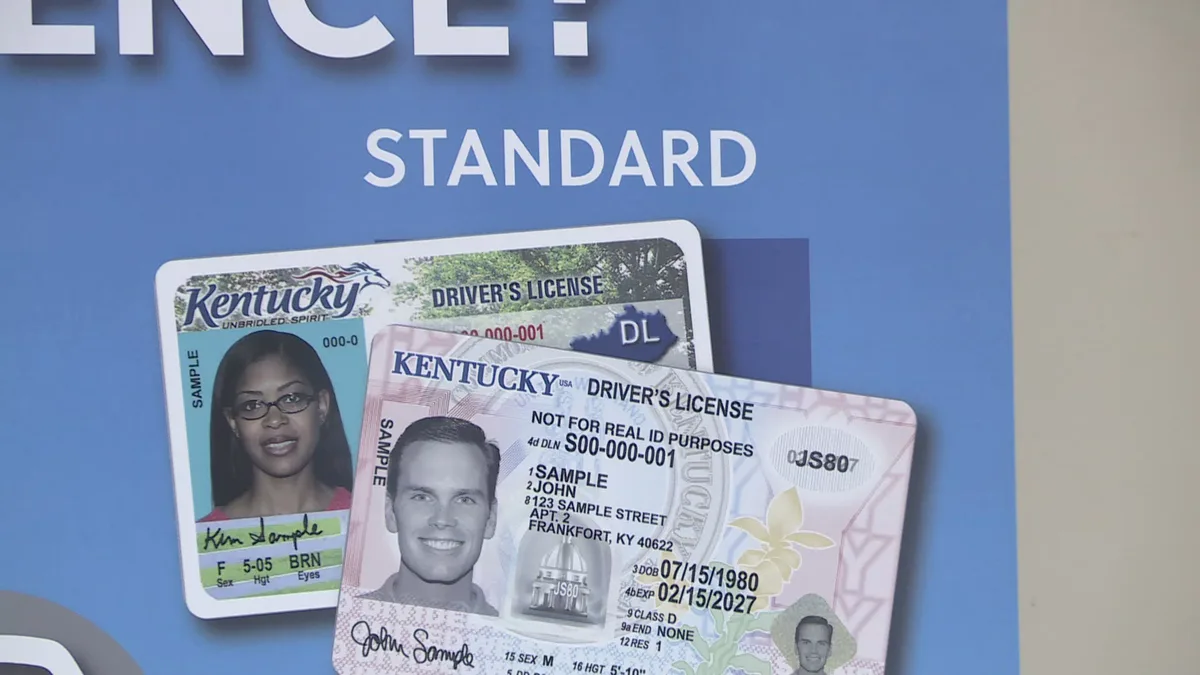
Kentucky Car Insurance Requirements Explained
Quick Answer
Kentucky vehicle insurance requirements mandate liability, PIP, and uninsured motorist coverage for all drivers. The minimum liability is 25/50/10 in thousands of dollars. Personal injury protection must be at least $10,000 unless rejected.
Uninsured motorist limits match liability unless waived. Proof of insurance must be carried in the vehicle at all times.
Why Kentucky’s Insurance Rules Are Different (And Why It Matters)
Kentucky is a no-fault state. That means your own policy pays medical bills after a crash no matter who caused it. The system comes from the Kentucky Motor Vehicle Reparations Act passed decades ago.
Most neighboring states like Tennessee and Ohio use traditional fault systems. If you cross the border with Kentucky plates, the local rules still follow your home policy.
The Kentucky Online Insurance Verification System (KOIVS) checks your coverage against registration records. If the system finds a lapse, your license plate gets flagged. You might get a letter before any suspension hits.
A big reason these rules matter is money. About 13 percent of Kentucky drivers were uninsured in 2023, per national insurance data. The state wants everyone to have a financial cushion when accidents happen.
We recommend treating the minimums as a floor, not a goal. The Kentucky Department of Insurance publishes the exact statute language if you want to read it.
The Exact Coverage Kentucky Forces You to Carry (And What It Won’t Cover)
The law demands three core pieces. Bodily injury liability (BI) pays for the other driver’s medical costs if you cause a crash. Property damage liability (PD) covers their car or fence.
Personal injury protection (PIP) pays your own bills regardless of fault.
Here are the mandatory minimums as of 2026:
| Coverage type | Minimum limit | What it pays for |
|---|---|---|
| Bodily injury liability | $25,000 per person / $50,000 per accident | Other people’s medical bills |
| Property damage liability | $10,000 per accident | Repairs to others’ property |
| Personal injury protection | $10,000 (can be rejected) | Your medical and lost wages |
| Uninsured motorist | Matches BI unless rejected | Your bills from uninsured drivers |
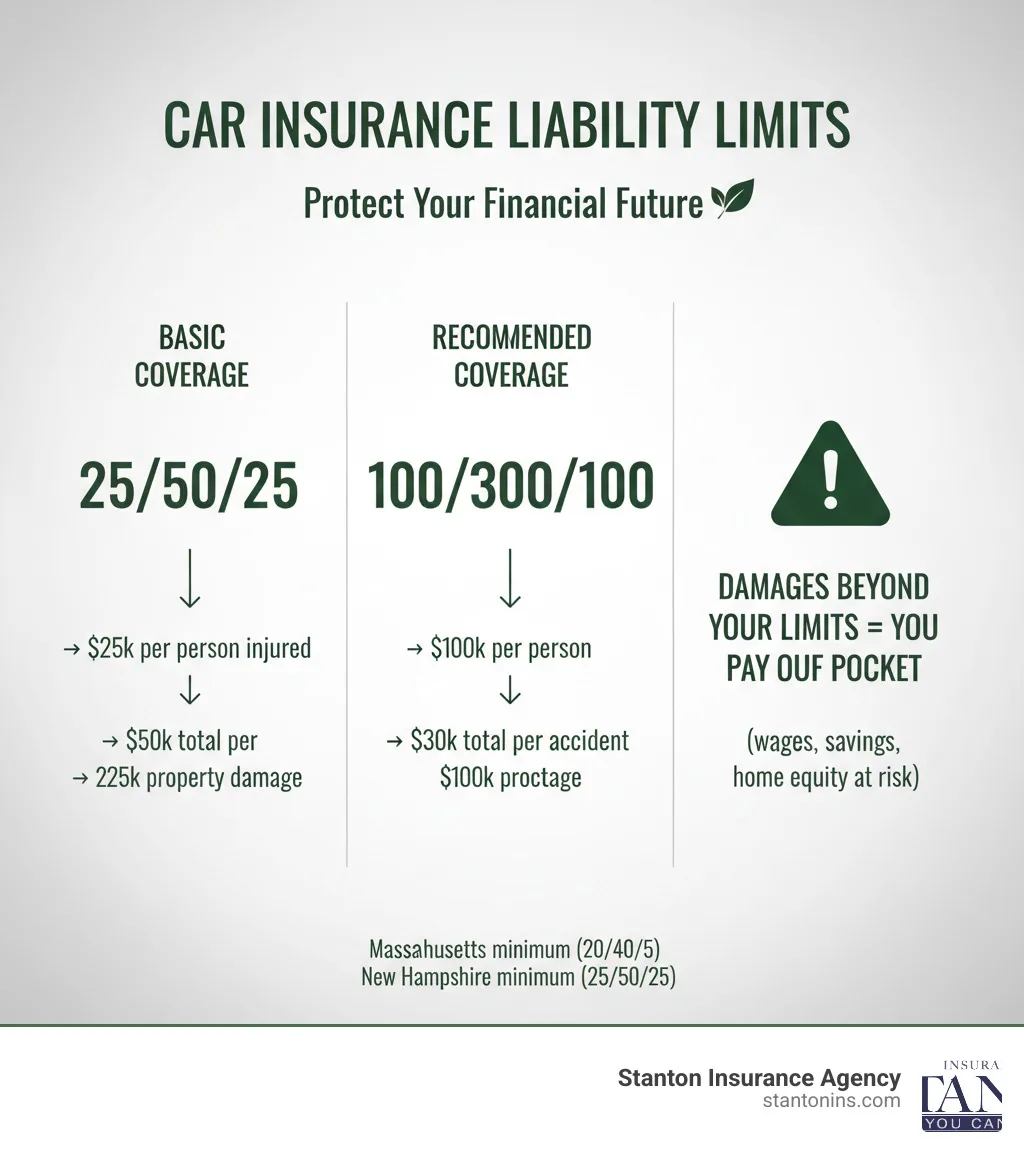
Those numbers sound fine until you hit a real crash. A single ER visit can blow past $25,000 fast. A new pickup truck totals at $50,000, and your $10,000 PD leaves you owing the rest.
The state minimums do not cover your own car repairs. That needs collision coverage, which lenders require on leased or financed vehicles. They also skip comprehensive protection for theft or hail.
We suggest bumping liability to 100/300/100 if you can swing it. The premium jump is often smaller than people fear.
PIP in Kentucky: The “No-Fault” Rule Most Drivers Get Wrong
Personal injury protection is the part most folks misunderstand. PIP pays your medical bills, rehab, and lost income after a crash. You file with your own insurer first, even if the other guy ran the red light.
Kentucky lets you reject PIP in writing. About 30 percent of drivers opt out, thinking their health insurance will cover it. That can backfire if your health plan denies auto related claims or has a high deductible.
The minimum PIP is $10,000. That sounds like a lot until you need an ambulance and a few stitches. A short hospital stay can eat that in a day.
If you keep PIP, it stacks with health insurance in many cases. You can use it for copays and deductibles your medical plan does not touch.
Our advice is simple. Keep the $10,000 PIP unless you have rock solid health coverage with zero auto exclusions.
Uninsured Motorist Coverage: Why You Can’t Afford to Skip It
Uninsured motorist (UM) and underinsured motorist (UIM) coverage protect you from drivers with no policy or too little. Kentucky requires UM limits that match your bodily injury liability unless you reject it in writing. UIM works the same way for drivers who carry only state minimums.
Remember that 13 percent uninsured rate we mentioned. One in five Kentucky crashes involves a driver with no coverage. If they hit you, your UM pays your medical bills and lost wages.

The default UM limit tracks your BI choice. If you carry 25/50 BI, you get 25/50 UM automatically. Rejecting it means you eat the cost if a bare minimum driver wrecks your car.
UIM kicks in when the at fault driver has insurance but not enough. Say they carry 25/50 and your injuries cost $80,000. Your UIM fills the gap up to your limit.
We tell every client to keep UM and UIM at the highest limit they can afford. The cost is modest compared to the protection.
What Happens If You Drive Without Insurance in Kentucky?
Driving with no proof of coverage is a serious offense. The first catch brings a $500 to $1,000 fine and a 90 day license suspension. A second offense within five years jumps to $1,000 to $2,500 and a one year suspension.
The KOIVS system flags your plate if it finds no active policy. You get a notice, then a suspension order. You must pay reinstatement fees of $40 to $200 on top of the fine.
If you cause a crash while uninsured, the penalties get worse. The other driver can sue you directly, and you face personal liability for all damages. The state may also require an SR-22 filing for three years after reinstatement.
How to Prove You’re Insured (And Avoid Random Verification Fails)
Kentucky accepts three forms of proof. A paper insurance card, a digital copy on your phone, or a printout from your insurer’s website. The Kentucky Online Insurance Verification System (KOIVS) checks these against your registration.
If you get pulled over, show the officer your card or app. No excuses about forgetting it. The state also runs random checks through KOIVS.
If your policy lapses, you get a letter within days.
Some drivers think a policy declaration page works. It does not. The card must show your name, vehicle VIN, and active dates.
We have seen clients flagged because their insurer did not update KOIVS fast enough. Call your agent if you switch policies.
SR-22 Insurance in Kentucky: Who Needs It, How Much It Costs, and How to Get Out of It
An SR-22 is not insurance. It is a form your insurer files with the state to prove you carry coverage. Kentucky requires it after serious violations like DUIs, reckless driving, or driving without insurance.
The form stays on file for three years. If your policy cancels during that time, your insurer notifies the state. Your license gets suspended immediately.

Most insurers charge a $15 to $25 filing fee. Your premium jumps too. A DUI can double or triple your rate.
The Kentucky Automobile Insurance Plan helps high risk drivers find coverage, but it costs more than standard policies.
To get off SR-22, keep continuous coverage for the full three years. No lapses, no cancellations. After the term ends, your insurer files an SR-26 to remove the requirement.
Full Coverage vs. State-Minimum: Which One Protects You in a Real Accident?
State-minimum coverage meets legal requirements. Full coverage adds collision and comprehensive. The difference matters when your car gets damaged.
Collision pays for repairs after a crash, no matter who is at fault. Comprehensive covers theft, hail, fire, and animal strikes. Neither is required by law, but lenders demand both for financed vehicles.
Here is how the costs break down:
| Coverage type | State-minimum | Full coverage |
|---|---|---|
| Bodily injury liability | $25,000 per person | $100,000 per person |
| Property damage liability | $10,000 | $50,000 |
| Collision | Not included | $500 deductible |
| Comprehensive | Not included | $500 deductible |
| Annual premium (estimate) | $600–$900 | $1,200–$1,800 |
Full coverage makes sense for newer cars. If your vehicle is worth less than $3,000, the premium jump may not be worth it.
How Much Kentucky Car Insurance Actually Costs (And How to Pay Less)
Kentucky premiums average $1,200 a year for full coverage. State-minimum runs $600 to $900. Your exact rate depends on age, driving record, and ZIP code.
Louisville and Lexington drivers pay more than rural areas. A clean record saves 20 to 30 percent. Adding a teen driver can double your premium.
Here are ways to cut costs:
- Raise your deductible. Jumping from $500 to $1,000 can save 10 to 15 percent.
- Bundle home and auto. Most insurers discount 10 to 20 percent for multiple policies.
- Ask about usage based programs. Apps like Progressive Snapshot track driving habits for discounts.
- Pay annually. Monthly fees add 3 to 5 percent.
- Check for low mileage discounts. Driving under 7,500 miles a year can save 5 to 10 percent.
The Biggest Mistakes Kentucky Drivers Make With Their Insurance
Rejecting PIP without understanding it tops the list. Many drivers think health insurance covers everything. It does not.
PIP pays for ambulance rides, rehab, and lost wages after a crash.
Another common error is letting coverage lapse. Even a one day gap triggers a suspension. Set up automatic payments or calendar reminders.
Some drivers assume their policy covers rentals. It usually does not. Check your declarations page.
Rental companies offer insurance at the counter, but it adds $15 to $30 a day.
We have seen clients drop UM coverage to save money. That leaves them exposed to uninsured drivers. The premium difference is often under $50 a year.
What to Do If You’re Caught Without Insurance (Step-by-Step)
Stop driving immediately. Kentucky suspends your license the moment your insurance lapses. The first step is getting coverage reinstated.
Call your insurer or agent within 24 hours. Ask for a same day reinstatement. Some companies allow this if you pay the missed premium plus a fee.
If you can’t get reinstated, shop for a new policy. The Kentucky Automobile Insurance Plan helps high risk drivers. Expect higher premiums and possible SR-22 requirements.
Once you have coverage, visit your county clerk. Bring proof of insurance and pay the reinstatement fee. Fees range from $40 to $200 depending on how many offenses you have.
How to Register a Car in Kentucky Without Getting Rejected
Visit your county clerk with these documents. Proof of insurance, your Kentucky driver’s license, and the vehicle title. Out of state titles need a VIN inspection first.
The clerk verifies your insurance through KOIVS. If the system shows a lapse, they reject your application. Bring a printed or digital insurance card as backup.
You also need to pay registration fees. These vary by county and vehicle type. A standard passenger car runs about $21 for a one year plate.
Kentucky vs. Neighboring States: Why Your Ohio or Tennessee Policy Might Not Work
Ohio requires 25/50/25 liability. Tennessee demands 25/50/15. Both states skip PIP entirely.
Kentucky’s 25/50/10 plus mandatory PIP means your out of state policy may fall short.
If you move to Kentucky, update your policy within 30 days. Your insurer must meet Kentucky minimums. Some companies automatically adjust coverage.
Others require a new policy.
Tennessee drivers often keep their old policy to save money. That fails if you register your car in Kentucky. The state requires Kentucky specific coverage.
Ohio’s higher property damage limit helps in big crashes. Kentucky’s $10,000 minimum leaves you exposed. We recommend bumping PD to $25,000 or more if you cross state lines often.
The Kentucky Automobile Insurance Plan: A Last Resort for High-Risk Drivers
This plan assigns high risk drivers to insurers. It’s for folks who can’t get standard coverage. Expect premiums 50 to 100 percent higher than average.
You apply through a licensed agent. The plan assigns you to an insurer within 30 days. Coverage lasts one year.
After that, you can shop for a better rate.
The plan covers state-minimum liability only. No collision or comprehensive. You can buy those separately if your lender requires them.
We’ve seen drivers stuck in the plan for years. The best way out is maintaining a clean record. One ticket or accident resets the clock.
Real-Life Scenarios: What Kentucky Insurance Covers (And What It Doesn’t)
A fender bender with minor injuries triggers PIP. Your policy pays your medical bills up to $10,000. If you rejected PIP, your health insurance handles it.
A hit and run totals your car. Uninsured motorist property damage (UMPD) covers it if you have it. Kentucky doesn’t require UMPD, so many drivers skip it.
A deer jumps in front of your car. Comprehensive coverage pays for repairs. State-minimum policies leave you paying out of pocket.
A drunk driver hits you. Their $25,000 BI limit covers your medical bills. If your injuries cost $50,000, your underinsured motorist coverage fills the gap.
FAQs: The Questions Kentucky Drivers Ask Most (With Straight Answers)
Does Kentucky require proof of insurance to register a car?
Yes. You must show an active Kentucky policy at the county clerk’s office. The system verifies it through KOIVS before issuing plates.
Can I use my health insurance instead of PIP?
No. Health insurance often denies auto related claims. PIP covers ambulance rides and lost wages that health plans exclude.
What happens if I move to Kentucky with an out of state policy?
Update your policy within 30 days. Your insurer must meet Kentucky’s 25/50/10 liability and PIP requirements.
How long does an SR-22 stay on my record?
Three years. Keep continuous coverage or the state suspends your license again.
Do I need uninsured motorist coverage if I have health insurance?
Yes. UM covers pain and suffering, lost wages, and passengers. Health insurance only pays medical bills.