ByMax Lee
Louisiana Implements of Husbandry: Farm Equipment Guide
Louisiana implements of husbandry are agricultural vehicles or equipment designed primarily for farm operations. This classification covers tractors, harvesters, and other machinery used in farming. As of 2026, Louisiana follows specific rules under Title 32 of the Revised Statutes.
Understanding these rules helps farmers avoid fines and stay compliant. Misclassification can lead to legal trouble or unnecessary costs.
Quick Answer
Louisiana implements of husbandry are agricultural vehicles or equipment designed primarily for farm operations. They include tractors, plows, and harvesters. These are exempt from standard vehicle registration in many cases.
They must display a slow-moving vehicle emblem when on public roads.
YouTube / Major Mowing (YouTube thumbnail (fair-use with source credit))
Why the Definition Matters for Farmers
Misclassifying equipment can lead to legal trouble. Louisiana treats these vehicles differently from commercial trucks. This affects registration, insurance, and road-use permissions.
Farmers rely on these exemptions to keep costs down. Without them, operating large equipment would be far more expensive. Proper classification also ensures safety for everyone on the road.
What Counts as an Implement of Husbandry in Louisiana
The term covers any vehicle or equipment used primarily for farming. This includes tractors, combines, and trailers designed for agricultural work. Attachments like plows and seeders also qualify.
Louisiana’s definition aligns with federal guidelines but has state-specific nuances. Equipment must be used at least 80% of the time for farming to qualify. This threshold helps distinguish true farm equipment from commercial vehicles.
How Louisiana Law Defines and Regulates Them
Louisiana Revised Statutes Title 32 outlines the rules. Implements of husbandry are exempt from standard vehicle registration if used exclusively for farming. They must still meet safety requirements when on public roads.
The Louisiana Department of Motor Vehicles oversees compliance. Farmers must ensure their equipment meets size and weight limits. Exceeding these can result in fines or required permits.
Road Use Rules for Farm Equipment in Louisiana
Farm equipment can travel on public roads but with restrictions. Speed limits often cap at 25 mph for slow-moving vehicles. These vehicles must display a reflective slow-moving vehicle emblem.
Travel is typically allowed only during daylight hours unless equipped with proper lighting. Local parishes may have additional rules, so checking with the Louisiana State Police is wise.

YouTube / Craig Morgan (YouTube thumbnail (fair-use with source credit))
Registration, Permits, and Exemptions You Need to Know
Louisiana exempts most implements of husbandry from standard vehicle registration. This applies if the equipment is used exclusively for farming. The exemption saves farmers time and money.
Some larger or modified equipment may still require permits. Check with the Louisiana DMV for vehicles exceeding standard size or weight limits. Overwidth or overweight loads often need special approval.
Farm trailers under 2,500 pounds are also exempt. Always confirm current limits with local authorities.
YouTube / Title Authority (YouTube thumbnail (fair-use with source credit))
Safety Requirements for Operating Farm Vehicles on Public Roads
All farm equipment on public roads must display a slow-moving vehicle emblem. This reflective triangle warns other drivers of the vehicle’s low speed. The emblem must be visible from at least 500 feet.
Lighting requirements apply if traveling at night. Equipment needs at least two white headlights and two red taillights. Reflectors on both sides are also mandatory.
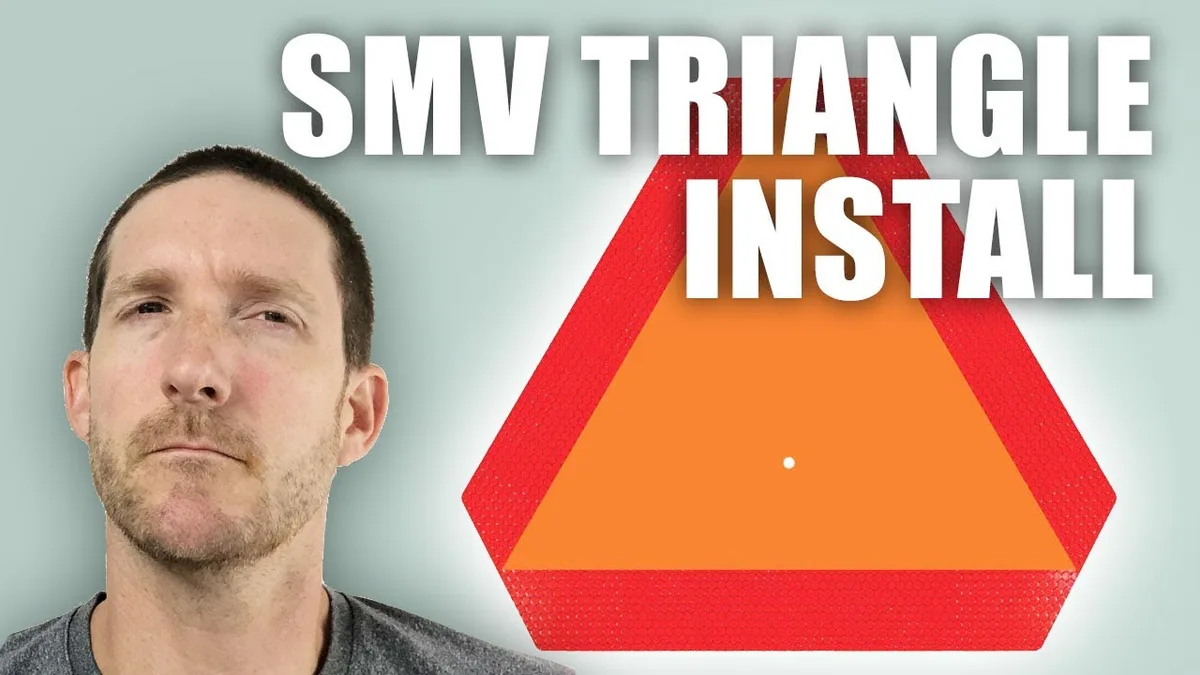
YouTube / Streetwise Carts (YouTube thumbnail (fair-use with source credit))
Operators should avoid highways where possible. Stick to rural roads with lower speed limits. This reduces risks for both the operator and other drivers.
Tax and Insurance Considerations for Implements of Husbandry
Farm equipment often qualifies for tax exemptions in Louisiana. Sales tax may not apply to purchases used directly in agricultural production. This can mean significant savings on large equipment.
Insurance requirements vary by use. Equipment used only on private property may need minimal coverage. Vehicles that travel on public roads typically require liability insurance.
Keep receipts and usage logs. These documents help prove eligibility for exemptions during audits. The Louisiana Department of Revenue provides guidance on qualifying purchases.
When You Might Need a CDL (And When You Don’t)
A commercial driver’s license is not required for most farm equipment. This exemption applies if the vehicle is used within 150 air miles of the farm. The equipment must also be used for agricultural purposes.
The exemption does not cover all scenarios. If transporting hazardous materials or operating very large vehicles, a CDL may still be necessary. Always verify with the Louisiana Office of Motor Vehicles.
Farm employees should be trained regardless of license requirements. Safe operation prevents accidents and liability issues. Many farms provide internal training programs.
Maintenance and Upkeep to Keep Equipment Compliant
Regular inspections ensure equipment meets safety standards. Check lights, reflectors, and SMV emblems before each road use. Replace any damaged or faded components immediately.
Tires should be in good condition with proper inflation. Worn tires increase the risk of accidents, especially on public roads. Keep a tire pressure gauge handy for quick checks.
Document all maintenance. Records help prove compliance if questioned by law enforcement. They also make it easier to track service intervals for complex machinery.
Where to Check Louisiana’s Official Rules
The Louisiana Department of Motor Vehicles provides the most current regulations. Their website lists exemptions, registration requirements, and safety standards. Farmers can also call local DMV offices for clarification.
The Louisiana State Police enforce road-use laws. They can confirm which equipment needs permits or special markings. Their agricultural liaison officers are a good resource for specific questions.
The Louisiana Department of Agriculture and Forestry offers additional guidance. They publish updates on equipment classifications and tax exemptions.
Common Mistakes That Get Farmers in Trouble
Using farm equipment for non-agricultural purposes can void exemptions. Even occasional non-farm use may disqualify the equipment from special status. This can lead to fines or registration requirements.
Failing to display the SMV emblem is a common violation. Law enforcement often targets this during rural patrols. The fine for missing or obscured emblems can reach $100 or more.
Ignoring weight limits causes problems at weigh stations. Overloaded equipment may require special permits. Without them, farmers face hefty fines and potential impoundment.
When You Might Need a CDL for Farm Equipment
A CDL is required for vehicles transporting hazardous materials. This applies even if the vehicle is used primarily for farming. The hazardous materials endorsement adds specific requirements.
Vehicles over 26,000 pounds GVWR need a CDL. This includes some large farm trucks and trailers. The weight limit applies to the combined vehicle and load.
Farmers transporting equipment across state lines may need a CDL. Federal regulations override state exemptions for interstate travel. Always check with the Federal Motor Carrier Safety Administration.
How Louisiana’s Rules Compare to Other States
Louisiana’s 150-air-mile exemption is more generous than some states. Texas uses a 100-air-mile limit for farm equipment. This affects farmers who operate near state borders.
Some states require annual inspections for farm vehicles. Louisiana does not mandate inspections for implements of husbandry. This simplifies compliance for farmers.
A few states have stricter lighting requirements. Louisiana follows the federal standard of two headlights and two taillights. This makes it easier for farmers to move equipment between states.
Frequently Asked Questions
Do I need a license plate for my tractor?
No, Louisiana exempts most farm tractors from license plate requirements. They must still display an SMV emblem when on public roads.
Can I drive my combine harvester on the highway?
Generally no. Combines are too wide and slow for highway travel. They are typically restricted to rural roads.
What’s the maximum speed for farm equipment on public roads?
Louisiana caps farm equipment at 25 mph on most roads. Some local jurisdictions may set lower limits.
Are farm trailers exempt from registration?
Yes, if used exclusively for agricultural purposes. The exemption applies to trailers under 2,500 pounds.
Where can I get an SMV emblem?
Most farm supply stores carry them. They are also available online from agricultural retailers. The emblem must meet federal reflectivity standards.