ByMax Lee
Massachusetts Antique Car Registration Guide
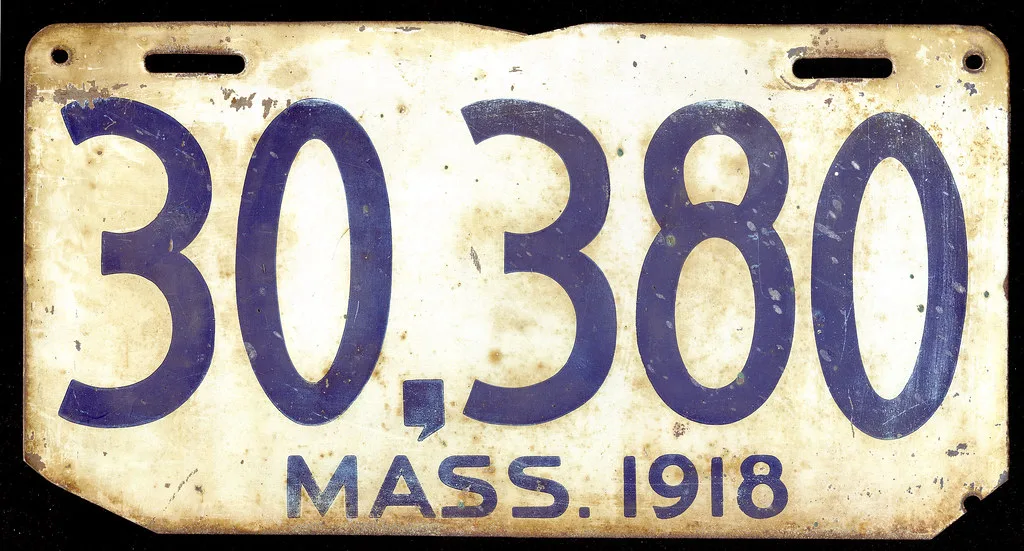
Openverse / crackdog (PDM 1.0)
If you own an older car in Massachusetts, getting the right registration can save you money and hassle. Massachusetts antique vehicle registration for older cars is simpler than you might think, but the rules are strict about age, condition, and how you use the vehicle. The state offers special plates for cars 25 years or older, but only if they meet specific criteria.
As of 2026, the Massachusetts Registry of Motor Vehicles (RMV) requires vehicles to be at least 25 years old to qualify for antique plates. This isn’t just about age, it’s also about keeping the car in original or restored condition and using it for limited purposes like shows or parades.
Quick Answer
Massachusetts antique vehicle registration for older cars applies to vehicles 25+ years old. The car must remain in original or restored condition. Usage is restricted to exhibitions, parades, and club events.
Standard registration fees are often lower for antique plates.
Does Your Car Qualify for Massachusetts Antique Registration?
Your car must be at least 25 years old to qualify for antique registration in Massachusetts. The RMV also checks that the vehicle is in original or restored condition. If you’ve heavily modified your car, it may not meet the criteria.
There’s also a usage restriction. Antique plates are for limited use only, like car shows, parades, or club activities. Daily driving isn’t allowed, and breaking this rule can lead to fines or registration issues.
Antique vs. Classic vs. Regular Registration in Massachusetts
Antique registration is for vehicles 25+ years old that are kept in original or restored condition. These cars can’t be used for daily driving and often have lower fees.
Classic car registration isn’t an official category in Massachusetts. These vehicles typically follow regular registration rules, including annual inspections and higher fees.
Regular registration applies to all other vehicles. It requires annual inspections, standard fees, and no usage restrictions.
Who Should (and Shouldn’t) Register as Antique
Antique registration is ideal for collectors who want to preserve their vehicle’s value and history. It’s also great for enthusiasts who only drive their cars to shows or club events.
You shouldn’t register as antique if you plan to use the car for daily driving. The RMV’s usage restrictions are strict, and violating them can lead to penalties.
This option is also a good fit for investors who want to maintain a vehicle’s collectible status. Lower fees and no inspection requirements make it a cost-effective choice for older cars in good condition.
Step-by-Step: How to Register an Antique Vehicle in Massachusetts
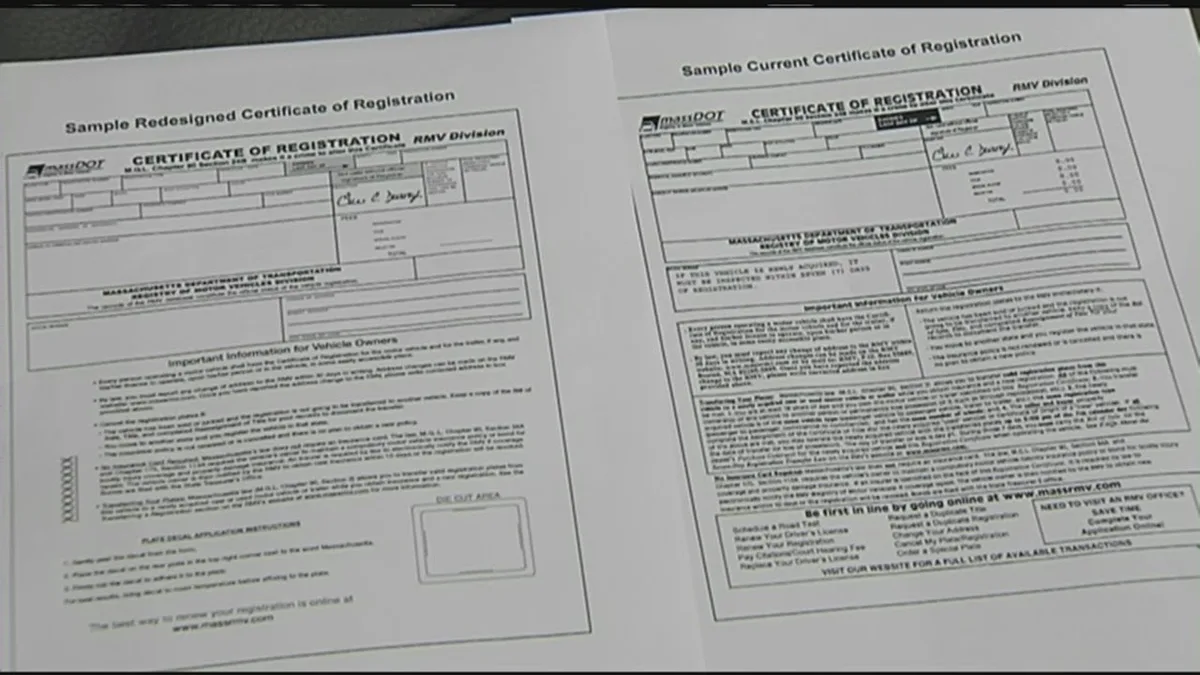
YouTube / WWLP-22News (YouTube thumbnail (fair-use with source credit))
Gather the Required Documents
You’ll need the vehicle title in your name, or a bill of sale if the title is missing. A VIN verification is also required, which can be done at an RMV service center or by a licensed dealer.
If your car doesn’t have a title, you’ll need to apply for a bonded title or provide proof of ownership through other means.
Complete the RMV Application
Fill out the Application for Registration and Title (RMV-1). Mark the box for antique registration. You’ll also need to provide proof of insurance.
If you’re transferring registration from another state, you’ll need to submit additional paperwork, including a VIN inspection and proof of ownership.
VIN Verification and Inspection (If Needed)
Most antique vehicles don’t require a standard inspection, but a VIN verification is mandatory. This can be done at an RMV service center or by a licensed dealer.
If your car has been modified, the RMV may require additional inspections to confirm it still meets antique criteria.
Pay Fees and Get Your Plates
The fee for antique plates is $50 as of 2026. You’ll receive your plates and registration documents once everything is approved. These plates are usually permanent, so you won’t need to renew them annually unless you change vehicles.
Massachusetts Antique Plate Types Explained
YouTube / Steve's Cool Old Stuff (YouTube thumbnail (fair-use with source credit))
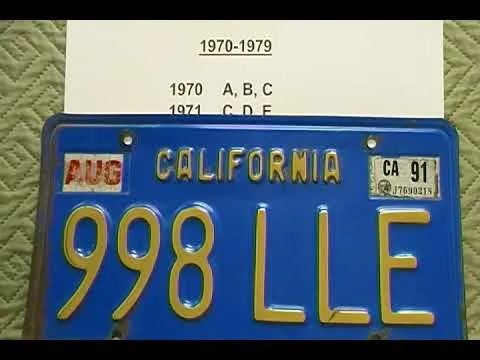
Massachusetts offers three main plate options for older vehicles. The standard antique plate is the most common choice for cars 25+ years old. These plates are permanent and don’t require annual renewal.
Historic plates are similar but may have different usage rules. They’re often used for vehicles that are part of a recognized historic collection.
Year-of-manufacture plates let you display plates from the same year as your vehicle. You’ll need to prove the plates match the car’s original year, and availability depends on RMV stock.
Usage Rules: What You Can and Can’t Do with Antique Plates
Antique plates come with strict usage limits. You can only drive the vehicle to and from car shows, parades, and club events. Daily driving is prohibited, and violating this rule can result in fines or registration suspension.
There’s no mileage limit, but the RMV expects you to use the car occasionally. If you’re pulled over, you may need to prove the trip was for an approved purpose.
Some antique vehicles are exempt from emissions testing, but this doesn’t apply to all older cars. Check with the RMV to confirm your vehicle’s status.
Common Mistakes That Get Applications Rejected
YouTube / Electrical Car Repair LIVE (YouTube thumbnail (fair-use with source credit))
One of the biggest mistakes is submitting incomplete paperwork. Missing titles, unsigned forms, or incorrect VIN information will delay or deny your application.
Another common issue is modified vehicles. If your car has significant aftermarket changes, it may not qualify for antique plates. The RMV wants to see original or faithfully restored condition.
Usage violations can also cause problems. If you’re caught using an antique-plated car for daily driving, you risk losing your registration.
Costs, Fees, and Renewal Requirements
The fee for antique plates is $50 as of 2026. This is a one-time fee for most antique registrations, though some historic plates may require annual renewal.
There’s no annual inspection for qualifying antique vehicles. However, you’ll still need to maintain valid insurance.
If you switch vehicles, you’ll need to transfer the plates and pay any applicable fees. The process is similar to the initial registration, including VIN verification and documentation.
Out-of-State Vehicles: Transferring Antique Registration to MA
Transferring an out-of-state antique registration starts with a VIN verification. You’ll need to visit an RMV service center or a licensed dealer to complete this step.
You’ll also need to surrender your out-of-state plates and provide a completed RMV-1 form. The RMV will check that your vehicle meets Massachusetts’ antique criteria.
If your out-of-state registration was for a historic or classic vehicle, the RMV will determine if it qualifies for antique plates in Massachusetts. Some states have different age thresholds, so don’t assume your current registration will transfer directly.
What If You Don’t Have a Title?
Losing a title is common with older vehicles. Massachusetts allows you to apply for a bonded title if you can prove ownership. You’ll need a surety bond equal to the vehicle’s value and a completed RMV-1 form.
If the car was last titled in another state, contact that state’s DMV for a duplicate. Once you have the duplicate, you can proceed with Massachusetts registration.
For vehicles never titled, you’ll need a court order or other legal proof of ownership. The RMV provides a list of acceptable documents on their website.
Expert Tips to Speed Up the Process
Visit an RMV service center early in the month to avoid long lines. Many locations are busiest at the end of the month when registrations expire.
Bring all documents in one trip. Missing paperwork is the top reason for delays. Use the RMV’s online checklist to confirm you have everything before visiting.
If your car needs a VIN verification, call ahead to confirm the service center offers it. Not all locations provide this, and some require appointments.
FAQs About Massachusetts Antique Vehicle Registration
Can I drive my antique car in winter?
Yes, but usage is still restricted to approved activities. The RMV doesn’t ban winter driving, but you must follow the same rules as other seasons.
Do antique cars need insurance in Massachusetts?
Yes, all registered vehicles must have minimum liability coverage. Many owners opt for agreed-value policies to protect their investment.
How do I get year-of-manufacture plates?
You’ll need to provide proof that the plates match your vehicle’s original year. The RMV has limited stock, so availability isn’t guaranteed.
What happens if I sell my antique car?
The plates stay with the vehicle, not the owner. The new owner must transfer the registration within 7 days.
Can I register a modified car as antique?
Only if the modifications don’t significantly alter the vehicle’s original appearance. The RMV decides case by case.
Final Checklist: Are You Ready to Register?
Confirm your car is 25+ years old and in original or restored condition. Gather your title, proof of insurance, and completed RMV-1 form.
Check the RMV’s fee schedule for current costs. Bring payment and all documents to a service center.
Review the usage rules to avoid violations. Once approved, display your plates properly and keep your paperwork in the vehicle.