ByMax Lee
MA Move Over Law: Rules for Emergency Vehicles
The Massachusetts move over law for emergency vehicles on roadside exists to protect first responders and roadside workers. It requires drivers to slow down or change lanes when approaching stationary emergency vehicles with flashing lights. As of 2026, all 50 states have some form of this law, but Massachusetts has specific rules you need to follow.
This isn’t just about avoiding fines, it’s about preventing tragic accidents. The law applies to police cars, fire trucks, ambulances, and even tow trucks with flashing lights.
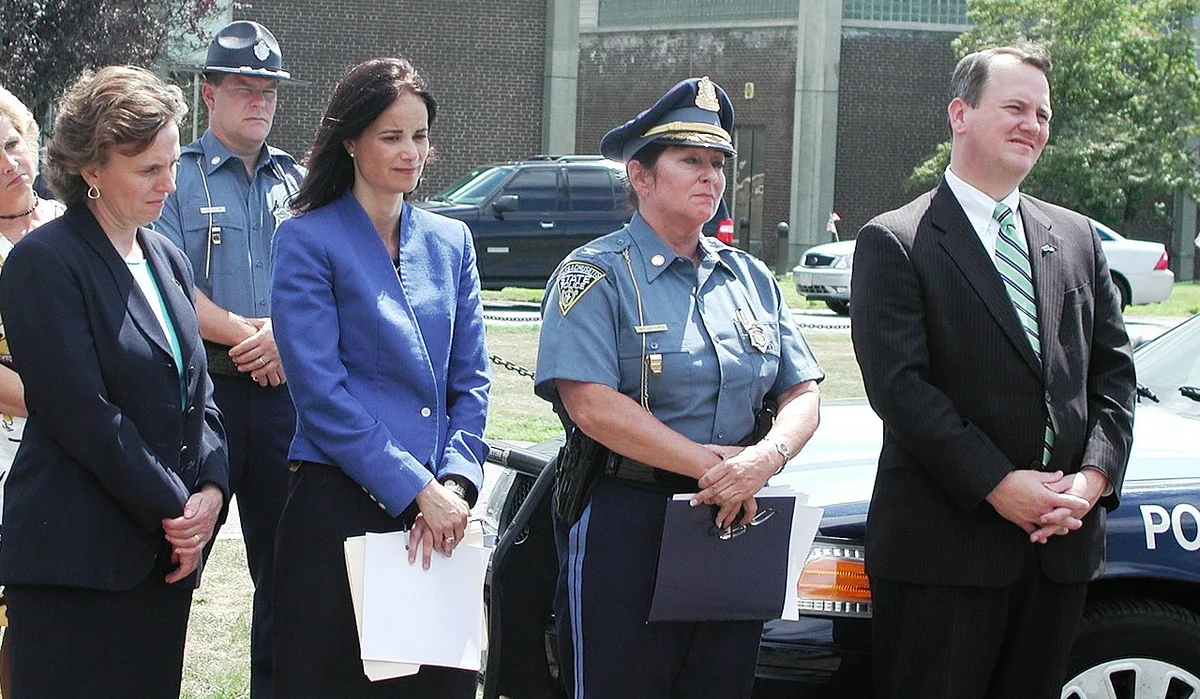
Wikimedia Commons / MassDOT
Quick Answer
The Massachusetts move over law for emergency vehicles on roadside requires you to move to a non-adjacent lane if safe. If you can’t, slow down below the posted speed limit. It applies to any vehicle with flashing blue, red, or amber lights.
Fines start at $100 for violations.
What the Massachusetts Move Over Law Actually Requires
The law is straightforward but often misunderstood. Under Massachusetts General Laws Chapter 89, Section 7B, you must take specific actions when you see a stationary emergency vehicle with flashing lights on the roadside.
Here’s what you need to do:
- Move over to a lane that’s not adjacent to the emergency vehicle if it’s safe to do so
- Slow down below the posted speed limit if you can’t move over safely
- Stay alert for workers or responders near the vehicle
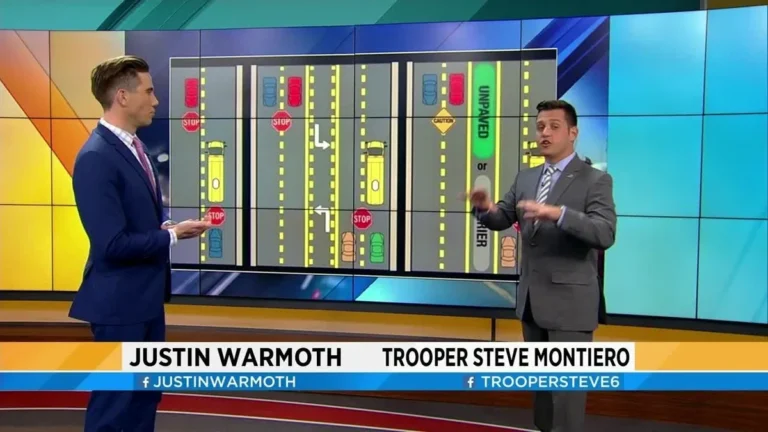
YouTube / WWLP-22News (YouTube thumbnail (fair-use with source credit))
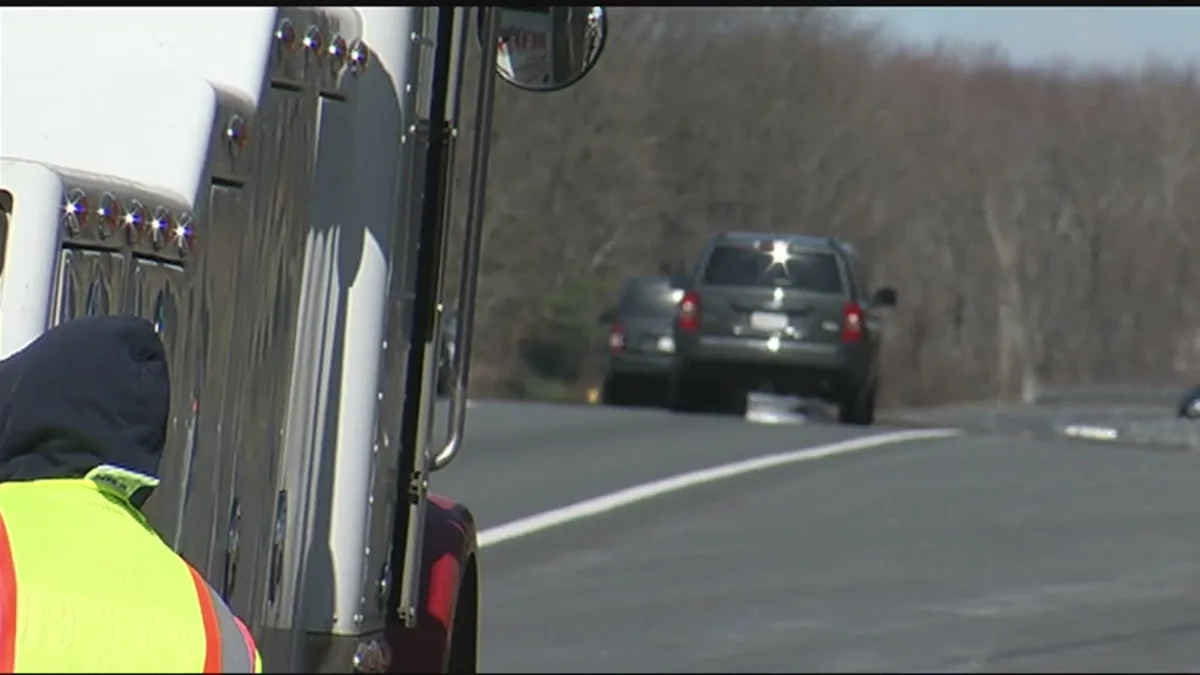
The law doesn’t just apply to police cars. It covers any vehicle with flashing lights, including fire trucks, ambulances, tow trucks, and highway assistance vehicles. The key is that the vehicle must be stationary with its lights activated.
If you’re on a multi-lane road, you have more options to move over safely. On a two-lane road, slowing down is your only choice. The law is designed to give emergency workers a buffer zone from passing traffic.
Why This Law Exists and Who It Protects
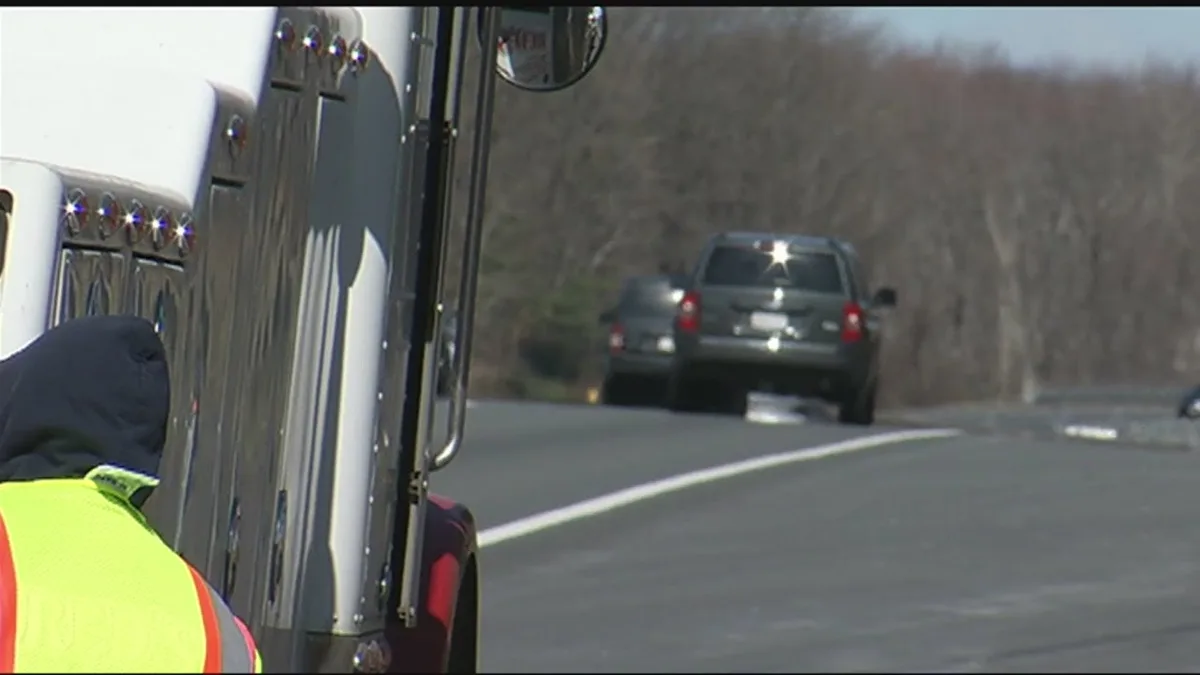
This law was created to address a growing problem: drivers not paying attention to emergency vehicles stopped on the roadside. Every year, first responders and roadside workers are injured or killed by passing vehicles.
YouTube / WWLP-22News (YouTube thumbnail (fair-use with source credit))
The law protects:
- Police officers conducting traffic stops or responding to accidents
- Firefighters and EMTs assisting at emergency scenes
- Tow truck operators helping stranded motorists
- Highway maintenance workers and construction crews
The National Highway Traffic Safety Administration reports that move over laws have significantly reduced injuries and fatalities among these workers. In Massachusetts, enforcement is taken seriously, with state police actively monitoring compliance.
When the Move Over Rule Applies on Massachusetts Roads
The rule isn’t just for highways. It applies anywhere you encounter a stationary emergency vehicle with flashing lights, including local roads, parking lots, and even private property accessible to the public.
Here’s when you must take action:
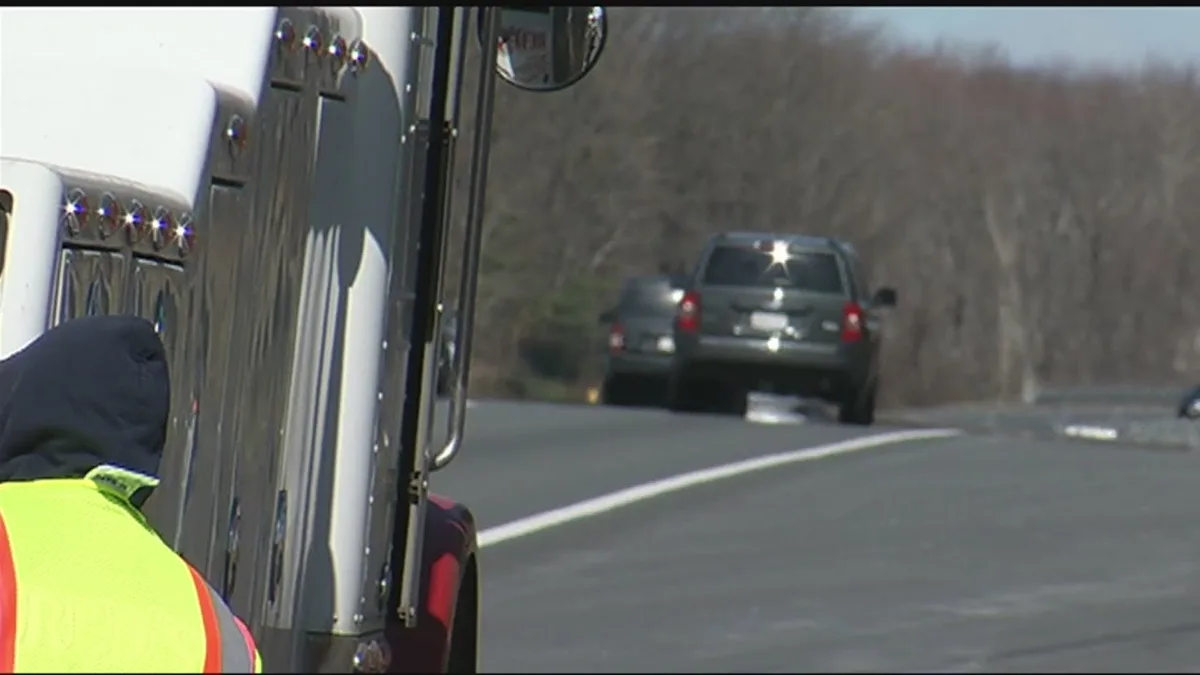
- The emergency vehicle is stopped with flashing blue, red, or amber lights
- You’re approaching from the same direction (not oncoming traffic)
- There’s at least one lane of traffic moving in your direction
YouTube / WWLP-22News (YouTube thumbnail (fair-use with source credit))
The law doesn’t apply if:
- The emergency vehicle is moving
- The lights aren’t flashing
- You’re on the opposite side of a divided highway
On multi-lane roads, you must move over if it’s safe. If traffic is heavy and you can’t change lanes, you must slow down. The Massachusetts State Police recommend reducing your speed by at least 20 mph below the posted limit in these cases.
What You Must Do When You See Flashing Lights
Your actions depend on the road configuration and traffic conditions. Here’s a simple decision tree:
On a multi-lane road (2+ lanes in your direction):
- Check for emergency vehicles with flashing lights
- If safe, move to the lane farthest from the vehicle
- If you can’t move over, slow down significantly
On a two-lane road (one lane in each direction):
- Slow down below the posted speed limit
- Be prepared to stop if necessary
- Watch for workers or responders near the road
In heavy traffic:
- Don’t force a lane change if it’s unsafe
- Slow down and maintain a safe following distance
- Be extra cautious of workers who may need to enter the road
The Massachusetts Department of Transportation emphasizes that the law is about creating a safety zone. Even if you can’t move over, reducing your speed gives emergency workers more time to react if you lose control.
The Exact Penalties for Breaking the Law in Massachusetts
Violating the move over law in Massachusetts carries a fine of up to $100. The penalty is a civil infraction, not a criminal offense, but it still goes on your driving record.
Massachusetts State Police actively enforce this law. Officers often patrol areas where emergency vehicles are commonly stationed, like construction zones or accident scenes.
The real cost isn’t just the fine. Failing to move over or slow down can result in accidents that cause serious injury or death. Emergency responders are trained to watch for oncoming traffic, but they can’t always react in time to distracted or speeding drivers.
Common Mistakes Drivers Make (And How to Avoid Them)
Not recognizing the law applies to all emergency vehicles
Many drivers assume the law only covers police cars. It also applies to fire trucks, ambulances, tow trucks, and highway maintenance vehicles with flashing amber lights.
Forgetting to slow down when they can’t move over
If traffic is heavy and you can’t change lanes, you must still reduce your speed. Slowing down is just as important as moving over.
Distracted driving near emergency scenes
Put your phone down and focus on the road. Emergency scenes often have workers or responders near the traffic lane.
Assuming the law doesn’t apply on local roads
The move over law isn’t just for highways. It applies on any public road where you encounter a stationary emergency vehicle with flashing lights.
How Massachusetts’ Law Compares to Other States
All 50 states have some form of move over law, but the specifics vary. Massachusetts requires drivers to move over or slow down, similar to most states.
Some states have stricter penalties. In Texas, for example, violating the move over law can result in fines up to $200. In Florida, it’s a non-criminal traffic infraction with a fine of up to $158.
Here’s a quick comparison:
| State | Fine Amount | Additional Requirements |
|---|---|---|
| Massachusetts | Up to $100 | Move over or slow down |
| Texas | Up to $200 | Move over or slow down |
| Florida | Up to $158 | Move over or slow down |
| New York | Up to $150 | Includes waste collection vehicles |
| California | Up to $50 | Includes flashing white lights |
Massachusetts’ law is in line with most states, but it’s always a good idea to know the rules when traveling.
Real-Life Scenarios: What to Do in These Situations
You’re on a four-lane highway with moderate traffic
Move to the lane farthest from the emergency vehicle. If you’re in the left lane and the vehicle is on the right shoulder, you don’t need to change lanes, but stay alert.
You’re on a two-lane road with no shoulder
Slow down significantly below the posted speed limit. Be prepared to stop if workers or responders are near the road.
You’re in heavy traffic and can’t change lanes
Reduce your speed and maintain a safe following distance. Avoid sudden lane changes that could cause an accident.
You see an emergency vehicle with flashing lights but it’s moving
The move over law only applies to stationary vehicles. If the vehicle is moving, normal traffic rules apply.
You’re approaching a construction zone with workers and vehicles
The law applies to any stationary vehicle with flashing lights, including construction and maintenance vehicles. Slow down and move over if possible.
Quick Reference: The Law in Plain Terms
Here’s the Massachusetts move over law simplified:
- When it applies: Stationary emergency vehicles with flashing blue, red, or amber lights
- What to do: Move over to a non-adjacent lane if safe, or slow down below the speed limit
- Penalty: Up to $100 fine
- Who it protects: Police, firefighters, EMTs, tow truck operators, highway workers
Frequently Asked Questions
Does the move over law apply to parked police cars without flashing lights?
No. The law only applies when the emergency vehicle has its flashing lights activated.
What if I’m in the lane next to the emergency vehicle and can’t move over?
Slow down below the posted speed limit. The law requires you to take action, whether it’s moving over or reducing your speed.
Are there any exceptions to the move over law?
The only exception is if moving over or slowing down would be unsafe. For example, if you’re in heavy traffic and changing lanes would cause an accident, focus on slowing down.
How do I know if an emergency vehicle is covered by the law?
Look for flashing blue, red, or amber lights. If the vehicle is stationary and has these lights on, the move over law applies.
Can I be pulled over for not moving over in Massachusetts?
Yes. Massachusetts State Police and local law enforcement actively enforce the move over law. If you don’t move over or slow down, you can be cited.