Getting pulled over for illegal window tint in Massachusetts is frustrating, and avoidable. The state’s rules on Massachusetts window tinting legal limits and light transmission requirements are strict, but they’re also straightforward once you know the numbers. One wrong assumption about darkness levels can mean a failed inspection or a fine.
As of 2026, the law hinges on visible light transmission (VLT), which measures how much light passes through your tint. Get this wrong, and you’re risking enforcement action. Here’s exactly what’s allowed and where.
Quick Answer
Massachusetts requires front side windows to allow at least 35% of light through. Rear side and rear windows can use any darkness. Windshields allow no tint except a non-reflective top 6-inch strip.
Metallic or mirrored tints are banned.
The Quick Legal Limits for Every Window on Your Car
Front side windows must meet the 35% VLT minimum. This applies to both driver and passenger sides. There are no exceptions for vehicle type.
Rear side windows and the rear window have no VLT restrictions. You can use any darkness, including 5% limo tint.
How Light Transmission (VLT) Is Measured and Why It Matters
VLT is the percentage of light that passes through your window tint. A 35% VLT film blocks 65% of light while allowing 35% through.
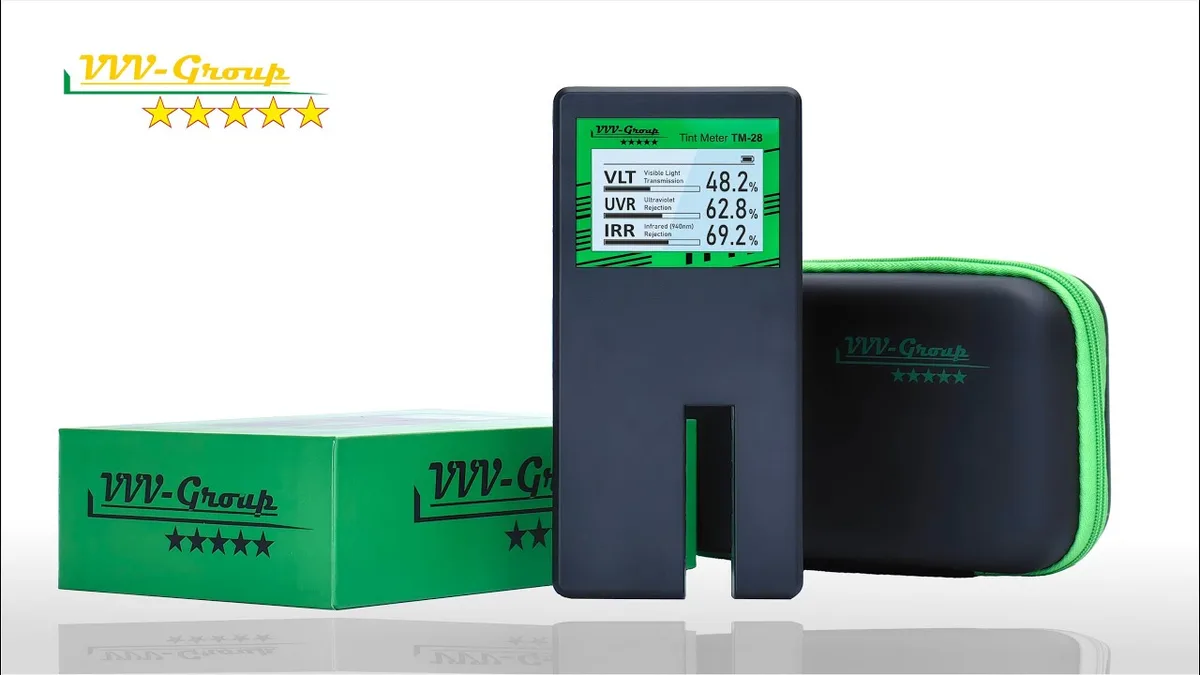
Law enforcement and inspection stations use a tint meter to verify compliance. If your front side windows read below 35% VLT, you’ll fail inspection. The measurement is objective and non-negotiable.
Front Side Windows vs. Rear Windows: The Key Difference
The front side windows have the strictest rule: 35% VLT minimum. This applies to all passenger vehicles, including sedans, SUVs, and trucks.
Rear side windows and the rear window can be as dark as you want. This flexibility is why many drivers focus their tinting efforts on the rear of the vehicle.
Windshield Tint Rules (Including the 6-Inch Exception)
Massachusetts bans any tint on the windshield except for one narrow allowance. A non-reflective tint strip is permitted along the top 6 inches. This strip cannot be metallic or mirrored.
Any other tint on the windshield, including clear UV-blocking films, is illegal. This rule is strictly enforced during inspections and traffic stops.
What’s Allowed for Tint Color, Reflectivity, and Material
Metallic or mirrored tints are banned on all windows. These types reflect too much light and can blind other drivers. Only non-reflective tints are legal.
Tint color isn’t restricted, but red, amber, and blue shades are risky. If they resemble emergency vehicle lights, you could face enforcement. Neutral colors like black, gray, or charcoal are safest.
Ceramic and dyed tints are both legal if they meet VLT rules. Ceramic offers better UV and heat rejection but costs more. Dyed tint is cheaper but may fade faster.
Medical and Commercial Exemptions: Who Can Go Darker
Drivers with a medical condition can apply for an exemption to use darker tint. A doctor’s note is required, stating the need for increased light protection. The Massachusetts RMV must approve the exemption before installation.
Commercial vehicles may qualify for exemptions, but passenger vehicles used for business don’t get special treatment. Always verify with the RMV for specifics.
How Police and Inspections Enforce Tint Laws in Massachusetts
Police can pull you over if your tint looks too dark. They’ll use a tint meter to verify compliance. If your front side windows measure below 35% VLT, you’ll likely receive a citation.
Annual vehicle inspections also check tint legality. If your car fails due to tint, you’ll need to remove or replace it before passing. Inspectors don’t make exceptions for aftermarket tint.
Common Mistakes That Get Drivers Pulled Over or Fined
Assuming factory tint is always legal is a common mistake. Some factory tints on rear windows may already be dark, but front side windows must still meet the 35% rule. Aftermarket tint added to factory-tinted glass can push the total below the limit.
Ignoring the windshield rule is another frequent error. Even a clear UV-blocking film on the windshield is illegal unless it’s the 6-inch non-reflective strip. Many drivers don’t realize this until they’re stopped.
How to Check If Your Current Tint Is Legal
The easiest way is to use a tint meter. Many auto shops and tint installers have one and will check for free. If you’re buying a used car, ask the seller to verify the tint’s VLT before purchasing.
You can also visually compare your tint to a known legal standard. If your front side windows look darker than a 35% VLT sample, they’re likely illegal. When in doubt, remove the tint before your next inspection.
DIY vs. Professional Tint: What’s Safer for Compliance
DIY tint kits are cheaper but carry risks. If you misapply the film or choose the wrong darkness, you could fail inspection. Professional installers know the local laws and use compliant materials.
A professional shop will also provide a warranty. If the tint bubbles or fades prematurely, they’ll fix it. DIY mistakes are your responsibility and may require costly removal.
What Happens If Your Tint Is Illegal (Fines, Fixes, and Next Steps)
If you’re pulled over for illegal tint, you’ll likely receive a citation. Fines can reach up to $250. You’ll need to remove or replace the tint to avoid further penalties.
During your annual inspection, illegal tint means an automatic failure. You won’t pass until the issue is corrected. Some shops offer tint removal services, but it’s often cheaper to replace it with legal film.
FAQs About Massachusetts Window Tint Laws
Is 20% tint legal in Massachusetts?
No. Front side windows must allow at least 35% of light through. 20% tint is too dark and will fail inspection.
Can you get pulled over for tint in MA?
Yes. Police can stop you if your tint appears too dark. They’ll use a meter to verify compliance.
How dark can window tint be in Massachusetts?
Front side windows must be 35% VLT or lighter. Rear windows can be any darkness, including limo tint.
Does Massachusetts allow 5% tint?
Only on rear windows. Front side windows must meet the 35% VLT minimum.
What’s the fine for illegal tint in MA?
Fines can reach up to $250. You’ll also need to correct the issue to pass inspection.