Massachusetts reckless driving statute and potential license suspension triggers can derail your driving privileges faster than you think. A conviction under M.G.L. c. 90, § 24 isn’t just a fine, it can mean an automatic license suspension, skyrocketing insurance, and even jail time for repeat offenses. As of 2026, the RMV doesn’t wait for a court date to act on some violations.
The stakes are high, and the rules are strict. Even a first offense can suspend your license for 30 to 180 days, while habitual offenders face multi-year bans. Understanding the triggers, from breathalyzer refusals to surchargeable events, is the only way to avoid costly mistakes.
Quick Answer
Massachusetts reckless driving statute and potential license suspension triggers include convictions under M.G.L. c. 90, § 24. First offenses bring 30, 180 day suspensions. Repeat offenses escalate to 1, 2 years.
Breathalyzer refusals trigger immediate 180-day suspensions. Habitual traffic offender status means 4-year revocations.
What Massachusetts Reckless Driving Actually Means Under the Law
Reckless driving in Massachusetts isn’t just bad driving, it’s a criminal offense. Under M.G.L. c. 90, § 24, it’s defined as operating a vehicle with willful or wanton disregard for the safety of others. That means speeding alone isn’t enough; prosecutors must prove you intentionally ignored risks.
The law covers more than just cars. Motorcycles, trucks, and even bicycles can lead to charges if operated recklessly. Penalties also apply to out-of-state drivers, Massachusetts will suspend your privilege to drive in the state, even if your home license remains valid.
The Exact License Suspension Triggers in Massachusetts
Your license can be suspended in two ways: judicially (by a court) or administratively (by the RMV). A reckless driving conviction under § 24 is the most direct trigger, but it’s not the only one.
Judicial suspensions (court-ordered):
- Reckless driving conviction: 30, 180 days (first offense)
- Reckless driving causing injury: Up to 2 years
- Vehicular homicide: Mandatory 15-year suspension
Administrative suspensions (RMV-imposed):
- Breathalyzer refusal: 180 days (first offense), 3 years (second), 5 years (third), lifetime (fourth+)
- Habitual traffic offender (HTO) designation: 4 years
- Accumulating 3+ surchargeable events in 5 years: 30, 180 days
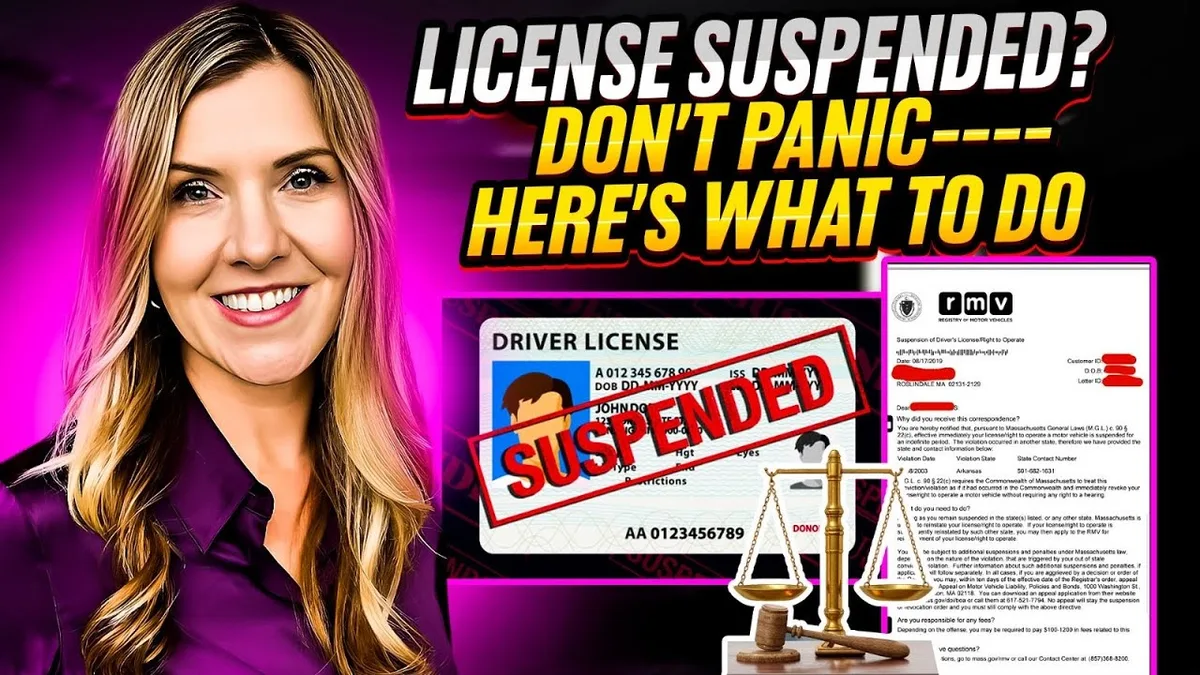
The RMV doesn’t need a conviction to act. Refusing a breathalyzer, for example, triggers an immediate suspension under Massachusetts’ implied consent law (M.G.L. c. 90, § 24(1)(f)).
How Reckless Driving Differs from Speeding, OUI, and Negligent Driving
Not all traffic violations are created equal. Reckless driving is a criminal offense, while speeding is usually civil. The difference comes down to intent: reckless driving requires willful or wanton misconduct, while speeding can be unintentional.
| Violation | Type | License Suspension | Criminal Record | Insurance Impact |
|---|---|---|---|---|
| Reckless driving | Criminal | 30–180 days | Yes | Severe (100%+ hike) |
| Speeding | Civil | Rare (unless extreme) | No | Moderate |
| OUI/DUI | Criminal | 1–3 years | Yes | Severe |
| Negligent driving | Civil | Possible (case-by-case) | No | Moderate |
OUI (Operating Under the Influence) is often confused with reckless driving, but it’s a separate charge with harsher penalties. A first OUI conviction carries a 1-year license suspension, mandatory alcohol education programs, and possible jail time. Reckless driving, by comparison, may not involve alcohol at all, just dangerous behavior behind the wheel.
Negligent driving is another civil infraction, typically for careless mistakes without intent. It won’t land you in jail, but it can still add points to your record.
The Step-by-Step Process: From Traffic Stop to License Suspension
A reckless driving charge doesn’t always lead to a suspension, but the process moves fast. Here’s how it typically unfolds:
1. Traffic stop and citation
An officer pulls you over for erratic driving, excessive speed, or another violation. If they believe you’re driving recklessly, they’ll issue a criminal citation under M.G.L. c. 90, § 24. You’ll receive a court summons with a date for arraignment.
2. Arraignment
At your first court appearance, you’ll enter a plea: guilty, not guilty, or no contest. If you plead not guilty, the court will schedule a pre-trial conference.
3. Pre-trial conference
Here, your attorney (or you, if representing yourself) can discuss the case with the prosecutor. They may offer a plea deal, such as reducing the charge to a non-criminal offense in exchange for a guilty plea.
4. Trial
If your case goes to trial, the prosecutor must prove beyond a reasonable doubt that you drove recklessly. This means showing you operated the vehicle with willful or wanton disregard for safety.
5. RMV notification and suspension
If the court convicts you, they’ll notify the RMV. The RMV will then process your suspension based on the court’s order or their own administrative rules.
6. Reinstatement
To get your license back, you’ll need to:
- Serve the full suspension period
- Pay all fines and fees (including a $100, $500 reinstatement fee)
- Complete any required programs (e.g., driver retraining)
- Provide proof of insurance (SR-22 form for high-risk drivers)
How Long You’ll Lose Your License (First, Second, and Repeat Offenses)
Suspension lengths depend on your record and the severity of the offense. Here’s the breakdown as of 2026:
| Offense Type | First Offense | Second Offense | Third+ Offense |
|---|---|---|---|
| Reckless driving conviction | 30–180 days | 60 days–2 years | 1–2 years |
| Breathalyzer refusal | 180 days | 3 years | 5 years |
| Habitual traffic offender | N/A | N/A | 4 years |
| Reckless driving (injury) | Up to 2 years | Up to 2 years | Up to 2 years |
First-time offenders often get the minimum suspension, especially if they have a clean record. But judges have discretion, if your reckless driving caused an accident or injury, expect the maximum penalty.
The Hidden Costs: Fines, Insurance Hikes, and Surchargeable Points
A reckless driving conviction hits your wallet hard beyond the suspension. Fines start at $20 but can climb to $200 or more for first offenses. Court fees and legal costs add hundreds, sometimes thousands, depending on whether you hire an attorney.
Your insurance takes the biggest hit. Reckless driving is a surchargeable event under Massachusetts’ Safe Driver Insurance Plan. Expect your premiums to double or triple for at least six years.
The RMV also assigns 5 points to your record, which stays visible to insurers for the same period.
Then there are the indirect costs. A suspended license means alternative transportation, whether that’s rideshares, taxis, or public transit. If you drive for work, you might lose income during the suspension period.
How to Fight a Reckless Driving Charge in Court
Your best shot at avoiding a conviction is to challenge the charge early. The prosecution must prove you drove with willful or wanton disregard for safety. If the officer’s report lacks clear evidence of intent, you may have a case for reduction or dismissal.
Common defenses include:
- Lack of intent: Arguing the driving was careless but not reckless
- Procedural errors: Challenging the traffic stop’s legality or evidence handling
- Inaccurate reports: Disputing the officer’s account with witness testimony or dashcam footage
A skilled traffic attorney can negotiate with the prosecutor to reduce the charge to a civil infraction like speeding. This keeps points off your record and avoids a criminal conviction. Even if you can’t get the charge dropped, a plea deal might minimize the suspension length.
What to Do If Your License Is Already Suspended
First, check the suspension notice for the exact start and end dates. Driving during this period is a criminal offense and can lead to additional penalties, including extended suspensions or jail time.
If you believe the suspension is a mistake, you can request a hearing with the RMV. You’ll need to act fast, the deadline to appeal is usually 30 days from the notice date. Bring any evidence that supports your case, such as proof of insurance or documentation of a corrected error.
For those who need to drive for work or medical reasons, a hardship license may be an option. This limited license allows you to drive under specific conditions, but eligibility depends on your offense and driving history.
Hardship Licenses: Who Qualifies and How to Apply
Not everyone is eligible for a hardship license. The RMV typically grants them only for first-time offenders or those with no prior serious violations. You must also demonstrate a critical need, such as driving to work, school, or medical appointments.

To apply, you’ll need to:
- Serve at least 30 days of your suspension (for first-time reckless driving offenses)
- Complete a hardship license application
- Provide documentation proving your need (e.g., employer letter, medical records)
- Pay the required fees
The RMV reviews each application individually. Approval isn’t guaranteed, and if granted, you’ll face restrictions like limited driving hours or routes. Violating these terms can result in an immediate revocation.
Habitual Traffic Offender (HTO) Status: How It Works and How to Avoid It
Massachusetts labels drivers as Habitual Traffic Offenders if they accumulate too many violations within a set period. The thresholds are:
- 3 or more major moving violations in 5 years
- 12 or more minor moving violations in 5 years
- Any combination of major and minor violations totaling 3 or more surchargeable events
Major violations include reckless driving, OUI, and leaving the scene of an accident. Minor violations cover speeding, running red lights, and other less severe infractions.
Once designated as an HTO, your license is revoked for 4 years. Reinstatement requires completing the full revocation period, paying all fees, and passing a written and road test. The best way to avoid HTO status is to drive carefully and address any citations promptly.
Breathalyzer Refusals and Immediate Suspensions
Refusing a breathalyzer in Massachusetts triggers an automatic license suspension under the implied consent law. This isn’t a criminal charge, but the RMV will suspend your license for 180 days on a first refusal. The suspension starts immediately, even before any court date.
Second refusals bring a 3-year suspension. A third refusal means 5 years, and a fourth or subsequent refusal results in a lifetime suspension. These penalties are administrative, meaning they happen regardless of whether you’re later convicted of OUI or reckless driving.
You can appeal the suspension, but you must request a hearing within 15 days of the refusal. Until the hearing, your license remains suspended.
Junior Operators and Commercial Drivers: Stricter Rules You Need to Know
Junior operators (drivers under 18) face harsher penalties for reckless driving. A first offense carries a 1-year license suspension, plus a mandatory driver retraining course. The RMV also imposes a 180-day suspension for any speeding violation, even a first offense.
Commercial drivers (CDL holders) risk their livelihood with a reckless driving conviction. A first offense leads to a 60-day disqualification from operating a commercial vehicle. A second offense within 3 years results in a 120-day disqualification.
A third offense means a 1-year disqualification.
For both groups, the stakes are higher. Junior operators can’t afford any violations, and CDL holders may lose their jobs if they can’t drive commercially.
When to Hire a Traffic Lawyer (And When You Might Not Need One)
A traffic lawyer is worth the cost if you’re facing a reckless driving charge with serious consequences. If your license, job, or insurance rates are on the line, an attorney can negotiate with prosecutors to reduce the charge or minimize penalties. They can also spot procedural errors or weak evidence that might get the case dismissed.
You might not need a lawyer for a first-time minor offense with no injuries or property damage. If the charge is likely to be reduced to a civil infraction, representing yourself could save money. But if you’re unsure about the legal process or the potential outcomes, consulting an attorney is a smart move.
Public defenders are an option if you can’t afford a private lawyer. However, they often have heavy caseloads and may not have as much time to dedicate to your case.
FAQs About Massachusetts Reckless Driving and License Suspensions
How long does a reckless driving conviction stay on my record?
In Massachusetts, a reckless driving conviction stays on your driving record for 6 years. It also remains on your criminal record permanently unless you successfully petition for expungement.
Can I get a reckless driving charge reduced to a lesser offense?
Yes, prosecutors often reduce reckless driving to a civil infraction like speeding, especially for first-time offenders. A lawyer can negotiate this during the pre-trial conference.
What happens if I drive on a suspended license?
Driving on a suspended license is a criminal offense in Massachusetts. Penalties include fines up to $1,000, up to 10 days in jail, and an extended suspension period.
Do I need an ignition interlock device for reckless driving?
An ignition interlock device is typically required only for OUI convictions, not reckless driving. However, a judge may order one for repeat offenders or cases involving alcohol.
How do I check if my license is suspended?
You can check your license status online through the Massachusetts RMV’s website. You’ll need your license number and personal information to access your record.