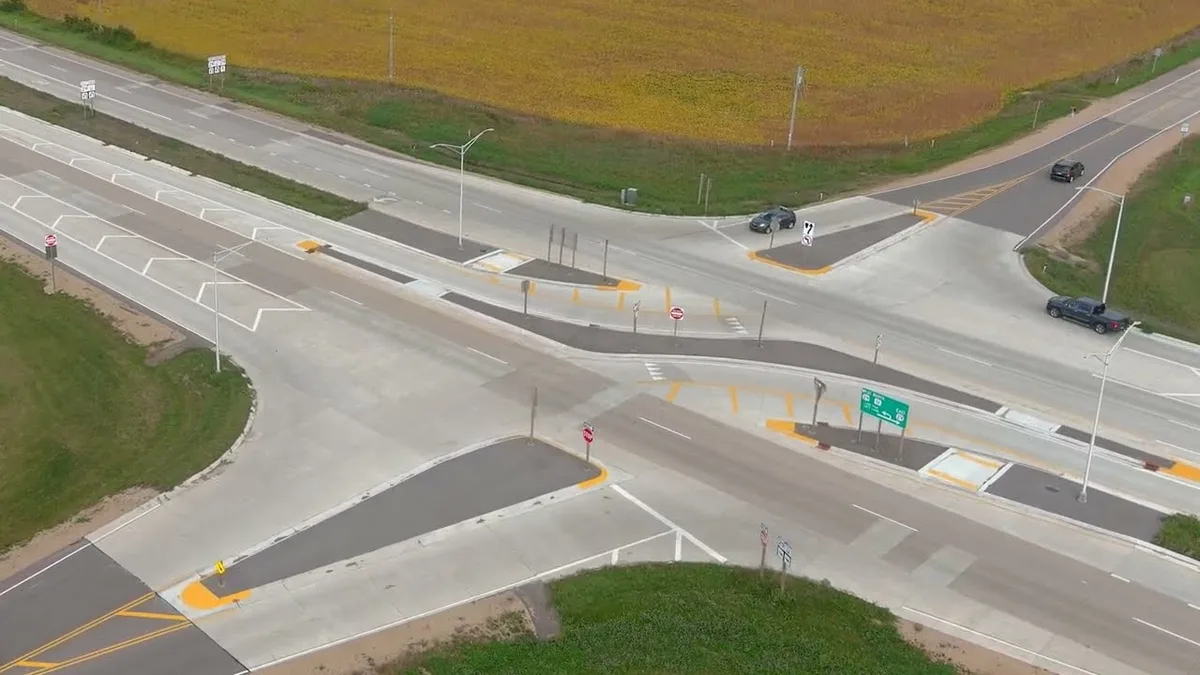
Massachusetts U-turn laws at controlled intersections and highway crossovers can trip up even experienced drivers. The rules change depending on where you are, what signs are posted, and whether you’re at a signal or a median break. Per Massachusetts General Laws Chapter 89, Section 8, the default is that U-turns are legal unless a sign or specific condition prohibits them.
In our research, we found that most violations happen when drivers assume a U-turn is allowed without checking for restrictions. The state’s approach balances traffic flow with safety, but the details matter.
Quick Answer
Massachusetts U-turn laws at controlled intersections and highway crossovers allow U-turns unless signs or conditions prohibit them. At signalized intersections, you must yield to oncoming traffic and pedestrians. Highway crossovers are legal only at designated median openings.
Violations carry fines and license points.
What Massachusetts U-Turn Laws Actually Say
The foundation is Massachusetts General Laws Chapter 89, Section 8. It states that U-turns are permitted unless a traffic control device or specific circumstance bans them.
Controlled intersections include those with traffic signals or stop signs. At these points, you can make a U-turn if it doesn’t interfere with other traffic and no sign prohibits it. The law prioritizes safety and smooth traffic flow.
Highway crossovers are treated differently. On divided highways, U-turns are only allowed at designated openings in the median. These are typically marked with signs or pavement markings.
Where U-Turns Are Legal (and Where They’re Not)
U-turns are legal at most controlled intersections in Massachusetts unless a "No U-Turn" sign is posted. This includes intersections with traffic lights or stop signs, provided you yield to oncoming traffic and pedestrians.
They’re illegal where visibility is limited, such as near curves or hills. You also can’t make a U-turn if it would interfere with emergency vehicles or other traffic.
On highways, U-turns are only allowed at designated crossovers. These are usually marked with signs or breaks in the median. Attempting a U-turn elsewhere on a divided highway is prohibited.
Controlled Intersections: The Rules You Need to Know
At a signalized intersection, you can make a U-turn if the light is green and no sign prohibits it. You must yield to all oncoming traffic and pedestrians before completing the turn.
At stop-sign controlled intersections, the same rules apply. Come to a complete stop, check for oncoming traffic and pedestrians, and proceed only when it’s safe.
If a "No U-Turn" sign is posted, the turn is illegal regardless of other conditions. These signs override the default rules.
Highway Crossovers in Massachusetts: What’s Allowed
Highway crossovers are the designated points where you can cross from one side of a divided highway to the other. In Massachusetts, U-turns are only legal at these marked locations.
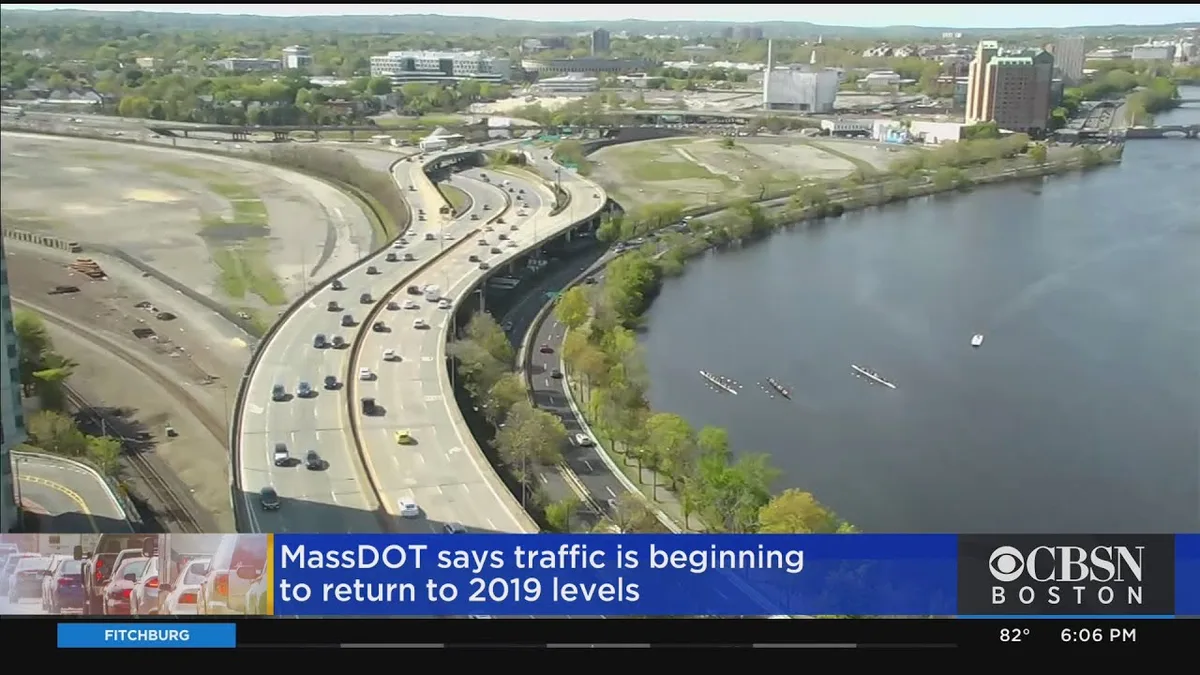
These crossovers are typically found at intervals along divided highways like I-90 or Route 128. They’re designed to allow safe U-turns without disrupting the flow of traffic. Attempting a U-turn outside of these designated areas is illegal and dangerous.
Signs or pavement markings usually indicate where crossovers are located. If you don’t see these indicators, assume U-turns are not allowed.
Signs and Signals That Override the Default Rules
No U-Turn signs are absolute. If you see one, the turn is illegal regardless of other conditions.
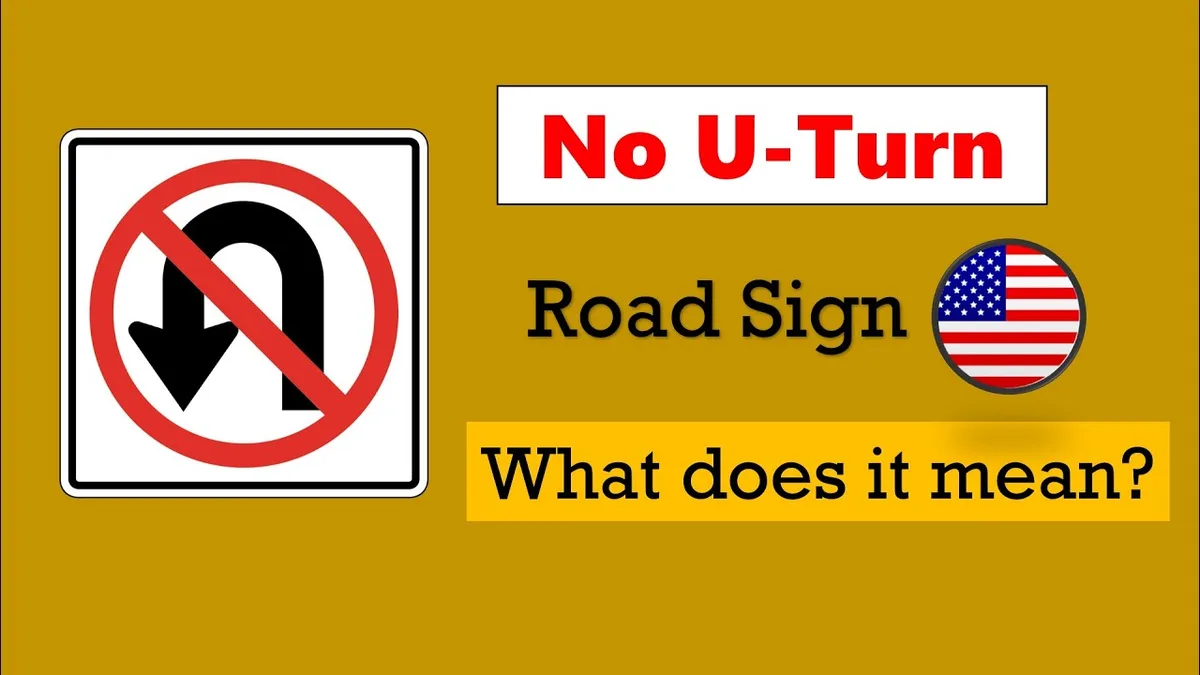
Some intersections have U-Turn Only signs. These permit U-turns but prohibit other turns. Always obey the most restrictive sign present.
Traffic signals don’t automatically permit U-turns. A green light means you can proceed if it’s safe, but a No U-Turn sign still applies.
How to Make a Legal U-Turn in MA (Step by Step)
Check for No U-Turn signs first. If none are present, proceed to the next steps.
Signal your intent early. This gives other drivers and pedestrians time to react.
Yield to all oncoming traffic and pedestrians. You must have a clear path before starting the turn.
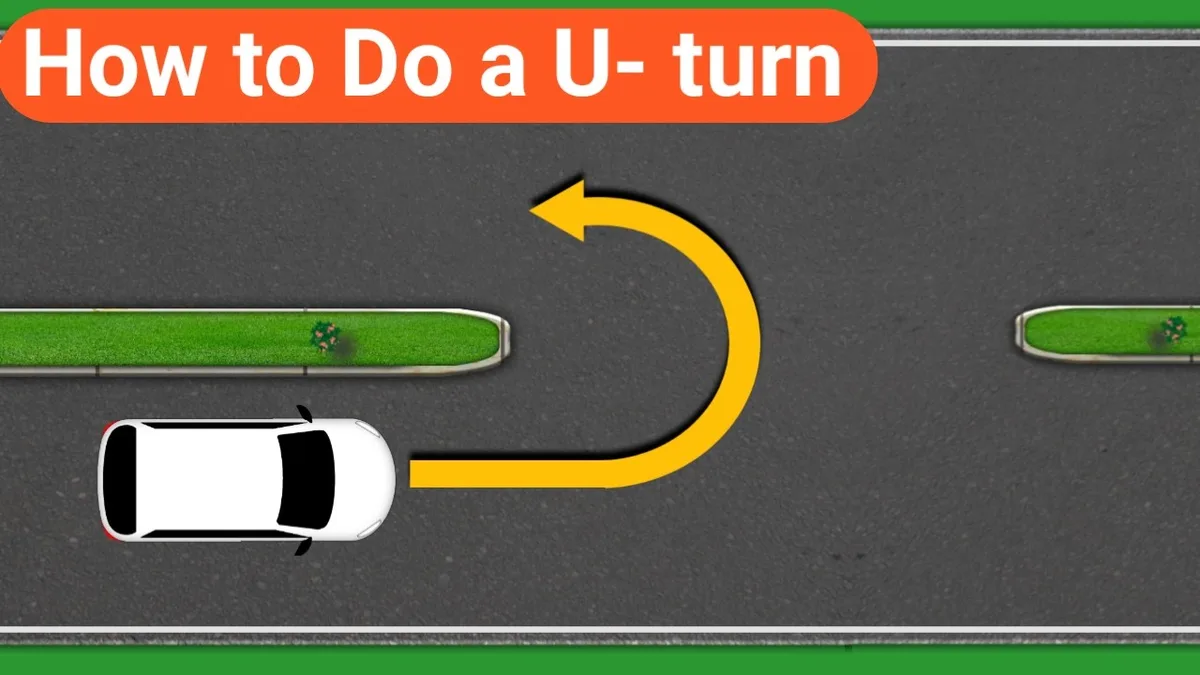
Complete the turn without interfering with other traffic. Blocking lanes or forcing others to stop can still get you ticketed.
When a U-Turn Becomes a Traffic Violation
Making a U-turn where a No U-Turn sign is posted is a clear violation. The fine is typically $35 to $100 in Massachusetts.
U-turns that disrupt traffic flow are also illegal. This includes forcing other drivers to brake or swerve.
Attempting a U-turn on a divided highway outside a designated crossover is prohibited. This is a common mistake that leads to tickets.
Penalties for Illegal U-Turns in Massachusetts
The standard fine for an illegal U-turn is $35 to $100. This varies slightly by jurisdiction.
You’ll also receive 2 points on your license. These points can lead to higher insurance premiums.
In some cases, illegal U-turns can result in more serious charges if they cause an accident. Reckless driving penalties are much steeper.
Common Mistakes That Get Drivers Ticketed
Assuming U-turns are always allowed at green lights is a frequent error. Signs take precedence over signals.
Not yielding to pedestrians during a U-turn is another common violation. Pedestrians always have the right of way.
Attempting U-turns in low-visibility areas is dangerous and illegal. This includes near curves, hills, or in heavy fog.
Special Cases: Emergency Vehicles, Large Trucks, and More
Emergency vehicles can make U-turns when responding to calls, even where signs prohibit them. Civilian drivers must still obey all posted restrictions.
Large trucks and commercial vehicles often face additional U-turn bans. Many intersections and crossovers are too tight for safe turns. Check local ordinances if you drive a commercial vehicle.
School buses have their own rules. They may make U-turns at designated school zones even where others cannot.
How to Fight a U-Turn Ticket (If You Think It’s Wrong)
Request a hearing within 20 days of receiving the citation. This is your first step to contesting the ticket.
Gather evidence to support your case. Photos of missing or obscured signs can help. Witness statements may also be useful.
Review the specific law you’re accused of violating. Massachusetts General Laws Chapter 89, Section 8 outlines U-turn regulations. Knowing the exact wording can strengthen your argument.
Quick Reference: MA U-Turn Rules at a Glance
| Location | U-Turn Allowed? | Key Conditions |
|---|---|---|
| Controlled intersections | Yes | No No U-Turn sign, yield to traffic |
| Highway crossovers | Yes | Only at designated median openings |
| Near curves/hills | No | Low visibility areas |
| Where No U-Turn sign is posted | No | Absolute prohibition |
This table summarizes the core rules. Always check for signs first.
Still Unsure? When to Double-Check the Law
If you’re in an unfamiliar area, look for signs before attempting a U-turn. When in doubt, don’t turn.
For the most current rules, consult the Massachusetts RMV Driver’s Manual. This is the official source for all traffic laws in the state.
If you’re involved in an accident related to a U-turn, contact local law enforcement. They can clarify whether the turn was legal.
Frequently Asked Questions
Can you make a U-turn at a red light in Massachusetts?
No, you cannot make a U-turn at a red light unless a sign explicitly permits it. You must come to a complete stop and wait for a green light or a specific U-turn signal.
Are U-turns allowed at stop signs in MA?
Yes, U-turns are generally allowed at stop signs unless a No U-Turn sign is posted. You must come to a full stop and yield to all traffic and pedestrians first.
What’s the fine for an illegal U-turn in Massachusetts?
The fine for an illegal U-turn is typically between $35 and $100. You’ll also receive 2 points on your driving record.
Can you make a U-turn over a double yellow line in MA?
No, you cannot make a U-turn over a double yellow line. These lines indicate no passing or turning, and crossing them for a U-turn is illegal.
Do U-turn laws differ in Boston versus other parts of MA?
The state laws are consistent, but local ordinances in Boston may add restrictions. Always check for posted signs, as enforcement can be stricter in high-traffic urban areas.