Yes, you can turn right on red in Massachusetts, but only after a full stop and where it’s not prohibited. The Massachusetts right on red law and complete stop requirements at intersections are strict, and breaking them can mean fines or worse.
As of 2026, state law allows right turns on red unless signs say otherwise, but local rules in cities like Boston ban it entirely. Get this wrong, and you risk a ticket or an accident.
Quick Answer
Right on red is legal in Massachusetts. You must come to a complete stop first. Some cities like Boston ban it outright.
Always check for "No Turn on Red" signs.
The Quick Answer: Yes, But With Strict Rules
Massachusetts follows the national standard for right turns on red, but with a key difference: you must make a full stop before turning. No rolling stops, no slowdowns, your wheels have to stop completely.
The rule is clear in the Massachusetts General Laws Chapter 89, Section 8. If you don’t stop fully, you’re breaking the law, even if no one’s around.
Where Right on Red Is Allowed (and Where It’s Banned)
Right on red is legal statewide in Massachusetts unless a sign explicitly prohibits it. That means in most towns, you can turn after stopping, if it’s safe.
But some cities have their own rules. Boston, Cambridge, and Somerville ban right on red everywhere unless a sign permits it.
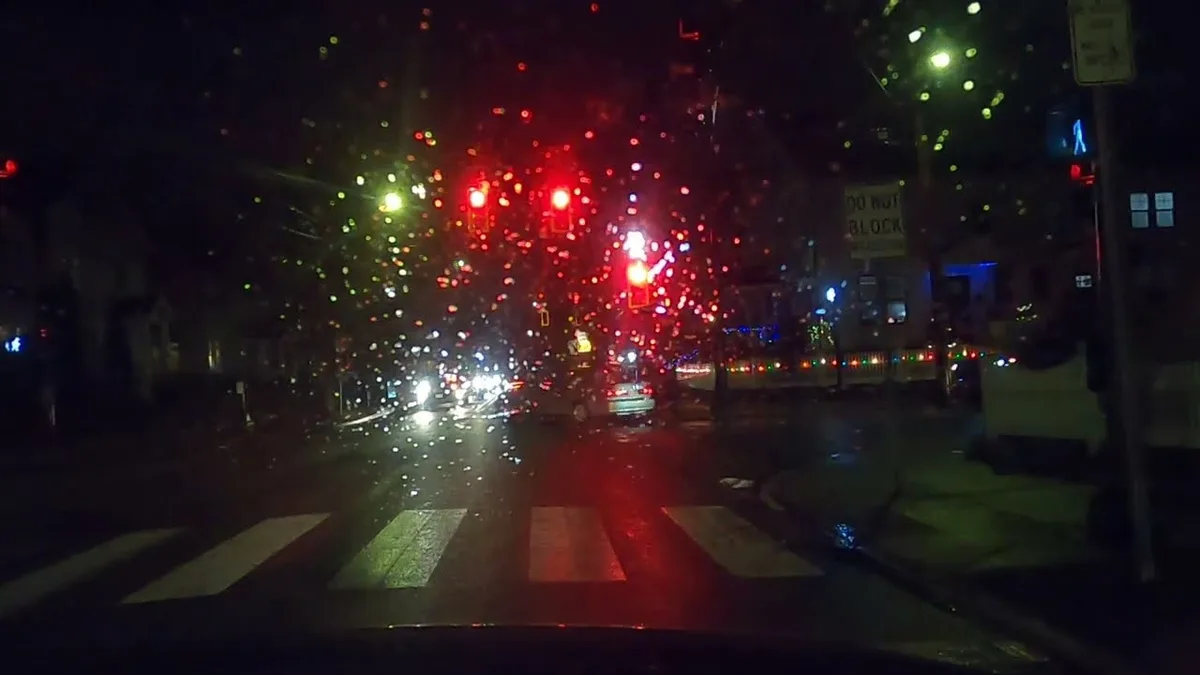
Other municipalities may have local restrictions, so always look for the "No Turn on Red" sign (R10-11a). If you’re unsure, assume you can’t turn.
The Complete Stop Requirement Explained
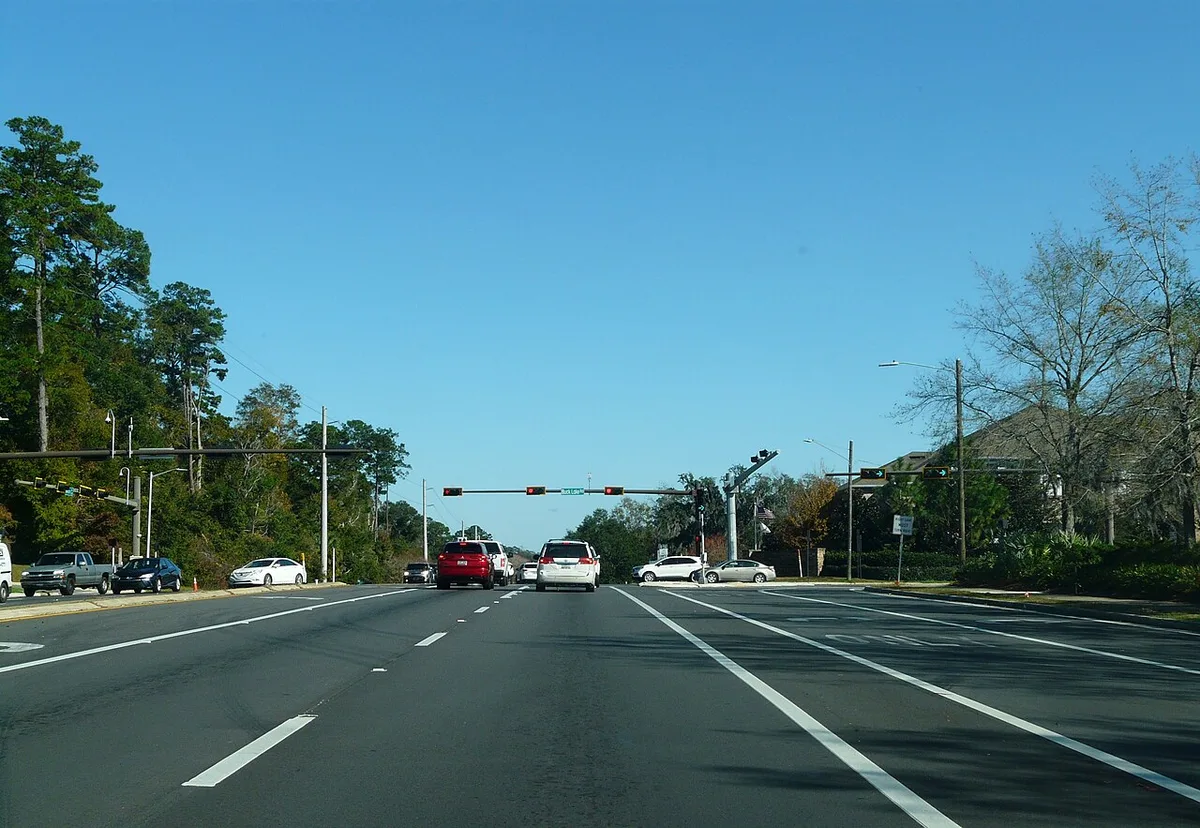
A "complete stop" means your vehicle comes to a full halt behind the limit line or crosswalk. No creeping, no slowing down, your wheels must stop moving entirely.
The law doesn’t specify how long you must stop, but traffic safety experts recommend at least 3 seconds to ensure you’ve checked all directions.
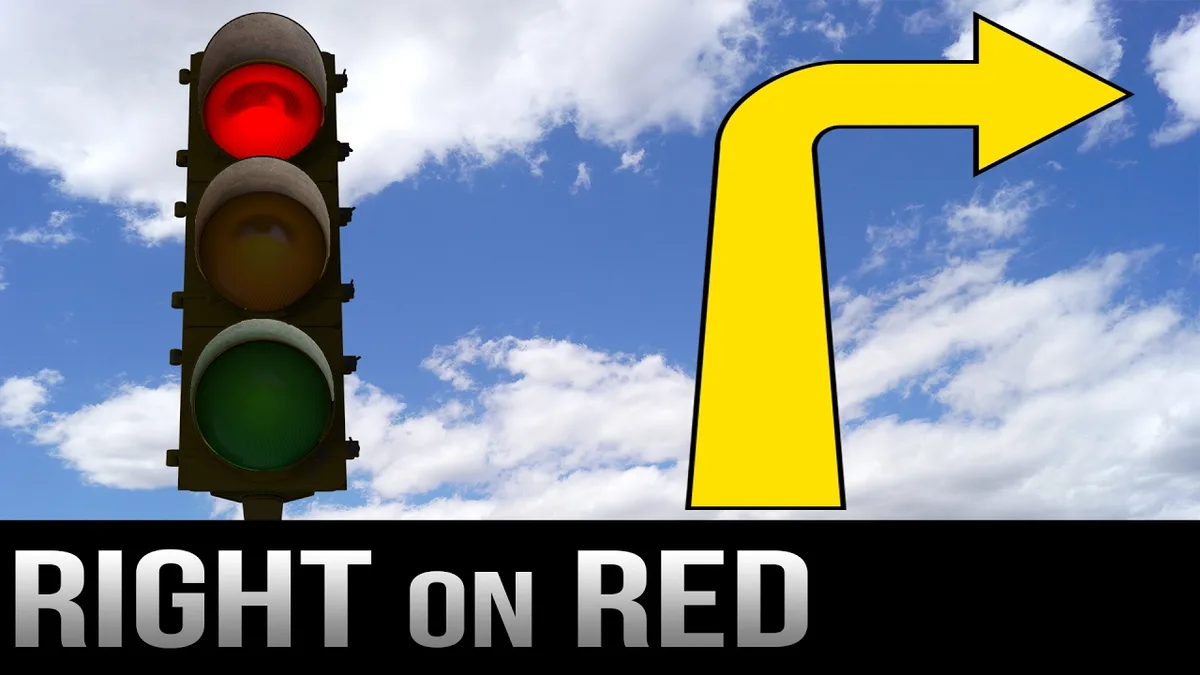
Even if no cars are coming, you must stop. Pedestrians and cyclists have the right of way, and failing to yield can lead to serious accidents.
Step-by-Step: How to Turn Right on Red Legally in MA
Follow these steps every time to stay legal and safe:
- Stop completely behind the limit line or crosswalk.
- Check for signs prohibiting right on red.
- Look both ways for oncoming traffic, pedestrians, and cyclists.
- Signal your turn before moving.
- Proceed only when clear and when it’s legal to do so.
If you skip any step, you’re risking a ticket, or worse, a collision.
Local Exceptions: Cities and Towns That Ban Right on Red
Not all of Massachusetts follows the same rules. Some cities have local ordinances that override the state law.
| City/Town | Right on Red Allowed? | Notes |
|---|---|---|
| Boston | No | Banned citywide unless a sign permits it |
| Cambridge | No | Banned citywide |
| Somerville | No | Banned citywide |
| Other towns | Yes | Unless a "No Turn on Red" sign is posted |
If you’re driving in one of these cities, assume right on red is not allowed unless you see a sign saying otherwise.
Common Mistakes That Get You Ticketed
The most frequent violation is the rolling stop. Drivers slow down but don’t come to a complete halt before turning. Police can and do pull over drivers for this.
Another mistake is turning right on red where it’s banned. Ignoring a "No Turn on Red" sign will earn you a fine.
Failing to yield to pedestrians or oncoming traffic is just as risky. Even if you stop fully, you must wait until it’s safe to proceed.
Why the Full Stop Matters (Safety & Legal Risks)
A full stop gives you time to assess the intersection. Rolling stops reduce reaction time, increasing the chance of hitting a pedestrian or cyclist.
Legally, a rolling stop is the same as running a red light. The fine for a right-on-red violation in Massachusetts is typically $105, but it can go higher with court fees.
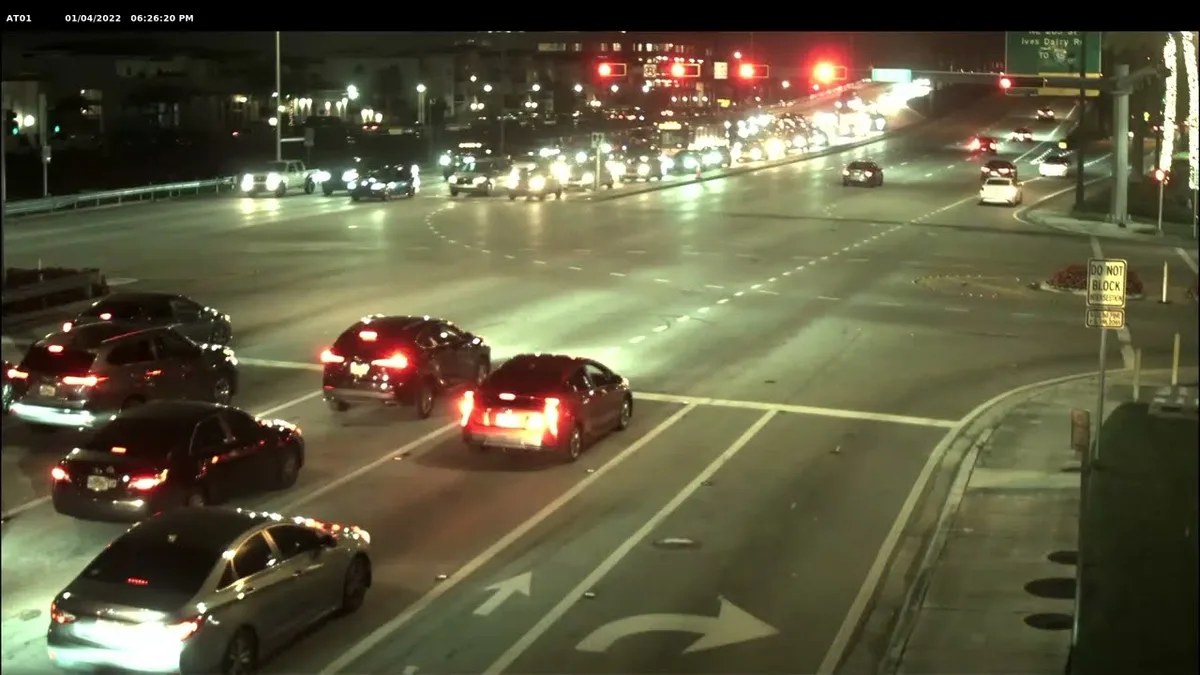
Safety-wise, intersections are high-risk zones. A complete stop ensures you’re not missing anything in your blind spots.
What Happens If You Roll Through a Red Light?
You’ll likely get pulled over if a police officer sees it. The fine starts at $105, but it can increase with additional penalties.
If you cause an accident while rolling through a red light, you could be held liable for damages. Insurance rates may also go up after a citation.
In worst-case scenarios, you could face criminal charges if the accident results in serious injury or death.
Signs to Watch For: "No Turn on Red" and Other Warnings
The "No Turn on Red" sign (R10-11a) is a red circle with a white horizontal bar over a right-turning arrow. If you see this, do not turn right on red.
Some intersections have additional signs, like "Stop Here on Red" or "Right Turn Signal." Always obey these instructions.
If there’s no sign, the default rule applies: stop fully, then turn if it’s safe and legal.
Right on Red vs. Other States: How MA Compares
Most U.S. states allow right on red after a full stop. Massachusetts follows this standard but with stricter local bans.
Some states, like New York City, also have city-wide bans in certain areas. Others, like Idaho, allow right on red unless posted otherwise, similar to Massachusetts.
The key difference in MA is the complete stop requirement. Many drivers from other states are used to rolling stops, which aren’t legal here.
FAQs About Massachusetts Right-on-Red Laws
Is right on red always legal in Massachusetts?
No. It’s allowed statewide unless a sign prohibits it. Boston, Cambridge, and Somerville ban it entirely.
Do I have to stop completely before turning right on red?
Yes. A full stop is required by law. Rolling stops are illegal and can result in a fine.
What’s the fine for a right-on-red violation in MA?
The base fine is $105. Court fees can increase the total cost.
Can I turn right on red if there’s no sign?
Yes, but only after a complete stop and when it’s safe. Always check for pedestrians and oncoming traffic.
Why do some cities ban right on red?
Safety concerns. Dense urban areas like Boston have higher pedestrian and cyclist traffic, making right turns riskier.
Final Takeaway: Stay Safe and Avoid Fines
Right on red is legal in most of Massachusetts, but only after a full stop. Local bans in cities like Boston override the state rule.
Always look for signs and obey them. A complete stop isn’t just the law, it’s the safest way to turn.
If you’re unsure, wait for green. It’s better to be cautious than to risk a ticket or an accident.