ByMax Lee
Massachusetts Vehicle Emission Testing & Inspection Rules
YouTube / WWLP-22News (YouTube thumbnail (fair-use with source credit))
If you drive in Massachusetts, you’ll run into the state’s vehicle emission testing requirements and inspection standards sooner or later. These rules aren’t just bureaucracy, they’re tied to your registration, and skipping them can mean fines or even a suspended plate. As of 2026, most gas-powered cars from 1996 or newer need an annual OBD test, while older vehicles follow different rules.
The process is straightforward once you know the steps, but the details trip up a lot of drivers. For example, a lit Check Engine Light is an automatic fail, and hybrids have their own exemptions.
Quick Answer
Massachusetts requires annual emissions tests for most vehicles to renew registration. Gas-powered cars from 1996 or newer use an OBD test. Older vehicles may need a two-speed idle test.
Diesel and hybrid rules differ. Failures often stem from a faulty catalytic converter or a Check Engine Light.
Do You Need a Massachusetts Emissions Test?
Not every vehicle does. The rule depends on three things: fuel type, model year, and vehicle type.
Gas-powered cars and light trucks from 1996 or newer need an OBD emissions test every year. Vehicles from 1995 or older are exempt from emissions testing but still require a safety inspection.
Hybrids follow the same OBD rules as gas vehicles unless they’re plug-in hybrids with sufficient electric-only range. Diesel vehicles have their own standards, and most electric vehicles are fully exempt from emissions tests.
How Massachusetts Vehicle Emissions Testing Works
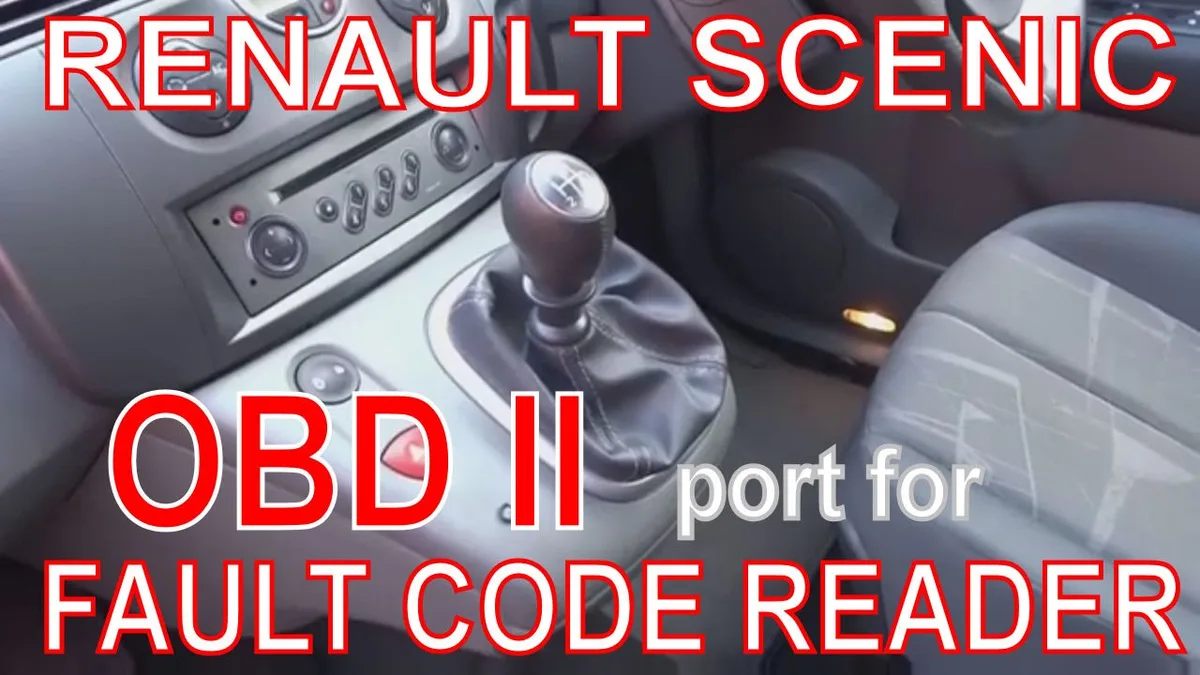
The state uses two main test types. The OBD test plugs into your car’s diagnostic port to check for emissions-related issues. It’s required for most vehicles made after 1996.
YouTube / ifitsgotwheels (YouTube thumbnail (fair-use with source credit))
Older gas vehicles (pre-1996) go through a two-speed idle test, which measures tailpipe emissions at different engine speeds. Diesel vehicles may need an opacity test to check smoke levels.
The test also includes a visual inspection of emissions components. If anything’s been tampered with or removed, that’s an automatic failure. The Massachusetts Department of Environmental Protection sets these standards.
Who’s Exempt from the MA Emissions Test?
Exemptions depend on vehicle type and age. Here’s the breakdown:
| Vehicle Type | Exemption Status |
|---|---|
| Gas vehicles (1995 or older) | Exempt from emissions, safety test required |
| Electric vehicles (EV) | Fully exempt from emissions testing |
| Most hybrids | Follow OBD test rules like gas vehicles |
| Plug-in hybrids (PHEV) | Some exempt if electric range meets criteria |
| Diesel vehicles (pre-1997) | Often exempt, but check model year rules |
| Motorcycles | Exempt from emissions testing |
| Classic/antique cars | Exempt if registered as antique |
Even if your vehicle is exempt from emissions, you’ll still need a safety inspection to renew your registration.
Where to Get Your MA Emissions Test Done
You can’t just go anywhere. Massachusetts requires emissions tests at licensed inspection stations. These are typically private garages, service centers, or dedicated inspection facilities authorized by the state.
Most stations offer both emissions and safety inspections, so you can knock out both at once. You’ll find them in nearly every town, but rural areas may have fewer options. The Massachusetts RMV has a station locator tool to help you find the nearest one.
Walk-ins are usually fine, but some stations let you schedule an appointment. Bring your vehicle registration and payment, most places accept cash, credit, or debit. The test itself takes about 15-20 minutes if there’s no wait.
Step-by-Step: What Happens During the Test
You’ll drive to a licensed station and hand over your keys. The technician starts with a VIN verification to confirm your vehicle’s details match the registration.
Next comes the OBD scan for 1996 and newer vehicles. The tester plugs into the port under your dash to check for emissions-related trouble codes. If your car isn’t “ready” for testing, you may need to drive it more before retesting.
YouTube / WWLP-22News (YouTube thumbnail (fair-use with source credit))
For older vehicles, they’ll run a two-speed idle test. This measures tailpipe emissions at different RPMs. Diesel vehicles may get an opacity test to check smoke levels.
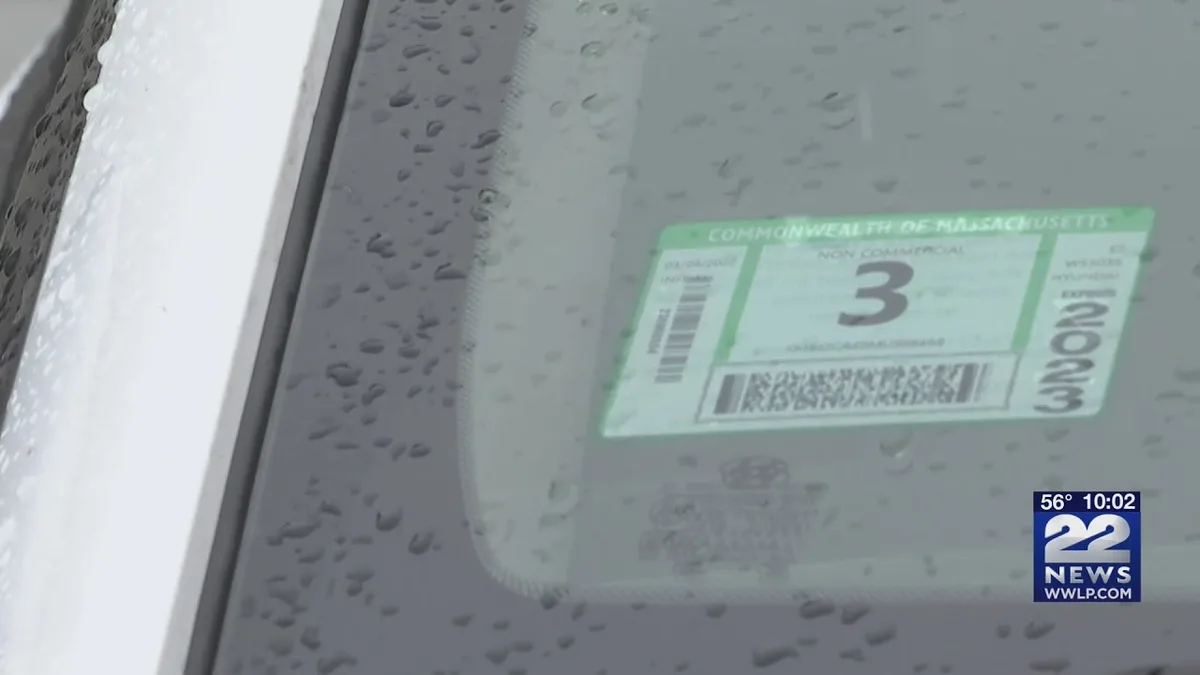
The process ends with a visual check of emissions components. If everything passes, you’ll get a new inspection sticker for your windshield.
What Causes a Massachusetts Emissions Test Failure?
A lit Check Engine Light is the most common reason for an automatic fail. Even if the issue isn’t emissions-related, the test won’t proceed.

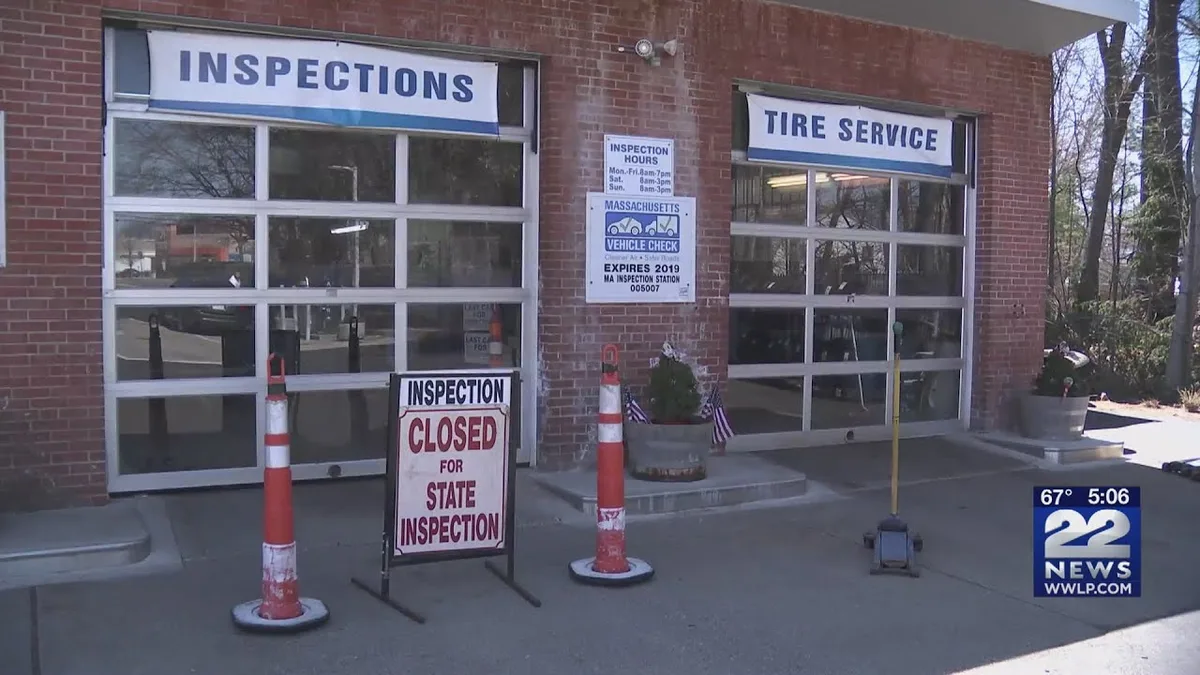
Wikimedia Commons / Elle Starkman, PPPL Office of Communications, and ITER
Failing tailpipe emissions is another frequent issue. This usually points to a problem with your catalytic converter, oxygen sensors, or fuel system. Tampering with emissions equipment, like removing a catalytic converter, is also an instant failure.
Even small things can trip you up. A loose or damaged gas cap can trigger an evaporative emissions failure. The test also checks for visible smoke from the tailpipe, which can fail diesel vehicles.
How to Fix a Failed Emissions Test in MA
Start with the simplest fix. If your Check Engine Light is on, use an OBD-II scanner to read the codes. Many auto parts stores will do this for free.
Common repairs include replacing a faulty oxygen sensor or fixing a leak in the evaporative emissions system. A clogged catalytic converter often needs replacement, which can be costly. Always get a diagnostic from a trusted mechanic before spending on repairs.
If you’ve spent at least $650 on emissions-related repairs and still fail, you may qualify for a waiver. You’ll need receipts and must apply through the RMV. This waiver is good for one year, but you’ll need to retest after that.
MA Emissions Test Waivers: Do You Qualify?
You must meet three conditions. First, your vehicle must have failed the emissions test. Second, you need to spend a minimum of $650 on qualifying repairs.
Third, you have to apply within 60 days of the failed test. The waiver covers you for one year, but you’ll need to retest when it expires. Not all repairs count, so keep detailed receipts and confirm they’re emissions-related.
The waiver doesn’t apply to safety inspection failures. It’s also not available for vehicles that fail due to tampering with emissions equipment.
Costs, Fees, and Retest Rules in Massachusetts
The emissions test costs $35 as of 2026. If you combine it with the safety inspection, you’ll pay $35 for each, totaling $70. Some stations offer discounts for bundling both tests.
If you fail, you’ll need to pay for repairs and then retest. The retest fee is typically the same as the initial test. However, some stations offer free retests if you return within a certain timeframe, usually 14 days.
Payment methods vary by station. Most accept cash, credit, and debit cards. Always confirm before you go, as some may not take certain payment types.
Hybrid and Electric Vehicles: Special MA Rules
Hybrids follow the same OBD test rules as gas vehicles. They must pass the standard emissions check unless they meet specific electric-only range criteria.
Plug-in hybrids with an EPA-rated electric range of at least 50 miles are exempt from emissions testing. Fully electric vehicles don’t need emissions tests at all, but they still require a safety inspection.
Even exempt vehicles must display a valid inspection sticker. The RMV treats EVs and qualifying PHEVs the same as gas vehicles for registration purposes.
Diesel Vehicles and Other Edge Cases
Diesel vehicles from 1997 and newer typically need an opacity test. This measures the smoke coming from your tailpipe during acceleration.
Pre-1997 diesels are often exempt, but it depends on the model year and weight. Heavy-duty diesels may have different requirements. Always check with the RMV if you’re unsure.
Motorcycles and vehicles registered as antiques don’t need emissions tests. However, they still must pass the annual safety inspection to stay legal on the road.
Common Mistakes That Get People Fined
Driving with an expired inspection sticker is the most common mistake. The fine starts at $50 and can go up if you don’t address it quickly.
Ignoring a Check Engine Light is another big one. Even if the issue seems minor, it can cause an automatic emissions test failure. Some drivers also forget that tampering with emissions equipment is illegal and can lead to hefty fines.
Skipping the test entirely is a bad idea. The RMV will flag your registration, and you won’t be able to renew it until you pass.
FAQs About Massachusetts Vehicle Inspection Standards
How often do I need an emissions test in MA?
Most vehicles need an annual emissions test. Gas-powered cars from 1996 or newer use the OBD test. Older vehicles may need a two-speed idle test instead.
What happens if I fail the emissions test?
You’ll get a failure notice with the reason. You’ll need to fix the issue and retest. If repairs cost at least $650, you may qualify for a waiver.
Are electric vehicles exempt from emissions testing?
Yes, fully electric vehicles don’t need emissions tests. However, they still require a safety inspection to renew registration.
Can I get a waiver for my emissions test failure?
You may qualify if you’ve spent at least $650 on emissions-related repairs. You must apply within 60 days of the failed test and provide receipts.
How much does a Massachusetts emissions test cost?
The emissions test costs $35 as of 2026. If you combine it with the safety inspection, the total is $70 at most stations.
What should I do if my Check Engine Light is on?
Get it checked before your test. A lit Check Engine Light is an automatic failure. Many auto parts stores will scan the code for free.