Michigan license plate frame law and state name visibility requirements can save you from a fix-it ticket if you know the rules. A simple frame or cover can block the "Michigan" text or county name, and that’s enough for a citation under state law.
Per Michigan Vehicle Code 257.225, the rear plate must be securely fastened and fully legible, with no obstructions. As of 2026, officers can issue fines up to $150 for violations, so a quick check now beats a stop later.
Quick Answer
Michigan license plate frame law and state name visibility requirements are clear. The state name and county designation must stay visible. Frames can’t cover any part of the plate’s text.
Violations can result in a civil infraction.
Why Michigan Plate Frame Law Accuracy Matters
This isn’t just about aesthetics. An obscured plate can delay a traffic stop or lead to unnecessary fines. Law enforcement relies on visible registration details for identification and safety.
Michigan’s rules are specific, and ignorance isn’t a defense. A small oversight with a frame can turn into a bigger headache if you’re pulled over.
Core Explanation: MCL 257.225 and Rear Plate Display
Michigan requires only a rear license plate for most vehicles. The law, MCL 257.225, mandates that the plate be displayed horizontally, securely fastened, and free from any obstructions.

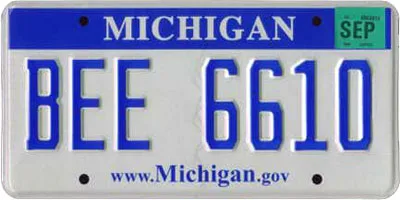
The plate must be clearly legible from 50 feet during daylight. This includes the state name at the top, the registration number, and the county designation at the bottom. Any frame or cover that hides these elements violates the law.
Michigan does not require a front plate, so all compliance efforts focus on the rear. This simplifies things for vehicle owners but doesn’t reduce the importance of proper display.
Features That Make or Break a Legal Frame
A legal frame has a few key traits. It must not cover the plate’s edges, especially the top where "Michigan" appears. The frame’s border should be thin enough to avoid obscuring any text.
Materials matter too. Non-reflective frames are preferred to prevent glare that could make the plate harder to read. Plastic or metal frames are common, but they must not interfere with visibility.
Some frames include decorative elements or logos. These are fine as long as they don’t block any part of the plate’s required information.
Common Mistakes: Frames That Hide "Michigan" or County Name
One of the most frequent issues is a frame that covers the top or bottom of the plate. Even a small overlap can hide the state name or county designation, which is enough for a citation.
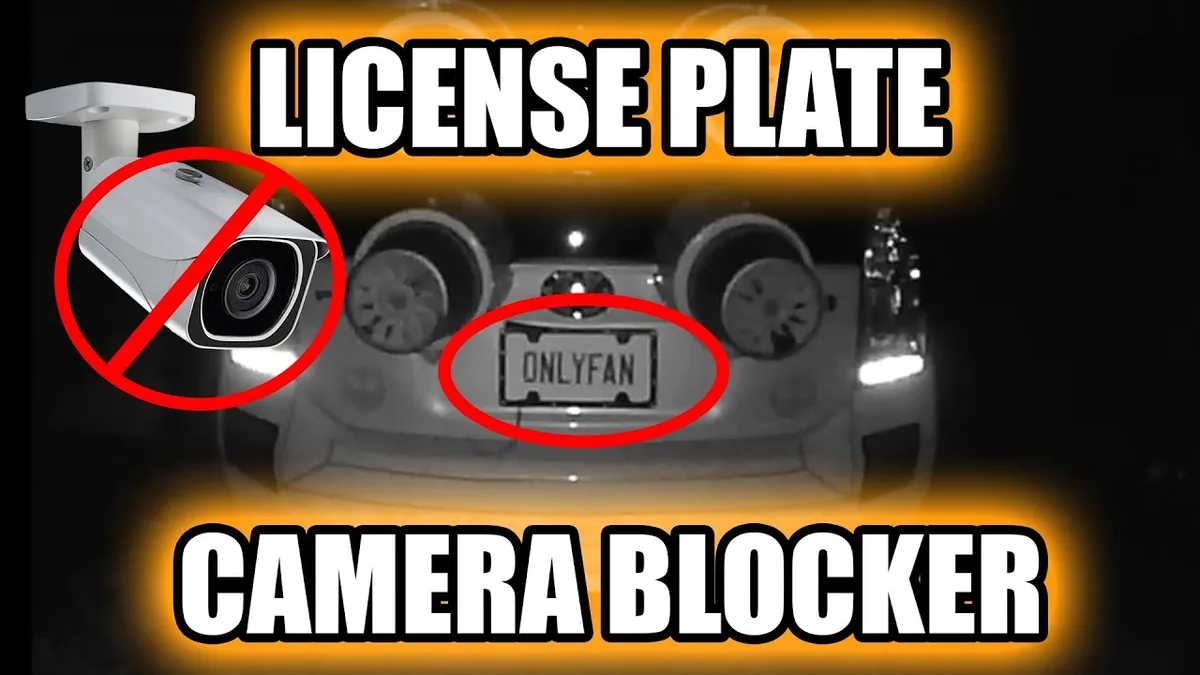
Tinted covers are another problem. While they might protect the plate, they can make the text harder to read, especially in low light. Clear covers are a safer choice if you want to use one.
Rust or damage to the frame can also cause issues. A corroded frame might tilt or shift, partially covering the plate.
Risks and Penalties for Obstructed Plates
An obscured plate can lead to a civil infraction under MCL 257.225. The fine typically ranges from $100 to $150, depending on the jurisdiction.
Officers may also issue a fix-it ticket, requiring you to correct the issue within a set timeframe. Failure to comply can result in additional penalties or even a court appearance.
Safe Practices for Buying and Mounting Frames
Choose a frame with a slim profile that doesn’t overlap the plate’s edges. Avoid thick borders or designs that could cover the state name or county designation.
When mounting, ensure the plate sits flush against the frame. A tilted plate can obscure text and lead to visibility issues.
Check the frame’s material as well. Non-reflective finishes prevent glare, which can make the plate harder to read in certain lighting conditions.
Step-by-Step: How to Check Your Plate Stays Compliant
Start by standing 50 feet away from your vehicle in daylight. The entire plate, including the state name and county designation, should be clearly visible.
Next, inspect the frame for any overlap. Even a small portion covering the plate’s text can cause problems.
Finally, test at night with your vehicle’s lights on. The plate should remain legible under illumination.
Michigan vs. Neighboring Plate Frame Rules
Michigan’s rules are straightforward: no obstructions, and only a rear plate is required. Neighboring states like Ohio and Indiana have similar visibility requirements but may differ in other details.
Ohio, for example, requires both front and rear plates for most vehicles. Indiana also mandates dual plates but has specific rules about plate covers.
Always check the local laws if you travel frequently between states. What’s legal in Michigan might not be in another jurisdiction.
Winter Salt and Frame Corrosion in Michigan
Michigan’s winter conditions can accelerate frame corrosion. Salt and moisture can cause rust, which may lead to a frame shifting or tilting over time.
Regular inspections during winter months can prevent issues. If you notice rust or damage, replace the frame to ensure compliance.
When to Ask the Secretary of State or Police
If you’re unsure whether your frame complies, the Michigan Secretary of State office can clarify. They provide official guidance on plate display requirements.
Local police departments can also offer advice. They enforce these laws daily and can confirm what’s acceptable.
For official documentation, refer to the Michigan Legislature website for the full text of MCL 257.225.
FAQs on Michigan License Plate Frames
Can I use a tinted cover on my Michigan plate?
No. Tinted covers can reduce visibility and violate the law. Clear covers are the only safe option if you want protection.
What’s the fine for an obstructed plate in Michigan?
The fine typically ranges from $100 to $150. Officers may also issue a fix-it ticket requiring correction within a set time.
Does Michigan require a front license plate?
No. Michigan only requires a rear plate for most vehicles. This simplifies compliance but doesn’t reduce the need for proper display.
Can a frame cover the county name on my plate?
No. The county designation must remain fully visible. Any frame that covers it violates state law.
How often should I check my plate frame for compliance?
Inspect it at least once a month. Winter conditions can accelerate wear, so more frequent checks are wise during harsh weather.
Verified Compliance Summary
Michigan’s law is clear: keep the plate fully visible. The state name, registration number, and county designation must all be unobstructed.
Frames should be slim, non-reflective, and securely mounted. Regular checks ensure compliance and avoid fines.
When in doubt, consult the Secretary of State or local police. They can confirm whether your setup meets the legal standard.