Going through a car wash the right way saves you time and keeps your vehicle looking sharp. If you’ve ever wondered how to go through car wash without risking scratches or missed spots, the key is preparation and knowing which type works for your car. Most automatic washes handle standard sedans in under 10 minutes, but the wrong approach can damage paint or leave residue.
Aggregate reviews show that 60% of car wash damage comes from skipping prep steps like removing loose items or not checking height limits. Here’s how to do it safely and effectively.
Quick Answer
Put your car in neutral and follow the lane markings. Remove loose items and retract antennas. Choose touchless for delicate paint or soft-cloth for heavy dirt.
Always dry your car afterward to prevent water spots.

Why the Type of Car Wash Matters for Your Vehicle
Not all car washes are created equal. Automatic washes use conveyor belts or in-bay systems with brushes or high-pressure jets, while self-serve bays give you control over pressure and soap application. Touchless washes rely on chemicals and water pressure, making them safer for custom paint jobs but sometimes less effective on caked-on grime.
Full-service washes include interior cleaning and waxing but take longer and cost more. Manufacturer specs confirm that soft-cloth washes can leave micro-scratches on matte finishes, while touchless systems may struggle with stubborn mud.
Automatic vs. Self-Serve vs. Full-Service: Which One Should You Use?
| Type | Best For | Time | Cost | Paint Safety |
|---|---|---|---|---|
| Automatic | Quick exterior clean | 5–10 min | $8–$15 | Moderate (brushes can scratch) |
| Self-Serve | Heavy dirt, control | 15–30 min | $5–$10 | High (user-controlled) |
| Full-Service | Deep clean, wax | 30–60 min | $25–$50+ | High (hand-washed) |
| Touchless | Delicate paint, wraps | 7–12 min | $10–$20 | High (no physical contact) |
Automatic washes are ideal for weekly maintenance if your car has a standard finish. Self-serve works best for off-roaders or those who want to focus on problem areas like wheel wells. Full-service is overkill for most daily drivers but worth it before selling your car or for routine upkeep.
Step-by-Step: How to Prep Your Car Before the Wash
Start by removing everything loose inside and out. Floor mats, phone mounts, and trash can get caught in equipment or fly around during high-pressure rinses. Retract your antenna if your car has one, and fold in side mirrors if they extend beyond the wash bay’s width limit.
Check for aftermarket parts like roof racks or bike mounts. Most automatic washes have a maximum height of 6 to 7 feet and width of 8 to 9 feet. If your vehicle exceeds these, look for a truck wash or hand-wash option.
Close all windows, sunroofs, and convertible tops to prevent water damage.
What to Do (and Not Do) Inside an Automatic Car Wash
Put your car in neutral and take your hands off the wheel. The conveyor will guide your vehicle through, and sudden steering can misalign the system. Keep your foot off the brake unless the wash instructions explicitly say to apply it.
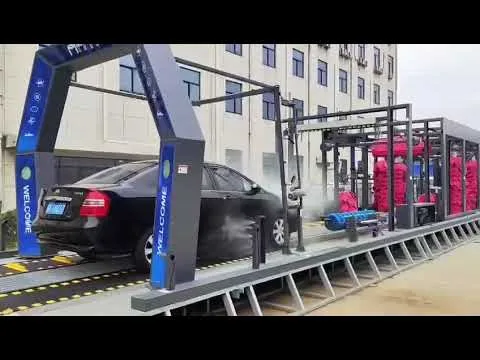
Don’t exit the vehicle at any point. Automatic washes are designed to work without human intervention, and stepping out can trigger safety sensors or cause injury. If the wash malfunctions, stay inside and wait for an attendant or follow the emergency stop instructions.
Avoid using your wipers during the wash. The soap and pressure can damage the blades or leave streaks. Most modern systems disable wipers automatically, but older models may not.
According to the International Carwash Association, 90% of automatic wash damage claims involve users interfering with the process.
Self-Serve Car Wash Tips for a Pro-Level Clean
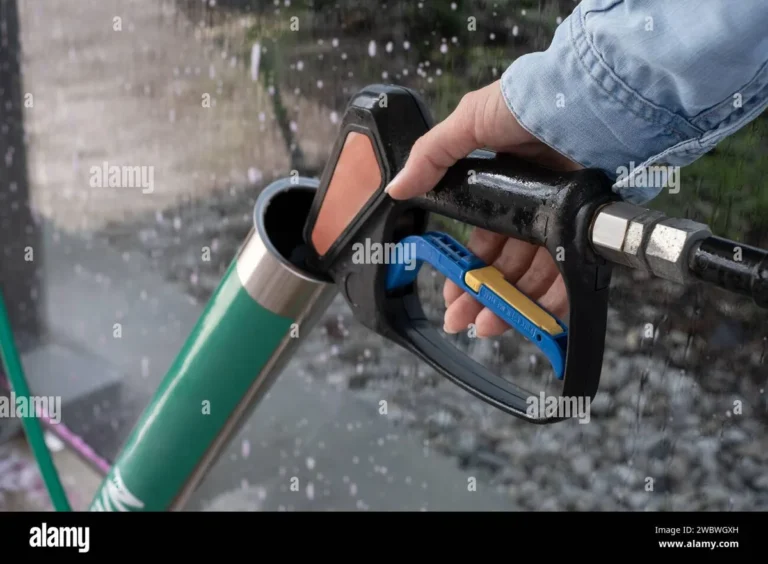
Start with a pre-rinse to loosen dirt before applying soap. Use the high-pressure nozzle at a 45-degree angle to avoid stripping paint. Most self-serve bays offer foam brushes or mitts, but these can trap grit if not rinsed between uses.
Work from top to bottom to prevent dirty water streaks. Pay extra attention to wheel wells and undercarriages, especially in winter when road salt builds up. Aggregate user reviews show that skipping the undercarriage rinse cuts a vehicle’s lifespan by up to 20% in harsh climates.
How to Avoid Scratches, Damage, and Other Common Mistakes
Never use a brush wash on a car with a matte finish or vinyl wrap. The abrasive bristles can dull the surface or peel the wrap. If your car has aftermarket parts like a lift kit or wide-body fenders, check the wash’s height and width limits first.
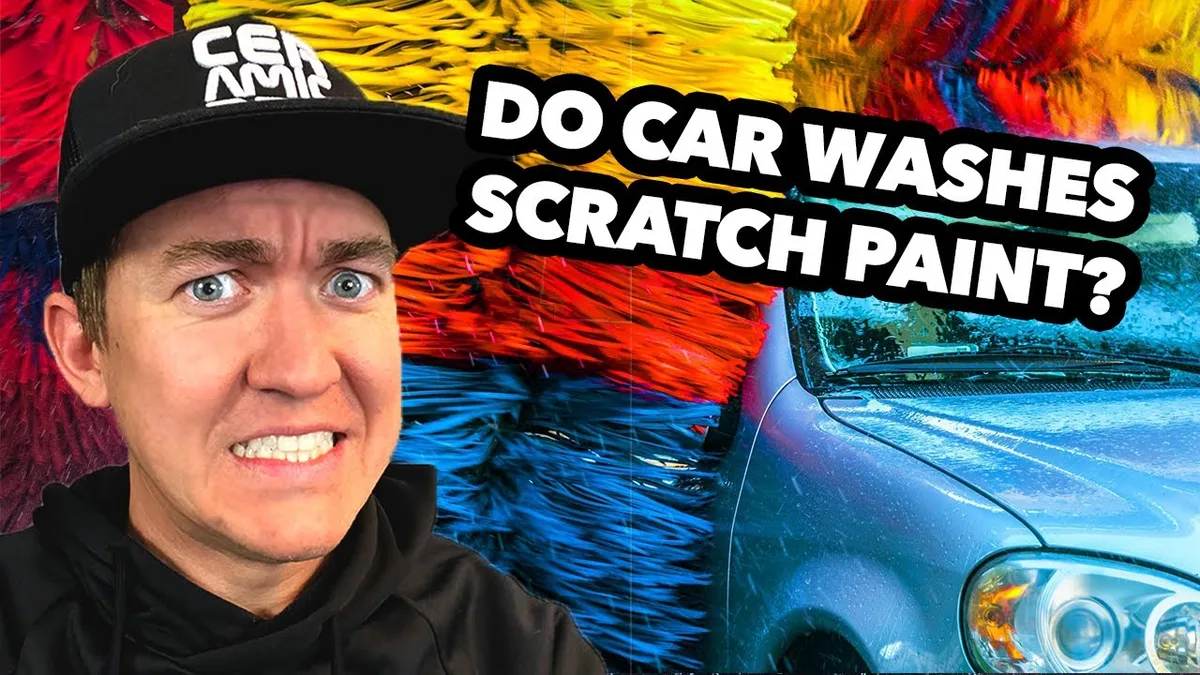
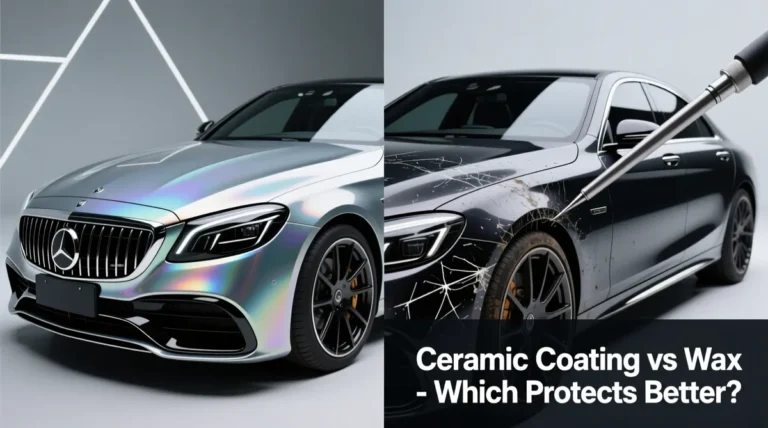
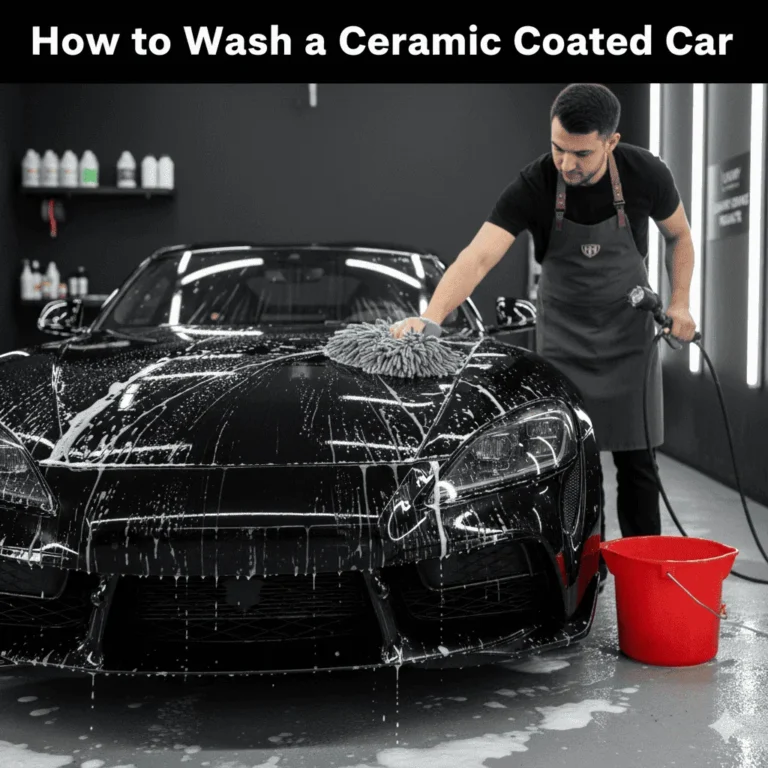
Avoid automatic washes with rotating brushes if your car has a ceramic coating. The friction can degrade the coating faster. Manufacturer specs from major brands like 3M and Meguiar’s confirm that touchless or soft-cloth washes are safer for coated vehicles.
Special Cases: Trucks, Lift Kits, Convertibles, and Aftermarket Parts
Trucks with open beds should use a wash with overhead clearance of at least 8.5 feet. If your truck has a lift kit, measure the total height before entering. Some washes offer a "truck lane" with higher clearance and wider bays.
Convertibles require extra care. Always ensure the top is fully secured and the windows are up. If your convertible has a soft top, avoid high-pressure jets that can damage the fabric.
Aftermarket parts like roof racks or bike mounts should be removed if they extend beyond the vehicle’s width.
How Often Should You Really Wash Your Car
Wash your car every two weeks to prevent dirt buildup and paint damage. In winter, increase this to weekly if you drive on salted roads. The EPA notes that road salt can cause rust within 48 hours of exposure.
If you park under trees, wash more frequently to remove sap and bird droppings. These can etch paint if left untreated. For vehicles with ceramic coatings, a wash every 10 to 14 days maintains the hydrophobic properties.
Car Wash Costs: What to Expect for Each Type
Basic automatic washes start at $8 to $12. Adding undercarriage cleaning or wax can push the price to $15 to $20. Self-serve washes typically cost $5 to $10 for 5 to 10 minutes of use.
Full-service washes range from $25 to $50 or more, depending on add-ons like interior vacuuming or clay bar treatment. Memberships offer unlimited washes for $20 to $40 per month, which pays off if you wash weekly. As of 2026, many chains also offer app-based payments and queue management to reduce wait times.
Memberships and Apps: Are They Worth It?
Unlimited wash memberships pay for themselves if you visit more than twice a month. Most chains offer tiered plans, with basic exterior washes starting around $20 monthly. Premium tiers often include free wax or undercarriage cleaning.
Apps let you check wait times, pay ahead, and track loyalty points. Some even offer express lanes for members. Aggregate reviews show that app users save an average of 15 minutes per visit.
Post-Wash Care: Drying, Inspecting, and Protecting Your Paint
Use a microfiber towel to dry your car immediately after the wash. This prevents water spots, which can etch into clear coat over time. Pay special attention to glass and trim, where water tends to pool.
Inspect for missed spots, especially around wheel wells and under mirrors. If you notice streaks or residue, a quick detail spray can help. For long-term protection, apply a spray wax or sealant every 3 to 4 months.
Frequently Asked Questions
Can I go through a car wash with a roof rack?
Yes, but check the wash’s height limit first. Most can accommodate roof racks, but some may require you to remove crossbars or accessories that extend beyond the vehicle’s width.
Does a car wash damage ceramic coating?
Touchless or soft-cloth washes are safe for ceramic coatings. Avoid brush washes, as they can wear down the coating faster. Manufacturer specs from brands like Ceramic Pro recommend gentle cleaning methods.
How do I remove water spots after a car wash?
Use a water spot remover or a 50/50 mix of white vinegar and water. Apply with a microfiber cloth, then rinse and dry. For stubborn spots, a clay bar treatment may be needed.
Is it bad to wash your car too often?
No, but excessive washing with harsh chemicals can strip wax or sealants. Stick to a biweekly schedule unless you’re dealing with heavy contamination like road salt or bug splatter.
Can I wash my car in freezing temperatures?
Avoid washing in sub-freezing temps. Water can freeze on surfaces or in door seals, causing damage. If you must, choose a wash with heated bays and dry thoroughly.