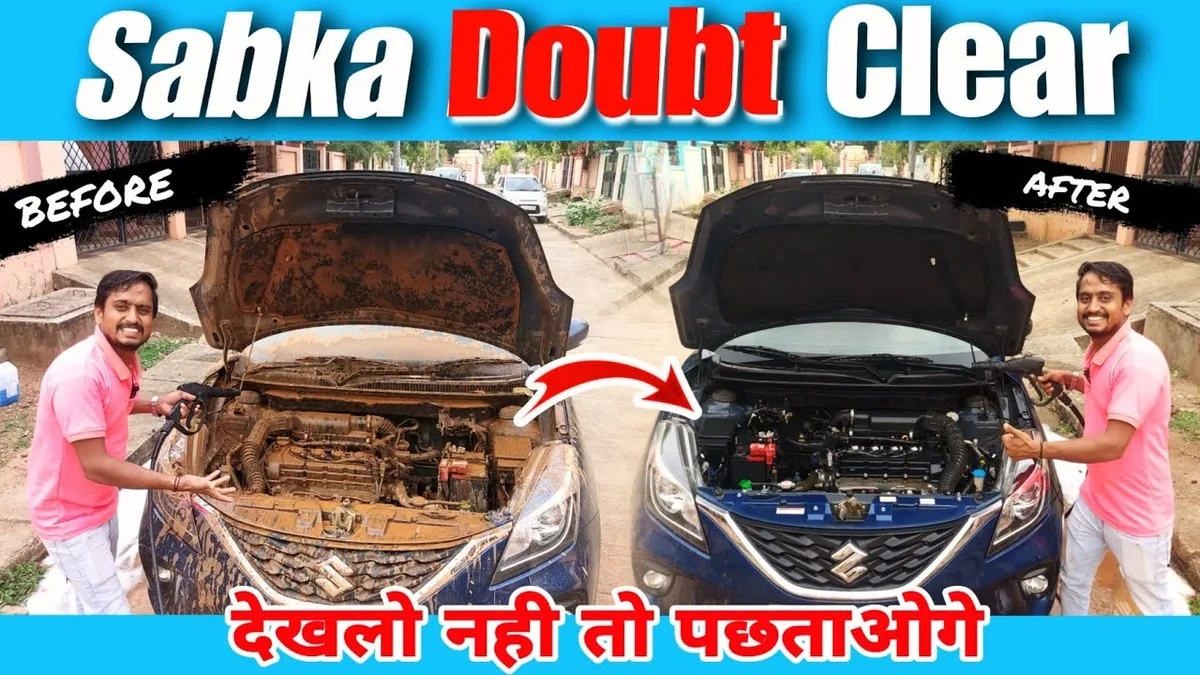
Washing your car engine isn’t just about looks, it can prevent overheating and help you spot leaks early. If you’ve ever wondered how to wash car engine safely, the key is avoiding water where it doesn’t belong.
Manufacturer specs confirm that water pressure above 1,200 PSI can damage seals and wiring. As of 2026, most modern engines handle light cleaning well, but the right tools and technique matter.
Quick Answer
Washing a car engine requires covering electrical parts first. Use a degreaser and a low-pressure rinse. Always dry thoroughly to prevent corrosion.
Never spray water directly on the battery or fuse box.
Should You Wash Your Car Engine? (And When It’s a Bad Idea)
A clean engine runs cooler and lasts longer, but it’s not always necessary. If your engine bay is caked in oil or dirt, cleaning it can improve airflow and make maintenance easier. However, if your car is older or has exposed wiring, the risks may outweigh the benefits.
Modern engines with sealed components generally handle light cleaning well. Skip this if your engine has known electrical issues or if you’re not confident in covering sensitive parts.
Why a Clean Engine Actually Matters
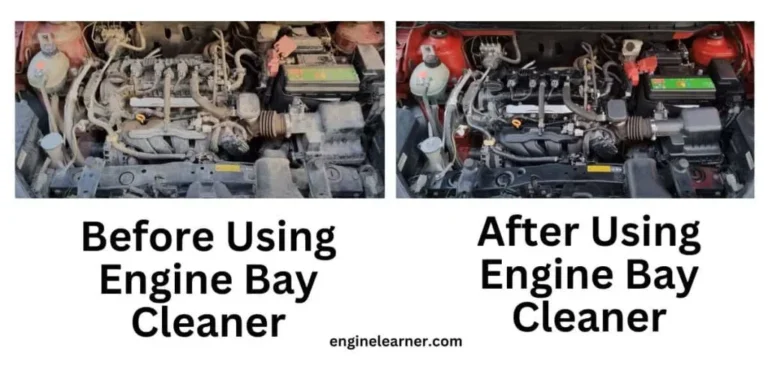
Dirt and grease trap heat, which can lead to overheating over time. A clean engine bay also makes it easier to spot fluid leaks, cracked hoses, or worn belts before they become major problems.
Aggregate reviews from professional detailers report that vehicles with clean engine bays often have fewer electrical issues. Grime buildup can attract moisture and cause shorts. Plus, a well-maintained engine bay can boost resale value by signaling to buyers that the car has been cared for.
What You’ll Need: Tools & Supplies for Every Engine Type
| Item | Purpose | Notes |
|---|---|---|
| Engine degreaser | Breaks down oil and grime | Use a water-based formula for safety |
| Plastic bags | Protects electrical components | Cover battery, fuse box, alternator |
| Soft-bristle brushes | Agitates dirt without scratching | Avoid metal brushes on plastic parts |
| Microfiber towels | Dries surfaces without lint | Also useful for wiping off degreaser |
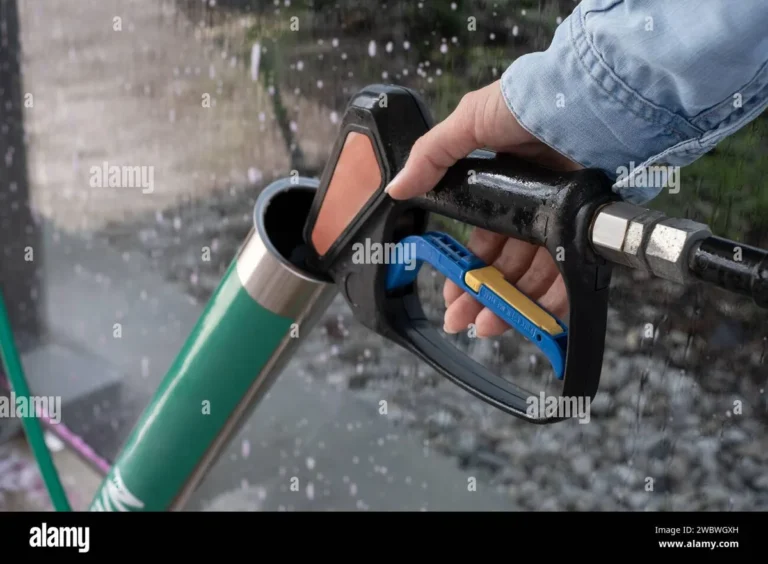
| Garden hose or pressure washer | Rinses off cleaner | Keep pressure below 1,200 PSI |
| Compressed air (optional) | Blows water out of tight spaces | Useful for drying hard-to-reach areas |
You don’t need every tool, but a degreaser and a way to cover electrical parts are non-negotiable. If using a pressure washer, stick to a wide-angle nozzle to avoid concentrated streams.
Step 1: Prep Work – Avoid Frying Your Car’s Electronics
Start with a cool engine, never wash a hot one, as rapid cooling can warp components. Disconnect the negative battery terminal first to eliminate any risk of short circuits.
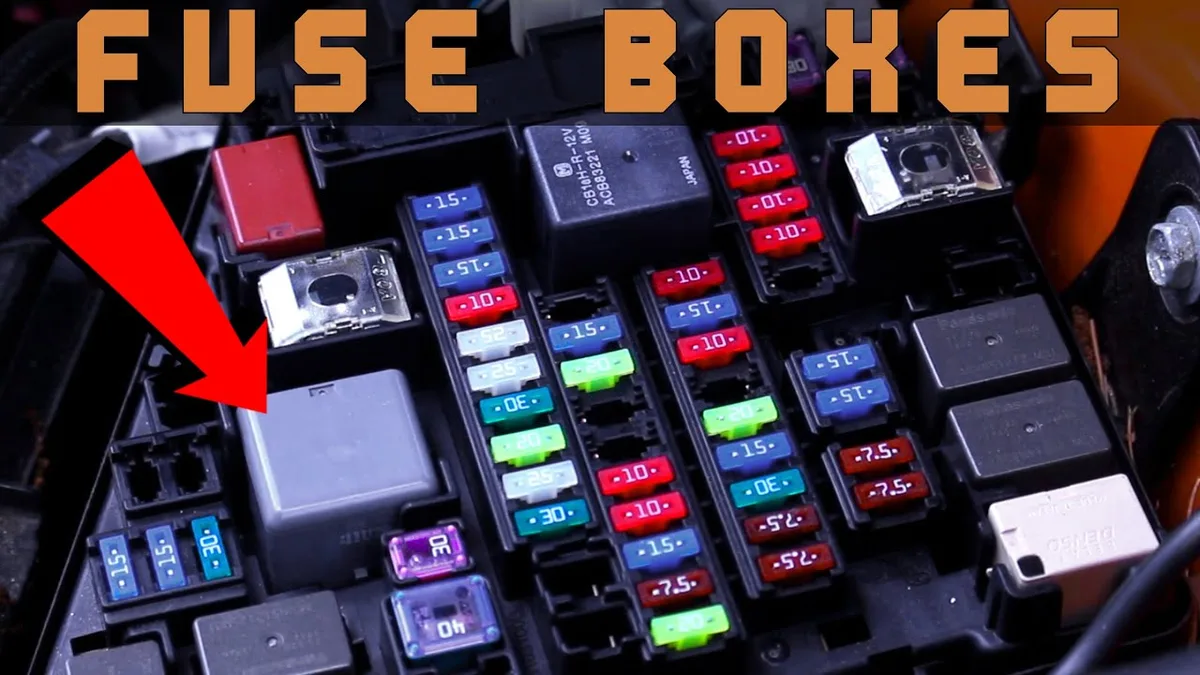
Cover these with plastic bags and secure them with electrical tape:
- Battery terminals
- Fuse box
- Alternator
- Spark plug wells
- Distributor (if applicable)
- Exposed wiring harnesses
Remove loose debris with a shop vacuum or compressed air before applying any liquids. This prevents dirt from turning into a muddy paste when wet.
Step 2: Applying Degreaser – Where to Spray and What to Avoid
Start with a water-based degreaser for most engines. It’s safer for rubber and plastic than solvent-based options.
Spray generously on greasy areas like the engine cover, hoses, and valve cover. Avoid electrical components, even if covered. Let it sit for 5 to 10 minutes to break down grime.
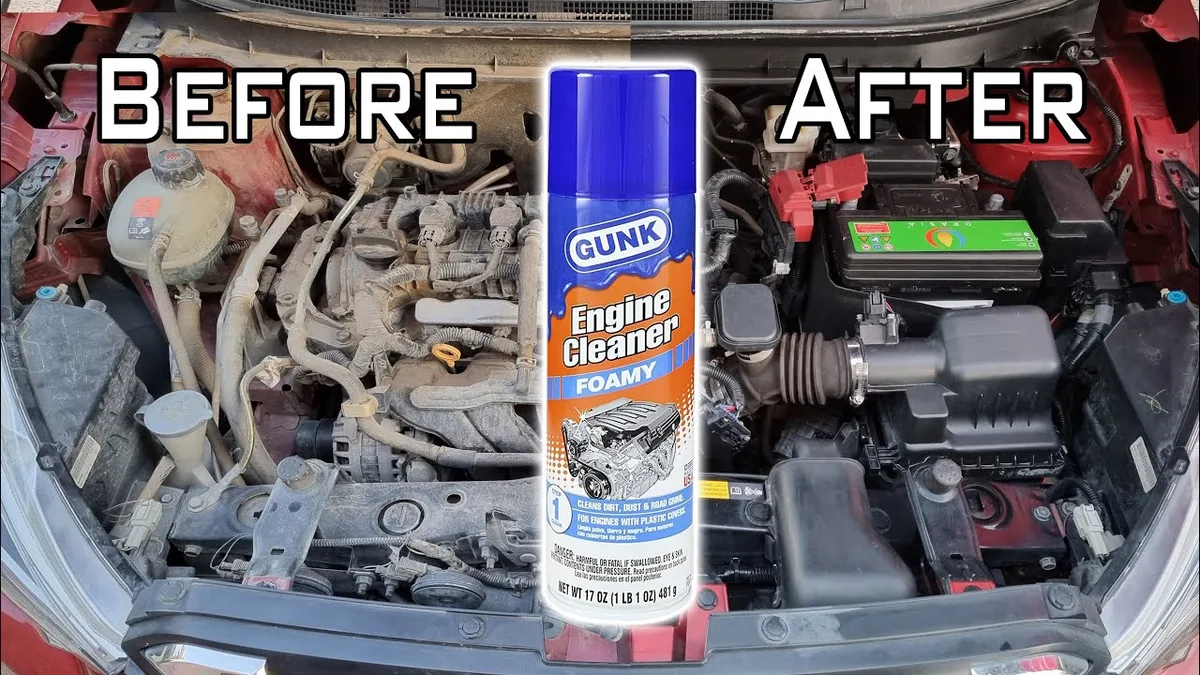
For stubborn buildup, use a soft-bristle brush to agitate the surface. Don’t scrub painted parts too hard, as some degreasers can dull the finish.
Step 3: Scrubbing Without Damaging Anything
Use separate brushes for different areas. A toothbrush works well for tight spaces around bolts and connectors.
Avoid abrasive pads or steel wool, as they can scratch metal and plastic. If you’re dealing with carbon deposits, a plastic scraper can help, but be gentle.
Focus on visible dirt first. Hidden grime in crevices can often be rinsed out without scrubbing.
Step 4: Rinsing Safely (Pressure Washer vs. Hose)
A garden hose with a spray nozzle is the safest choice. Keep the pressure moderate to avoid forcing water into seals.
If using a pressure washer, stay below 1,200 PSI and use a 25-degree nozzle. Hold it at least 2 feet away from the engine.
Never aim directly at electrical connections, even if covered. Rinse from the top down to let dirt flow away from sensitive areas.
Step 5: Drying the Engine Bay the Right Way
Start by removing the plastic bags from electrical components. Use a microfiber towel to wipe down accessible surfaces.

Compressed air can blow water out of tight spots, but keep the nozzle moving to avoid damaging parts. Let the engine bay air-dry for at least 30 minutes before reconnecting the battery.
If you’re in a humid climate, consider using a leaf blower on a low setting to speed up drying. Just keep it at a safe distance.
The 5 Most Common Mistakes That Ruin Engines
Skipping the prep work is the top mistake. Uncovered electrical parts can short out when wet.
Using too much pressure is another. High-PSI streams can strip paint, damage seals, or force water into connectors.
Letting the engine stay wet is just as bad. Moisture leads to corrosion on terminals and metal parts.
Harsh chemicals can degrade rubber hoses and plastic covers. Stick to engine-safe degreasers.
Finally, washing a hot engine can cause warping or cracks. Always let it cool completely first.
How Often Should You Really Do This
Most engines only need a deep clean once a year. If you drive in dusty conditions or off-road, twice a year may be better.
Light rinsing to remove surface dirt can be done more often. Just avoid full degreasing unless necessary.
Special Cases: Older Cars, High-Performance Engines, and Off-Road Vehicles
Older cars often have more exposed wiring and less sealed components. If your car is pre-2000, be extra cautious with water.
High-performance engines with aftermarket parts may have custom electrical setups. Cover everything thoroughly before cleaning.
Off-road vehicles accumulate more dirt and mud. They benefit from more frequent cleaning, but the same safety rules apply.
FAQs About Washing a Car Engine
Can I use dish soap instead of degreaser
Dish soap can work in a pinch, but it’s not ideal. It may leave residue and won’t cut through heavy grease as well as a dedicated engine degreaser.
Is it safe to pressure wash an engine
Yes, but only with low pressure and proper precautions. Keep the PSI below 1,200 and avoid direct streams at electrical parts.
What happens if water gets in the spark plug wells
Water in spark plug wells can cause misfires or hydro-lock. Always cover them before washing and dry thoroughly afterward.
How long does it take to dry
Most engine bays air-dry in 30 to 60 minutes. Using compressed air or towels can speed this up.
Will washing the engine void my warranty
Check your owner’s manual. Some manufacturers warn against pressure washing, but gentle cleaning usually won’t void a warranty.
Final Checklist Before You Start
Gather all your tools and supplies first. You don’t want to stop mid-process to find a missing item.
Double-check that all electrical components are covered. One missed connection can cause serious damage.
Test your water pressure before starting. If it’s too strong, adjust your nozzle or switch to a hose.
Reconnect the battery only after everything is completely dry. This prevents any risk of short circuits.
Gather all your tools and supplies first. You don’t want to stop mid-process to find a missing item.
Double-check that all electrical components are covered. One missed connection can cause serious damage.
Test your water pressure before starting. If it’s too strong, adjust your nozzle or switch to a hose.
Reconnect the battery only after everything is completely dry. This prevents any risk of short circuits.