ByMax Lee
How to Use an Automatic Car Wash Like a Pro
Automatic car washes save time but get a bad rap for swirl marks and missed spots. If you’ve ever wondered how to use an automatic car wash without trashing your paint, the key is prep, positioning, and picking the right type for your vehicle. Most modern systems use 30, 70 gallons per wash, and the process takes under 10 minutes if you follow the steps.
The difference between a spotless finish and a botched job often comes down to knowing your wash type and your car’s limits. Here’s how to do it right.
Quick Answer
An automatic car wash cleans your vehicle in minutes. Drive in, select a cycle, and follow the prompts. Keep windows up unless instructed otherwise.
Remove loose items before entering.
Is an Automatic Car Wash Right for Your Car?
YouTube / Mattias Car Wash Machines (YouTube thumbnail (fair-use with source credit))
Automatic washes work well for most daily drivers. They’re fast, consistent, and require zero effort. But they’re not ideal for every vehicle.
If your car has a matte finish, vinyl wrap, or aftermarket parts like roof racks, skip the brush or soft-cloth washes. Touchless systems are safer for sensitive paint. For older cars with chipped paint or rust, the high-pressure jets in touchless washes can worsen damage.
Check your owner’s manual. Some manufacturers, like Tesla, recommend avoiding brush washes for sensor safety. If you drive a convertible, confirm the wash allows tops up or down.
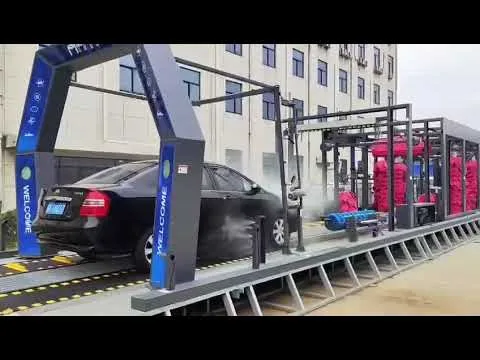
How Automatic Car Washes Work (Touchless vs. Soft-Cloth vs. Brush)
YouTube / Leisuwash (YouTube thumbnail (fair-use with source credit))
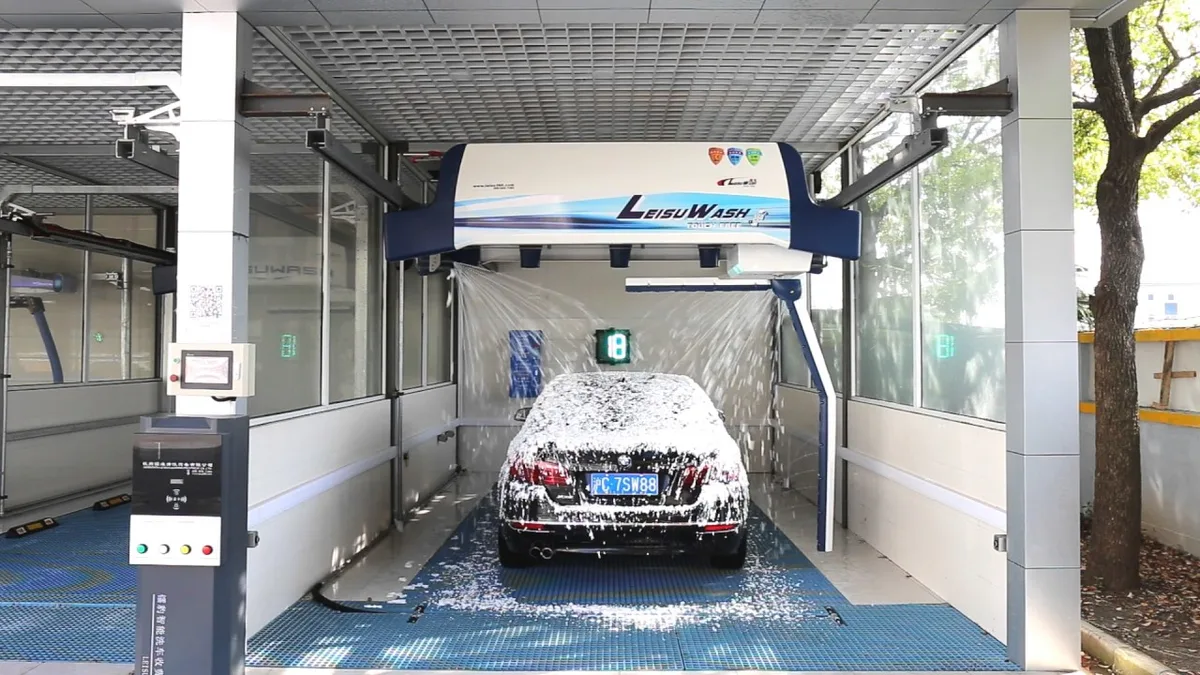
Automatic car washes fall into three main types. Each uses a different method to clean your vehicle, and the choice affects speed, safety, and results.
Touchless
Uses high-pressure water jets and chemicals to blast dirt off. No physical contact means lower risk of scratches. Best for delicate paint, but may struggle with caked-on mud or tar.
Soft-Cloth
Uses rotating cloth strips or foam brushes to scrub the surface. More thorough than touchless but carries a higher risk of swirl marks if the cloth is dirty. Common in tunnel washes.
Brush
Older style with stiff bristles. Fast and aggressive, but the highest risk for paint damage. Rare in newer facilities.
| Type | Cleaning Method | Paint Safety | Best For | Time |
|---|---|---|---|---|
| Touchless | High-pressure water | High | Luxury, matte, wraps | 5–7 min |
| Soft-Cloth | Cloth/foam brushes | Medium | Daily drivers | 6–10 min |
| Brush | Stiff bristles | Low | Older, rugged vehicles | 4–6 min |
Step-by-Step: How to Use an Automatic Car Wash Without Damaging Your Car
Before You Pull In: Prep Checklist
Start with a quick walk-around. Remove antennas, bike racks, and magnetic signs. Check for loose trim or cracks in the windshield, high-pressure water can worsen existing damage.
Roll up windows unless the wash specifically requires them down. Fold in side mirrors if they’re extendable. Empty the bed of any loose items if you’re driving a truck.
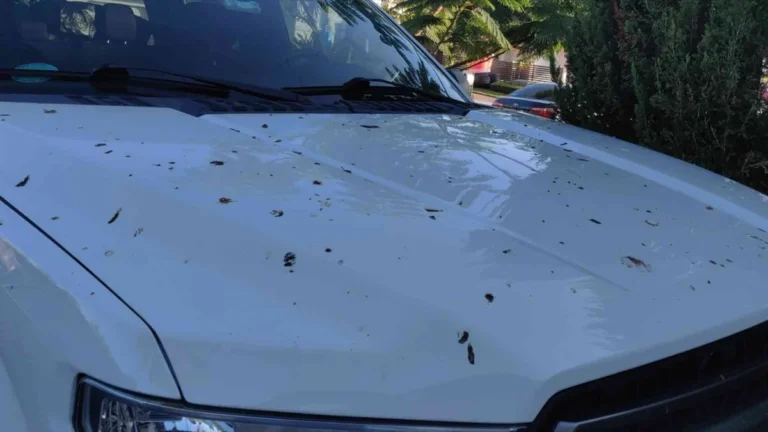
If your car has heavy dirt, bug splatter, or bird droppings, pre-rinse it at a self-service bay. Automatic washes can bake on stubborn grime if not pre-treated.
Start with a quick walk-around. Remove antennas, bike racks, and magnetic signs. Check for loose trim or cracks in the windshield, high-pressure water can worsen existing damage.
Roll up windows unless the wash specifically requires them down. Fold in side mirrors if they’re extendable. Empty the bed of any loose items if you’re driving a truck.
If your car has heavy dirt, bug splatter, or bird droppings, pre-rinse it at a self-service bay. Automatic washes can bake on stubborn grime if not pre-treated.
At the Wash: Choosing the Right Cycle & Positioning Your Car
YouTube / Shenzhen Diversity Kiosk Technology Co.,Ltd. (YouTube thumbnail (fair-use with source credit))
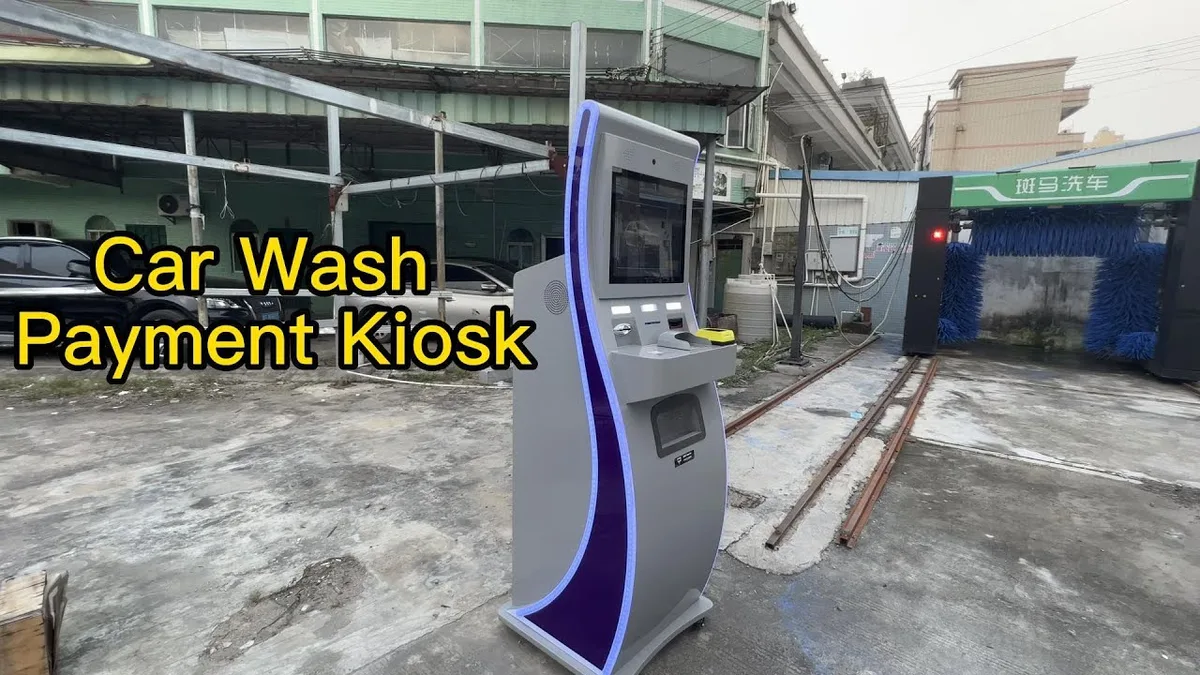
Pull up to the payment terminal. Most accept credit cards, cash, or mobile pay. Some locations offer memberships for unlimited washes, worth it if you go more than twice a month.
Select your wash cycle. Basic washes use soap and water. Premium options add wax, undercarriage spray, or rain repellent.
As of 2026, expect to pay $8, $15 for basic, $15, $20 for standard, and $20, $30 for premium.
Follow the laser or light guides to position your car. For conveyor washes, shift into neutral and release the brake. Stay in the car unless it’s a self-service bay.
Keep hands and arms inside at all times.
If the wash has a height or width limit, check your vehicle’s dimensions. Most tunnels max out at 6’6”, 8’ tall and 7’, 8’6” wide. Oversized vehicles may need a roll-over or self-service wash.
After the Wash: What to Check Before Driving Off
Inspect the windows and mirrors for streaks or soap residue. If spots remain, use a microfiber towel to buff them out before they dry.
Check the wheel wells and undercarriage if you paid for those options. Salt and grime often hide in these areas, especially in winter.
Listen for unusual noises as you pull away. A misaligned conveyor or loose part can cause rattles or drag.
Automatic Car Wash Types Compared (Pros, Cons & Best For)
| Type | Pros | Cons | Best For |
|---|---|---|---|
| Touchless | No contact, safe for paint | May miss stubborn dirt | Luxury, matte, wraps |
| Soft-Cloth | Thorough clean | Risk of swirl marks | Daily drivers |
| Brush | Fast, aggressive | High scratch risk | Older, rugged vehicles |
Touchless washes use high-pressure water and chemicals. They’re the safest for delicate finishes but may not remove caked-on mud.
Soft-cloth washes use rotating cloth strips. They clean better than touchless but can leave micro-scratches if the cloth is dirty.
Brush washes are the fastest but the harshest. They’re best for work trucks or older cars where paint perfection isn’t a priority.
Common Mistakes That Ruin Paint, Trim, or Your Wash Experience
YouTube / ESOTERIC (YouTube thumbnail (fair-use with source credit))
Leaving loose items on the roof or bed can cause damage. Antennas, bike racks, and magnetic signs can get caught in the equipment.
Not pre-rinsing heavy dirt can bake it onto the paint. Bug splatter, tar, and bird droppings need a quick rinse before the wash.
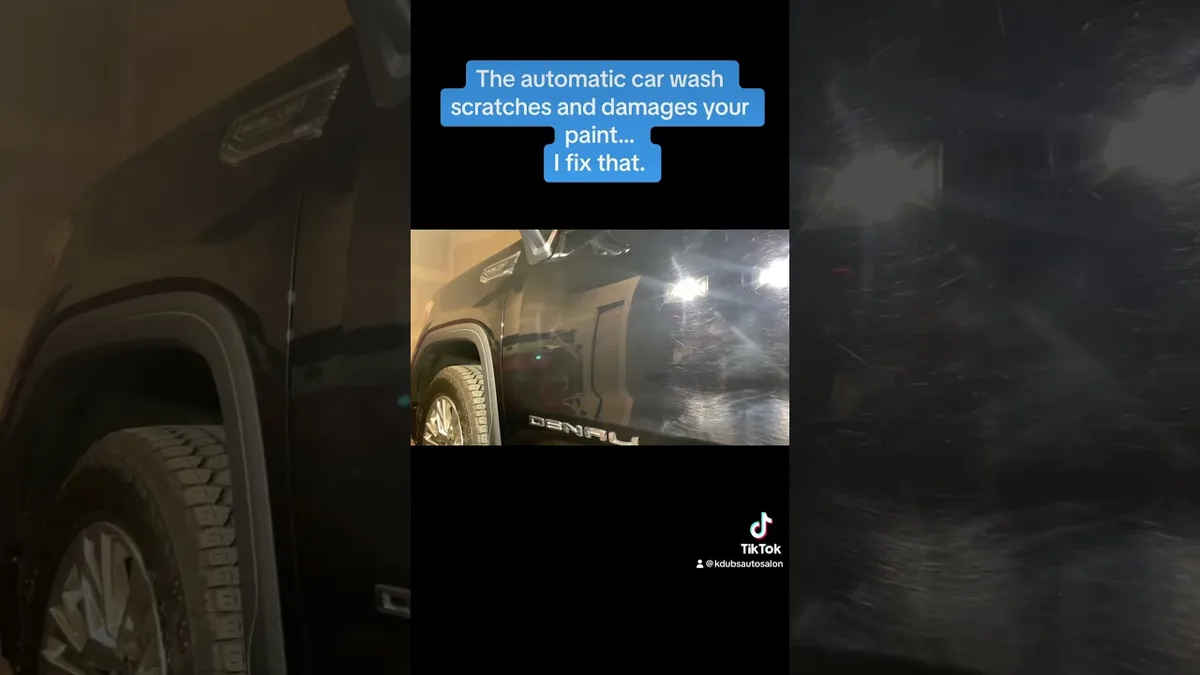
Choosing the wrong wash type for your paint can lead to swirls. Brush washes are risky for matte or vinyl-wrapped cars.
Ignoring height and width limits can jam the equipment. Most tunnels max out at 6’6”, 8’ tall and 7’, 8’6” wide.
When to Avoid Automatic Car Washes (And What to Do Instead)
Skip automatic washes if your car has a matte finish or vinyl wrap. The brushes or high-pressure water can damage these surfaces.
Avoid them if you have a convertible with the top down. Some washes allow it, but most don’t.
If your car has aftermarket parts like roof racks or spoilers, check compatibility first. Loose or oversized parts can get caught.
For heavy dirt or detailing needs, a hand wash or self-service bay is better. Automatic washes aren’t designed for deep cleaning.
Cost Breakdown: Single Wash vs. Memberships vs. Alternatives
| Type | Cost | What’s Included | Best For |
|---|---|---|---|
| Basic | $8–$15 | Soap, water | Quick clean |
| Standard | $15–$20 | Soap, water, basic wax | Regular maintenance |
| Premium | $20–$30 | Soap, water, wax, undercarriage spray, rain repellent | Maximum protection |
| Membership | $20–$50/month | Unlimited washes | Frequent users |
| Self-Service | $5–$10 | High-pressure water, soap, 10–15 minutes | DIY cleaners |
Basic washes cost $8, $15. They include soap and water but skip extras like wax or undercarriage spray.
Standard washes run $15, $20. They add a clear coat or basic wax for extra shine.
Premium washes go for $20, $30. These include rain repellent, triple foam, or ceramic boosters.
Memberships offer unlimited washes for $20, $50 per month. They pay off if you wash your car more than twice a month.
Self-service bays cost $5, $10 for 10, 15 minutes of high-pressure water and soap. You control the process but do the work yourself.
Safety & Compatibility: Can Your Car Handle It?
Automatic washes are safe for most vehicles if you follow the rules. But some cars need extra caution.
Convertibles should only use washes that explicitly allow tops down. High-pressure water can damage the mechanism.
Cars with matte or satin paint should stick to touchless washes. Brushes and soft cloth can dull the finish.
Vehicles with aftermarket parts like roof racks or spoilers need to check height and width limits. Loose parts can get caught in the equipment.
For electric vehicles, check the manufacturer’s guidelines. Some recommend avoiding certain wash types to protect sensors and charging ports.
Expert Tips to Get the Best Clean (And Avoid Hidden Upsells)
Go early in the day or on weekdays to avoid crowds. Fewer cars mean less dirt in the water and cleaner brushes or cloths.
Pre-rinse your car if it’s especially dirty. This prevents the wash from grinding dirt into the paint.
Skip the upsells if you don’t need them. Add-ons like undercarriage spray or rain repellent can double the cost.
Use a microfiber towel to dry your car after the wash. This prevents water spots and adds extra shine.
If you notice streaks or residue, ask for a free re-wash. Most places will honor this if you point it out immediately.
Frequently Asked Questions
Can an automatic car wash damage my paint?
Yes, if you choose the wrong type. Brush washes can cause swirl marks, especially on soft or matte paint. Touchless washes are safer but may not clean as thoroughly.
How often should I use an automatic car wash?
Once every two weeks is ideal for most drivers. More frequent washes can prevent dirt buildup, but daily use may wear down wax or sealants faster.
Are automatic car washes bad for my car’s sensors?
Some can be. High-pressure water or brushes can damage sensors on modern cars. Check your owner’s manual for recommendations.
What’s the best automatic car wash for a matte finish?
Touchless washes are the safest. Avoid brush or soft-cloth washes, as they can dull or scratch matte paint.
Can I go through a car wash with a roof rack?
Only if it fits within the height and width limits. Remove loose or detachable racks to prevent damage.
Do automatic car washes use recycled water?
Many do. Recycled water systems can reduce water usage by 50% or more, but the quality may vary.