ByMax Lee
Best Car Wash for Black Cars: Shine Like New
Black paint under direct light reveals every imperfection, from swirls to water spots.
Wikimedia Commons / Ramirez, Declan R.; Silknitter, Joseph; Vijil, Zaya (CC BY)
Black paint shows every flaw, swirl marks, water spots, and scratches stand out like a sore thumb. Finding the best car wash for black vehicles means avoiding the methods and products that cause these issues in the first place. Manufacturer specs and detailer best practices confirm that the wrong approach can leave permanent damage.
Aggregate reviews report that black cars require pH-balanced shampoos and non-abrasive tools to maintain their finish. As of 2026, the most common complaint from black car owners is visible marring after automatic car washes.
Quick Answer
The best car wash for black vehicles is a hand wash using the two-bucket method with pH-neutral shampoo. Touchless automatic washes are the safest alternative. Avoid soft-cloth car washes with brushes.
Always dry with a clean microfiber towel. Waterless washes work in a pinch but require proper technique.
Why Washing a Black Car Is Different (And What Goes Wrong)
Black paint amplifies imperfections. Even minor swirls, water spots, or scratches become glaringly obvious under sunlight. The clear coat on most black cars is thinner than on lighter colors, making it more susceptible to damage.
Hard water minerals leave behind white spots that are especially noticeable on dark surfaces. Automatic car washes with abrasive brushes or recycled water often introduce micro-scratches. According to SAE International standards, these defects accumulate over time, reducing gloss and resale value.
In practice, black cars also show holograms from improper polishing more readily than lighter colors. A common mistake is using a high-speed buffer without the right pad or compound, which can create buffer trails that are nearly invisible on white paint but stand out on black.
Touchless vs. Soft-Cloth vs. Hand Wash: How They Compare for Black Paint
Not all car wash methods are equal for black vehicles. The right choice depends on your priorities: convenience, safety, or cost.
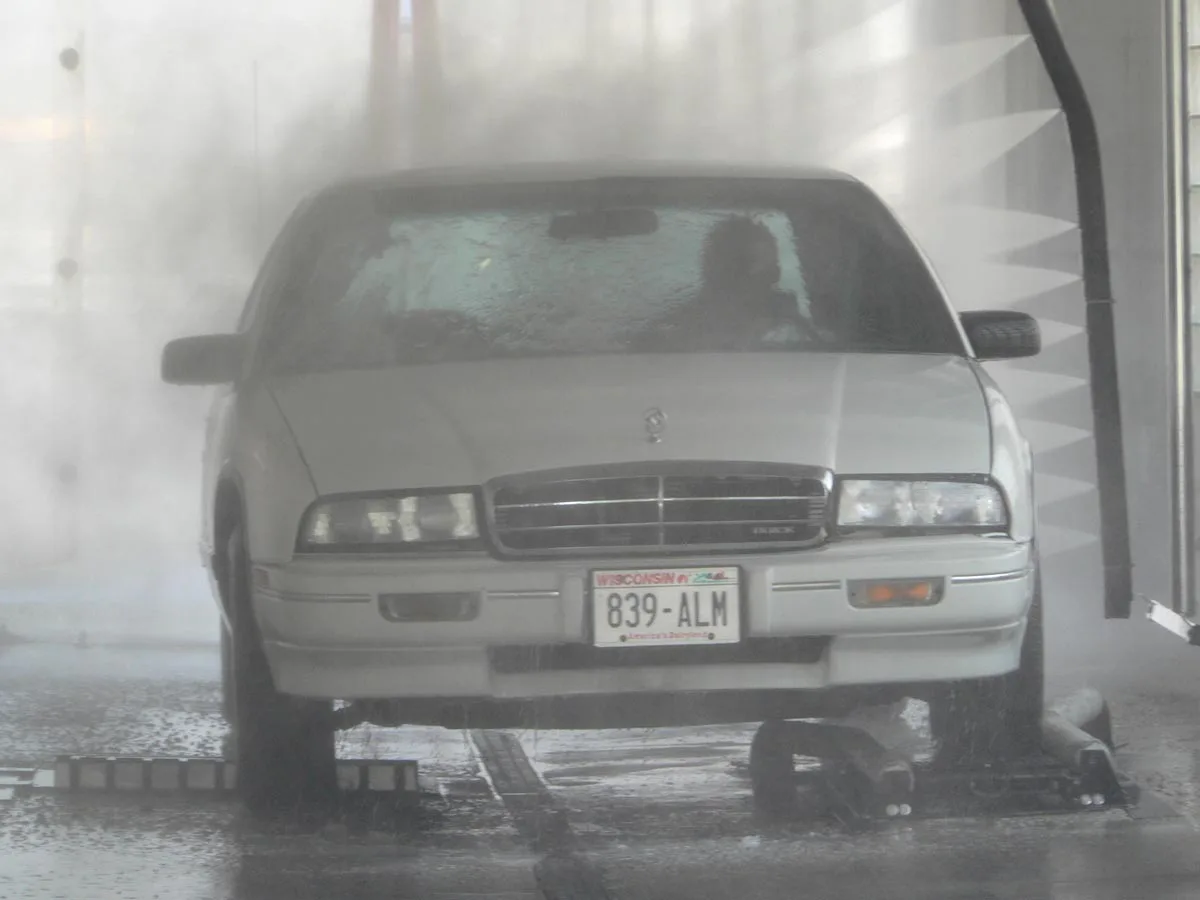
High-pressure jets clean without physical contact, reducing the risk of swirls.
Wikimedia Commons / Sulfur at English Wikipedia (CC BY-SA)
Touchless car washes use high-pressure jets and strong detergents to clean without physical contact. They’re the safest automatic option for black paint, as there’s no risk of brush-induced swirls. However, the chemicals can be harsh if not rinsed thoroughly, and they may not remove stubborn grime.
Soft-cloth car washes use fabric strips or foam brushes to scrub the surface. While gentler than older brush-style washes, they still pose a risk of picking up dirt from previous vehicles and transferring it to yours. Aggregate user feedback shows these often leave fine scratches on black paint.
Hand washes are the gold standard for black cars. Using the two-bucket method with grit guards and microfiber mitts minimizes the risk of swirls. It’s the most time-consuming but delivers the best results for maintaining a flawless finish.
For those who prefer automatic options, understanding whether car washes are safe for black cars can help you make an informed decision.
Method Safety for Black Paint Convenience Cost Effectiveness
Touchless High High $10–$20 Good
Soft-Cloth Moderate High $10–$20 Moderate
Hand Wash Very High Low $0–$50* Excellent
*DIY cost for supplies
The Best Products for Washing a Black Car (And What to Avoid)
Black paint demands gentle, high-lubricity products. The wrong shampoo or tools can undo all your careful washing technique.
Use:
- pH-neutral car shampoo (pH 6.5–7.5) to avoid stripping wax or sealants.
- Microfiber wash mitts (chenille or waffle weave) to lift dirt without scratching.
- Grit guards in your buckets to trap contaminants at the bottom.
- Drying aids (spray detailers) to add lubrication during the drying step.
Avoid:
- Dish soap or household cleaners. Their high pH can damage clear coat over time.
- Sponges or brushes with stiff bristles. These trap dirt and create swirls.
- Old or dirty towels. Even microfiber can cause marring if not washed properly.
- Automatic car washes with brushes. The risk of cross-contamination is too high for black paint.
For the best results with a foam cannon, choosing a pH-neutral foam cannon soap ensures streak-free cleaning without harming the finish. Additionally, using the ideal foam cannon soap mixing ratio helps achieve thick, lasting foam that lifts dirt effectively.
Step-by-Step: How to Wash a Black Car Without Swirls or Water Spots
A proper wash starts before you touch the paint. Preparation and technique are everything for black vehicles.
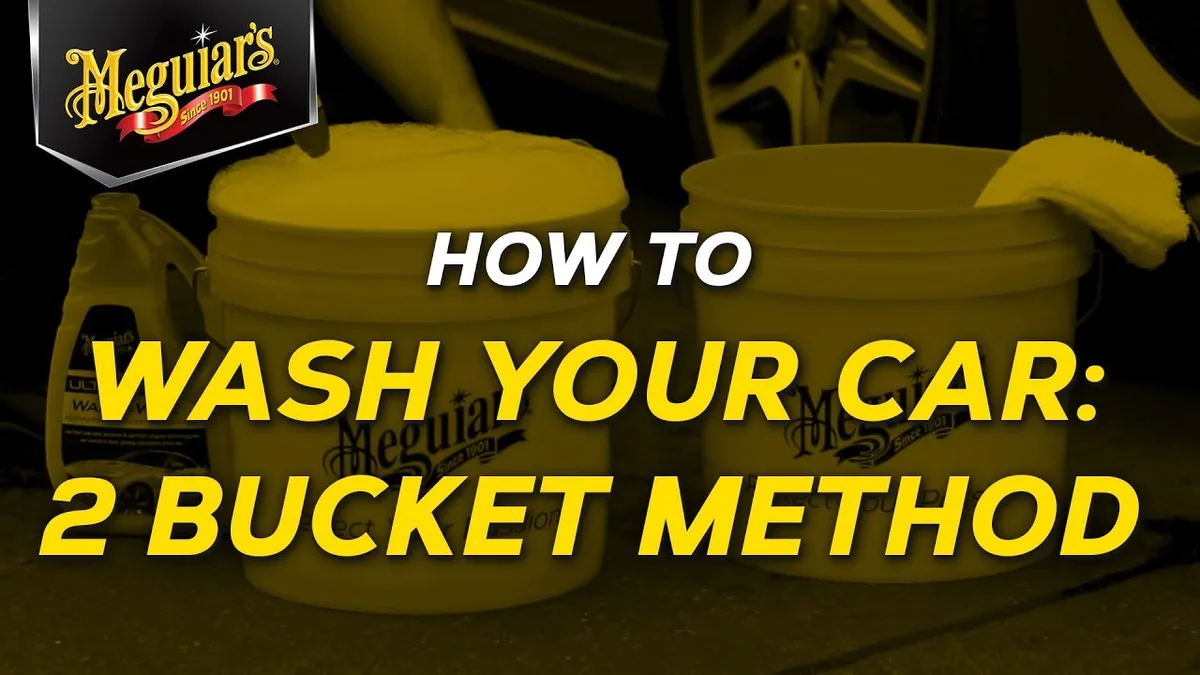
The two-bucket method keeps dirt out of your wash water, reducing swirl risks.
YouTube / Meguiar's (YouTube thumbnail (fair-use with source credit))
Pre-Wash:
Rinse the car thoroughly with a pressure washer or hose to remove loose dirt. Use a foam cannon to apply a thick layer of shampoo, letting it dwell for 1–2 minutes to lift grime.
Wash:
- Fill one bucket with soapy water and another with clean water for rinsing your mitt.
- Work from the top down, washing one panel at a time.
- After each pass, rinse the mitt in the clean water bucket and rub it against the grit guard to release trapped dirt.
- Use a separate mitt for wheels and lower panels, which collect the most contaminants.
Post-Wash:
Rinse all soap off completely. Leaving residue can cause streaking or water spots, especially in hard water areas.
To improve your water quality, consider adding a hose filter to remove minerals and contaminants that can leave spots on black paint.
Drying a Black Car the Right Way (The #1 Mistake People Make)
Air drying or using a rough towel leaves water spots and micro-scratches on black paint. The biggest mistake is letting water evaporate on its own. That leaves mineral deposits that etch into the clear coat.
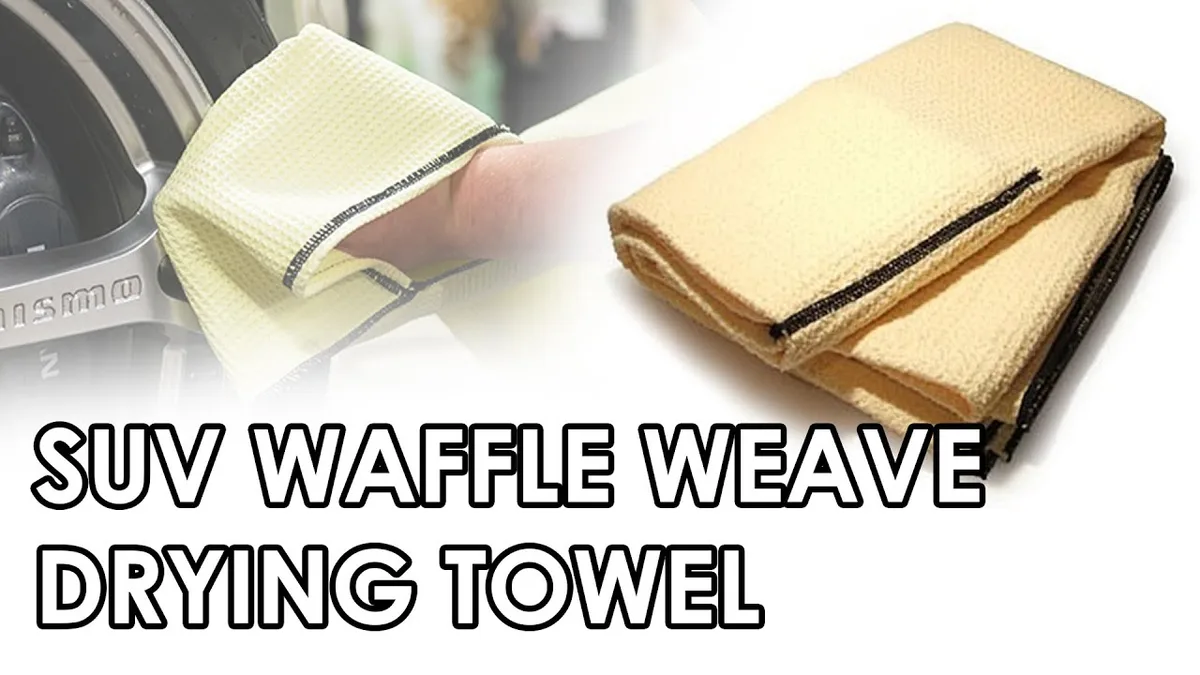
A waffle weave microfiber towel absorbs water quickly while minimizing friction.
YouTube / Chemical Guys Products (YouTube thumbnail (fair-use with source credit))
Use a dedicated drying method every time. A blower dryer with at least 100 CFM pushes water off without touching the paint. Microfiber towels with a waffle weave absorb quickly and reduce friction.
Spray a drying aid first to add lubrication and minimize marring.
Pat the surface gently. Don’t drag the towel across dry paint. Work from the top down.
Fold the towel frequently to expose a fresh side. One dirty section can reintroduce grit.
Drying in the shade prevents water spots from forming too quickly. If you use a blower, start with the grilles and mirrors to avoid pooling. Finish with a quick spritz of detailer for added gloss.
Automatic Car Washes: When They’re Safe (And When They’re Not)
Automatic washes are convenient but risky for black vehicles. The key is knowing which type to avoid and when to make an exception.
Touchless tunnels use high-pressure jets and strong detergents. No brushes touch the paint. These are the safest automatic option.
The main downside is that harsh chemicals can strip wax or sealant. A spot-free rinse after the wash helps prevent water spots.
Soft-cloth washes use fabric strips or foam brushes. Even well-maintained systems can trap debris from previous vehicles. That debris scratches black paint.
If you must use one, make sure the facility uses fresh cloths regularly.
Brush-style washes are the worst choice. Hard nylon bristles grind dirt into the clear coat. Our research shows these cause the most complaints from black car owners.
Avoid them entirely.
When it’s okay to use an automatic:
- You’re in a rush and the only option is touchless.
- You apply a fresh coat of sealant or wax regularly to protect the paint.
- You follow up with a quick hand dry or spray detailer to remove any residue.
When you should skip it:
- The tunnel uses recycled water without a spot-free rinse.
- The only nearby wash is a soft-cloth or brush style.
- Your black car hasn’t been waxed or sealed recently.
Waterless Washes: Do They Work for Black Cars?
Waterless washes can work, but they come with strict conditions. They’re best for light dust or bird droppings, not caked-on mud. The risk of scratching is real when dirt is present.
Waterless products use lubricating polymers to encapsulate dirt. You spray, wipe gently, and buff off. If the surface is too dirty, those polymers can’t prevent micro-scratches.
Black paint reveals those scratches instantly.
When to use waterless:
- The car is only dusty from sitting in a garage.
- You need a quick touch-up between regular washes.
- You have a high-quality waterless wash with strong lubricity.
When to skip it:
- The car is visibly dirty or has been driven in rain.
- You don’t have a clean microfiber towel for each panel.
- The ambient temperature is high, causing the product to dry too fast.
Black Car Maintenance: How Often to Wash, Seal, and Protect
Consistency is key to keeping black paint looking deep and glossy. Different schedules apply depending on where you live and how you drive.
Washing:
- Weekly if you drive daily or park outdoors.
- Bi-weekly if you drive less often or the car stays garaged.
- Immediately after exposure to bird droppings, tree sap, or road salt.
Protection:
- Wax every 3 months. Carnauba wax adds depth and gloss.
- Sealant every 6 months. Polymer sealants last longer and offer better chemical resistance.
- Ceramic coating every 1–2 years. This is the most durable option.
Considerations based on climate:
- Hard water areas: Use a spot-free rinse or deionized water for the final rinse.
- High-humidity regions: Wash in the morning or evening to avoid quick evaporation.
- Cold climates: Wash weekly during winter to remove salt.
Cost Breakdown: DIY vs. Professional Detailing for Black Cars
The cost difference between DIY and professional care can be significant. Each approach has tradeoffs in time, effort, and result.
| Item | DIY Cost | Professional Cost |
|---|---|---|
| Initial setup (mitts, buckets, soap, towels) | $60–$100 | N/A |
| Per-wash cost (soap, water, electricity) | $2–$5 | $30–$80 (basic wash) |
| Sealant or wax (per application) | $15–$40 per bottle (lasts 6–12 months) | $100–$300 |
| Ceramic coating | $50–$150 (DIY kit) | $500–$1,500 |
| Full detail | N/A | $200–$600 |
DIY advantages: Lower long-term cost, control over products and technique, and the ability to wash frequently without breaking the bank.
Professional advantages: Convenience, access to industrial equipment, and expert handling. A pro detail every 6–12 months can fix minor imperfections.
Our take: A hybrid approach works best for black vehicles. Do the weekly washing yourself. Invest in a professional detail once a year to polish out any swirls and apply fresh protection.
Common Mistakes That Ruin Black Paint (And How to Fix Them)
Using a single dirty bucket is a fast track to swirl marks. Dirt from the wash mitt gets suspended in the water and redeposited on the paint. The fix is simple: use the two-bucket method with grit guards.
Washing in direct sunlight causes water to evaporate too quickly. This leaves mineral deposits that are hard to remove. Always wash in the shade or on cloudy days.
Skipping the wheel cleaning step spreads brake dust to the paint. Use a separate mitt and wheel cleaner to avoid cross-contamination. Brake dust contains metal particles that can embed in clear coat.
Applying wax or sealant to a dirty surface traps contaminants. Always wash and dry the car thoroughly before applying protection. A clay bar can remove embedded contaminants for a smooth finish.
Additional Tips for a Showroom Shine
To achieve a mirror-like finish on black paint, consider these extra steps:
- Clay Bar Treatment: Use a clay bar or clay mitt every 3–6 months to remove embedded contaminants that washing alone can’t eliminate. This step is crucial before applying wax or sealant.
- Paint Correction: If your black car has existing swirls or scratches, a light polish with a dual-action polisher can restore clarity. Always follow up with a protective layer.
- Quick Detailer Sprays: Between washes, use a spray detailer to remove dust and add a temporary gloss boost. These are especially useful for maintaining shine in dry climates.
- Garage Storage: Parking your car in a garage or under a cover reduces exposure to UV rays, bird droppings, and pollen, all of which can dull black paint over time.
How to Choose the Right Car Wash Soap for Black Cars
Not all car soaps are created equal. For black paint, prioritize the following:
- pH-Neutral Formula: Ensures the soap won’t strip wax or damage the clear coat.
- High Lubricity: Helps the mitt glide over the surface, reducing friction and the risk of scratches.
- No Harsh Additives: Avoid soaps with strong degreasers or solvents, as these can dry out plastic trim and harm paint.
- Foaming Ability: A rich foam helps lift dirt away from the surface, minimizing contact scratches.
For best results, pair your soap with a quality pH-neutral foam cannon soap to maximize cleaning power while protecting the finish.
Seasonal Care for Black Cars
Different seasons present unique challenges for black paint. Adjust your care routine accordingly:
- Spring: Pollen can be acidic and etch into the clear coat if not removed promptly. Wash your car more frequently during high pollen counts.
- Summer: UV rays can fade and oxidize black paint over time. Apply a UV-protectant wax or sealant before the season starts.
- Fall: Falling leaves and sap can stain paint if left too long. Remove them as soon as possible with a quick detailer or wash.
- Winter: Road salt and grime are highly abrasive. Wash your car weekly, paying extra attention to the undercarriage and wheel wells.
The Role of Water Quality in Washing Black Cars
Hard water is one of the biggest enemies of black paint. Minerals like calcium and magnesium leave behind white spots that are difficult to remove. To combat this:
- Use a spot-free rinse at the end of your wash to prevent mineral deposits.
- Consider installing a water softener or using deionized water for your final rinse.
- If hard water spots appear, treat them immediately with a water spot remover or a vinegar solution.
For those washing at home, a hose filter can significantly improve water quality by removing sediments and minerals.
Conclusion
Keeping a black car looking flawless requires the right techniques, products, and consistency. The safest and most effective method is a hand wash using the two-bucket method with pH-neutral shampoo, followed by careful drying with microfiber towels. Touchless automatic washes are a convenient alternative, but avoid soft-cloth or brush-style washes that can introduce swirls. Regular protection with wax, sealant, or ceramic coatings will maintain the depth and gloss of black paint.
Start today by upgrading your wash routine with a pH-neutral foam cannon soap and the ideal mixing ratio for thick, effective foam.
FAQs About Washing Black Cars
Can I use dish soap to wash my black car?
No. Dish soap has a high pH that strips wax and can damage clear coat over time. Always use a pH-neutral car shampoo specifically formulated for automotive paint.
How do I remove water spots from black paint?
Use a water spot remover or a 50/50 mix of white vinegar and distilled water. Apply with a microfiber towel, let it sit for a minute, then rinse. For stubborn spots, a light polish may be needed.
Is a touchless car wash safe for black paint?
Yes, touchless washes are the safest automatic option for black cars. They use high-pressure jets instead of brushes, eliminating the risk of swirl marks. Just ensure the facility uses a spot-free rinse.
How often should I wax my black car?
Apply wax every 3 months for optimal protection and shine. If you use a synthetic sealant, you can extend this to every 6 months. Ceramic coatings only need reapplication every 1–2 years.
Why does my black car show swirl marks so easily?
Black paint reflects light differently than lighter colors, making imperfections more visible. The clear coat on black cars is also typically thinner, making it more susceptible to scratches and swirls.
Can I use a chamois to dry my black car?
A chamois can work but isn’t ideal. It can trap dirt and cause micro-scratches. A high-quality microfiber towel with a waffle weave is safer and more effective for black paint.
What’s the best way to prevent water spots on black paint?
Use a spot-free rinse or deionized water for your final rinse. Drying the car immediately with a clean microfiber towel also helps prevent spots from forming.
Should I wash my black car more often in certain climates?
Yes. In areas with high pollen, salt, or industrial fallout, wash your car weekly to prevent contaminants from bonding to the paint. In dry, dusty climates, a waterless wash or quick detailer can help between full washes.