ByMax Lee
Best Car Wash for BMW: Safe & Effective Options
BMW receiving a touchless wash to protect its delicate clear coat
Wikimedia Commons / Christian Flores from Carlsbad / Encinitas, United States of America (CC BY-SA)
Your BMW’s paint isn’t just about looks, it’s a precision finish that needs the right care. The best car wash for BMW depends on your paint type, how often you drive, and whether you prioritize convenience or protection. Automatic brush washes can leave swirl marks, while a proper hand wash preserves the clear coat and resale value.
Manufacturer specifications confirm BMW’s clear coat is thinner than average, making it more susceptible to scratches. That’s why the wash method matters just as much as the products you use.
Quick Answer
The best car wash for BMW is a hand wash with pH-neutral shampoo and microfiber mitts. Touchless automatic washes are the safest automatic option. Soft-cloth car washes are gentler than brush types.
Avoid brush car washes to prevent swirl marks. Always dry with a clean microfiber towel.
Why the Right Car Wash Matters for Your BMW
BMW paint finishes, especially metallic, matte, or ceramic-coated, are engineered for durability but not invincibility. A single pass through a brush car wash can embed grit that leaves permanent swirl marks. The clear coat on most BMWs is thinner than on mass-market cars, so abrasive cleaning strips it faster.
Aggregate reviews from detailing professionals show that improper washing is the top cause of paint damage on luxury cars. The right method doesn’t just keep your BMW looking sharp; it protects your investment long-term.
For luxury vehicles like BMWs, official care guidelines emphasize the importance of using gentle, non-abrasive methods to maintain the integrity of the paint and clear coat over time.
Automatic vs. Hand Wash: Which Is Safer for BMW Paint?
Hand washing is the gold standard for BMWs. It lets you control pressure, products, and technique to avoid scratches. Automatic washes save time but vary widely in safety.
Brush car washes use rotating bristles that can drag dirt across your paint. Soft-cloth car washes replace brushes with fabric strips, reducing but not eliminating risk. Touchless car washes use high-pressure jets and chemicals, which are safer for paint but may not clean as thoroughly.
For most BMW owners, a touchless automatic wash is the best compromise between safety and convenience. If you drive daily in harsh conditions, a weekly touchless wash beats skipping cleaning altogether. When using a pH-neutral foam cannon soap, you’ll achieve a deeper clean without risking the finish.
Touchless, Soft-Cloth, or Brush: How They Compare
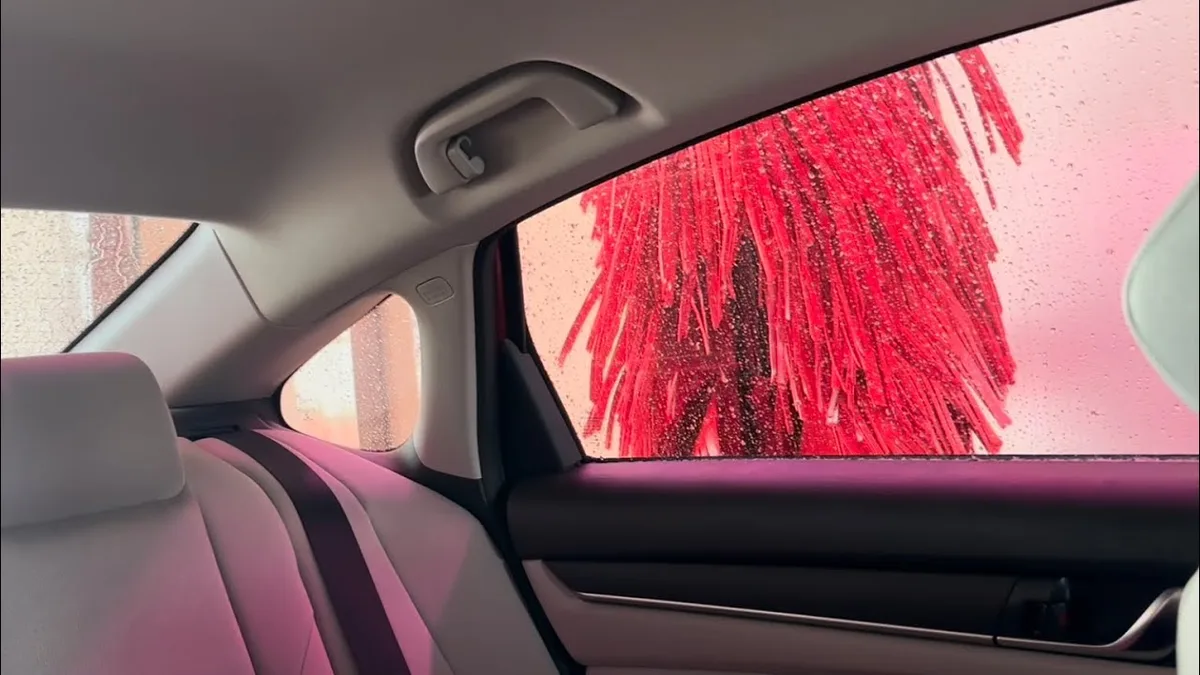
Touchless (left) vs. soft-cloth (right) car wash mechanisms
Wikimedia Commons / Wikimedia Commons contributor
Type Safety for Paint Cleaning Power Speed Cost
Touchless High Moderate Fast $10–$20
Soft-Cloth Moderate High Fast $12–$25
Brush Low High Fast $8–$15
Hand Wash Very High Very High Slow $50–$200+
Touchless washes are the safest automatic option for BMWs because they avoid physical contact. They rely on strong detergents and high-pressure water, which can struggle with caked-on dirt but won’t scratch.
Soft-cloth washes use fabric strips that are gentler than brushes but can still pick up grit from previous cars. If you use one, choose a reputable chain that maintains its equipment. For the best results at home, pairing a hose filter with your wash setup removes impurities that could otherwise scratch the surface.
Brush washes are the riskiest. The rotating brushes can trap dirt and drag it across your paint, causing swirl marks. As of 2026, most luxury car manufacturers, including BMW, advise against them in owner’s manuals.
The BMW-Safe Hand Wash Method (Step by Step)
Using the two-bucket method to prevent swirl marks on a BMW
Wikimedia Commons / Eddie August Schneider
A proper hand wash is the best way to clean your BMW without damaging the paint. Follow these steps for a scratch-free finish.
Pre-Wash
Rinse the car thoroughly with a pressure washer to remove loose dirt. Use a foam cannon with pH-neutral shampoo to pre-soak the surface. Start with the wheels and tires, using a dedicated wheel cleaner that’s safe for BMW alloys. For optimal foam thickness, refer to the ideal foam cannon soap mixing ratio.
Wash
Use the two-bucket method: one for soap, one for rinsing your mitt. Dip your microfiber or chenille mitt in the soap bucket, wash a section, then rinse the mitt in the second bucket before reloading with soap. Work from the top down to avoid dragging dirt upward.
Drying
Use a high-quality microfiber towel (1200+ GSM) to blot the surface dry. Avoid dragging the towel, which can cause micro-scratches. For hard-to-reach areas, use an air blower to prevent water spots.
This method takes about 45–60 minutes but ensures your BMW’s paint stays in top condition. For added protection, apply a quick detailer spray after drying to restore shine and add a light protective layer.
What to Look for in a Professional Car Wash for BMW
A professional car wash for BMW should use pH-neutral soaps and microfiber towels. Look for touchless or soft-cloth systems with regular equipment maintenance. Avoid any place that uses harsh brushes or acidic cleaners.
Check if they offer wheel and tire cleaning as a separate step. BMW alloys often need special non-acidic cleaners to prevent corrosion. A good detailer will also pre-rinse the car to remove loose dirt before any contact washing begins. If you own a black BMW, be extra cautious—special considerations apply to prevent visible swirls and holograms.
DIY vs. Professional Detailing: Costs and Results
DIY washing costs less upfront but requires the right tools and technique. A basic setup with buckets, grit guards, and quality shampoo runs about $100. Professional detailing starts around $50 for a basic wash and can exceed $200 for a full correction.
DIY gives you full control over products and pressure. Professionals bring experience and specialized equipment for tough stains or paint correction. For most BMW owners, a mix of both works best: DIY maintenance washes with occasional professional detailing.
BMW-Specific Risks: Swirl Marks, Water Spots, and Sensor Damage
Swirl marks come from improper washing techniques or dirty mitts. They appear as fine scratches that catch the light, dulling your BMW’s finish. Water spots form when minerals in hard water dry on the paint, leaving etched circles.
Sensor damage is a lesser-known risk. High-pressure sprays aimed at parking sensors or cameras can force water into delicate components. Always angle the nozzle away from these areas or use a gentle spray setting. In practice, a common mistake is assuming all automatic washes are equal—some use recycled water with higher mineral content, increasing the risk of water spots.
Best Products for Washing a BMW
Use pH-neutral car shampoo to avoid stripping wax or damaging clear coat. Meguiar’s, Chemical Guys, and Griot’s offer BMW-safe options. Microfiber wash mitts and towels (1200+ GSM) prevent scratches.
For wheels, choose an acid-free cleaner like Sonax or P&S Brake Buster. A foam cannon helps loosen dirt before contact washing. Grit guards in your buckets keep dirt from being reintroduced to the paint.
Matte, Satin, and Ceramic-Coated BMWs: Special Care Tips

Matte finish requires pH-neutral cleaners and no wax
Wikimedia Commons / skinnylawyer from Los Angeles, California, USA (CC BY-SA)
Matte and satin finishes need pH-neutral cleaners and no wax. Traditional carnauba or synthetic waxes will create glossy spots on matte paint. Use a dedicated matte paint sealant instead.
Ceramic-coated BMWs can handle more frequent washing but avoid harsh chemicals. pH-neutral shampoos extend the coating’s life. Never use degreasers or strong APCs on ceramic coatings, as they can degrade the hydrophobic layer.
For all specialty finishes, always dry with a clean microfiber towel. Water spots are harder to remove from matte surfaces and can require professional correction. A practical tip: test any new product on a small, hidden area first to ensure compatibility.
Common Mistakes That Ruin BMW Paint
Using dish soap strips wax and damages clear coat. It’s too harsh for automotive finishes. Always stick to pH-neutral car shampoo.
Washing in direct sunlight causes water to dry too quickly, leaving spots. Work in the shade or on cloudy days. Reusing a dirty mitt spreads grit across the paint, creating swirl marks.
Another frequent error is skipping the pre-wash rinse, which allows loose dirt to be ground into the paint during the wash. Always rinse thoroughly before touching the surface with a mitt.
How Often Should You Wash Your BMW
Wash your BMW every 1–2 weeks to prevent contaminants from bonding to the paint. In winter, increase frequency to weekly if you drive on salted roads. Salt and grime accelerate corrosion and paint damage.
For cars with ceramic coatings, you can stretch intervals to 2–3 weeks. The hydrophobic layer repels dirt better but still needs regular cleaning. After heavy rain or bird droppings, wash immediately to avoid etching.
Additional Considerations for BMW Owners
Seasonal Washing Adjustments
In winter, road salt and de-icing chemicals are particularly aggressive. If you live in an area with harsh winters, consider a vehicle registration renewal reminder to also schedule a post-winter deep clean to remove accumulated contaminants. Always rinse the undercarriage to prevent corrosion from salt buildup.
In summer, tree sap, bird droppings, and UV exposure can damage paint quickly. Park in the shade when possible and remove sap or droppings immediately with a dedicated cleaner.
Interior Care During Exterior Washes
While focusing on the exterior, don’t neglect the interior. Water and cleaning products can seep into the cabin if doors or windows aren’t properly sealed. Use a separate microfiber towel for interior surfaces to avoid cross-contamination with exterior dirt.
Long-Term Paint Protection Strategies
Regular washing is just one part of paint maintenance. Consider applying a ceramic coating for long-term protection, which can last 2–5 years with proper care. For those who prefer traditional methods, a high-quality carnauba wax provides a deep shine but requires reapplication every 2–3 months.
Final Recommendation: Best Car Wash for Your BMW
For most BMW owners, a touchless automatic wash is the best balance of safety and convenience. If you have time, a proper hand wash is the gold standard. Avoid brush car washes entirely to prevent swirl marks.
For matte or ceramic-coated BMWs, always opt for hand washing with pH-neutral products. Professional detailing is worth it for deep cleaning or paint correction.
Conclusion
Choosing the right car wash for your BMW comes down to balancing safety, convenience, and the specific needs of your vehicle’s finish. Hand washing remains the safest method, while touchless automatic washes offer a practical alternative for regular maintenance. Always avoid brush car washes, use pH-neutral products, and dry thoroughly to protect your BMW’s paint and resale value.
Your next step: if you’re washing at home, invest in a pH-neutral foam cannon soap and a quality microfiber mitt to start washing like a professional today.
Frequently Asked Questions
Can I use a pressure washer on my BMW?
Yes, but keep the PSI between 1500–2500 and use a 25°–40° nozzle. Avoid aiming directly at sensors or seams. Pressure washers are great for pre-rinsing but shouldn’t replace a proper hand wash.
Is a soft-cloth car wash safe for BMW paint?
It’s safer than brush washes but not risk-free. The fabric can still pick up grit from previous cars. If you use one, choose a well-maintained facility and follow up with a quick detailer spray.
How do I remove water spots from my BMW?
Use a water spot remineralizer or a mild polishing compound. For stubborn spots, a clay bar can help lift embedded minerals. Always work in small sections and follow with a protective sealant.
What’s the best way to dry my BMW after washing?
Use a high-quality microfiber towel and blot, don’t drag. For hard-to-reach areas, an air blower prevents water spots. Never let the car air-dry, as this can leave mineral deposits.
Should I wax my BMW after every wash?
No, waxing after every wash is unnecessary. Apply wax or sealant every 3–6 months, depending on the product. Over-waxing can leave a hazy residue and waste product.
Can I use the same mitt for wheels and paint?
No. Always use a separate mitt or brush for wheels to avoid transferring brake dust and grime to the paint. A dedicated wheel cleaner and mitt prevent cross-contamination.
How do I know if a car wash is safe for my BMW’s sensors?
Ask the facility if they use high-pressure sprays near sensors. If unsure, opt for a hand wash or a touchless system with lower pressure settings. Avoid sprays directed at cameras, parking sensors, or grilles.
What should I do if my BMW gets swirl marks?
For minor swirls, a light polishing compound and a dual-action polisher can restore the finish. Severe swirls may require professional paint correction. Prevention is key—always use clean mitts and proper washing techniques.