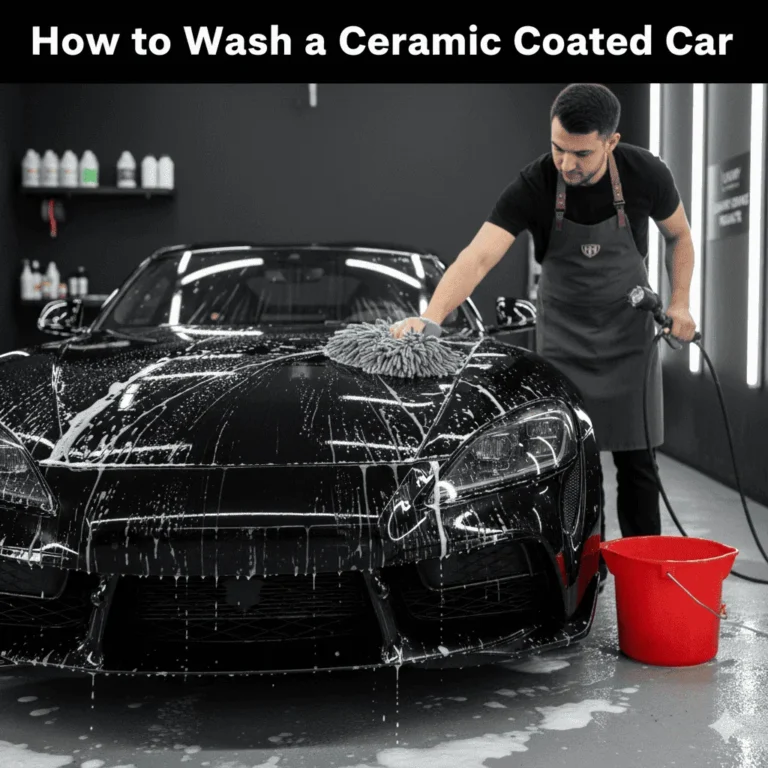
Running a car wash fundraiser with a small group of teens is one of the most reliable ways to raise quick cash for a cause. If you're wondering how to run an effective car wash fundraiser with a small group of teens, the key is smart planning and leveraging what you already have. With the right location and workflow, a team of 5, 10 can wash 50, 100 cars in a day and clear $500, $1,500 in profit.
Aggregate reports from youth groups show that well-organized events average $10, $20 per car, with minimal upfront costs. The difference between a so-so day and a blockbuster often comes down to just a few critical choices.
Quick Answer
A small teen group can run an effective car wash fundraiser by picking a high-traffic spot. Use a simple setup with buckets, soap, and clear roles. Price washes at $10, $20 each.
Promote heavily on social media and with roadside signs.
Is a Car Wash Fundraiser Right for Your Small Teen Group?
A car wash works best if you have access to water, a visible location, and at least 5, 6 reliable volunteers. If your group is smaller than that, you’ll need to streamline roles or partner with another team.
If your area has strict water restrictions or frequent rain, this might not be the best fit. As of 2026, many municipalities also require permits for charity car washes, so check local rules before committing.
How Much Money Can You Realistically Raise?
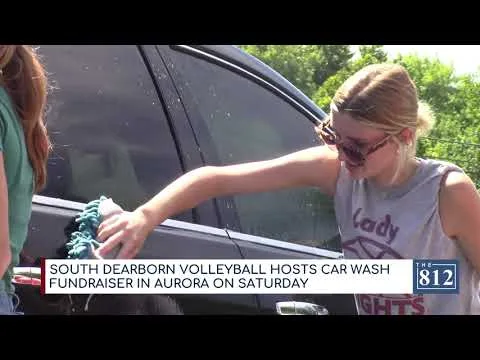
With a small team, expect to wash 10, 20 cars per hour if the workflow is tight. At $15 per wash, that’s $150, $300 per hour in gross revenue.
After subtracting soap, signage, and other minor costs, most groups net 60, 80% of their total earnings. A 4-hour event with steady traffic can easily bring in $800, $1,200.
For comparison, bake sales typically raise $300, $600 in the same timeframe but require more upfront baking effort. Car washes scale better with foot traffic.
Key Conditions That Decide Your Success
Location
High-visibility spots like grocery store parking lots or busy intersections work best. Avoid residential areas with low traffic unless you’re targeting a tight-knit community.
Weather
Aim for a sunny day with temperatures between 60, 85°F. Rain or extreme heat will kill turnout. Always have a backup date.
Team Size
5, 6 teens can handle a steady flow if roles are assigned efficiently. Fewer than that, and you’ll need to simplify the process or limit the number of cars you accept at once.
Water Access
You’ll need a reliable hose and a drainage-friendly area. Some locations charge for water use, so factor that into your costs.
Permits
Many cities require permits for charity car washes, especially if you’re using public property. Check with your local government to avoid fines.
Step-by-Step Workflow for a Small Team
Planning: Date, Time, and Permissions
Pick a weekend morning when people are running errands. Saturday from 9 AM to 2 PM is ideal for most areas.
Secure permissions from the property owner if you’re not on private land. Some businesses will let you use their lot for free if you promote their brand.
Assign a team leader to coordinate volunteers and handle money. This person should be organized and comfortable giving directions.
Supplies: The Minimalist Checklist for Teens
You don’t need much to get started. Focus on the essentials:
- 5-gallon buckets (2, 3)
- Microfiber wash mitts or sponges (5, 6)
- pH-balanced car wash soap (1, 2 gallons)
- Hose with adjustable nozzle
- Microfiber drying towels (10, 12)
- Trash bags
- Cash box with change
- Roadside signs (2, 3 large, visible ones)
Optional but helpful:
- Pop-up canopy for shade
- Traffic cones for directing cars
- Squirt bottles for spot cleaning
You don’t need much to get started. Focus on the essentials:
- 5-gallon buckets (2, 3)
- Microfiber wash mitts or sponges (5, 6)
- pH-balanced car wash soap (1, 2 gallons)
- Hose with adjustable nozzle
- Microfiber drying towels (10, 12)
- Trash bags
- Cash box with change
- Roadside signs (2, 3 large, visible ones)
Optional but helpful:
- Pop-up canopy for shade
- Traffic cones for directing cars
- Squirt bottles for spot cleaning
Roles: How to Assign 5–10 Volunteers Efficiently
With a small team, every person needs a clear job. Assign roles based on energy and attention span.
Greeter/Director (1 person)
Stands at the entrance, waves down cars, and explains pricing. This role needs someone outgoing.
Washers (2, 3 people)
Handle soaping and scrubbing. Rotate them every 30 minutes to prevent fatigue.
Rinsers (1, 2 people)
Use hoses to rinse off soap. This is the fastest step, so fewer people are needed.
Dryers (1, 2 people)
Use microfiber towels to dry cars quickly. This keeps the line moving.
Cashier (1 person)
Handles payments and makes change. Keep this person in a shaded spot with the cash box.
If you have fewer than 5 volunteers, combine roles. The greeter can also direct traffic, and washers can double as dryers.
Execution: The Fastest Wash Line Setup
The goal is to move cars through in under 10 minutes. A smooth workflow prevents bottlenecks and keeps customers happy.
Set up stations in this order:
- Greeter at the entrance
- Washers on one side of the car
- Rinsers on the opposite side
- Dryers at the exit
Use traffic cones to guide cars into a single lane. This prevents confusion and keeps the line organized.
If space is tight, have washers and rinsers work on the same side. Just make sure they don’t get in each other’s way.
Pricing Strategies That Actually Work
Most groups charge $10, $20 per wash. In high-income areas, you can push the upper end. In smaller towns, $10 is the sweet spot.
Offer a single price to keep things simple. Upselling slows down the line and requires more supplies.
If you want to maximize goodwill, consider a "pay what you want" model. People often pay more than the suggested amount for a good cause.
Common Mistakes That Kill Profits
Poor Location Choice
A quiet street means few customers. Always pick a spot with steady traffic.
Underpricing
Charging $5 per wash might attract more cars, but you’ll work twice as hard for half the profit. Stick to $10, $20.
No Clear Roles
Without assigned jobs, volunteers end up standing around or overlapping tasks. This slows everything down.
Ignoring Weather
A rain forecast can ruin your day. Always have a backup plan or a rescheduled date ready.
Running Out of Supplies
Check your soap and towel stock halfway through. Nothing stops a car wash faster than running out of basics.
Safety and Legal Checks You Can’t Skip
Safety should be your top priority. Wet surfaces are slippery, so lay down non-slip mats where volunteers stand.
If using chemicals, stick to pH-balanced car soap. Harsh detergents can damage paint and irritate skin.
Check local laws about water runoff. Some areas prohibit soap from entering storm drains. Use biodegradable soap if required.
Most cities require a permit for charity car washes. Contact your local government to confirm. Skipping this step can lead to fines.
How to Promote It So Cars Actually Show Up
Start with social media. Post on local Facebook groups, Nextdoor, and Instagram with the date, time, and location. Include an eye-catching graphic with bold text.
Ask team members to share the posts with their networks. Personal shares get more attention than group posts.
Put up roadside signs 2, 3 days before the event. Use large, readable fonts and bright colors. Place them at busy intersections near your location.
On the day of the event, have a few volunteers hold signs and wave at passing cars. This grabs attention and pulls in last-minute customers.
What to Do If the Weather Ruins Your Day
Have a backup date ready before you start promoting. If rain is in the forecast, announce the change on social media and update your signs.
If you can’t reschedule, pivot to a different fundraiser. A bake sale or bottle drive can be organized quickly with the same volunteers.
If the weather is just cloudy or cool, proceed as planned. People will still come if they know the cause is worth supporting.
Real Numbers: What a Well-Run Teen Car Wash Makes
A small team of 5, 6 teens can wash 12, 15 cars per hour in a steady flow. At $15 per wash, that’s $180, $225 per hour.
Over a 4-hour event, that’s $720, $900 in gross revenue. After subtracting $100, $150 for supplies, you’re looking at $600, $750 in profit.
Top-performing groups report $1,000, $1,500 in a single day. These teams usually have 8, 10 volunteers, a prime location, and strong promotion.
Alternatives If a Car Wash Won’t Work for You
If water access is an issue, try a dry fundraiser. A bake sale or candy sale requires minimal setup and can be just as profitable.
If your group is too small, partner with another team. Combining efforts means more volunteers and a bigger impact.
If permits are a problem, consider a mobile car wash. Offer to wash cars at people’s homes for a fee. This avoids public space restrictions.
Quick Decision Guide: Should You Do This?
Do it if:
You have 5, 10 reliable volunteers. You’ve secured a high-traffic location. The weather forecast is clear.
Skip it if:
Your team is smaller than 5. You can’t access water or a good location. Local laws make it too complicated.