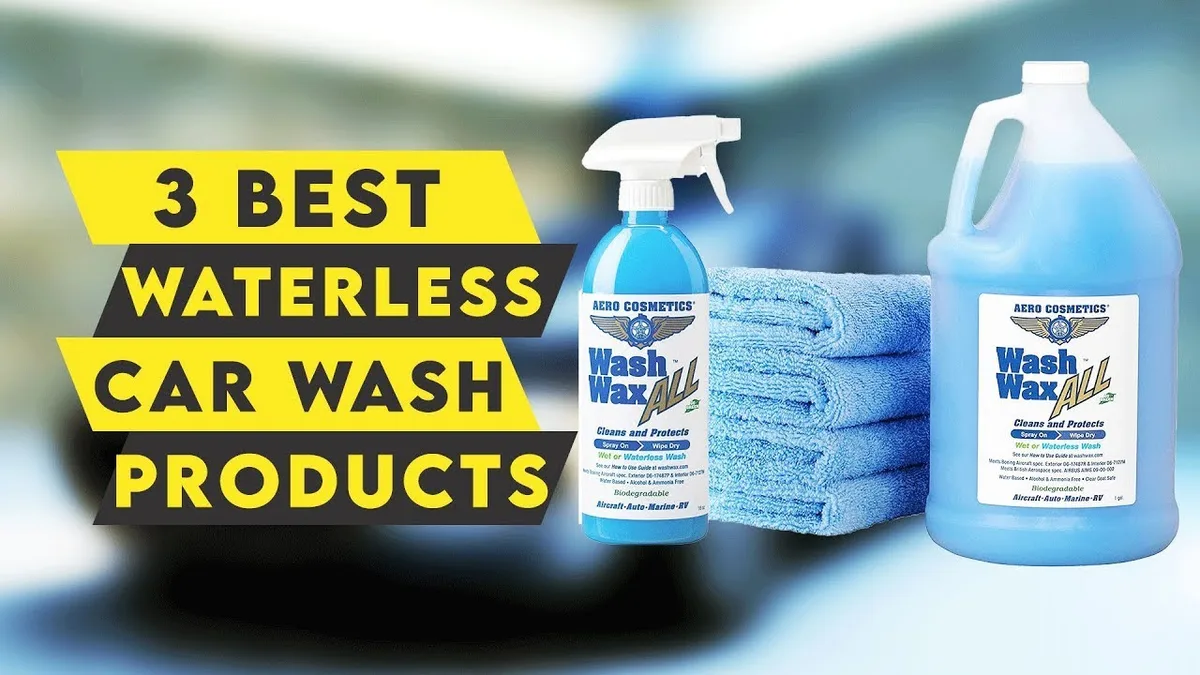
Tired of hauling buckets and hoses just to keep your car clean? Learning how to use waterless car wash can save you time, water, and effort while still delivering a spotless finish. It’s a practical solution for apartment dwellers, drought-prone areas, or anyone who wants a quick touch-up between full washes.
Manufacturer specs confirm that a quality waterless wash uses lubricating polymers to lift dirt safely. As of 2026, it’s a method trusted by detailers for light to moderate grime. But it’s not a one-size-fits-all fix, knowing when and how to use it makes all the difference.
Quick Answer
Waterless car wash uses a spray-and-wipe method to clean without a hose. Spray a section, then wipe with a plush microfiber towel. Work in small areas to prevent drying.
Use only on light dirt, not heavy mud or caked-on grime.
How Waterless Car Wash Actually Works
Waterless car wash relies on a lubricating formula that encapsulates dirt particles. The spray contains surfactants and polymers to lift and suspend contaminants, allowing them to be wiped away safely.
Unlike traditional washing, it doesn’t require rinsing. The lubrication prevents scratches by letting the towel glide over the surface instead of dragging debris. This method works well for dust, pollen, and light road film but struggles with heavy contaminants like tar or mud.
What You’ll Need (Tools & Products)
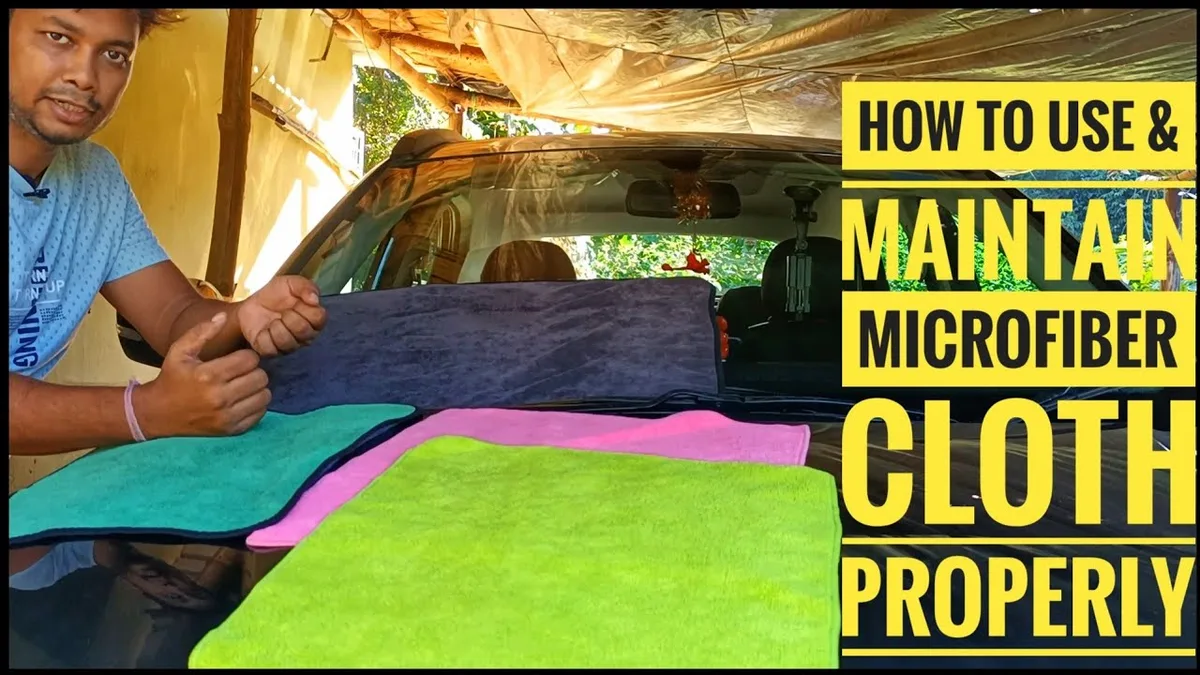
You don’t need much to get started. A quality waterless wash spray is the foundation, whether pre-mixed or concentrate. Pair it with high-GSM microfiber towels, 300 to 800 GSM, to avoid scratching.
| Item | Purpose | Notes |
|---|---|---|
| Waterless wash spray | Lifts and suspends dirt | pH-neutral for paint safety |
| Microfiber towels | Wipes without scratching | Use 2-3 per wash to avoid cross-contamination |
| Spray bottle | Applies product evenly | Trigger or pump style |
| Optional quick detailer | Adds shine after cleaning | Use only on clean surfaces |
Avoid household towels or paper products, as they can cause swirl marks. If you’re working on wheels or tires, a separate cleaner may be needed since waterless sprays aren’t always strong enough for brake dust.
When to Use (and When to Avoid) a Waterless Wash
Use a waterless wash for light dirt, dust, or pollen. It’s ideal for quick cleanups between full washes or when water access is limited. Many detailers recommend it for maintaining a freshly waxed or sealed car, as it won’t strip protective layers if the formula is pH-balanced.
Avoid it for heavy mud, baked-on bird droppings, or salt buildup from winter roads. These require pre-soaking or a traditional wash to prevent scratching. Also skip it if your car has visible oxidation, deep scratches, or matte/vinyl wraps unless the product is specifically labeled safe for those surfaces.
Step-by-Step: How to Wash Your Car Without Water
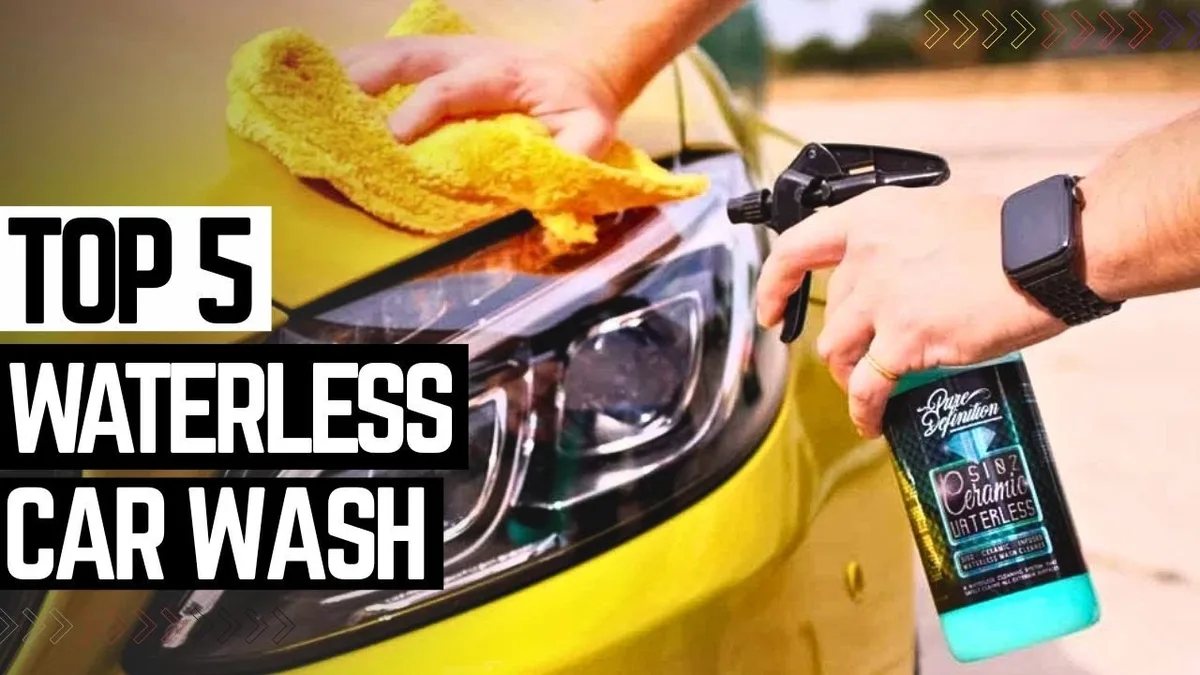
Start by parking in the shade. Direct sunlight causes the product to dry too quickly, increasing the risk of streaks. Shake the waterless wash bottle well to ensure the lubricants are evenly distributed.
Spray a 2×2 foot section of the car, working from the top down. Use a plush microfiber towel to wipe in straight lines, not circles, to minimize swirl marks. Fold the towel frequently to expose a clean side, and switch to a fresh towel if it becomes saturated with dirt.
For wheels and tires, use a dedicated cleaner if the waterless spray isn’t cutting through brake dust. Glass and trim may need separate products, especially if they’re sensitive to certain chemicals. Finally, buff the surface with a dry microfiber towel to remove any residue and reveal a streak-free finish.
Pro Tips for a Flawless, Swirl-Free Finish
Use two towels: one for cleaning and one for buffing. This prevents reapplying dirt you just lifted. Always fold the cleaning towel into quarters and flip to a fresh side after each panel.
Work in the shade and avoid windy days. Dust can settle on wet surfaces, forcing you to re-clean areas. For extra shine, follow up with a quick detailer spray on clean panels.
Common Mistakes That Ruin Your Paint
Using a single dirty towel across the whole car spreads contaminants. This creates swirl marks that are expensive to fix. Another mistake is spraying too much product, which can leave streaks or residue.
Applying waterless wash in direct sunlight causes premature drying. This makes the product harder to buff off and can leave hazy spots. Never use it on hot surfaces either, as the heat can bake the cleaner into the paint.
Waterless Wash vs. Rinseless Wash vs. Traditional Wash
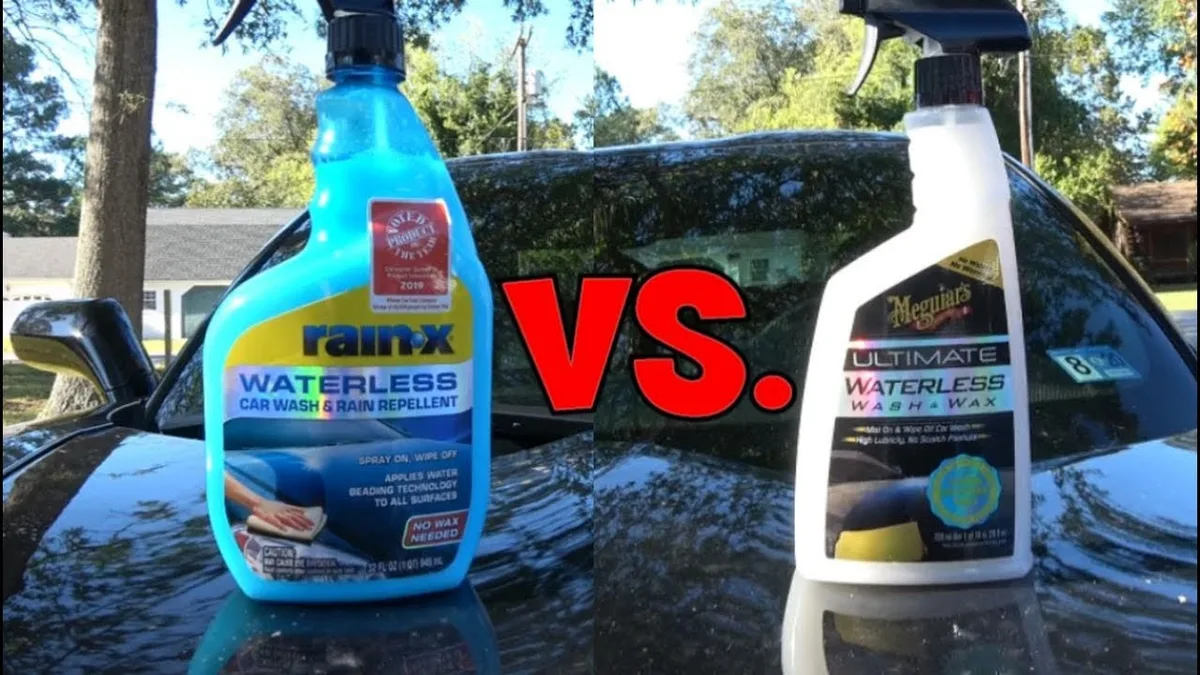
Waterless wash is best for light cleaning with no water access. It’s fast and portable but limited to light dirt. Rinseless wash uses a small amount of water for a rinse-free clean, handling moderate grime better.
Traditional washing is the most thorough for heavy dirt but uses 50 to 150 gallons of water per wash. It’s ideal for deep cleaning but time-consuming and not always practical.
| Method | Water Use | Best For | Time |
|---|---|---|---|
| Waterless | None | Light dirt, quick touch-ups | 10-20 minutes |
| Rinseless | 1-2 gallons | Moderate dirt | 20-30 minutes |
| Traditional | 50-150 gallons | Heavy dirt, full clean | 45-60 minutes |
Best Use Cases for Waterless Washing
Waterless washing shines for apartment or condo dwellers without hose access. It’s also perfect for drought-prone areas where water restrictions apply. Car enthusiasts use it for quick cleanups between full washes to maintain a showroom finish.
It’s great for travel or road trips when you need to clean your car on the go. Detailers often use it for spot cleaning after removing bird droppings or bug splatter. For classic or ceramic-coated cars, it’s a safe way to clean without risking water spots.
Safety & Surface Compatibility (What to Watch Out For)
Never use waterless wash on cracked or peeling paint. The abrasion can worsen the damage. Avoid it on matte or satin finishes unless the product is specifically labeled safe for those surfaces.
Test on a small, hidden area first if you’re unsure about compatibility. For vinyl wraps or PPF, check with the installer or manufacturer guidelines. Always avoid using it on headlights or taillights, as some formulas can cloud plastic lenses.
Cost, Time, and Environmental Impact
A waterless wash costs about $1 to $5 per use depending on product concentration. It takes 10 to 20 minutes for a standard sedan, making it one of the fastest cleaning methods available.
Environmentally, it saves 50 to 150 gallons of water per wash compared to traditional methods. Many formulas are biodegradable, but always check the label to confirm eco-friendliness. Some municipalities even recommend it during drought conditions.
FAQs About Waterless Car Washing
Can you use waterless wash on a dirty car?
No. It’s only effective for light dust or dirt. Heavy grime requires pre-soaking or a traditional wash to avoid scratching the paint.
Does waterless wash remove wax?
Most pH-neutral formulas won’t strip wax or sealants. However, some stronger cleaners might. Always check the product label.
How often can you use waterless wash?
You can use it weekly for maintenance if the car isn’t heavily soiled. For daily use, stick to dust-only cleaning to prevent buildup.
Is waterless wash safe for all paint types?
It’s safe for clear-coated and standard paint. Avoid it on matte, satin, or vinyl wraps unless the product specifies compatibility.
Can you use it in cold weather?
Yes, but avoid temperatures below 40°F. The product may not spread evenly, and freezing can affect performance.
What’s the best towel for waterless washing?
Use a high-GSM microfiber towel, ideally 400 to 800 GSM. Lower quality towels can cause swirl marks.