Image source: YouTube / Hammy's Showcase (YouTube thumbnail (fair-use with source credit))
Your car’s undercarriage takes a beating from road salt, grime, and debris, and the best car wash for undercarriage isn’t always the most expensive or high-tech option. The right choice depends on your climate, vehicle type, and how thoroughly you need to remove corrosion-causing buildup.
Aggregate reviews and manufacturer specs confirm that undercarriage sprays in automatic washes typically use 800, 1,200 PSI, while DIY pressure washers can hit 1,500, 4,000 PSI for deeper cleaning. So which method actually works best for your situation?
Quick Answer
The best car wash for undercarriage is a touchless automatic wash with dedicated undercarriage sprays for daily drivers. Self-serve bays offer better control for heavy salt or mud. DIY pressure washing delivers the deepest clean but risks damage if done wrong.
Rust-prone vehicles need frequent washes in winter.
Why Undercarriage Washing Matters (And When You’re Doing It Wrong)
Salt from winter roads accelerates rust, and a single season of neglect can lead to costly repairs. The undercarriage includes the frame, suspension, and exhaust system, all exposed to moisture and debris.
Skipping this step means corrosion eats away at critical components. As of 2026, the National Highway Traffic Safety Administration reports that rust-related failures contribute to thousands of vehicle breakdowns annually. If you drive in snowy regions or off-road, undercarriage cleaning isn’t optional.
Automatic Car Washes: Convenience vs. Coverage
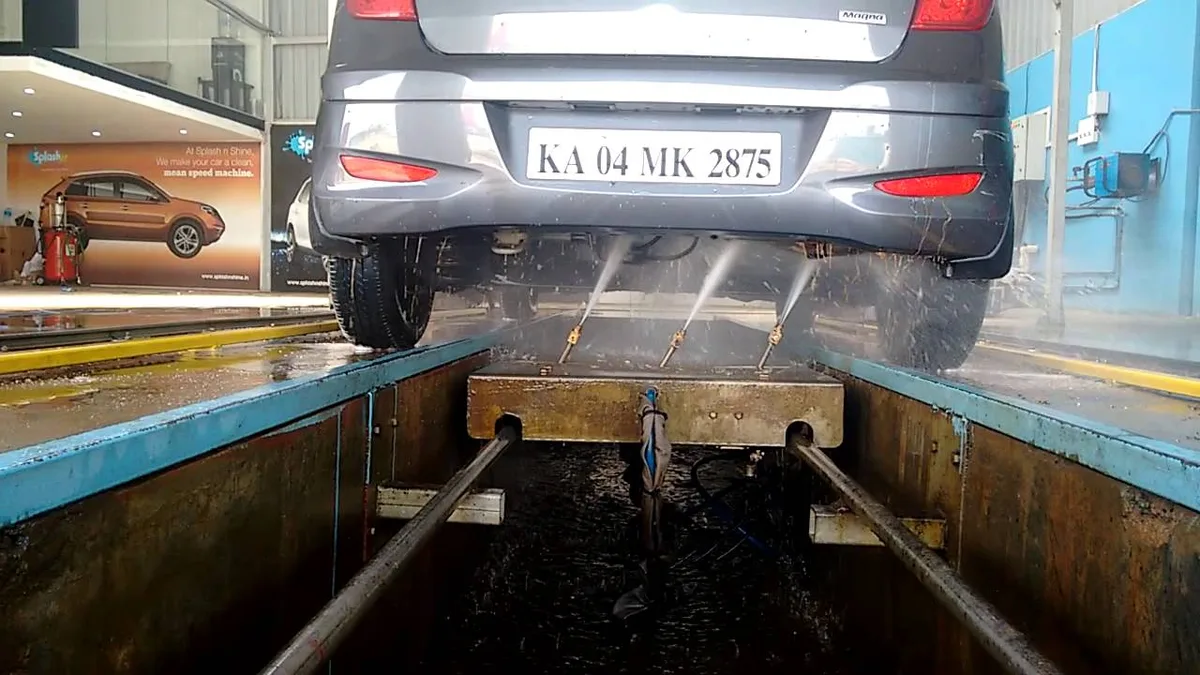
Image source: YouTube / Manmachine Group (YouTube thumbnail (fair-use with source credit))
Automatic car washes are fast and require no effort on your part. Most modern ones include undercarriage sprays, but the pressure and coverage vary widely.
Pros:
- Time-saving (5, 10 minutes)
- Consistent application of soap and water
- Often include undercarriage jets
Cons:
- Brushes can miss tight spots or scratch paint
- Lower pressure (800, 1,200 PSI) may not remove caked-on salt
- Risk of damage to low-clearance vehicles
Best for: Daily drivers in urban areas who need a quick, hands-off solution.
Self-Serve Car Washes: Full Control, More Effort
Self-serve bays let you target problem areas with a high-pressure wand. You control the angle, pressure, and time spent on the undercarriage.
Pros:
- Higher pressure (1,200, 1,500 PSI) for stubborn grime
- Ability to focus on wheel wells and suspension
- Cost-effective for frequent users
Cons:
- Requires manual effort and time (20, 40 minutes)
- Inconsistent results if you miss spots
- No drying assistance (water spots can lead to rust)
Best for: Off-road vehicles, winter drivers, or anyone who wants a thorough clean without investing in their own equipment. For more on vehicle maintenance in rural areas, check out rural road safety.
DIY Pressure Washing: The Deepest Clean (If Done Right)
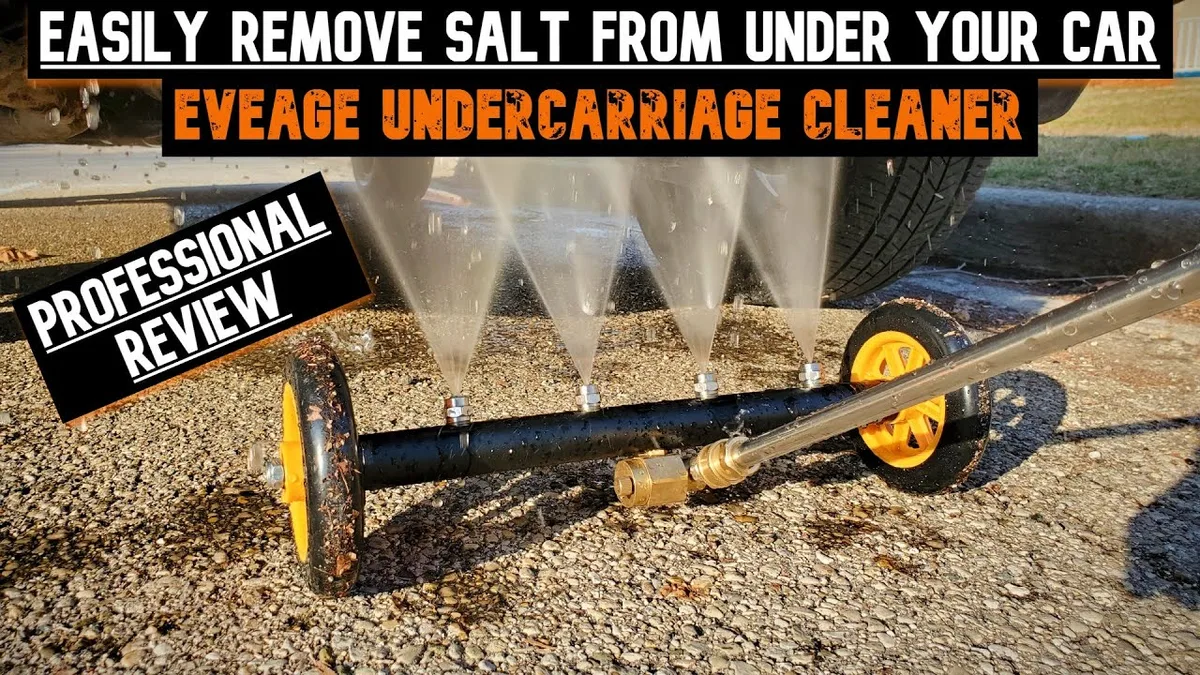
Image source: YouTube / Hammy's Showcase (YouTube thumbnail (fair-use with source credit))
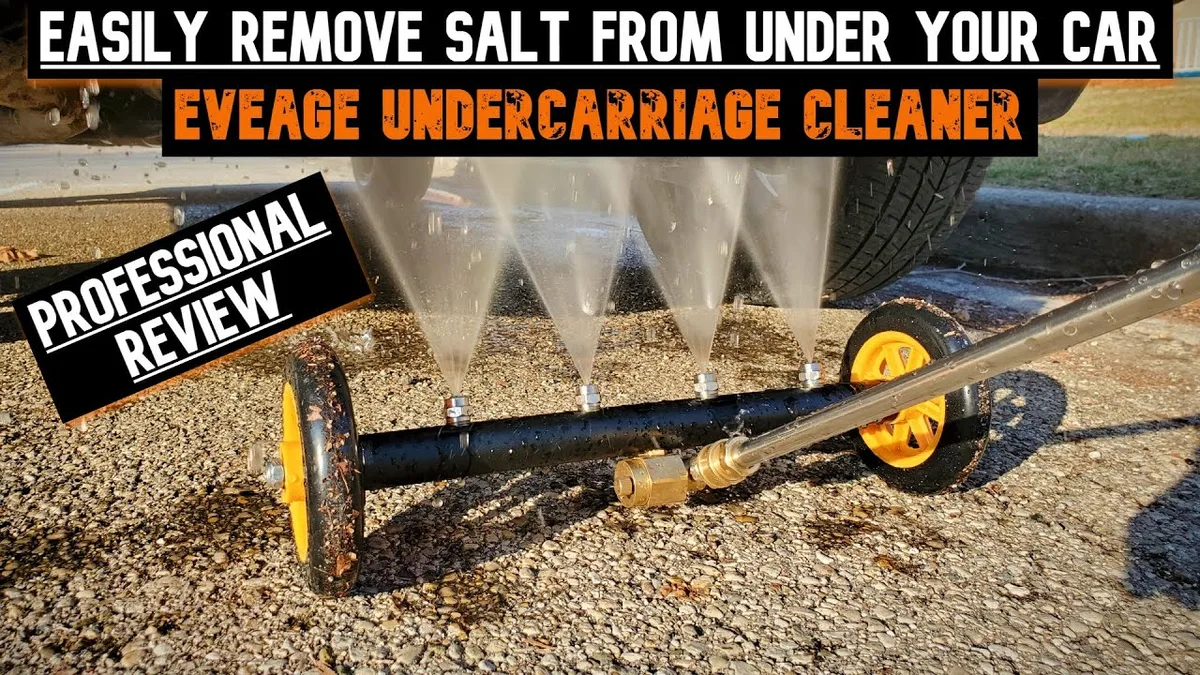
A pressure washer at home can blast away the toughest buildup, but it’s not without risks. Manufacturer specs for consumer-grade washers typically range from 1,500 to 4,000 PSI.
Pros:
- Highest pressure for deep cleaning
- Full control over detergents and techniques
- No recurring costs after initial equipment purchase
Cons:
- Risk of damaging electrical components or seals
- Uneven cleaning if not done methodically
- Requires proper safety gear and technique
Best for: Enthusiasts or those with heavily soiled vehicles who are willing to learn the right method. Always use a 25, 40 degree nozzle and keep the wand at least 12 inches from sensitive areas.
Touchless Car Washes: Gentle but Limited
Touchless systems use high-pressure water and detergents without brushes. They’re safer for paint but often lack the scrubbing power for heavy undercarriage grime.
Pros:
- No risk of scratches from brushes
- Gentle on delicate finishes
- Good for quick maintenance between deep cleans
Cons:
- Lower pressure may not dislodge caked-on salt
- Can miss tight spaces in the frame
- Typically more expensive per wash
Best for: Drivers who prioritize paint protection but still want regular undercarriage attention.
Side-by-Side Comparison: Which Method Wins for Your Needs?
| Method | Pressure (PSI) | Cost per Wash | Time Required | Best For | Worst For |
|---|---|---|---|---|---|
| Automatic | 800–1,200 | $10–$20 | 5–10 min | Daily drivers, convenience | Heavy salt, low clearance |
| Self-Serve | 1,200–1,500 | $5–$15 | 20–40 min | Off-road, winter drivers | Time-pressed users |
| Touchless | 1,000–1,400 | $15–$25 | 5–10 min | Paint protection | Stubborn grime |
| DIY Pressure Washer | 1,500–4,000 | $0 (after purchase) | 30–60 min | Deep cleaning, enthusiasts | Beginners, risky areas |
Quick pick guide:
- Need speed? Automatic or touchless.
- Need power? Self-serve or DIY.
- Need paint safety? Touchless or self-serve with care.
Best for Winter: Salt Removal Strategies That Actually Work
Road salt is the biggest enemy of your undercarriage. In snowy states, a single winter can cause visible rust if you don’t act.
Effective methods:
- Weekly self-serve washes with undercarriage focus
- Monthly DIY pressure washing for heavy buildup
- Immediate rinse after driving on salted roads
Pro tip: Use a pH-balanced degreaser before pressure washing. Salt residue is invisible but corrosive.
Best for Rust Prevention: Long-Term Undercarriage Care
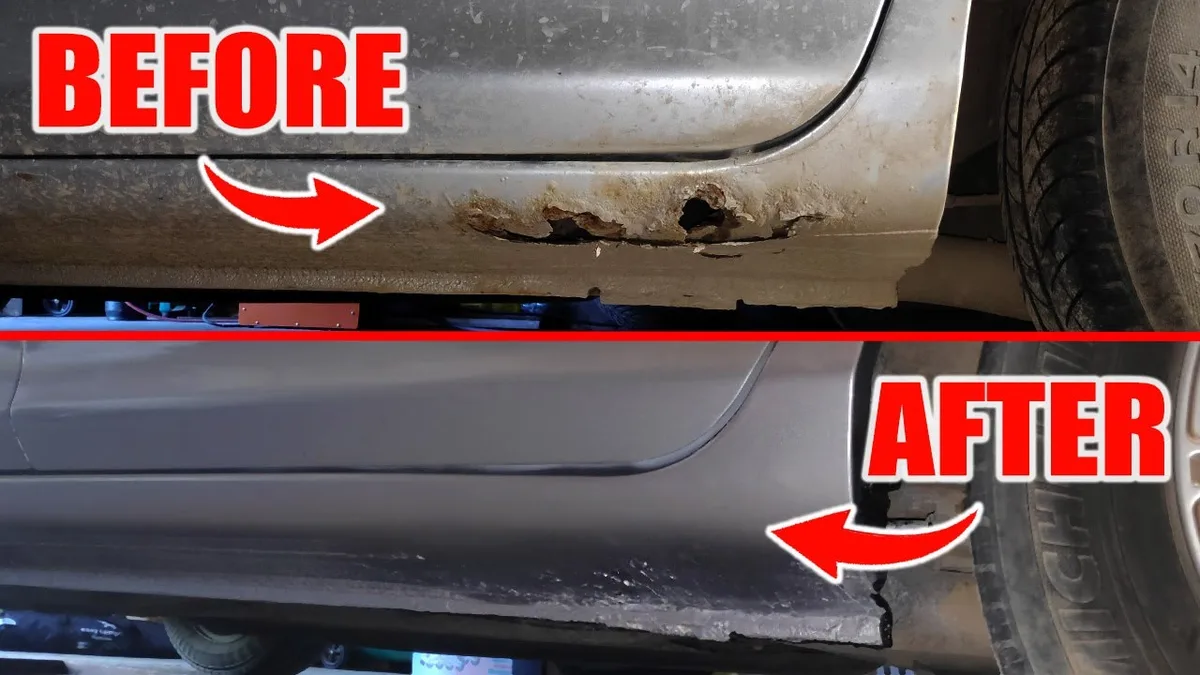
Image source: YouTube / GK Works Automotive (YouTube thumbnail (fair-use with source credit))
Rust starts where you can’t see it. Regular cleaning is step one, but prevention goes further.
Key steps:
- Wash undercarriage every 2 weeks in winter
- Apply rust inhibitor spray after cleaning
- Inspect for bubbles or flaking paint (early rust signs)
Avoid:
- Letting water pool in frame rails
- Using harsh chemicals that strip protective coatings
- Skipping drying (moisture speeds up rust)
For rural drivers, slow-moving vehicle laws often mean more exposure to dirt and salt. Extra attention is worth it.
Common Mistakes That Ruin Your Undercarriage (And How to Avoid Them)
Using too much pressure:
High PSI can damage seals or electrical components. Stick to 1,500, 2,500 PSI for undercarriage work.
Ignoring drying:
Water left in crevices causes rust. Use compressed air or a towel to dry hard-to-reach areas.
Skipping the pre-soak:
Degreaser breaks down salt and grime before washing. Without it, you’re just moving dirt around.
Overlooking wheel wells:
These trap the most salt and debris. Aim your wand directly into them.
Using the wrong nozzle:
A 0-degree nozzle is too harsh. Use 25, 40 degrees for undercarriage cleaning.
Cost Breakdown: What You’ll Pay for Each Method
| Method | Cost per Wash | Equipment Cost | Time Cost | Notes |
|---|---|---|---|---|
| Automatic | $10–$20 | $0 | 5–10 min | Memberships can lower cost |
| Self-Serve | $5–$15 | $0 | 20–40 min | Coin-operated or card payment |
| Touchless | $15–$25 | $0 | 5–10 min | Often premium-priced |
| DIY Pressure Washer | $0 | $150–$400 | 30–60 min | One-time purchase |
Membership tip: Unlimited wash clubs cost $20, $40/month. They pay off if you wash weekly in winter.
DIY investment: A decent pressure washer runs $200, $300. Add $50 for undercarriage-specific nozzles and degreasers.
Pro Tips for a Spotless, Rust-Free Undercarriage
Pre-wash matters:
Rinse off loose dirt first. This prevents scratching when you scrub or pressure wash.
Use the right detergent:
Avoid household cleaners. Use a pH-balanced car wash soap or dedicated undercarriage degreaser.
Work in sections:
Divide the undercarriage into quarters. Clean one area at a time to avoid missing spots.
Dry thoroughly:
Use compressed air to blow water out of crevices. A leaf blower works in a pinch.
Protect after cleaning:
Apply a rust inhibitor or undercoating spray. This adds a barrier against future corrosion.
FAQs About Undercarriage Washing
How often should I wash my undercarriage in winter?
Aim for every 1, 2 weeks if you drive on salted roads. More often if you see heavy salt buildup.
Can I use a regular garden hose for undercarriage cleaning?
No. Garden hoses lack the pressure to remove salt and grime effectively. A pressure washer or car wash spray is better.
Is it safe to pressure wash my car’s undercarriage?
Yes, if you use the right settings. Stick to 1,500, 2,500 PSI and a 25, 40 degree nozzle. Avoid direct spray on electrical components.
What’s the best way to dry my undercarriage?
Compressed air is ideal. A towel works for accessible areas. Never let it air-dry with standing water.
Do automatic car washes really clean the undercarriage?
Most do, but coverage varies. Look for washes with dedicated undercarriage spray jets. Touchless options are safer for paint.