Image source: YouTube / Pan The Organizer (YouTube thumbnail (fair-use with source credit))
Porsche paint isn’t just expensive to fix, it’s designed to stay flawless with the right care. The best wash for Porsche starts with a pH-balanced shampoo and the two-bucket method to prevent swirls. Wrong products or techniques strip wax, dull finishes, and leave micro-scratches that cost thousands to correct.
Manufacturer specs confirm Porsche recommends pH-neutral cleaners and soft microfiber to protect clear coats and ceramic finishes. Even a single harsh wash can etch surfaces or degrade protective layers.
Quick Answer
The best wash for Porsche uses a pH-neutral car shampoo. It prevents paint damage. The two-bucket method stops swirl marks.
Always dry with a clean microfiber towel.
Why the Right Wash Matters for a Porsche
Porsche clear coats are thinner than most cars. Harsh detergents or dirty mitts scratch them instantly. A single improper wash can require a full repaint.
Porsche AG’s care guidelines state that alkaline cleaners strip wax and degrade ceramic coatings. pH-balanced soaps maintain protection while lifting dirt safely.
Quick Answer: Best Wash Types for Porsche
For daily cleaning, a pH-neutral foam cannon pre-wash followed by a two-bucket hand wash is ideal. Waterless washes work for light dust but won’t remove brake dust or road grime. Automatic car washes with brushes are risky, they often leave swirl marks.
For ceramic-coated Porsches, use a coating-safe shampoo to avoid breaking down the hydrophobic layer. Matte finishes need a dedicated matte car wash to prevent gloss restoration.
Porsche-Approved vs. Aftermarket Car Washes
Porsche-approved products meet strict chemical standards. They’re formulated to protect factory clear coats and optional ceramic coatings. Aftermarket washes vary widely, some are excellent, others contain fillers or harsh surfactants.
| Feature | Porsche-Approved | Premium Aftermarket |
|---|---|---|
| pH Level | 6.5–7.5 | Varies (check label) |
| Ceramic-Safe | Yes | Often (verify) |
| Price | Higher | Mid to High |
| Availability | Dealerships | Auto stores, online |
Porsche’s official care guidelines emphasize avoiding automatic brush washes. They also warn against household cleaners like dish soap, which strip protective layers.
pH-Balanced vs. Alkaline vs. Waterless: Which to Choose
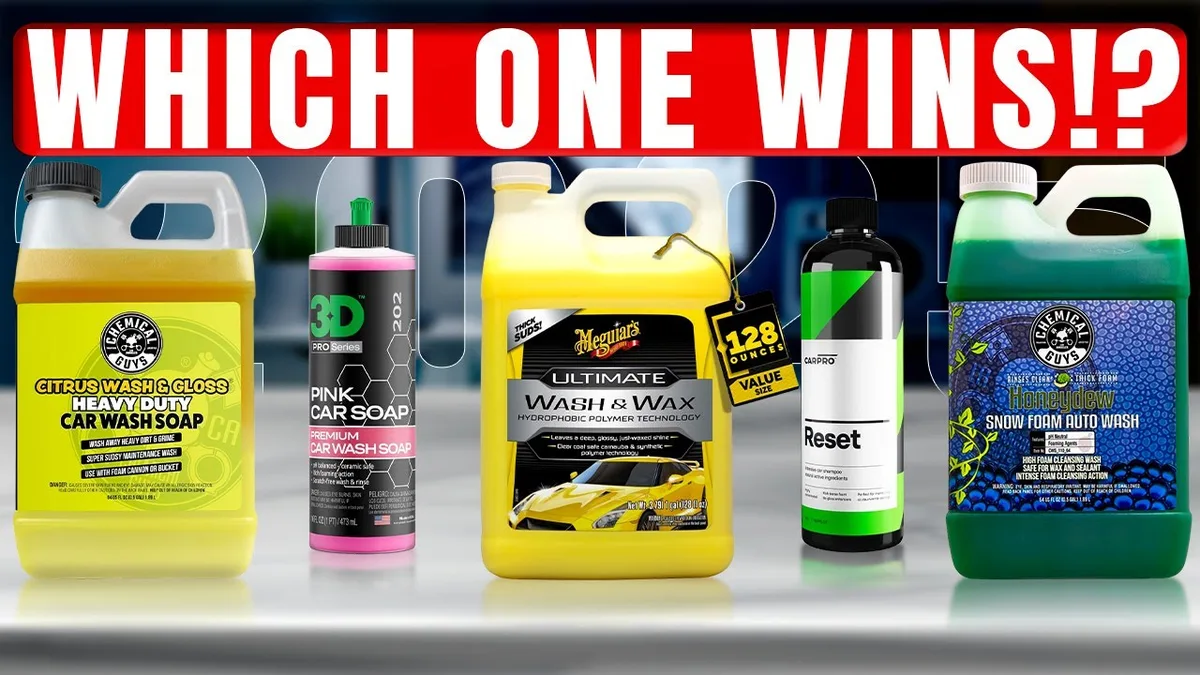
Image source: YouTube / Product Verdict (YouTube thumbnail (fair-use with source credit))
pH-balanced shampoos (6.5, 7.5) are the safest for regular use. They clean without damaging wax, sealants, or ceramic coatings. Alkaline washes (pH 10+) cut through heavy grime but should only be used for deep cleaning on uncoated surfaces.
Waterless washes are convenient for light dust but won’t remove embedded dirt. They’re best for quick touch-ups between full washes. For Porsche owners, a pH-balanced shampoo is the default choice.
Here’s when to use each:
- pH-Balanced: Weekly washes, coated cars, daily drivers
- Alkaline: Pre-detailing degrease, uncoated cars with heavy contamination
- Waterless: Light dust, no water access, quick detailer spray
Step-by-Step: How to Wash a Porsche Without Damaging the Paint
Image source: YouTube / Online Detailing Store (YouTube thumbnail (fair-use with source credit))
Start with a pre-wash rinse to remove loose dirt. Use a pressure washer or hose with a foam cannon for even coverage. This step prevents dragging grit across the paint during the contact wash.
Use the two-bucket method:
- Bucket 1: Soap and water
- Bucket 2: Clean water with a grit guard
Dip your microfiber mitt in the soap bucket, wash a panel, then rinse the mitt in the clean water bucket before reloading with soap. This keeps dirt out of your wash solution.
Work top to bottom, washing one panel at a time. Use a separate mitt for wheels and tires to avoid cross-contamination. Rinse frequently to prevent soap from drying on the surface.
Dry with a clean microfiber towel or a blower to prevent water spots. For extra protection, apply a quick detailer spray after drying to boost shine and add a layer of protection.
Hand Wash vs. Automatic Car Wash for Porsche
Automatic car washes with brushes will scratch Porsche paint. The soft-touch variety is safer but still risks swirls from recycled water and abrasive materials. Hand washing gives you full control over pressure, products, and technique.
Touchless automatic washes use high-pressure jets and strong chemicals. These can strip wax and degrade ceramic coatings over time. For a Porsche, hand washing is the only method that guarantees safety for the finish.
What to Avoid: Common Mistakes That Ruin Porsche Paint
Never use dish soap or household cleaners. They strip wax and damage clear coats. Always use a dedicated car shampoo with a pH between 6.5 and 7.5.
Washing in direct sunlight causes water spots. The heat dries soap too quickly, leaving mineral deposits. Always wash in the shade or on cloudy days.
Using a single bucket spreads dirt back onto the paint. The two-bucket method with grit guards keeps your wash water clean. Skipping this step almost always leads to swirl marks.
Special Cases: Washing Ceramic-Coated, Matte, or PPF-Wrapped Porsches
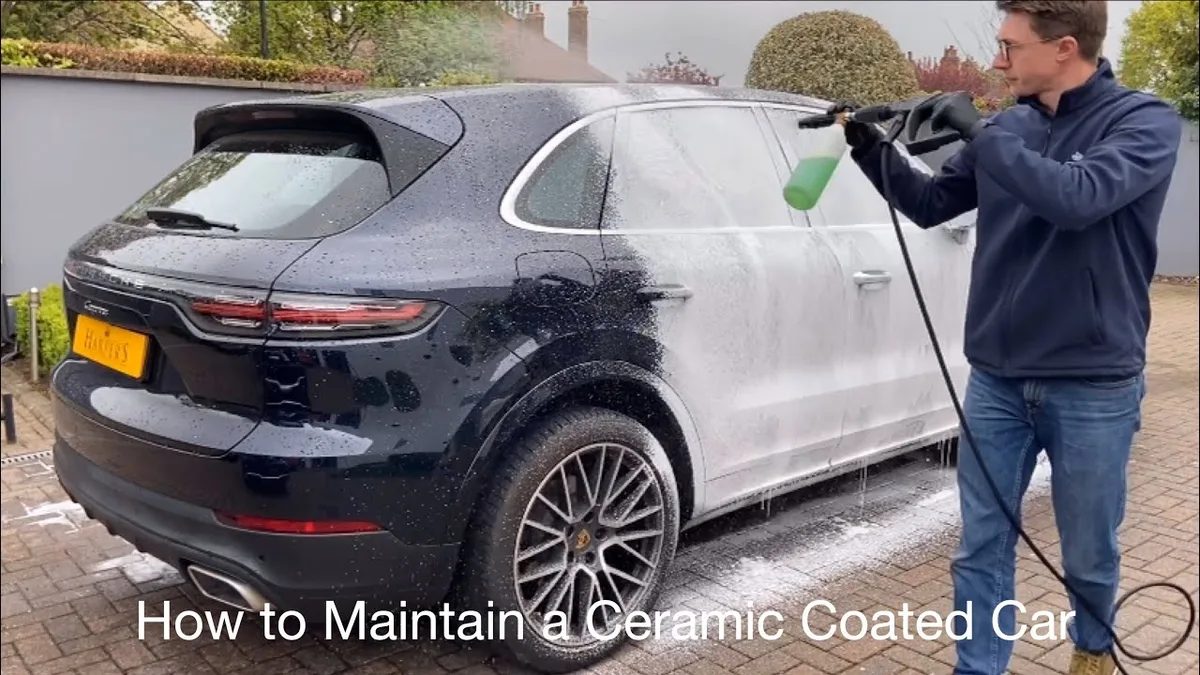
Image source: YouTube / Harper's Car Detailing (YouTube thumbnail (fair-use with source credit))
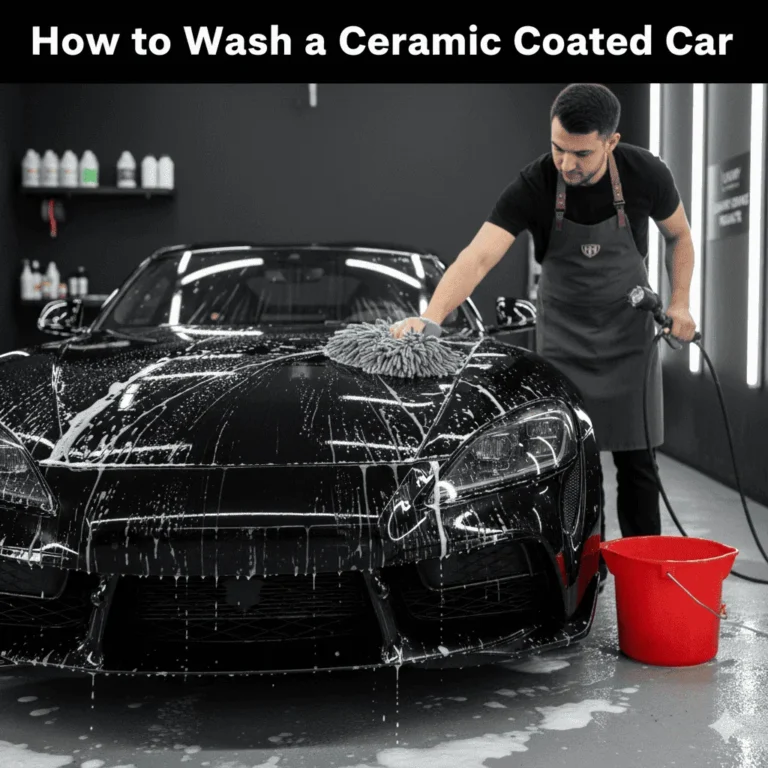
Ceramic-coated Porsches need a coating-safe shampoo. Regular car soaps can degrade the hydrophobic layer over time. Look for pH-neutral formulas labeled for ceramic or graphene coatings.
Matte finishes require a dedicated matte car wash. Regular shampoos can restore gloss, ruining the flat look. Never use wax or polish on matte paint.
Paint Protection Film (PPF) can handle slightly stronger cleaners but still benefits from pH-balanced soaps. Avoid alkaline washes unless you’re doing a deep clean on heavily contaminated film. Always test a small area first.
Cost Comparison: DIY vs. Professional Detailing
DIY washing costs pennies per wash. A quality pH-balanced shampoo lasts dozens of washes, and microfiber mitts and towels are reusable. The upfront cost for basic supplies is under $50.
Professional detailing runs $150 to $500 per session depending on the service. This includes deep cleaning, clay bar treatment, and wax or sealant application. For most owners, a mix of DIY washes and occasional professional detailing is the best balance.
| Service | Cost | Frequency | Best For |
|---|---|---|---|
| DIY Wash | $5–$10 | Weekly | Maintenance |
| Professional Detail | $150–$500 | Quarterly | Deep Clean, Protection |
| Touchless Auto Wash | $15–$25 | Rarely | Emergency Clean |
Pro Tips for Long-Term Paint Protection
Rinse your Porsche immediately after driving in rain or snow. Road salt and grime accelerate corrosion and dull the finish. A quick rinse prevents long-term damage.
Use a foam cannon for pre-wash on heavily soiled cars. It loosens dirt before the contact wash, reducing the risk of scratches. This is especially useful after track days or long road trips.
Apply a quick detailer spray after each wash. It adds a layer of protection and enhances shine between wax applications. For ceramic-coated cars, use a coating-safe detail spray to maintain hydrophobic properties.
FAQs About Washing a Porsche
Can I use dish soap to wash my Porsche?
No. Dish soap strips wax and damages clear coats. Always use a dedicated car shampoo with a neutral pH.
How often should I wash my Porsche?
Wash it every 1 to 2 weeks to prevent dirt buildup. In winter, rinse it weekly to remove road salt.
Is an automatic car wash safe for my Porsche?
Avoid brush car washes. Touchless washes are safer but still risk water spots and chemical damage. Hand washing is the only fully safe method.
What’s the best way to dry my Porsche?
Use a clean microfiber towel or a blower. Pat dry instead of dragging the towel to prevent swirls.
Can I wax my Porsche after washing?
Yes. Apply wax or sealant after a thorough wash and dry. This adds a protective layer and enhances shine.