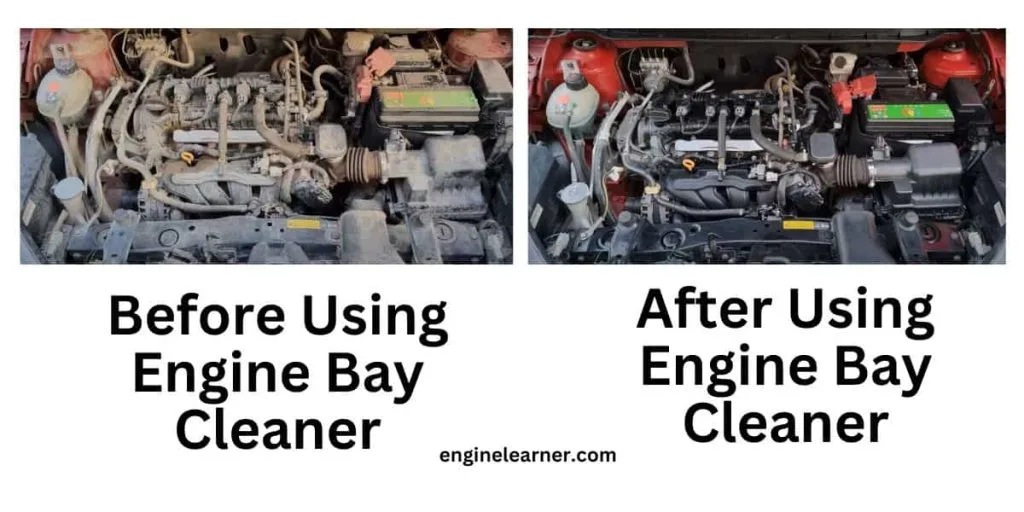
Image source: Bing (Web (fair-use with source credit))
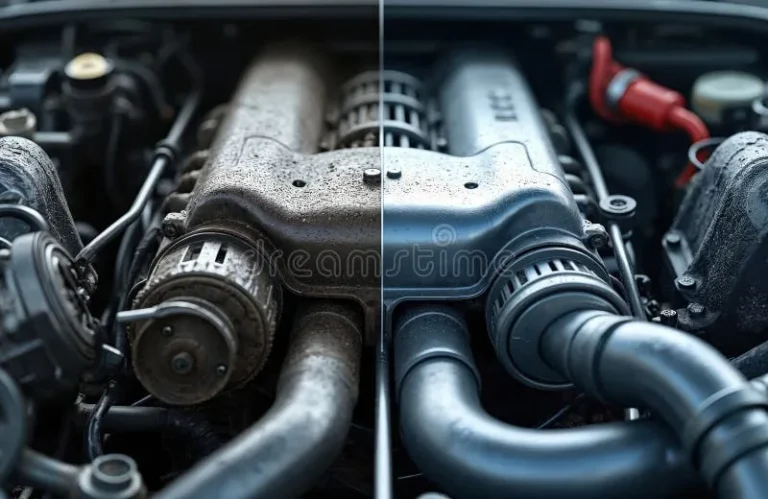
Washing your engine bay isn’t just about looks, it’s a maintenance task that prevents grime buildup from causing overheating or electrical issues. If you’ve ever wondered how to engine wash a car safely, the key is protecting sensitive components while removing oil, dirt, and debris without damaging wiring or connectors.
Manufacturer specs confirm that pressure washers above 1,900 PSI can damage seals or electrical parts. A clean engine runs cooler and makes leaks easier to spot, so it’s worth doing right.
Quick Answer
How to engine wash a car starts with cooling the engine completely. Cover electrical parts with plastic bags. Apply degreaser and scrub with a soft brush.
Rinse with low-pressure water. Dry thoroughly before reconnecting the battery.
Why Engine Washing Matters (And When You Actually Need It)
A dirty engine bay traps heat, which can lead to overheating or accelerated wear on belts and hoses. Over time, oil and grease buildup can also mask leaks, making it harder to spot issues before they become serious problems. Regular cleaning helps maintain optimal performance and extends the life of engine components.
You don’t need to wash your engine bay weekly, but doing it every 6, 12 months, or before selling your car, can make a noticeable difference. As of 2026, most modern vehicles have sealed electrical components, but they still require caution during cleaning to avoid moisture damage.
What You’ll Need: Tools & Supplies for a Safe Engine Wash
| Item | Purpose | Notes |
|---|---|---|
| Engine degreaser | Breaks down oil and grease | Use a pH-balanced, non-corrosive formula |
| Pressure washer | Rinses off degreaser and dirt | Max 1,900 PSI, 25°–40° nozzle |
| Plastic bags / cling film | Protects electrical components | Cover alternator, fuse box, spark plugs |
| Soft-bristle brush | Agitates stubborn grime | Nylon bristles (non-metallic) |
| Microfiber towels | Dries surfaces without scratching | Lint-free for a clean finish |
| Compressed air | Blows water from hard-to-reach areas | Optional but helpful for drying |
| Safety goggles | Protects eyes from chemicals | Non-negotiable for safety |
| Protective gloves | Shields hands from degreaser | Nitrile or rubber recommended |
A garden hose with an adjustable nozzle can work if you don’t have a pressure washer, but it’ll take longer. Always prioritize safety gear, degreasers and high-pressure water can be harsh on skin and eyes.
Step-by-Step: How to Wash Your Engine Bay Without Damaging Anything
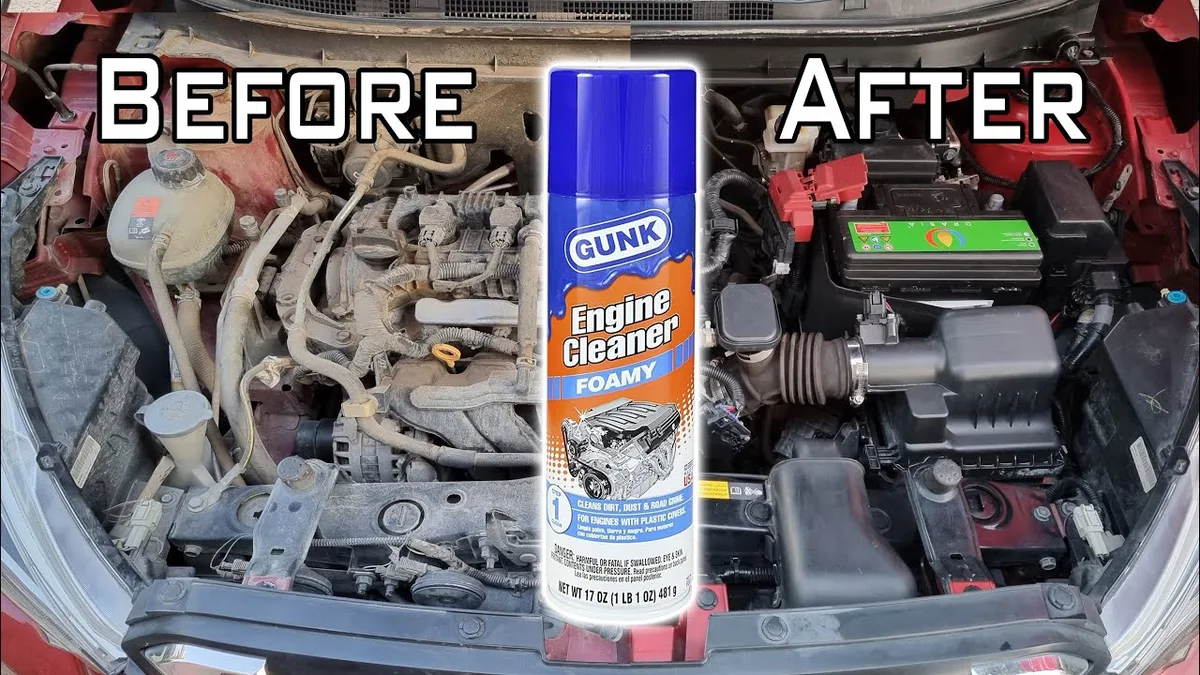
Image source: Bing (Web (fair-use with source credit))
Start by parking your car on a level surface and letting the engine cool completely, hot surfaces can warp when hit with cold water. Disconnect the battery (negative terminal first) to eliminate any risk of electrical shorts.
Apply a generous coat of engine degreaser to greasy areas, focusing on the engine cover, hoses, and any visible oil leaks. Let it sit for 5, 10 minutes to break down the grime, but don’t let it dry completely. Use a soft-bristle brush to agitate stubborn spots, especially around the valve cover and intake manifold.
Prep Work: Protecting Electrical Components
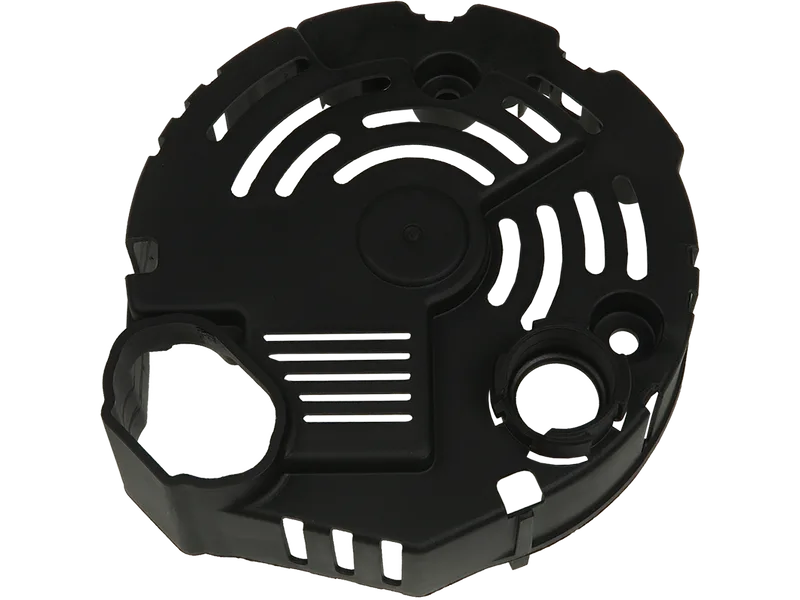
Image source: Bing (Web (fair-use with source credit))
Before rinsing, cover all exposed electrical parts with plastic bags or cling film. Pay special attention to the alternator, distributor (if applicable), fuse box, spark plug wells, and ECU. Secure the bags with rubber bands or tape to ensure they don’t come loose during rinsing.
Even a small amount of water in the wrong place can cause misfires or electrical failures.
Applying Degreaser & Scrubbing the Grime
Not all degreasers are created equal. Water-based formulas are generally safer for rubber and plastic components, while solvent-based options may be more effective for heavy grease but can damage seals if left too long. Always follow the product’s dwell time, usually 5, 15 minutes, before scrubbing.
For tough buildup, a long-handled brush helps reach behind belts and hoses. Avoid metal brushes, as they can scratch surfaces or leave behind particles that cause corrosion.
Rinsing Safely (Pressure Washer vs. Hose)
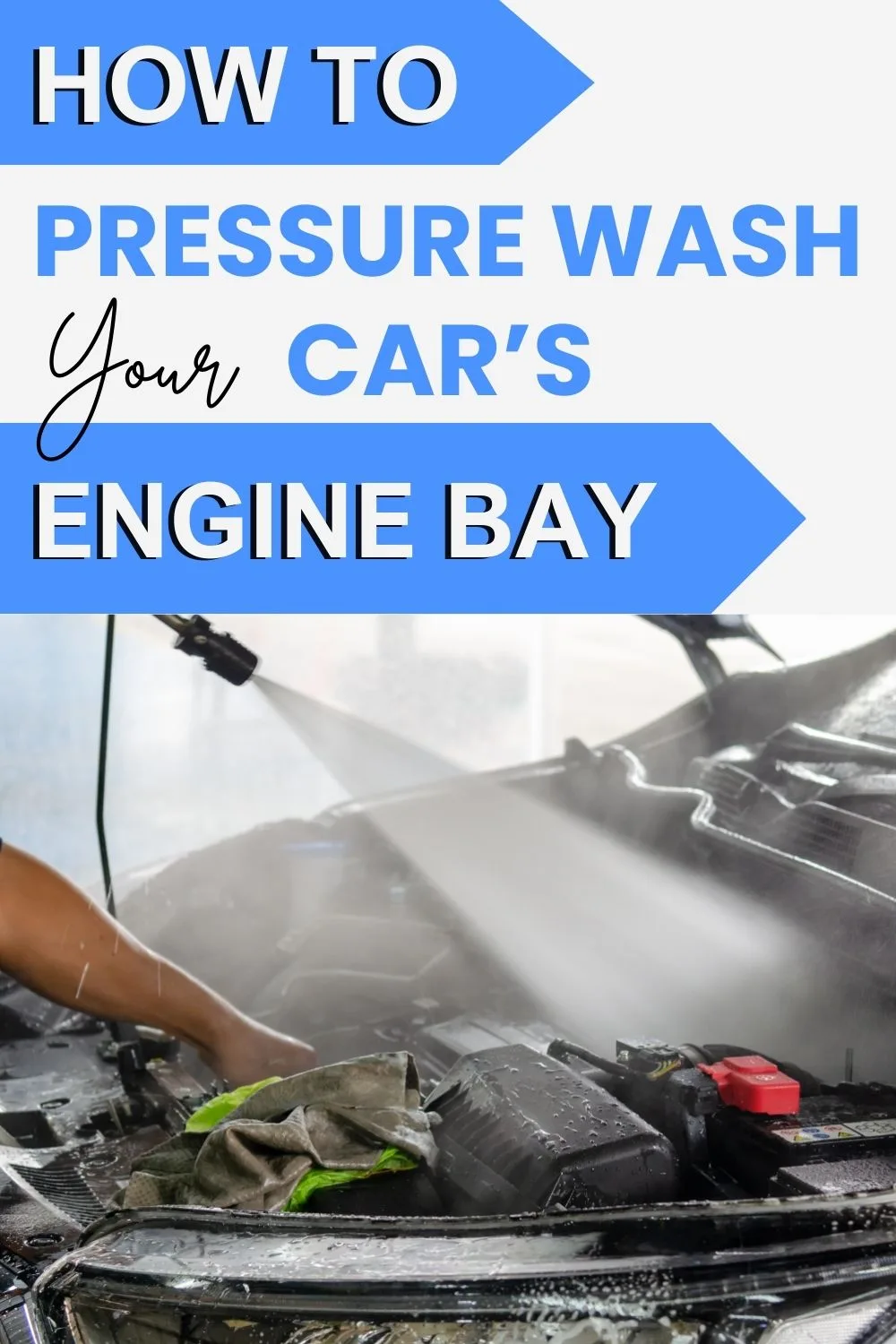
Image source: Bing (Web (fair-use with source credit))
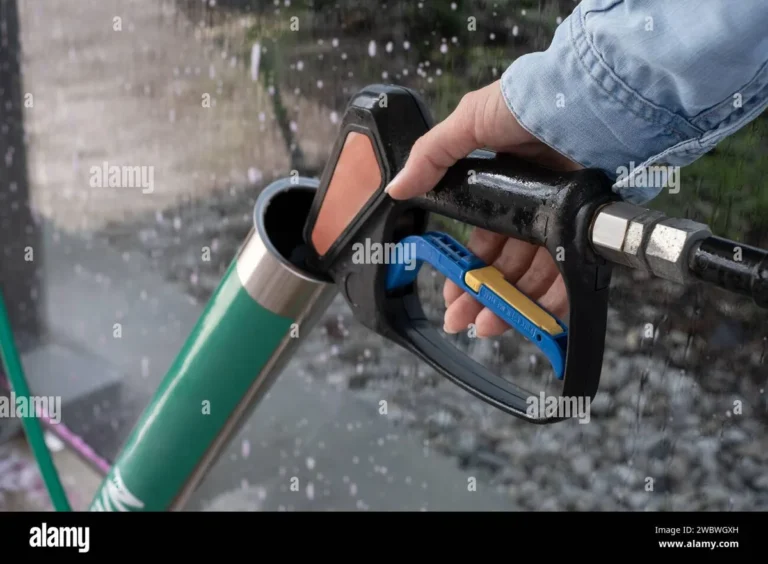
Use a pressure washer only on its lowest setting, keeping the nozzle at least 2 feet away from the engine. A 25° to 40° spray pattern prevents concentrated streams from forcing water into seals or electrical connections.
A garden hose with an adjustable nozzle works just as well for most cars. It’s slower but eliminates the risk of pressure damage. Always rinse from the top down, letting water flow away from sensitive areas.
Common Mistakes That Can Ruin Your Engine
Skipping the cooling step is the most common error. Spraying cold water on a hot engine can warp components or crack plastic covers. Another frequent mistake is using high pressure near the alternator or fuse box, which can force water into electrical connections.
Leaving degreaser on too long can damage rubber hoses and plastic parts. Always follow the product’s recommended dwell time. Finally, reconnecting the battery before the engine bay is fully dry risks short circuits.
Pressure Washer vs. Garden Hose vs. Steam Cleaner: Which Is Best?
| Method | Pros | Cons | Best For |
|---|---|---|---|
| Pressure washer | Fast, thorough cleaning | Risk of damage if misused | Heavy grime, experienced users |
| Garden hose | Safe, no pressure risk | Slower, less powerful | Beginners, light cleaning |
| Steam cleaner | Deep cleaning, chemical-free | Expensive, requires skill | Professional detailers |
A pressure washer is efficient but demands caution. A garden hose is the safest choice for most DIYers. Steam cleaners are effective but overkill for casual maintenance.
How Often Should You Wash Your Engine Bay?
Most mechanics recommend cleaning the engine bay every 6 to 12 months. If you drive in dusty or salty conditions, you may need to do it more often. Overcleaning isn’t necessary and can wear out seals over time.
A good rule of thumb is to wash the engine bay whenever you notice significant grime buildup. This is especially important before selling your car, as a clean engine bay improves resale value.
Pro Tips for Stubborn Grease & Hard-to-Reach Spots
For baked-on grease, apply degreaser twice, letting it sit for 5 minutes each time. A toothbrush or small detailing brush can reach tight spaces around bolts and connectors. Compressed air helps dislodge debris from crevices before rinsing.
If you’re dealing with oil leaks, clean the area first, then monitor for new leaks. This makes it easier to identify the source. Always dry the engine bay thoroughly with microfiber towels or compressed air to prevent corrosion.
Safety First: Electrical, Chemical, and Environmental Warnings
Never spray water directly into the alternator, distributor, or fuse box. Disconnect the battery before starting, and avoid reconnecting it until everything is dry. Wear gloves and goggles to protect against chemicals and debris.
Use biodegradable degreasers when possible, and dispose of runoff properly. Oil and grease can contaminate water sources if not handled correctly. Check your local regulations for proper disposal methods.
Frequently Asked Questions
Can I wash my engine while it’s warm?
No. Always let the engine cool completely before washing. Hot surfaces can warp when exposed to cold water, and the temperature difference can damage plastic or rubber components.
Is it safe to use a pressure washer on my engine?
Yes, but only on the lowest setting with a 25°, 40° nozzle. Keep the nozzle at least 2 feet away to avoid forcing water into seals or electrical parts. A garden hose is safer for beginners.
How do I dry my engine bay after washing?
Use microfiber towels to wipe down accessible surfaces. Compressed air helps remove water from crevices. Let the engine bay air-dry for at least 30 minutes before reconnecting the battery.
What happens if water gets into the spark plug wells?
Water in spark plug wells can cause misfires or prevent the engine from starting. Always cover spark plug wells with plastic bags before rinsing, and ensure they’re dry before reconnecting anything.
Can I use dish soap instead of engine degreaser?
Dish soap can work for light grime but isn’t as effective for heavy oil or grease. Engine degreasers are formulated to break down automotive fluids without damaging rubber or plastic parts.