Is the ceramic wax at an automatic car wash worth it? It depends on the type of wash and how often you use it. Ceramic wax can last 3, 6 months, but harsh brushes or strong detergents strip it faster.
Manufacturer specs confirm that touchless washes preserve wax better than brush-based ones. If you’re using automatic washes weekly, the right wax and wash type can still protect your paint.
Quick Answer
Ceramic wax at an automatic car wash is worth it if you use touchless systems. Brush washes strip wax faster. Ceramic wax lasts 3, 6 months with proper care.
It adds hydrophobic protection. Expect better longevity than traditional wax.
How Ceramic Wax Works at Automatic Car Washes
Ceramic wax bonds to your car’s clear coat, creating a hydrophobic layer that repels water and contaminants. This isn’t the same as a full ceramic coating, which is permanent and requires professional application. Wax fills microscopic imperfections in the paint, enhancing gloss and making dirt easier to rinse off.
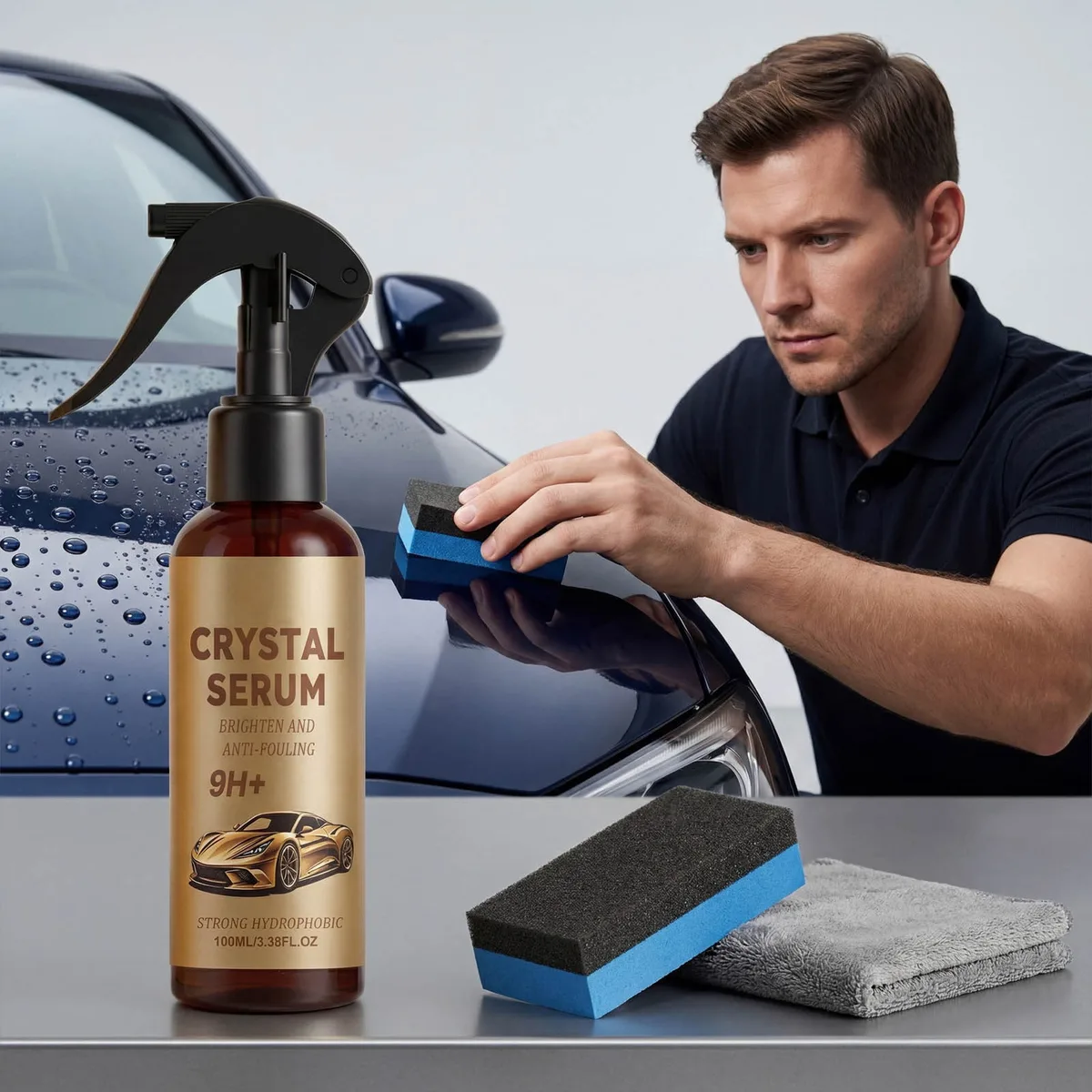
At an automatic wash, the wax’s durability depends on the chemicals and friction involved. Touchless washes use high-pressure water and mild detergents, which are gentler on wax. Brush washes, even with soft cloths, can abrade the wax layer over time.
As of 2026, most ceramic waxes on the market are rated for 10, 20 washes before needing reapplication, assuming you’re using a touchless system.
The hydrophobic effect also means water beads up and sheets off, reducing water spots. This is especially useful in automatic washes where drying can be inconsistent.
Touchless vs. Brush Washes: Which One Preserves Your Wax?
Touchless washes are the clear winner for ceramic wax longevity. They rely on high-pressure jets and chemical cleaners, with no physical contact to wear down the wax. Brush washes, even with soft materials, introduce friction that gradually degrades the protective layer.
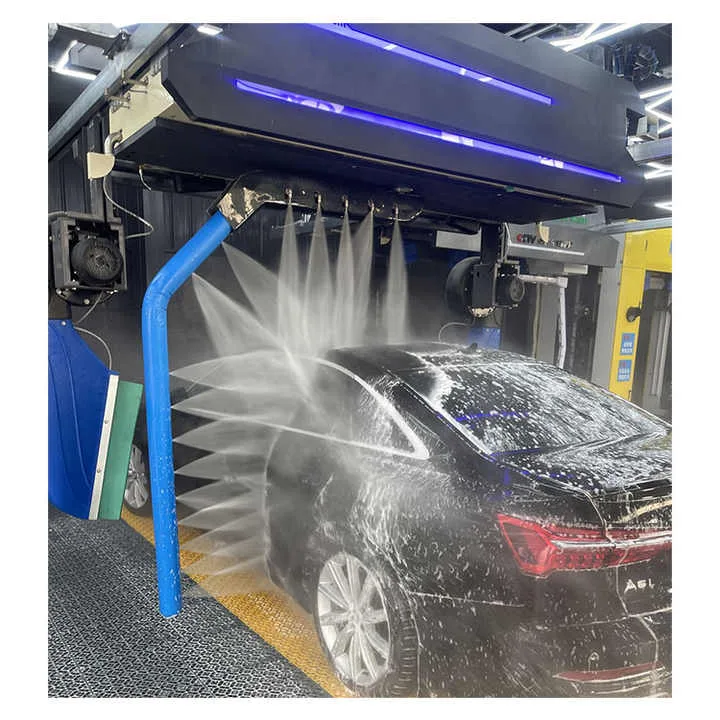
Here’s the breakdown:
| Factor | Touchless Wash | Brush Wash |
|---|---|---|
| Friction | None | High |
| Chemical Strength | Varies | Often stronger |
| Wax Longevity | 4–6 months | 2–3 months |
| Risk of Swirl Marks | Low | Moderate |
If you’re using a brush wash, expect to reapply ceramic wax every 6, 8 weeks. With touchless, you can stretch that to 3, 4 months.
The Pros and Cons of Using Ceramic Wax with Automatic Washes
Ceramic wax offers superior protection compared to traditional wax. It resists UV rays, environmental contaminants, and minor scratches better. The hydrophobic layer also makes washing easier, as dirt and water slide off more readily.
However, it’s not foolproof. Automatic washes with harsh chemicals or brushes can strip the wax faster than expected. The upfront cost is higher, and improper application reduces its effectiveness.
When Ceramic Wax Isn’t Worth It (And What to Use Instead)
If you exclusively use brush-based automatic washes, ceramic wax won’t last long enough to justify the cost. The friction and strong detergents will degrade it within weeks. In this case, a traditional carnauba wax or synthetic sealant may be more practical.
For those who rarely wash their car, the benefits of ceramic wax diminish. It’s designed for frequent exposure to elements and washes. If your car sits in a garage most of the time, a basic wax or sealant will suffice.
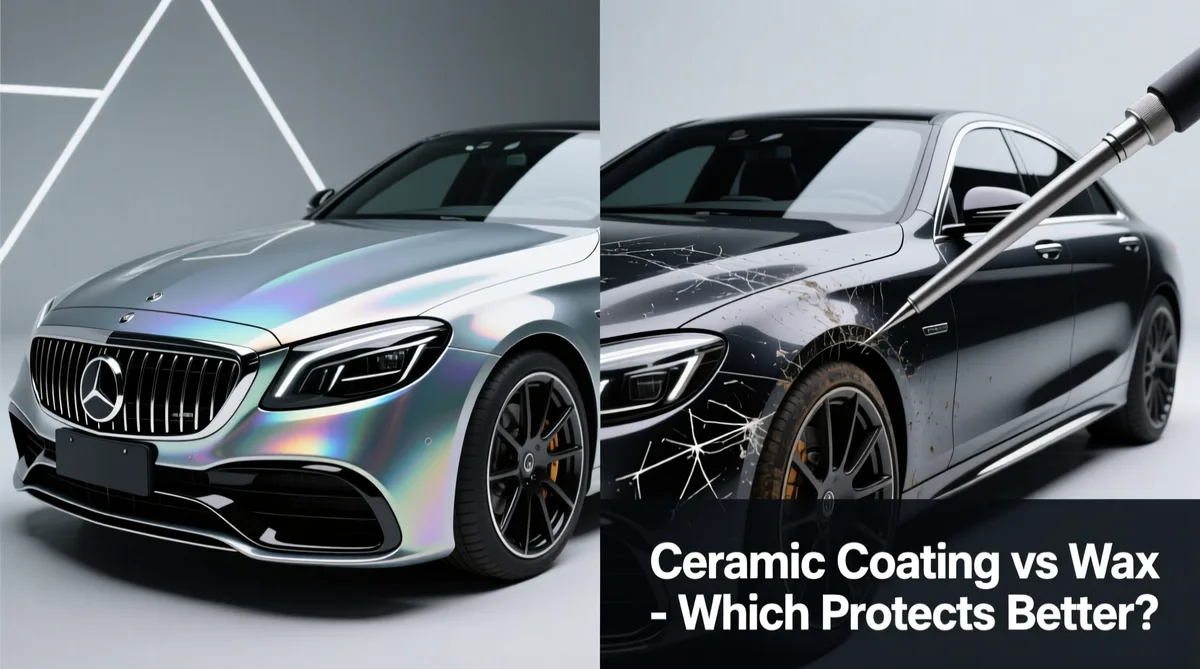
Cost Breakdown: Ceramic Wax vs. Ceramic Coating vs. Regular Wax
| Product | Cost | Longevity | Application Difficulty | Best For |
|---|---|---|---|---|
| Ceramic wax | $20–$80 | 3–6 months | Easy | Frequent wash users |
| Ceramic coating | $500–$2,000 | 2–5 years | Professional only | Long-term protection |
| Traditional wax | $10–$30 | 1–2 months | Easy | Occasional use |
Ceramic wax strikes a balance between cost and performance. It’s more affordable than a ceramic coating but lasts longer than traditional wax. For automatic wash users, the mid-range price and durability make it a practical choice.
Ceramic coatings offer the best protection but require professional application. Traditional wax is the cheapest but needs frequent reapplication.
Common Mistakes That Ruin Ceramic Wax at Car Washes
Applying wax to a dirty surface is a common error. Dirt and grime prevent proper bonding, reducing effectiveness. Always wash and dry your car thoroughly before application.
Using the wrong type of automatic wash can also shorten the wax’s lifespan. Brush washes with harsh detergents strip the wax faster. Stick to touchless systems with pH-neutral cleaners to preserve the protective layer.
Another mistake is not allowing the wax to cure properly. Driving through an automatic wash too soon after application can wash away the wax before it bonds. Wait at least 12, 24 hours before exposing the car to water.
Best Automatic Car Wash Practices for Ceramic Wax Users
Choose touchless washes whenever possible. They use high-pressure water and mild detergents that are gentler on ceramic wax. Avoid brush washes, as the friction accelerates wax degradation.
Check the detergent type. pH-neutral cleaners are safer for waxed surfaces. Alkaline or acidic solutions can break down the wax prematurely.
After the wash, dry your car thoroughly. Water spots can form if the car air-dries, especially in hard water areas. Use a microfiber towel to prevent swirl marks and maintain the wax’s hydrophobic properties.
Real-World Scenarios: Who Should (and Shouldn’t) Bother
Ceramic wax is ideal for daily drivers in urban areas with frequent exposure to dirt and pollution. If you use touchless washes weekly, it’ll maintain protection and shine with minimal effort.
It’s not worth it for garage-kept cars or those rarely exposed to elements. The wax won’t degrade enough to justify the cost. Weekend cars or those in mild climates see less benefit.
For commercial fleets or rideshare drivers, ceramic wax can reduce cleaning time between trips. The hydrophobic layer makes quick touchless washes more effective.
Step-by-Step: How to Maximize Wax Longevity at Automatic Washes
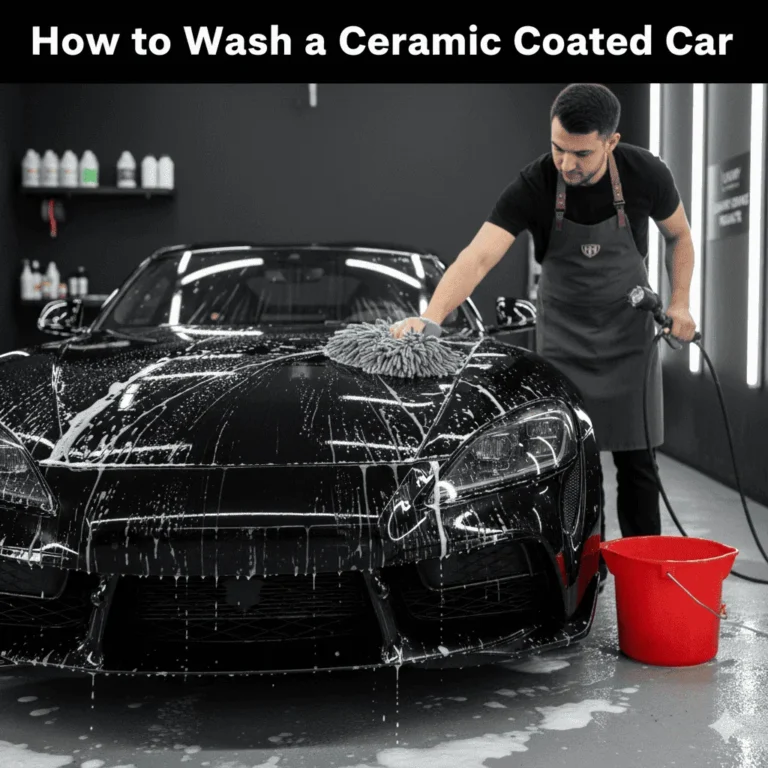
Start with a clean surface. Any dirt or grime left on the paint will prevent the wax from bonding properly. Use a pH-neutral car shampoo and a microfiber wash mitt to avoid scratching the clear coat.
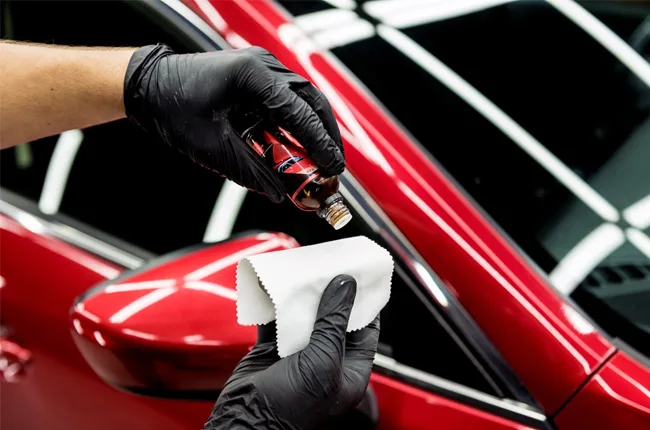
Apply the ceramic wax in thin, even layers. Most products recommend using a foam applicator pad and working in small sections. Let the wax haze over, usually 5, 15 minutes, before buffing it off with a clean microfiber towel.
After application, wait at least 12, 24 hours before exposing the car to water, including automatic washes. This curing period allows the wax to fully bond to the paint. Once cured, stick to touchless washes and avoid any with strong degreasers or alkaline cleaners.
Reapply the wax every 3, 4 months, or sooner if you notice water no longer beading on the surface.
FAQs About Ceramic Wax and Automatic Car Washes
Does ceramic wax last through automatic car washes?
Yes, but only with touchless systems. Brush washes strip it faster. Expect 10, 20 washes before reapplication is needed.
How often should I reapply ceramic wax if I use automatic washes?
Every 3, 4 months for touchless washes. With brush washes, check monthly and reapply if water stops beading.
Can I use ceramic wax on a brand-new car?
Yes, it’s safe for factory paint. Just ensure the surface is clean and free of contaminants before application.
Will ceramic wax prevent swirl marks from automatic washes?
It reduces but doesn’t eliminate them. Brush washes can still cause micro-scratches over time. Touchless washes are safer.
Is ceramic wax better than traditional wax for automatic washes?
Yes, it lasts longer and resists chemicals better. Traditional wax may need reapplication after 4, 6 washes.
Final Verdict: Should You Use Ceramic Wax with Automatic Washes?
Ceramic wax is worth it if you use touchless automatic washes regularly. It provides better protection and lasts longer than traditional wax. The hydrophobic layer also makes maintenance easier.
It’s not worth it for brush wash users or those who rarely wash their cars. The wax degrades too quickly to justify the cost. For these cases, a basic wax or sealant is more practical.
If you’re on the fence, try ceramic wax on one panel first. Monitor how it holds up after a few washes. This small test can help you decide if it’s the right choice for your car and washing habits.