# Mississippi Salvage Title Requirements for Wrecked Vehicles
Dealing with a wrecked car in Mississippi can feel like a maze of paperwork and deadlines. If you've been in an accident or bought a low-mileage project, you need to understand Mississippi salvage title requirements for wrecked or destroyed vehicles before anything else goes wrong. Get it right and you protect yourself from fines, fraud, and registration headaches down the road.
Per Mississippi Code § 63-21-39, a vehicle gets branded salvage when repair costs exceed 75 percent of its actual cash value as of the time of loss. That single threshold changes everything about what you can do next, so let's break down exactly how the system works and what each option means for your wallet.
## Quick Answer
Mississippi salvage title requirements for wrecked or destroyed vehicles depend on damage severity. A salvage title applies when repairs cost more than 75% of fair market value. A destroyed title means the vehicle cannot be safely repaired. You file Form 78-029 with your local tax collector to start the process. Fees run around $5 plus any applicable inspection costs.
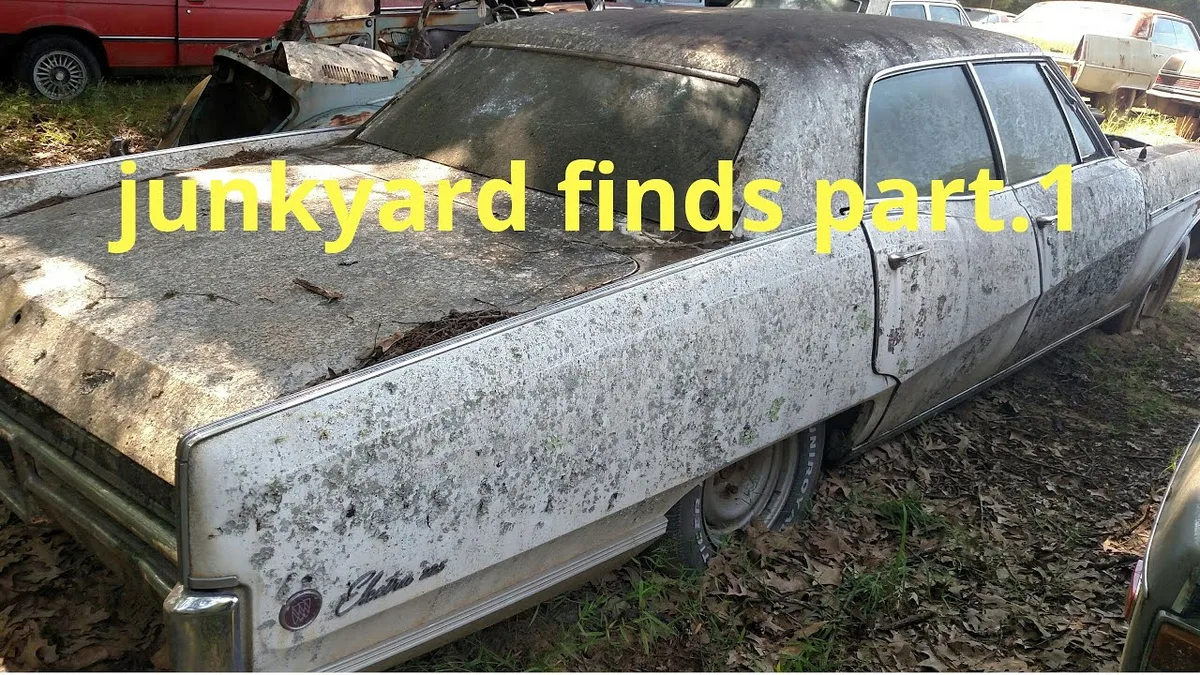
Image source: YouTube / Rpm Auto (YouTube thumbnail (fair-use with source credit))
## Understanding Mississippi Salvage and Destroyed Title Categories
So what exactly is the difference between a salvage title and a destroyed title in Mississippi? They sound similar but they point to completely different paths forward. Mixing them up can waste your time or get your application rejected outright.
### Salvage Title: Repairable Vehicles
A salvage title means your vehicle was damaged but can theoretically be repaired and made roadworthy again. The Mississippi Department of Revenue uses this branding when the estimated cost to restore the car exceeds 75% of its pre-accident fair market value. Think of it as the state's way of flagging that something serious happened but there might still be a path back to the road.
You can buy a salvage-branded vehicle, fix it up, get it inspected, and eventually turn it into a rebuilt title. Many people do this with older cars, classic projects, or affordable daily drivers where the structural frame survived the wreck intact.
### Destroyed Title: Non-Repairable Vehicles
A destroyed title is the end of the line for street driving in Mississippi. When an adjuster or inspector determines a vehicle cannot be restored to safe operating condition, the state brands it destroyed and marks it as non-repairable. This usually happens when the frame is severely compromised, safety systems are beyond recovery, or repair costs massively exceed the vehicle's value even by salvage standards.
You cannot register a destroyed-title vehicle for normal road use in Mississippi. It can only be sold for parts, scrapped, or exported to another state that allows it.
### How the Branding Sticks Around
Once a vehicle gets branded salvage or destroyed in Mississippi, that mark stays on the title forever. Even after you rebuild it and pass inspection, the rebuilt title will still carry a salvage brand notation. Any future buyer will see it. Any insurance company will factor it in. It does not go away.
That permanence is why getting the category right from the start matters. If your vehicle is clearly beyond saving, pushing for a rebuild is a waste of money and effort. But if it's structurally sound, jumping straight to calling it destroyed closes a door you might want open later.
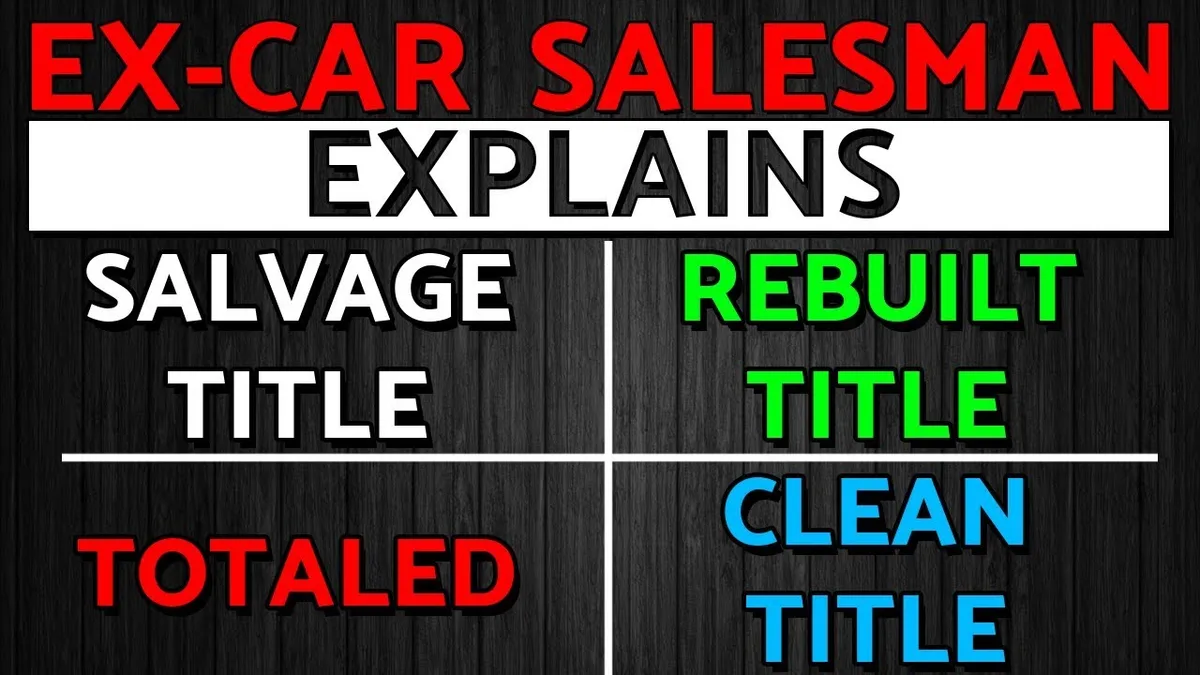
Image source: YouTube / Dan Strong | 60MINUTECAR (YouTube thumbnail (fair-use with source credit))
## Who Handles the Process: Owner, Insurance Company, or Dealer?
The person or entity that starts the salvage title process depends heavily on how the vehicle ended up wrecked and whether insurance money is involved. Getting this step wrong can delay everything or put the title in the wrong name.
### When Your Insurance Company Files
If you have comprehensive or collision coverage and file a total loss claim, your insurance company usually initiates the salvage process. They pay you the actual cash value minus your deductible, take possession of the vehicle, and handle the title branding paperwork with the state. In this scenario, you receive a settlement check and the insurer becomes the titled owner going forward.
This is the most common path for modern daily drivers. It removes the paperwork burden from your shoulders but it also means you lose control over what happens next. Some insurers sell the salvaged car at auction and you never see it again. Others may offer you a buyback where you repurchase your own vehicle at a discounted salvage value so you can rebuild it yourself.
### When You File As the Owner
If you do not have insurance coverage for the damage or you are dealing with a private-party situation, you handle the filing yourself. That means gathering your original title, completing the proper affidavit and application forms, and submitting everything to your county tax collector's office. You become the salvage title holder and you control every step from there.
Self-filing takes more legwork but it keeps decision-making in your hands. You decide whether to sell as-is, rebuild, or scrap. No insurance adjuster is pushing you toward the quickest payout option.
### When a Dealer Steps In
Salvage dealers and auto repair shops that specialize in rebuilt vehicles often handle filings on behalf of their customers. They know the forms, they know the inspectors, and they can move the process along faster than a first-time filer typically can. But that convenience comes with fees and potential markup on the vehicle itself.
If you're working with a dealer to rebuild a salvage car, make sure everything is documented in writing. Understand exactly who holds the title at each stage and what responsibilities fall on you versus them. Taking the time to clarify roles early pays off later.
## Step-by-Step: How to Apply for a Mississippi Salvage Title
Whether you are an owner or your insurer is guiding you through it, the actual application follows a consistent path through Mississippi's Motor Vehicle Division system. Missing one document or signing in the wrong place is the fastest way to get a rejection notice in the mail.
### Step One: Gather Your Documents
Before you head to the tax collector, collect these items in order:
- The original certificate of title signed over to the appropriate party
- A completed Affidavit of Motor Vehicle Ownership (Form 78-006)
- A completed Salvage Title Application (Form 78-029)
- Proof of insurance covering the vehicle through the date of loss
- A written statement or insurance adjuster report confirming the total loss determination
- Odometer disclosure signature if the vehicle is less than ten years old
- Lien release documents if the car was still being financed
### Step Two: Submit to Your County Tax Collector
Take everything to your local county tax collector's office. Mississippi processes title work through county offices rather than a single central department. Rural counties may take longer to process than busy urban offices in cities like Jackson or Biloxi.
### Step Three: Pay the Fee and Receive Your Brand
The standard filing fee sits around $5 for the salvage title application itself. Additional documentation fees may apply depending on your county. Once accepted, the state issues the branded salvage title and mails it to the named owner or insurance company on record. Processing typically takes a few weeks but can stretch during high-volume periods.
### What Happens if You Do Not File
Operating a vehicle that should have been reported as a total loss without updating the title can create serious legal problems. The Registrar of Titles Act and related statutes require prompt reporting of total loss events. Failure to comply may result in penalties, complications if you try to sell the vehicle later, and potential issues with any future insurance claim on the same car.
Staying on top of paperwork early prevents bigger headaches later. This principle applies to vehicle titling the same way it applies to routine car maintenance like [what Michigans motorcycle helmet law means for riders](https://roadworthylabs.com/what-michigans-motorcycle-helmet-law-means-for-riders/).
## Step-by-Step: How to Rebuild and Re-title a Salvaged Vehicle
Not every salvaged car stays a wreck forever. If the vehicle is repairable and you want it back on the road, Mississippi has a formal pathway from salvage title to rebuilt title. The process involves more than just wrenching in your garage.
### Complete All Necessary Repairs First
Start by fixing everything that caused the vehicle to fail inspection in the first place. This includes structural frame damage, broken safety systems, malfunctioning lights and signals, tire and brake issues, and any fluid leaks. The rebuilt title process rewards thoroughness. Cutting corners here means failing the inspection and starting over, which costs extra time and money.
Keep receipts and documentation for every major repair. You will need to prove what was done and when, especially if the inspector asks questions about specific components.
### Schedule and Pass the Built Vehicle Inspection
Mississippi requires a built vehicle inspection before issuing a rebuilt title. An authorized inspector examines the vehicle to confirm it meets roadworthiness standards and that the VIN matches all applicable records. This is not a casual walk-around. The inspector checks frame integrity, safety equipment functionality, and identification numbers against documentation.
The inspection fee runs approximately $25. If your vehicle fails, you receive a detailed list of what needs correction before you can return for a re-inspection. Each subsequent inspection attempt may carry additional fees.
### Submit the Rebuilt Title Application
Once you pass inspection, take the inspection report, your salvage title, proof of identity, and any other required paperwork back to the tax collector. Complete the rebuilt title application and pay the associated titling fee. The state then issues a new title branded as rebuilt salvage, which legally allows you to register and drive the vehicle on public roads.

Image source: YouTube / Amir AH (YouTube thumbnail (fair-use with source credit))
### Insurance and Financing Considerations After Rebuilding
Even after you hold a rebuilt title, some insurance companies hesitate to fully cover previously salvaged vehicles. Liability coverage is usually straightforward. Comprehensive and collision options may come with restrictions or higher premiums. Check with multiple providers before committing to a rebuild financially.
Financing a rebuilt salvage vehicle is also difficult. Most traditional lenders will not finance a car with a salvage brand on the title. If you need a loan to fund repairs, plan on paying out of pocket or exploring alternative lending sources.
## Why Accurate Titling Is Critical in Mississippi
Mississippi's title branding system exists to protect buyers, sellers, and insurers from fraud and unsafe vehicles. A wrongly classified title can lead to legal trouble, financial loss, or criminal charges if the mistake looks intentional.
If you drive a destroyed-title vehicle on public roads, you risk fines, impoundment, and liability if an accident occurs. Insurance companies may deny claims if they discover the vehicle was improperly titled. Even selling a misbranded car can expose you to lawsuits if the buyer later faces issues.
The state also uses these brands to track vehicles that might be rebuilt unsafely. A salvage title signals that the car needs inspection before it can return to the road. A destroyed title signals it should never be driven again. Ignoring these distinctions undermines the entire system.
## Common Mistakes That Cost Owners Time and Money
### Applying for the Wrong Title Type
One of the most frequent errors is submitting paperwork for a salvage title when the vehicle should be classified as destroyed. This happens when owners underestimate the extent of damage or assume all wrecked cars can be rebuilt. The inspection process will catch this, but it wastes weeks of processing time.
The reverse also happens. Some owners assume a heavily damaged car is automatically destroyed, only to learn later that it could have been rebuilt. This mistake can cost you the chance to restore a vehicle you might have kept.
### Skipping the Inspection
Rebuilt salvage vehicles must pass a state inspection before receiving a rebuilt title. Some owners try to register the car without this step, assuming the salvage title is enough. It is not. Mississippi requires proof of roadworthiness before allowing a rebuilt vehicle back on public roads.
Skipping inspection also means skipping safety checks. Frame damage, brake issues, or electrical faults might go unnoticed until they cause a serious problem. The inspection fee is small compared to the cost of an accident.
### Selling Without Disclosing the Brand
Mississippi law requires sellers to disclose a vehicle's salvage or destroyed brand to any potential buyer. Failing to do so can result in legal action, fines, or a forced buyback if the buyer discovers the omission later. Transparency is not just ethical. It is legally mandated.
Buyers who unknowingly purchase a misrepresented vehicle may struggle to insure or register it. They can also pursue legal action against the seller for fraud. Honesty upfront prevents bigger headaches down the line.
### Losing Paperwork
Salvage and rebuilt title applications require multiple forms, receipts, and inspection reports. Losing any of these documents can delay your application or force you to start over. Keep copies of everything, including photos of the vehicle before and after repairs.
If you are working with an insurance company, confirm they have submitted all necessary paperwork to the state. Some owners assume the insurer handled everything, only to find out later that a form was missing.
## Mississippi Salvage Title Requirements Compared to Neighboring States
Mississippi's 75% damage threshold for salvage titles is slightly more lenient than some neighboring states. Alabama uses an 80% threshold, meaning a car can be more severely damaged in Mississippi before qualifying for a salvage brand. Louisiana and Tennessee also use 75%, but their inspection and rebuilding processes differ.
| State | Salvage Threshold | Destroyed Title Option | Rebuilt Inspection Required |
|-------|-------------------|------------------------|----------------------------|
| Mississippi | 75% | Yes | Yes |
| Alabama | 80% | Yes | Yes |
| Louisiana | 75% | Yes | Yes |
| Tennessee | 75% | Yes | Yes |
Image source: YouTube / Dirt Legal (YouTube thumbnail (fair-use with source credit))
These differences matter if you plan to move or sell the vehicle across state lines. A car branded salvage in Mississippi might not meet another state's criteria, or it might require additional inspections. Always check the destination state's rules before transporting a branded vehicle.
## Costs to Expect: Fees, Repairs, and Hidden Expenses
### State Fees
Mississippi's salvage title application fee is $5. The rebuilt salvage inspection fee is $25. These are the baseline costs, but additional fees may apply for title transfers, duplicate titles, or other administrative steps. County tax collector offices may also charge small processing fees that vary by location.
### Repair Costs
The cost to rebuild a salvage vehicle depends on the extent of the damage and the parts required. A car with minor cosmetic damage might need a few thousand dollars in bodywork. A vehicle with structural or mechanical issues could require tens of thousands in repairs.
Labor rates also vary by shop. Specialty rebuilders may charge more but offer expertise in salvage restoration. DIY repairs can save money but require skill and access to tools.
### Insurance and Registration Costs
Insuring a rebuilt salvage vehicle often costs more than insuring a clean-title car. Some insurers refuse to offer comprehensive or collision coverage for rebuilt vehicles. Others charge higher premiums to offset the perceived risk.
Registration fees for rebuilt salvage vehicles are the same as for any other car in Mississippi. However, some counties may require additional documentation or inspections before approving registration.
### Hidden Expenses
Towing, storage, and parts sourcing can add unexpected costs to a salvage project. If the vehicle is not drivable, you may need to pay for transportation to a repair shop or inspection site. Storage fees can accumulate if the car sits for months during the rebuild process.
Parts for older or rare vehicles may be difficult to find, increasing the cost of repairs. Salvage yards and online marketplaces can help, but shipping and compatibility issues may arise.

Image source: YouTube / Helpdesk Pro (YouTube thumbnail (fair-use with source credit))
## Frequently Asked Questions
### Can a financed car be declared a total loss in Mississippi?
Yes. If a financed vehicle is totaled, the insurance company pays the lender first to cover the outstanding loan balance. Any remaining settlement goes to the owner. The lender must sign off on the title transfer to the insurer or new owner.
### Do flood-damaged cars get salvaged in Mississippi?
Yes. Flood damage often exceeds the 75% threshold, especially if water reached the engine or electrical systems. Mississippi treats flood damage like any other total loss event for titling purposes.
### Can you title a rebuilt salvage vehicle in Mississippi?
Yes, but it must pass a state inspection first. Once approved, you receive a rebuilt salvage title, which allows registration and legal road use. The salvage brand remains on the title permanently.
### How long does a rebuilt salvage inspection take?
Inspection times vary by location and demand. Most Mississippi inspection sites can complete the process in 30 to 60 minutes if the vehicle passes. Failed inspections require repairs and a return visit.
### Is VIN verification required for salvage titles?
Yes. Mississippi requires VIN verification for all salvage and rebuilt title applications. This confirms the vehicle's identity and prevents fraud. Bring the vehicle or its VIN plate to the tax collector's office.
### What happens if I try to drive a destroyed-title car?
Driving a destroyed-title vehicle on public roads is illegal in Mississippi. You can face fines, vehicle impoundment, and liability issues if you are involved in an accident. These vehicles are meant for parts or scrap only.
---
Source: [Mississippi Department of Revenue - Motor Vehicle Division](https://www.dor.ms.gov)
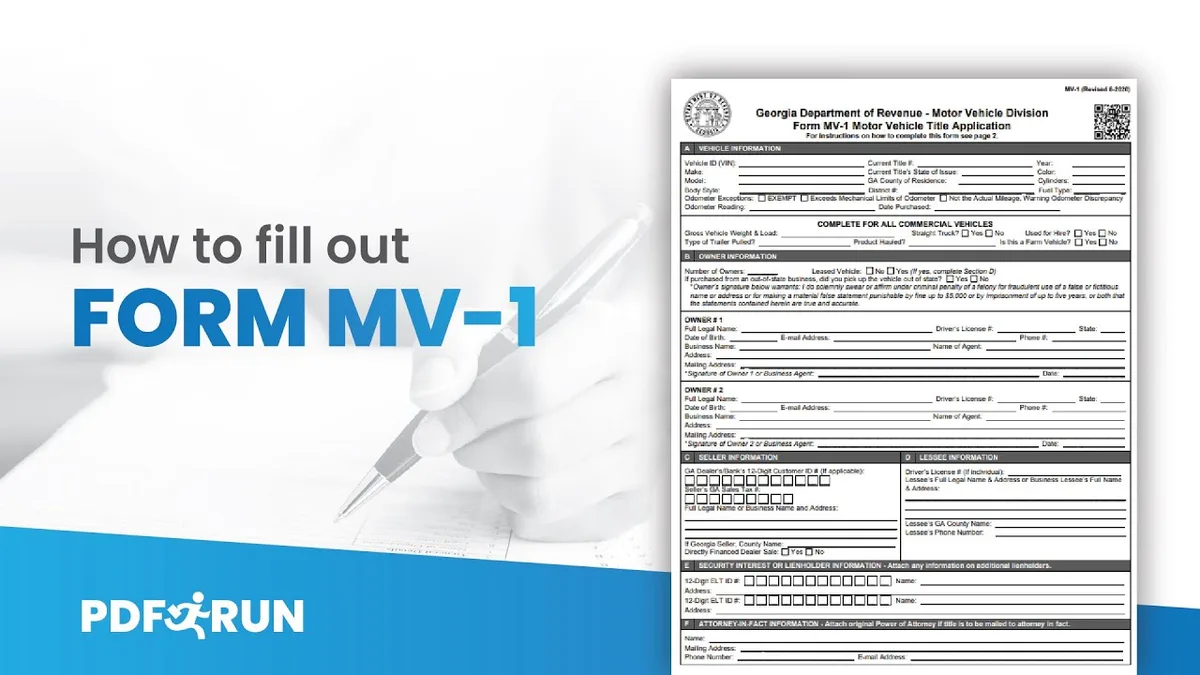
Image source: YouTube / PDFRUN (YouTube thumbnail (fair-use with source credit))


ByMax Lee