ByMax Lee
American Samoa Tropical Driving Rules & Weather Laws
Driving in American Samoa’s tropical climate isn’t like handling rain on a routine commute back home. Roads can turn slick in minutes, visibility drops fast, and local rules adjust for weather in ways you might not expect. Understanding American Samoa tropical driving requirements and weather-related regulations matters, especially if you’re renting a car or navigating unfamiliar mountain routes.
Per official traffic guidelines and weather data, drivers must adapt their behavior to sudden rain, flooding, and cyclone seasons. We’ll break down what you need to know, from mandatory headlight use to road-closure laws, so you can stay safe and stay legal on the islands.
Quick Answer
American Samoa tropical driving requirements and weather-related regulations focus on safety in wet, stormy conditions. You must use headlights whenever it rains. Speed limits drop during heavy rain and cyclone warnings.
Roads may close due to flooding or landslides; ignoring closures carries fines. Check real-time alerts before driving, and never attempt to cross flooded roads.
Why Driving in American Samoa’s Tropical Weather Is Different
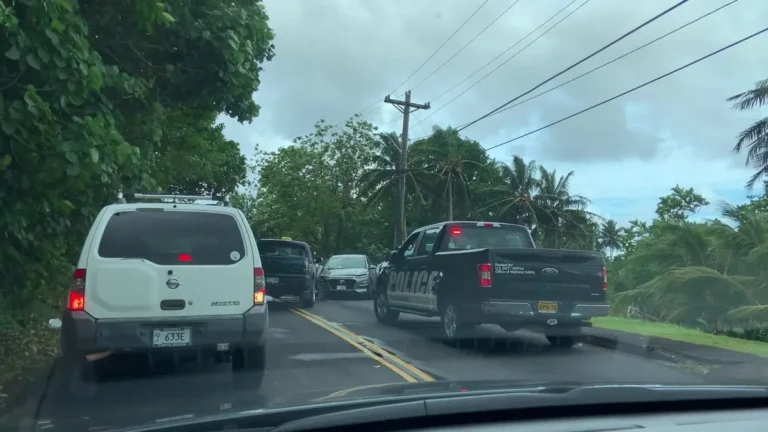
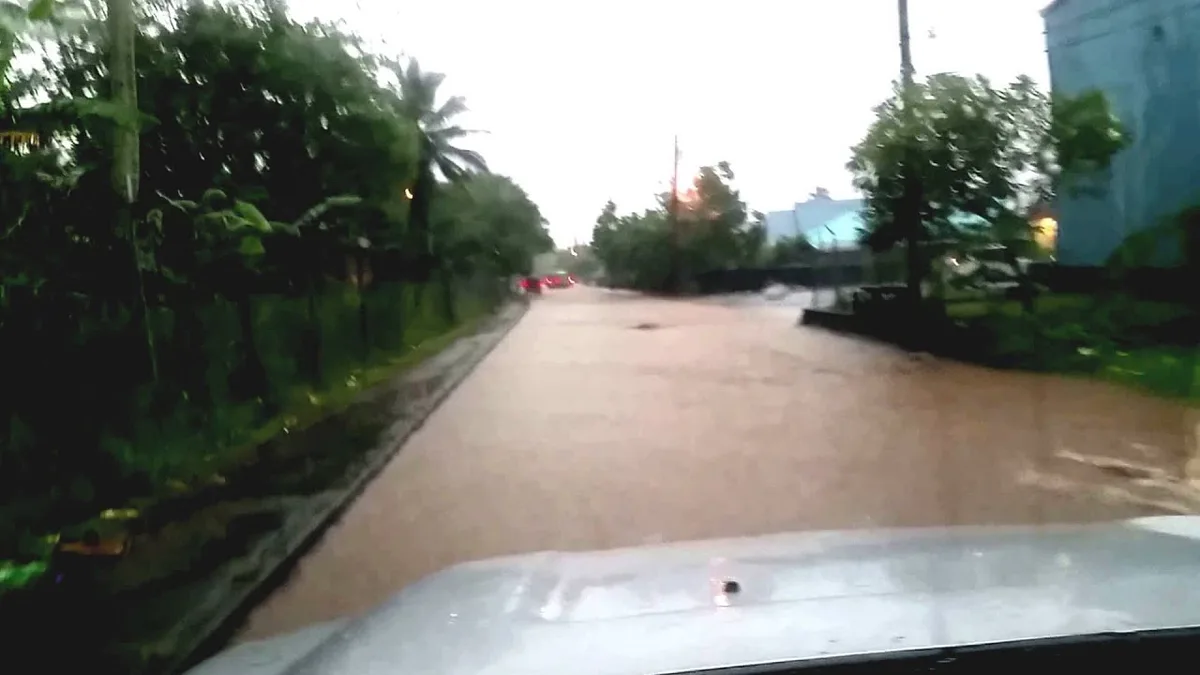
Driving here means dealing with conditions that shift quickly. Heavy rain can turn a paved road into a slippery, debris-strewn track in under an hour. Landslides and flash floods are common, especially in the wet season.
Weather isn’t just an inconvenience, it’s a core factor in how and when you drive. The territory’s tropical climate brings intense rainfall, high humidity, and the potential for cyclones between January and March. These conditions change road surfaces, reduce visibility, and increase the risk of accidents if you’re not prepared.
Understanding the local driving environment means respecting both the weather patterns and the rules built around them. Even experienced drivers from drier climates can underestimate how quickly conditions deteriorate.
The Core Rules You Must Follow in Rain, Storms, and Floods
Local traffic laws and safety guidelines address the unique challenges of tropical driving. These rules are designed to keep you and others safe when weather turns dangerous.
- Headlights are mandatory in rain. You must turn on your headlights whenever it’s raining, day or night.
- Reduce speed during adverse weather. Speed limits are lower when roads are wet or visibility is poor.
- Obey road-closure signs. Authorities close roads during floods, landslides, or cyclone warnings.
- Use hazard lights in low visibility. If rain or fog is so thick you can barely see, turn on your hazard lights.
- Never drive through standing water. Even a few inches of moving water can stall your vehicle or sweep it away.
These rules aren’t suggestions, they’re enforced to prevent accidents and fatalities. Local law enforcement regularly patrols in bad weather to ensure compliance.
How American Samoa’s Roads and Weather Actually Work
The territory’s road network reflects its rugged terrain and tropical climate. Most roads are two-lane asphalt, winding along coastlines and climbing into mountainous interiors. Drainage systems vary, and some rural routes are unpaved or poorly maintained.
Rainfall patterns follow a distinct wet season (November to April) and a drier season (May to October). The wet season brings heavy, concentrated downpours that can cause rapid flooding, especially in low-lying coastal areas. Mountain roads are prone to landslides when soil becomes saturated.
Weather monitoring is handled by the National Weather Service’s Pago Pago office, which issues real-time alerts for heavy rain, flood watches, and cyclone warnings. These alerts are critical for drivers, as conditions can change within minutes.
Road-maintenance efforts are ongoing but limited by the territory’s geography and budget. Potholes, fallen branches, and erosion are common, particularly after storms.
Speed Limits, Headlights, and Other Mandatory Adjustments
Speed limits in American Samoa are generally lower than in many other places, reflecting the narrow, winding roads and tropical hazards. On major highways, the limit is often 25, 30 mph. In villages and residential areas, it drops to 15, 20 mph.
During rain, you must reduce your speed below the posted limit. Wet roads significantly increase stopping distances, and sharp curves are frequent.
Headlight use is not optional when it rains. The law requires headlights to be on whenever visibility is reduced due to weather. This applies day and night.

Other mandatory adjustments include:
- Wipers and defrosters: Ensure your wipers are in good condition and your defroster works.
- Tire tread: Adequate tread depth is essential for gripping wet roads.
- Following distance: Leave extra space between you and the vehicle ahead.
- Avoid sudden moves: Brake and steer gently to prevent skidding.
These adjustments aren’t just about compliance, they’re practical steps that keep you in control when the weather turns hostile.
When Roads Close—and What Happens If You Ignore It
Road closures are a serious safety measure, not a minor inconvenience. Authorities close roads when flooding, landslides, or cyclone damage makes travel too dangerous.
Ignoring a road closure is illegal and carries penalties. Fines can range from $100 to $500, depending on the severity of the violation and whether it results in an accident or emergency response.
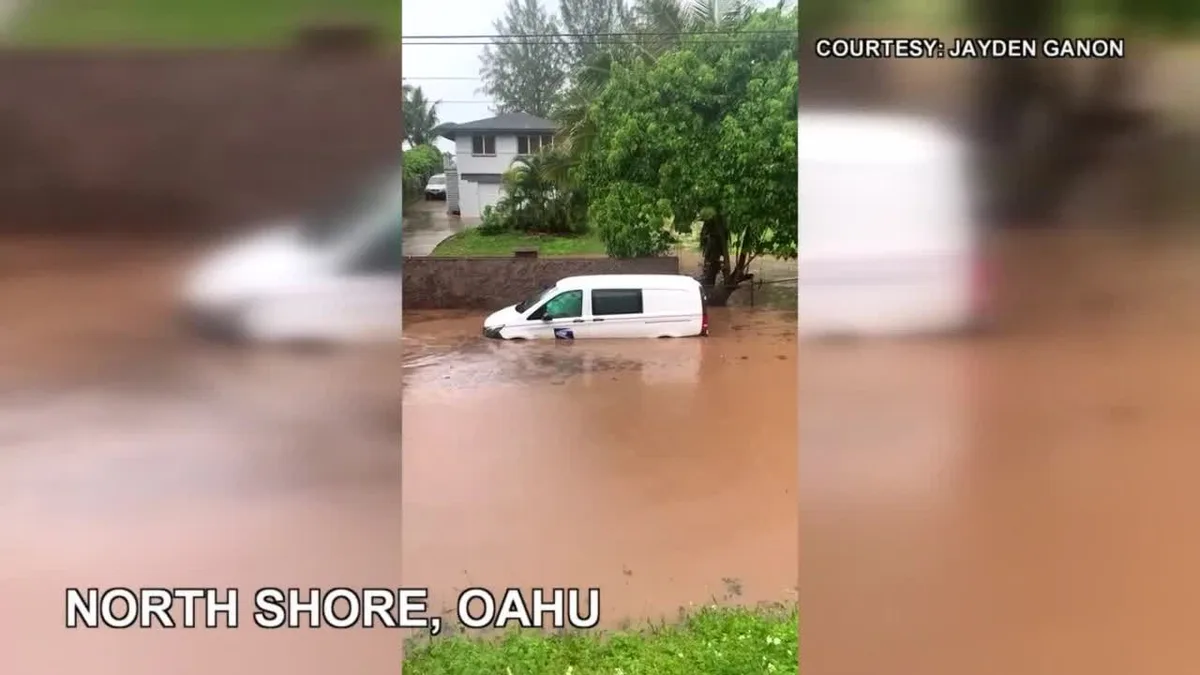
Common reasons for closure include:
- Flash flooding: Sudden, deep water can sweep vehicles off the road.
- Landslides: Falling rocks and debris block passage and can bury a car.
- Cyclone damage: High winds and storm surge can wash out road sections.
- Poor visibility: Dense fog or driving rain may make the road impassable.
If you encounter a closed road, turn around and find an alternative route. In many cases, local hosts or rental agencies can provide updates on open roads.
The Most Dangerous Driving Scenarios in American Samoa
Flash floods are the top hazard. They can rise within minutes, especially in low-lying coastal areas and near rivers. A foot of moving water can sweep away most vehicles.
Landslides are another major risk on mountain roads. Heavy rain loosens soil and rock, sending debris onto the road without warning.
Cyclone season brings the worst conditions. High winds can down trees and power lines, while storm surges flood coastal roads. Visibility drops to near zero in driving rain.
Night driving in rain compounds the danger. Poor lighting, reduced visibility, and fatigue make accidents more likely.
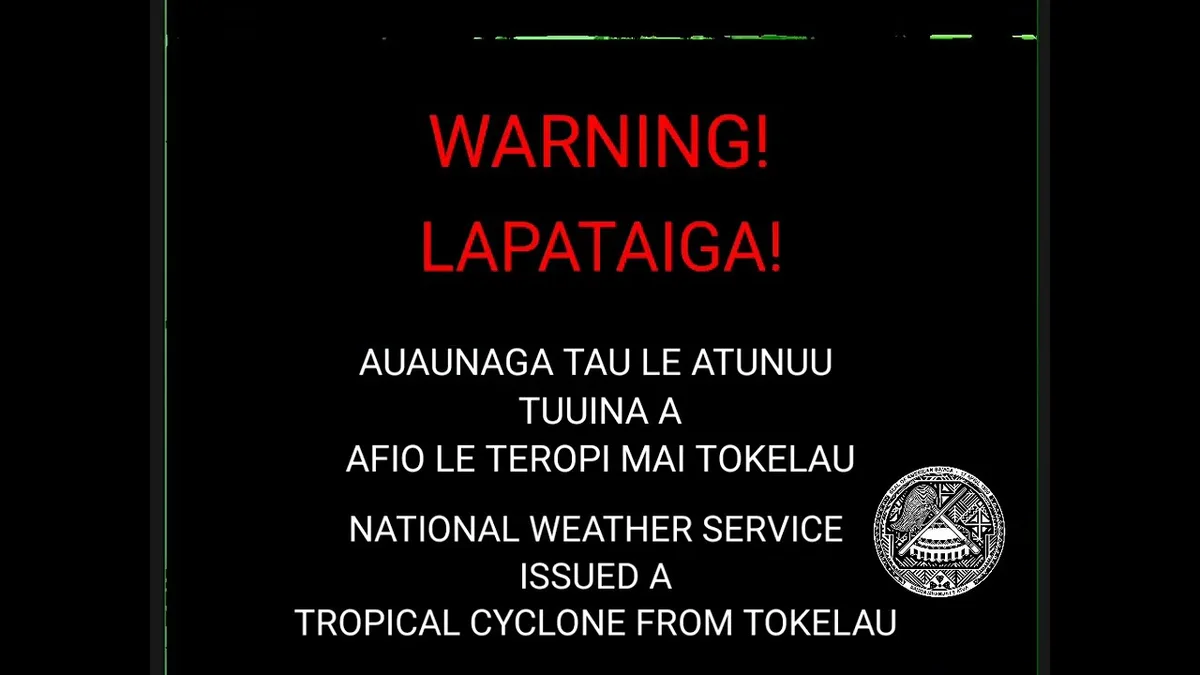
Avoid driving during cyclone warnings or when flash flood alerts are active. If you must travel, stick to main roads and avoid areas prone to flooding or landslides.
How to Check Real-Time Road and Weather Conditions
The National Weather Service Pago Pago office issues official alerts. Check their website or local radio for updates on storms, floods, and cyclones.
The American Samoa Department of Public Safety provides road condition updates. Their social media pages and local news outlets share real-time information on closures and hazards.
Mobile apps like Weather Underground or AccuWeather offer localized forecasts. Enable push notifications for severe weather alerts in your area.
Local rental agencies and hotels often have the latest information. Staff can advise on safe routes and current conditions before you set out.
Vehicle Prep: What Your Car Needs Before You Drive
A well-maintained vehicle is your first line of defense in tropical driving conditions. Before hitting the road, especially during the wet season, check these essentials:
- Tires: Tread depth should be at least 4/32 inch for wet-weather grip.
- Wipers: Replace blades if they streak or skip.
- Lights: Test all headlights, brake lights, turn signals, and hazard lights.
- Brakes: Listen for grinding or vibration.
- Fluids: Top off windshield-washer fluid, coolant, and engine oil.
If you’re renting a car, ask the agency to verify these items before you leave the lot. Document any pre-existing damage with photos to avoid disputes later.
For longer trips or remote areas, consider carrying a basic emergency kit: a spare tire, jack, tire-pressure gauge, jumper cables, a first-aid kit, and a phone charger.
What to Do If You’re Caught in a Flash Flood or Cyclone
If you encounter rising water, turn around immediately. Do not attempt to drive through it. Even shallow water can hide deep holes or strong currents.
If you’re trapped in a vehicle during a flash flood, stay calm and call emergency services. If water starts entering the car, unbuckle your seatbelt and roll down the windows to escape.
During a cyclone, seek shelter immediately. If you’re driving, pull over in a safe, elevated area away from trees, power lines, and waterways.
If you’re caught in high winds, grip the steering wheel firmly. Gusts can push lighter vehicles off course.
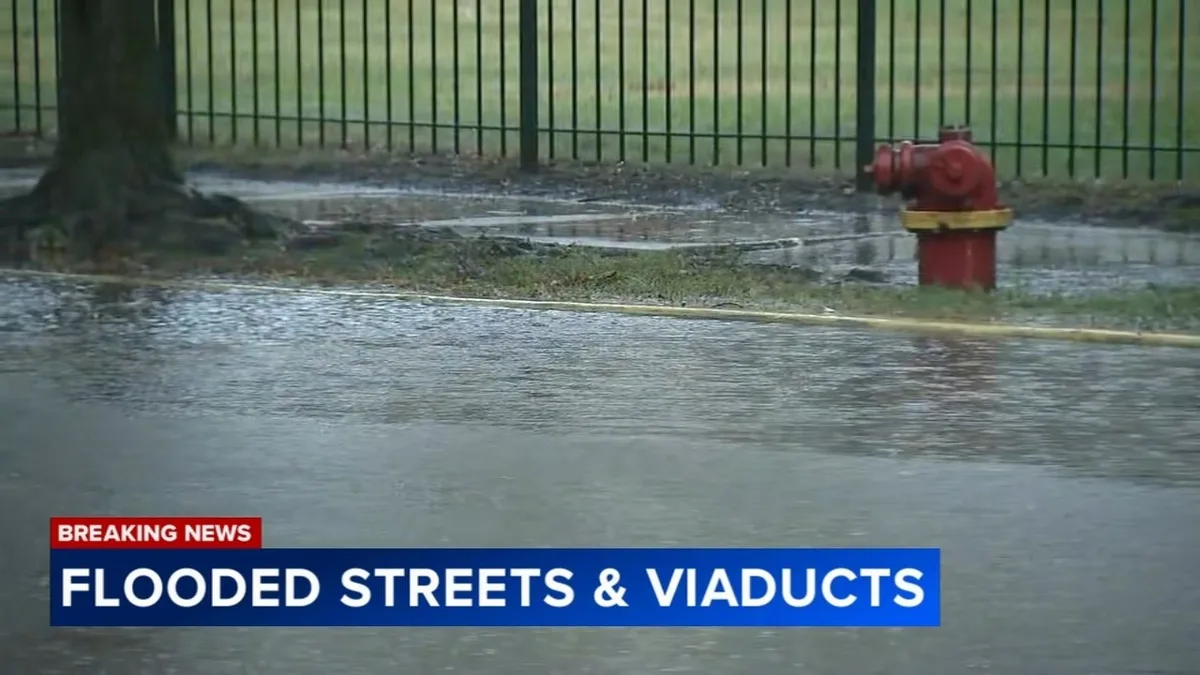
After the storm, avoid driving until authorities confirm roads are safe. Floodwaters may have damaged surfaces or left debris in the road.
Common Mistakes Tourists and Locals Make (And How to Avoid Them)
Underestimating the rain is a frequent error. What looks like a light shower can quickly turn into a downpour, reducing visibility and road traction.
Ignoring road-closure signs is another common mistake. Some drivers attempt to bypass barriers, risking fines and their safety.
Driving too fast for conditions is a leading cause of accidents. Wet roads require slower speeds, sharper attention, and gentler braking.
Not checking tire tread or wiper blades before a trip is a preventable oversight. Worn tires lose grip on wet roads, and ineffective wipers reduce visibility.
Overconfidence in familiar routes can be dangerous. Even if you’ve driven a road many times, heavy rain or storms can change its condition dramatically.
Expert Tips from Local Drivers and Authorities
Drive with your headlights on in rain, even during the day. This is the law and it makes you more visible to others.
Keep a safe following distance. Wet roads require more space to stop.
Avoid sudden movements. Accelerate, brake, and steer smoothly to prevent skidding.
Carry an emergency kit. Include a flashlight, first-aid supplies, water, and a phone charger.
Stay informed. Check weather and road conditions before and during your trip.
Legal Penalties for Breaking Weather-Related Driving Laws
Fines start at $100 for minor violations like failing to use headlights in rain. More serious offenses, such as ignoring road-closure signs, can result in fines up to $500.
Reckless driving in bad conditions can lead to license suspension. If your actions cause an accident, you may face additional civil liability.
Repeat offenders may see higher fines or mandatory driving courses. The goal is to ensure all drivers respect the unique challenges of tropical weather.
Safety Warnings
Never drive through standing water. Just six inches can stall most vehicles, and a foot can float many cars.
Avoid mountain roads during heavy rain. Landslides and rockfalls are common, and rescue access is limited.
Use hazard lights in low visibility. This alerts other drivers to your presence when rain or fog reduces visibility.
Carry proof of insurance and registration. Authorities may conduct checks, especially during weather emergencies.
Frequently Asked Questions
Do I need to use headlights in light rain?
Yes. The law requires headlights whenever it rains, regardless of intensity.
What should I do if I see a road-closure sign?
Turn around and find another route. Ignoring the sign is illegal and dangerous.
How can I check for real-time road conditions?
Monitor updates from the National Weather Service Pago Pago and the American Samoa Department of Public Safety.
Are there specific speed limits for rain?
No fixed limits exist, but you must reduce speed below the posted limit. Wet roads require slower, more cautious driving.
Can I drive during a cyclone warning?
No. Cyclone warnings mean roads are unsafe due to high winds, flooding, and debris. Stay off the roads until authorities confirm it’s safe.