ByMax Lee
American Samoa Car Seat Laws for Kids Under 8
American Samoa child restraint law and car seat requirements for ages 8 and under exist to keep kids safe in vehicles. These rules specify which car seats or boosters children must use based on age, height, and weight. Following them isn’t just smart, it’s the law.
Per American Samoa’s traffic code, children under 8 must be in an appropriate restraint system, and improper use can lead to fines. Here’s what you need to know to stay compliant and protect your child.
Quick Answer
American Samoa child restraint law and car seat requirements for ages 8 and under mandate proper restraints for all children in this age group. Kids under 1 must be rear-facing. Ages 1 to 4 need forward-facing seats with a harness.
Children 4 to 8 must use a booster seat or appropriate child restraint. Seat belts alone are not sufficient until the child meets height and weight requirements.
Image source: Wikimedia Commons / StomboyCarGeek
Why American Samoa’s Child Restraint Laws Matter for Safety
Car crashes are a leading cause of injury for children. Proper restraints reduce the risk of severe harm by up to 71% for infants and 54% for toddlers, according to NHTSA data. American Samoa’s laws align with these safety standards.
These rules aren’t just recommendations. They’re legally enforceable, and violating them can result in fines. More importantly, they’re designed to match a child’s physical development.
How American Samoa’s Car Seat Rules Work by Age and Size
The law breaks requirements into three key stages based on age, but height and weight also play a role. Here’s how it works:
- Under 1 year old: Must be in a rear-facing car seat. This position supports the head, neck, and spine in a crash.
- Ages 1 to 4: Must use a forward-facing car seat with a 5-point harness. This secures the child at the shoulders, hips, and between the legs.
- Ages 4 to 8: Must be in a booster seat or another appropriate child restraint system. A booster lifts the child so the vehicle’s seat belt fits correctly.
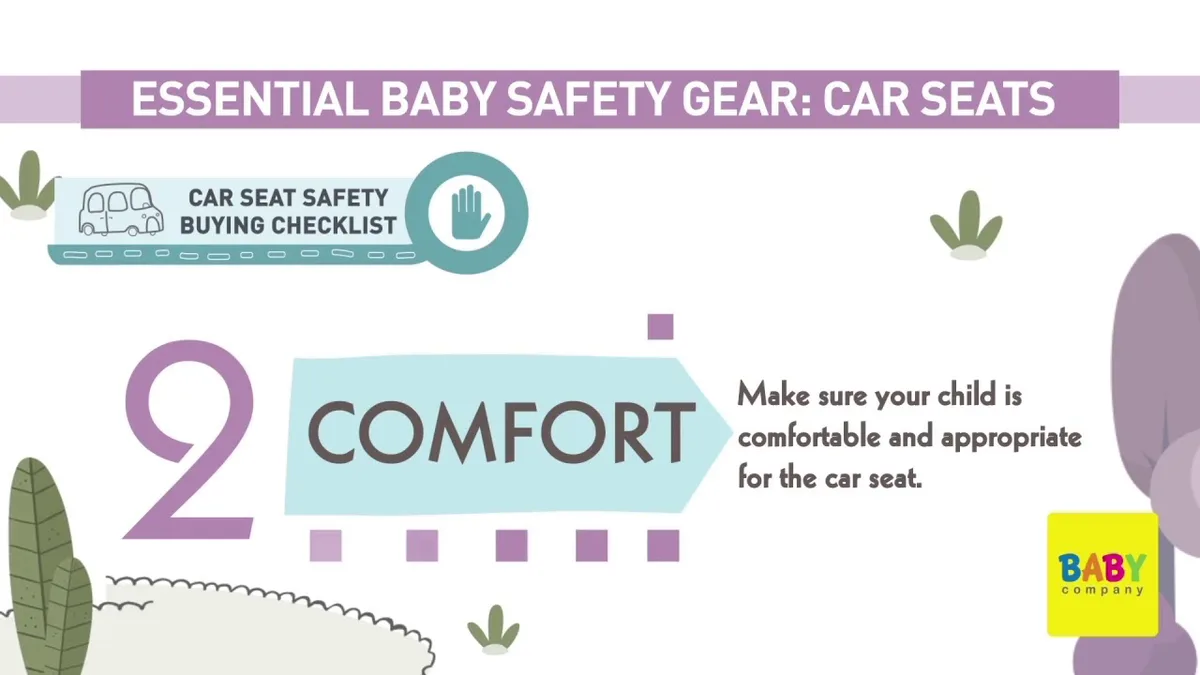
Image source: YouTube / Baby Company (YouTube thumbnail (fair-use with source credit))
Weight and height limits vary by seat model. For example, many rear-facing seats accommodate children up to 40 pounds, while boosters often require a minimum of 40 pounds and a height under 4’9”.
Rear-Facing vs. Forward-Facing vs. Booster: Which Seat When
Choosing the right seat depends on your child’s age, size, and developmental stage. Here’s a quick breakdown:
| Seat Type | Age Range | Weight/Height | Key Benefit |
|---|---|---|---|
| Rear-facing | Under 1 | Up to 40+ lbs | Best head/neck support |
| Forward-facing | 1 to 4 | 20–65+ lbs | Secures with 5-point harness |
| Booster seat | 4 to 8 | 40+ lbs, under 4’9” | Ensures seat belt fits properly |
Rear-facing seats are the safest for infants because they cradle the entire body, reducing stress on the neck and spine. Forward-facing seats with a harness distribute crash forces across the strongest parts of a child’s body. Boosters position the seat belt so it lies across the chest and hips, not the neck or stomach.
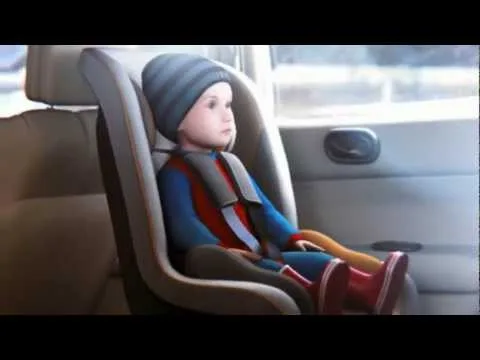
Image source: Wikimedia Commons / Anwar2 (CC BY-SA)
Step-by-Step: Picking and Installing the Right Car Seat
Start by confirming your child’s age, weight, and height. Then, select a seat that meets American Samoa’s requirements and the manufacturer’s specifications.
Check the seat’s expiration date, most car seats expire after 6 to 10 years due to wear and tear on materials. Register the seat with the manufacturer to receive recall alerts.
Install the seat using either the vehicle’s seat belt or the LATCH system. The LATCH system is often easier and reduces the risk of improper installation. Always follow the car seat and vehicle manuals for exact instructions.
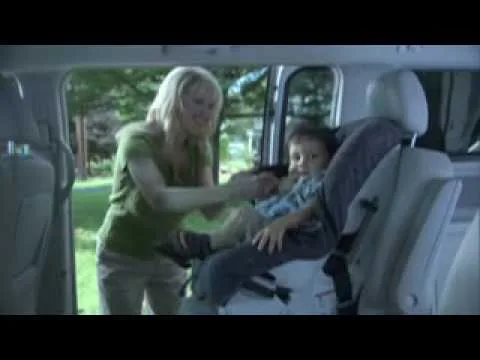
Image source: YouTube / Ad Council (YouTube thumbnail (fair-use with source credit))
Common Mistakes That Put Kids at Risk (And How to Fix Them)
Even careful parents can make mistakes when installing or using car seats. These errors can weaken protection in a crash.
One of the most frequent issues is a loose seat. If the car seat moves more than an inch side-to-side at the belt path, it isn’t secure. Re-tighten the LATCH straps or seat belt until it's firm.
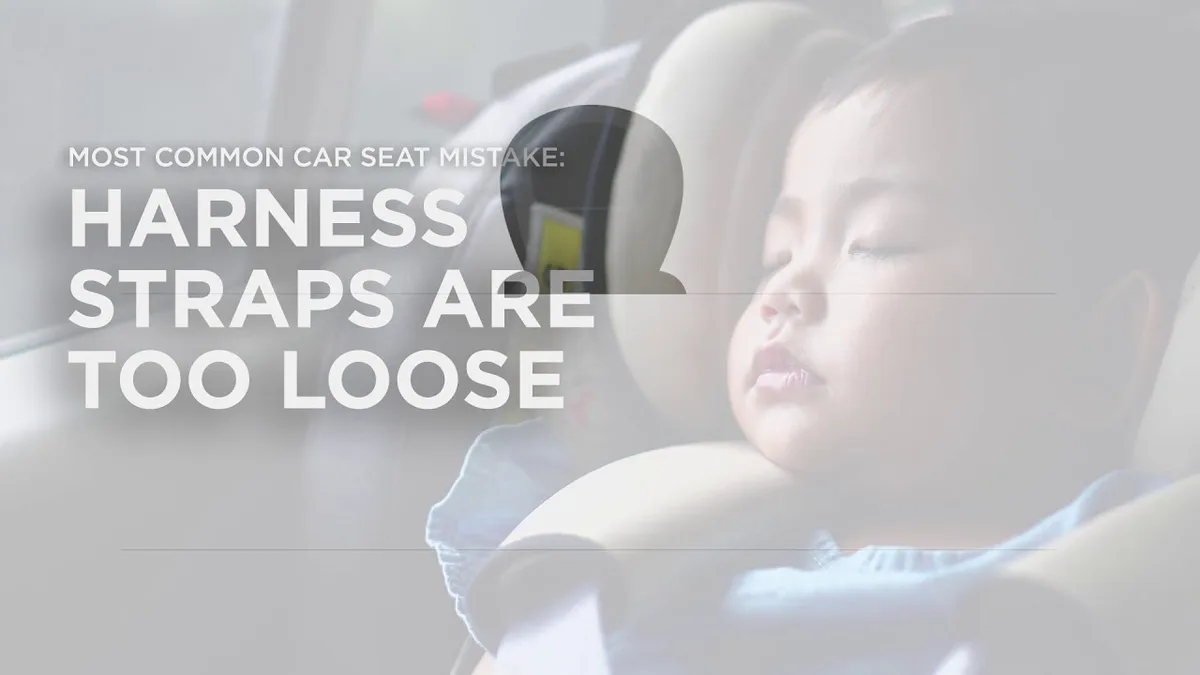
Image source: YouTube / Utah Department of Public Safety (YouTube thumbnail (fair-use with source credit))
Another mistake is turning a child forward-facing too early. Infants should stay rear-facing as long as the seat’s weight and height limits allow. Most convertible seats support rear-facing up to 40 pounds or more.
Using an expired or recalled seat is also dangerous. Plastic degrades over time, and harnesses can fray. Check the manufacture date on the seat shell.
Other common errors include:
- Installing the seat in the wrong vehicle position
- Using a seat belt that isn’t locked
- Putting bulky coats on children
Fixing these mistakes is usually simple. Re-read the manuals, tighten connections, and have your installation checked by a certified technician.
What Happens If You Break the Law?
Violating American Samoa’s child restraint law can lead to fines. The exact amount varies, but citations are common during traffic stops.
Beyond fines, parents may be required to complete a child passenger safety course. Repeat offenses can increase penalties and affect your driving record.
Insurance companies may also raise premiums if a violation is reported. Some policies offer discounts for safe driving, which can be lost after a citation.
In rare cases, severe negligence could lead to child endangerment charges. This is especially true if a child is injured in a crash due to improper restraint.
Where to Get Your Car Seat Checked in American Samoa
Certified Child Passenger Safety Technicians (CPSTs) can inspect installations for free in many areas.
In American Samoa, check with the local Department of Public Safety or highway patrol for scheduled inspection events. Some hospitals and fire stations also host safety check stations.
You can also search for CPSTs through the NHTSA website, which lists certified technicians by territory.
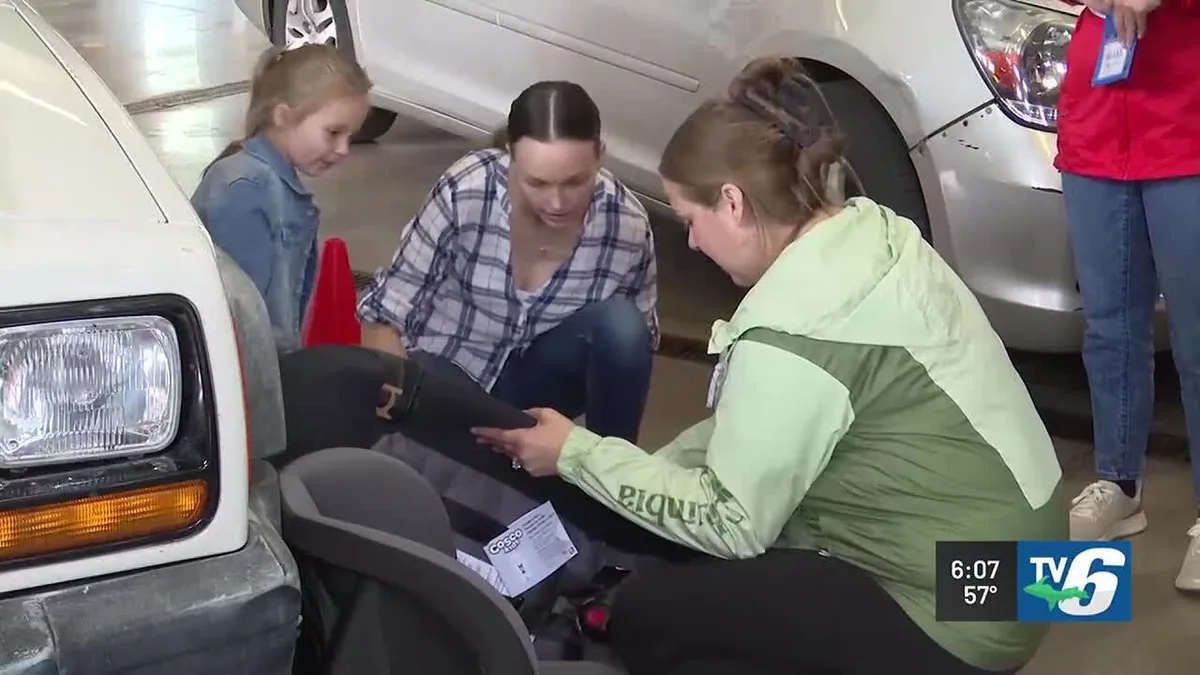
Image source: YouTube / Upper Michigan's Source | TV6 & FOX UP (YouTube thumbnail (fair-use with source credit))
Inspection is especially helpful if you:
- Just bought a new car or car seat
- Are traveling and renting a vehicle
- Suspect the seat is loose or incorrectly routed
FAQs About American Samoa’s Child Seat Rules
How old does a child need to be to use a seat belt in American Samoa?
A child can transition to a seat belt only after outgrowing a booster seat. Typically, this happens around age 8 or when the child reaches 4 feet 9 inches tall.
Do all vehicles need car seats for children under 8?
Yes. American Samoa law requires an appropriate restraint system for any child under 8, regardless of vehicle type. This includes taxis, rideshares, and borrowed cars.
Are there any exceptions to the child restraint law?
Medical exemptions may apply if a child has a condition that makes car seat use impractical. These usually require documentation from a physician.
What type of car seat is best for a 2-year-old?
A forward-facing convertible seat with a 5-point harness is appropriate for a 2-year-old who has outgrown the rear-facing limit. Choose a seat that matches the child’s weight and height.
Can I use a secondhand car seat?
Secondhand seats are acceptable if they have all parts, clear instructions, no expired dates, and no accident history. Always verify the seat’s full history before use.
How often should I replace a car seat?
Replace a car seat after any moderate or severe crash, even if no damage is visible. Also replace it if it’s expired, recalled, or missing labels.
Final Checklist: Are You Following the Law Correctly?
Use this checklist to confirm your child’s restraint meets American Samoa’s requirements.
- Your child is under 8 years old and in a proper car seat or booster
- The seat is rear-facing, forward-facing, or booster based on age, weight, and height
- The harness is at or below the child’s shoulders for rear-facing, and at or above for forward-facing
- The seat moves less than one inch side-to-side at the belt path
- The seat expiration date has not passed
- You’ve registered the seat with the manufacturer for recall alerts
- You understand the local law and penalties for non-compliance
If any box is unchecked, review the car seat manual and vehicle guidelines. When in doubt, have a certified technician inspect the installation.