ByMax Lee
American Samoa Distracted Driving Law: Handheld Ban
YouTube / PoliceActivity (YouTube thumbnail (fair-use with source credit))
American Samoa distracted driving law and handheld device prohibition makes it illegal to hold a phone or similar device while operating a vehicle. This rule exists to reduce crashes caused by distraction, but many drivers still don’t know exactly what’s allowed.
As of 2026, the territory enforces a primary ban, meaning police can pull you over solely for holding a phone. The law applies to all public roads, and fines start at $100 for first offenses.
Quick Answer
American Samoa distracted driving law and handheld device prohibition bans holding a phone while driving. Hands-free use is allowed. The law is primary enforcement.
Fines begin at $100. Points may be added to your license.
The Quick Answer: What’s Banned and What’s Allowed
YouTube / CBS LA (YouTube thumbnail (fair-use with source credit))
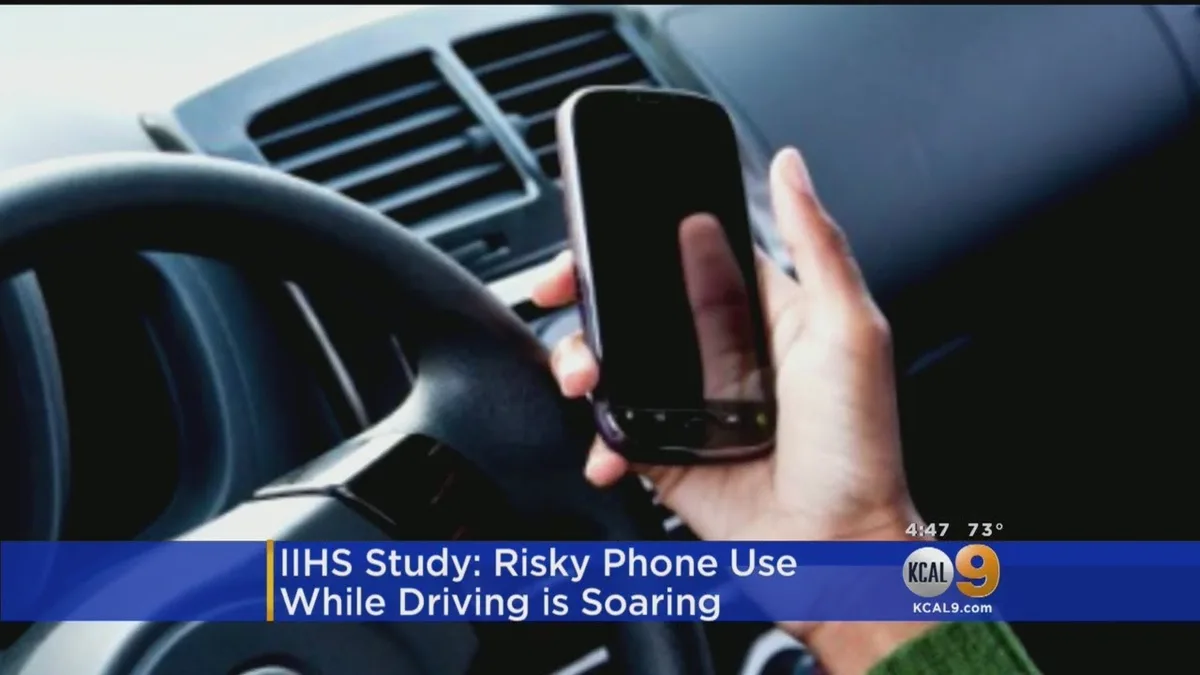
Holding a phone, tablet, or GPS device in your hand while driving is illegal. This includes texting, scrolling, or making calls without a hands-free system.
What’s allowed:
- Using a phone via Bluetooth or speakerphone
- Single-touch activation to start or end a call
- GPS navigation if the device is mounted and not held
What’s banned:
- Holding the phone to your ear
- Texting or browsing while driving
- Watching videos or using apps
The rule is simple: if you’re touching the device, you’re breaking the law.
The Exact Law: American Samoa’s Handheld Device Prohibition
YouTube / Diego Tutorials (YouTube thumbnail (fair-use with source credit))
The prohibition is outlined in the American Samoa Code Annotated (ASCA) under traffic regulations. It classifies handheld device use as a primary offense, giving police the authority to stop drivers solely for this violation.
Key legal points:
- Applies to all moving vehicles on public roads
- Covers all handheld electronic devices, not just phones
- Exemptions exist for emergency vehicles and parked cars
The law doesn’t distinguish between calling, texting, or using apps. Any handheld use is prohibited. For official text, refer to the American Samoa Government website.
Hands-Free vs. Handheld: What’s the Difference?
YouTube / Mo ez (YouTube thumbnail (fair-use with source credit))
Hands-free means you’re not physically holding the device. This includes:
- Bluetooth headsets or car systems
- Speakerphone mode
- Voice commands
- Mounted GPS units
Handheld means the device is in your hand. Even a quick glance at a text while stopped at a light counts.
The distinction matters because hands-free use is legal, while handheld use is not. If you’re unsure, ask: Are my hands on the wheel? If not, you’re likely breaking the law.
Penalties for Breaking the Rule: Fines, Points, and More
YouTube / Diego Tutorials (YouTube thumbnail (fair-use with source credit))
First-time offenders face a $100 fine. Repeat violations can lead to higher fines and points on your license.
| Offense | Fine | License Points |
|---|---|---|
| First | $100 | 2 |
| Second | $200 | 3 |
| Third+ | $300 | 4 |
Points can lead to license suspension if accumulated. The law is enforced as a primary offense, so police don’t need another reason to pull you over.
How Enforcement Actually Works in American Samoa
Police can stop you just for holding a phone. This is primary enforcement, so no other violation is needed.
Officers typically watch for drivers with phones to their ears or looking down at screens. They may also pull over vehicles swerving or moving erratically if distraction is suspected.
Enforcement is consistent in urban areas like Pago Pago but may be less frequent on rural roads. Still, the law applies everywhere in the territory.
Common Misunderstandings That Get Drivers in Trouble
Many think stopping at a red light means it’s okay to check a phone. It’s not. The law applies whenever the vehicle is in motion or temporarily stopped in traffic.
Some assume hands-free means any voice command is fine. Single-touch activation is allowed, but scrolling through contacts or apps is not.
Others believe the law only covers phones. It applies to any handheld electronic device, including tablets and GPS units.
What to Do If You’re Pulled Over for a Handheld Violation
Stay calm and pull over safely. Arguing or continuing to use the device will only make things worse.
Have your license and registration ready. The officer will explain the violation and issue a citation if they confirm the offense.
You can contest the ticket in court. But the simplest solution is to avoid holding your phone while driving in the first place.
How American Samoa’s Law Compares to Other US Territories
YouTube / Bullseye English (YouTube thumbnail (fair-use with source credit))
American Samoa’s ban is stricter than some territories. Guam, for example, only prohibits texting while driving, not all handheld use.
Like Maryland, American Samoa treats handheld device use as a primary offense. But fines in Maryland can reach $500 for repeat offenses, higher than American Samoa’s $300 cap.
The consistency across territories reflects a growing trend. Most US states and territories now have some form of distracted driving law.
What Counts as a "Handheld Device" Under AS Law
The law covers more than just smartphones. Any portable electronic device you hold in your hand while driving falls under the prohibition.
This includes:
- Smartphones and basic cell phones
- Tablets and e-readers
- Portable GPS units
- Handheld gaming devices
- Portable music players with screens
The key factor is whether you're holding the device. If it's mounted to your dashboard or windshield, or if you're using voice commands without touching the screen, it's considered hands-free.
Who the Law Applies To (And Who’s Exempt)
The handheld ban applies to all drivers on American Samoa's public roads. This includes residents, visitors, and tourists renting vehicles.
Who is exempt:
- Emergency vehicle operators (police, fire, ambulance)
- Law enforcement officers
- Drivers who are completely stopped and parked
- Commercial drivers using approved hands-free systems
Even commercial drivers can't hold their phones. They must use hands-free equipment or pull over to a safe location before using a device.
Where to Find the Official Rules and Updates
The full text of the distracted driving law is in the American Samoa Code Annotated (ASCA), Title 23, which covers motor vehicles and traffic.
You can find it through:
- The American Samoa Legislature official website
- The American Samoa Department of Motor Vehicles
- The American Samoa Highway Safety Office
For the most current information, check the territory's official government portal or visit your local DMV office.
Practical Tips to Stay Compliant (Without the Hassle)
Set up Bluetooth before you drive. Most modern cars and phones make this easy.
Use a phone mount if you need GPS. Just don’t touch the device while the car is moving.
If you must take a call, pull over safely first. It’s the only way to be sure you’re following the law.
Frequently Asked Questions
Can I use my phone at a red light in American Samoa?
No. Stopping at a red light doesn't make it legal to hold your phone. The vehicle is still considered in traffic, and officers can cite you.
Are tourists subject to the same law?
Yes. The handheld device prohibition applies to all drivers on American Samoa's roads, regardless of where you're from.
What happens if I contest a ticket?
You can request a court hearing. Bring any evidence, like proof your phone was mounted or in hands-free mode. The court will decide based on the evidence presented.
Does the law cover passengers using phones?
No. The prohibition only applies to the driver. Passengers can use phones freely.
How strict is enforcement in rural areas?
Enforcement is less frequent outside urban centers like Pago Pago. But the law still applies on all public roads, and officers do patrol rural routes.