ByMax Lee
Guam Car Exhaust Noise Laws: Muffler Rules Explained
Guam muffler and exhaust noise level regulations for passenger cars can save you from fines, failed inspections, or legal headaches if you know the rules before modifying or importing a vehicle. The island enforces strict noise limits, and what’s legal on the U.S. mainland or in Japan may not pass here.
As of 2026, Guam’s Department of Revenue and Taxation requires passenger cars to meet a 92 dBA noise limit during stationary testing. Get this wrong, and you’ll face re-inspection fees or citations from Guam Police.
Quick Answer
Guam muffler and exhaust noise level regulations for passenger cars cap sound at 92 dBA during stationary testing. The test measures noise at a set RPM and microphone distance. Modified exhausts often fail if they exceed this limit.
Muffler deletes or straight pipes are illegal under Guam Vehicle Code Title 16.
Understanding Guam Vehicle Code Title 16: Exhaust & Noise Regulations
Guam’s vehicle laws fall under Guam Code Annotated Title 16, which governs motor vehicle equipment and safety standards. This includes explicit rules on mufflers and exhaust noise to prevent excessive sound pollution.
The code mandates that all passenger vehicles must have a working muffler in good condition. It also prohibits modifications that amplify noise, such as muffler cutouts or bypasses.

What the Law Actually Says About Mufflers and Exhaust Systems
Guam Vehicle Code Title 16 requires every passenger car to be equipped with a muffler that prevents excessive or unusual noise. The law also bans any modification that increases noise beyond the legal limit.
Vehicles with altered exhaust systems that produce loud, unusual, or excessive noise are considered non-compliant. This includes aftermarket setups that remove or bypass the muffler entirely.
How Guam Defines Legal vs. Illegal Exhaust Modifications
Legal modifications retain the muffler and keep noise within the 92 dBA limit. Illegal modifications include muffler deletes, straight pipes, or any setup that bypasses noise reduction components.
The DRT uses SAE J1169 standards for testing, which measure sound at 2,500, 3,000 RPM with the microphone 0.5 meters from the exhaust outlet. If your car exceeds the limit, it fails inspection and cannot be registered until fixed.
Risk Factors: Penalties, Inspection Failures, and Legal Trouble
Failing the DRT safety inspection due to exhaust noise means you’ll need to repair or replace the system before retesting. This can delay registration and add unexpected costs.
Guam Police can issue citations for excessive exhaust noise, especially in residential areas. Repeat offenses may lead to higher fines or mandatory corrections.

Failing DRT Safety Inspection Due to Exhaust Noise
If your car’s exhaust noise exceeds 92 dBA during the stationary test, it fails inspection. You’ll receive a rejection notice and must address the issue before retesting.
Common reasons for failure include aftermarket exhausts without proper mufflers, damaged mufflers, or modifications that increase noise output. Replacing the muffler or reverting to stock components usually resolves the issue.
Guam Police Citations and Fix-It Tickets
Driving with an excessively loud exhaust can result in a citation from Guam Police. Officers may use handheld decibel meters to verify noise levels on the spot.
Fix-it tickets require you to correct the violation and provide proof of compliance, such as a receipt from a muffler shop or a passing inspection report. Ignoring the ticket can lead to additional fines or legal action.
When Exhaust Violations Escalate to Fines or Registration Holds
Repeated violations or refusal to comply with citations can result in higher fines. In extreme cases, the DRT may place a hold on your vehicle’s registration until the exhaust system is brought into compliance.
This can be particularly problematic for imported vehicles, as some modifications common in other countries may not meet Guam’s standards. Always verify compliance before shipping a car to the island.
Staying Compliant: Safe Practices for Guam Vehicle Owners
The simplest way to stay compliant is to keep your vehicle’s stock exhaust system intact. If you’re considering aftermarket upgrades, choose components that meet Guam’s noise regulations.
Using a decibel meter to test your exhaust before inspection can help you avoid surprises. Many local muffler shops offer this service and can recommend compliant upgrades.
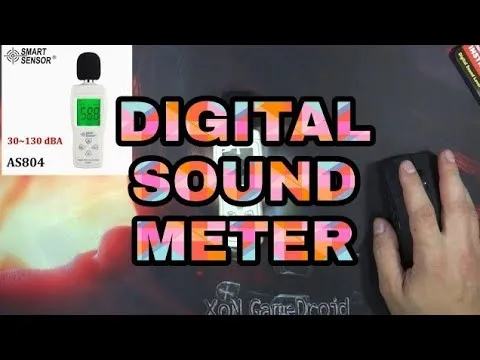
Using a Decibel Meter to Check Your Exhaust at Home
A basic digital decibel meter can help you gauge your exhaust noise level. Position the meter 0.5 meters from the exhaust outlet and rev the engine to 2,500, 3,000 RPM.
If the reading exceeds 92 dBA, your exhaust system likely needs adjustment. Common fixes include adding a resonator, replacing the muffler, or reverting to the stock setup.
Verifying Modifications Before DRT Inspection Day
Before heading to the DRT for inspection, confirm that your exhaust system meets Guam’s standards. If you’ve recently modified your exhaust, test it with a decibel meter or consult a professional.
Many Guam muffler shops are familiar with local regulations and can help you choose compliant parts. They can also provide documentation of the work, which may be required if your vehicle is flagged during inspection.
Working with Reputable Exhaust and Muffler Shops in Guam
Local shops can be invaluable for ensuring your exhaust system is compliant. They understand Guam’s regulations and can recommend or install parts that meet the legal noise limits.
Look for shops with experience in Guam’s inspection process. They can often provide same-day service to help you pass inspection quickly.
Step-by-Step: Getting Your Vehicle Tested and Registered in Guam
The DRT’s safety inspection is mandatory for all passenger vehicles. The process includes a visual check of the exhaust system and a noise test to ensure compliance with Guam’s regulations.
If your vehicle passes, you’ll receive a sticker and can proceed with registration. If it fails, you’ll need to address the issues and return for a re-test.
Pre-Inspection Checklist for Exhaust Compliance
Before your inspection, verify that your muffler is in good condition and properly installed. Check for any visible damage or modifications that could increase noise output.
Test your exhaust noise level with a decibel meter if possible. Ensure all components, including the catalytic converter and resonator, are present and functional.
Before your inspection, verify that your muffler is in good condition and properly installed. Check for any visible damage or modifications that could increase noise output.
Test your exhaust noise level with a decibel meter if possible. Ensure all components, including the catalytic converter and resonator, are present and functional.
What Happens During the DRT Safety Inspection
The inspector will visually examine your exhaust system for compliance with Guam’s regulations. They’ll check for the presence of a muffler and look for any illegal modifications, such as cutouts or bypasses.
The noise test involves revving the engine to 2,500, 3,000 RPM while a decibel meter measures the sound output. If your vehicle exceeds the 92 dBA limit, it fails the inspection.
Fixing a Failed Exhaust Test and Re-Registering Your Vehicle
If your car fails the exhaust noise test, you’ll need to repair or replace the non-compliant components. Common fixes include installing a new muffler, adding a resonator, or reverting to the stock exhaust system.
Once the repairs are complete, return to the DRT for a re-test. Bring any receipts or documentation from the muffler shop to expedite the process.
Stock vs. Aftermarket Exhaust: Choosing a Compliant System in Guam
Deciding between a stock and aftermarket exhaust system comes down to one question: can you stay within Guam’s 92 dBA limit? Stock systems are designed to meet manufacturer noise standards, which usually align with local regulations.
If you want to avoid inspection headaches, stick with OEM mufflers or carefully selected replacements. Many car enthusiasts opt for aftermarket systems for a deeper tone or slight power gains, but this can lead to noise violations on Guam.
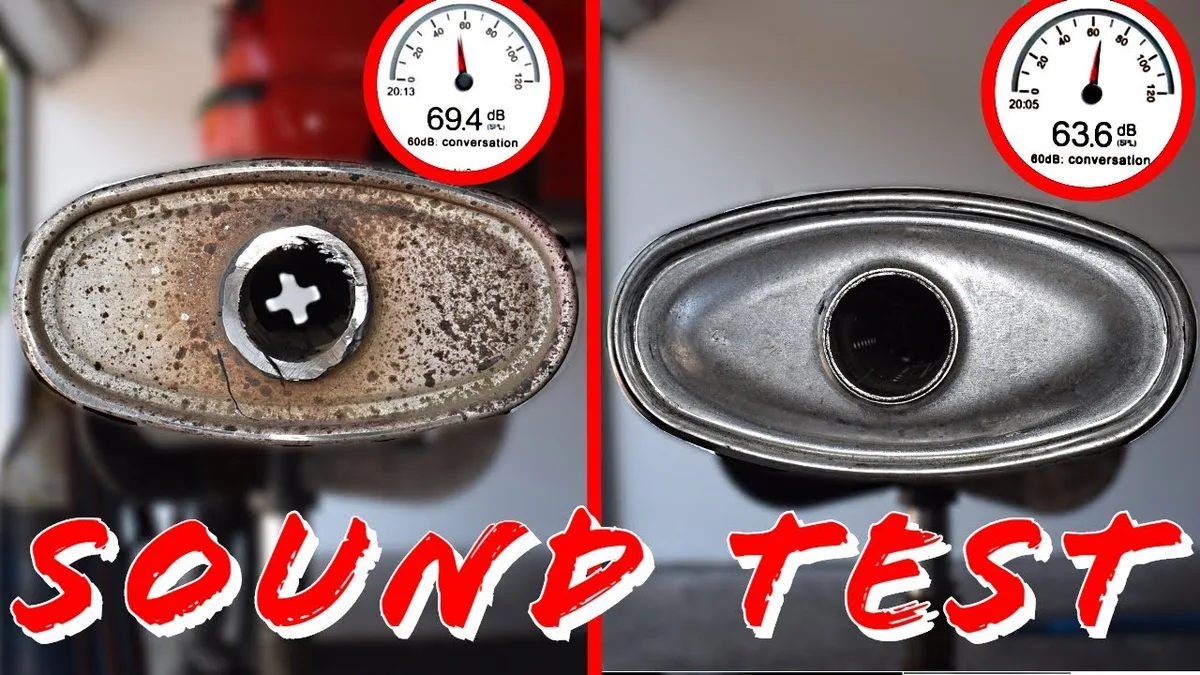
Chambered Mufflers vs. Straight-Through Options
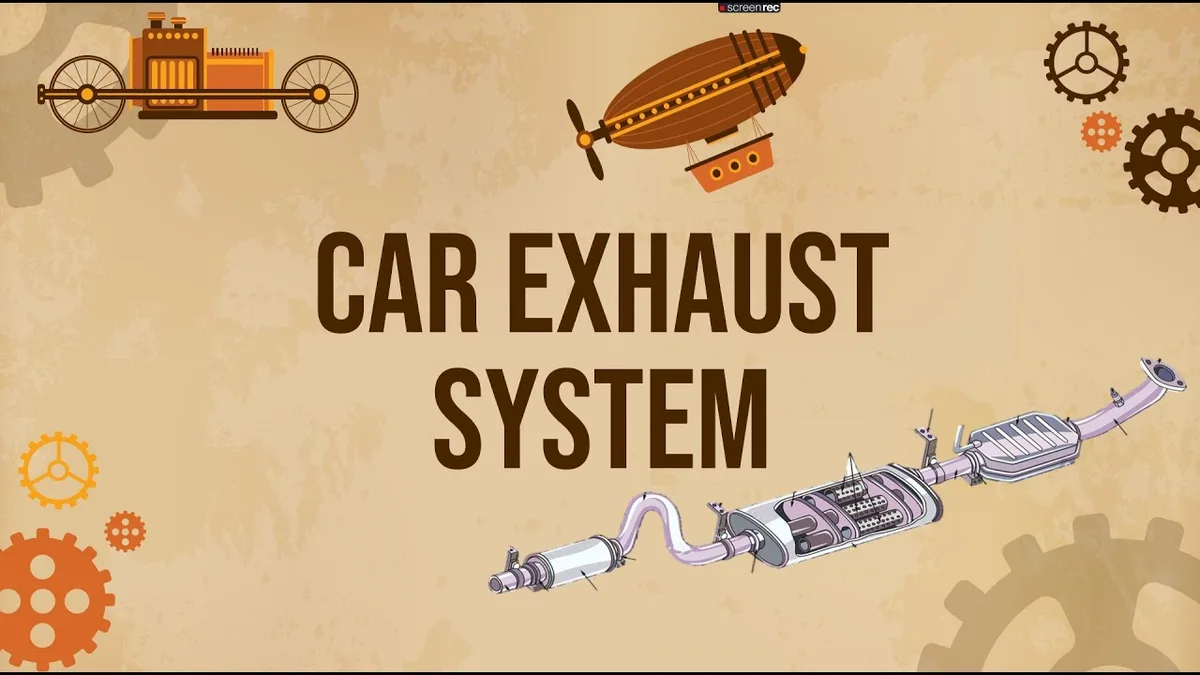
Chambered mufflers use multiple chambers and baffles to cancel out sound waves, producing a quieter, often deeper tone. They’re a common upgrade because they’re less likely to exceed legal noise limits.
Straight-through mufflers feature a perforated tube surrounded by sound-absorbing material, allowing exhaust gases to pass through with less restriction. They tend to be louder and may push your vehicle over the 92 dBA threshold.
Cat-Back and Axle-Back Upgrades That Pass Guam Rules
Cat-back exhaust systems replace the pipes and muffler from the catalytic converter to the rear of the vehicle. Axle-back systems only replace components behind the rear axle. Both can be compliant if they include a legal muffler and don’t amplify noise.
When shopping for these upgrades, look for models that advertise compliance with SAE or EPA standards. Some brands explicitly label their products as “low noise” or “street legal,” which often means they stay within typical legal limits.
Straight-Pipe, Muffler Deletes, and Cutouts: What to Avoid
Straight-pipe setups remove the muffler entirely, leaving a bare pipe that directs exhaust gases straight out the rear. Muffler deletes are similar but may retain the resonator while eliminating the muffler. Exhaust cutouts install a valve that can bypass the muffler when opened, creating a loud, unrestricted sound.
All three are illegal under Guam Vehicle Code Title 16. They not only fail inspection but can also draw police attention and citations.
Mistakes to Avoid When Upgrading or Importing Exhaust in Guam
Even well-intentioned car owners can run into trouble with exhaust modifications. The most common mistake is assuming that a system legal in another state or country will pass Guam’s rules.
Another frequent error is skipping a decibel check before bringing your car to the DRT. If your exhaust is just over the limit, a simple test could have revealed the problem upfront and saved you a trip and a fee.
Assuming US Mainland or Japanese Compliance Equals Guam Compliance
Many exhaust systems are marketed as “CARB compliant” or “EPA legal,” but those certifications are specific to U.S. federal and California regulations. Guam has its own noise standards, which are enforced separately by the DRT and local police.
A system that passes in California or Texas might still exceed 92 dBA when tested under Guam’s stationary procedure. Always confirm with a local shop or the DRT that an aftermarket part is approved for use in Guam before installing it.
Skipping a Decibel Check Before Inspection
Driving an untested, modified exhaust to the inspection station is a gamble. If your car fails, you’ll need to schedule a re-test, potentially pay additional fees, and rearrange your plans.
Importing Vehicles With Pre-Installed Illegal Exhaust Modifications
If you’re bringing a vehicle to Guam from overseas, the previous owner may have installed a loud exhaust system that’s common in their home country but illegal here. Many imported cars from Japan, Korea, or the U.S. mainland arrive with cat-back or straight-pipe setups that don’t meet local standards.
Before shipping, inspect the vehicle’s exhaust system and have it tested for noise. If modifications are present, budget for a replacement with a compliant muffler.
Costs, Decibel Limits, and Technical Specs for Guam Exhaust Rules
Understanding the numbers behind Guam’s exhaust regulations helps you make informed decisions. The legal limit of 92 dBA is measured using a standardized test procedure that accounts for engine RPM and microphone placement.
Costs for compliance range from affordable replacement mufflers to expensive custom exhaust systems. Factor in both parts and labor when budgeting for an upgrade, and always keep receipts for any work done to prove compliance if requested.
Expected Sound Limits for Passenger Cars in Guam
Passenger cars in Guam must not exceed 92 dBA during a stationary noise test. This test is typically performed with the engine at 2,500, 3,000 RPM.
The decibel meter is placed 0.5 meters from the exhaust outlet at a 45-degree angle. If the reading is at or below 92 dBA, the vehicle passes. Anything higher results in a failure.
Real-World Decibel Outputs of Common Exhaust Setups
Stock exhaust systems generally produce 70, 80 dBA at idle, rising to 80, 90 dBA at moderate throttle. Aftermarket chambered mufflers often stay within 85, 95 dBA, depending on design.
Straight-through and performance mufflers can push output to 95, 100 dBA or more, frequently exceeding legal limits. Straight-pipe setups or muffler deletes can reach 100 dBA or higher, making them clear violations.
Inspection Fees, Fine Amounts, and Repair Costs on Island
The DRT charges a fee for vehicle safety inspections, typically $10, $25. If your car fails due to an exhaust issue, you’ll need to complete the necessary repairs and return for a re-test, which may incur another fee.
Fines for exhaust noise violations issued by Guam Police start around $50 and increase for repeat offenses. Repair costs depend on the system you choose: a basic OEM replacement muffler may cost $100, $200, while aftermarket cat-back systems can run $300, $800 or more, including installation.
Frequently Asked Questions
Do I Need a Muffler to Register My Car in Guam?
Yes. Guam law requires all passenger vehicles to have a functioning muffler that prevents excessive noise. An illegal or missing muffler will cause your vehicle to fail the safety inspection, blocking registration until the issue is fixed.
How Loud Can My Exhaust Be and Still Pass Inspection?
Your exhaust must measure 92 dBA or less during a stationary test at 2,500, 3,000 RPM. Always verify the exact test procedure with the DRT or a qualified mechanic to ensure your reading is accurate.
Will Guam Accept a Vehicle Imported With a Modified Exhaust?
Only if the modification complies with Guam’s noise limits. Imported cars with loud aftermarket exhausts, straight pipes, or muffler deletes will likely fail inspection. Have the exhaust tested or replaced before bringing the vehicle to the DRT.
What Should I Do If I Got a Noise Citation in Guam?
Address the violation promptly. Repair or replace the exhaust system with a compliant muffler, then obtain a receipt or repair order as proof. You may need to submit this documentation to the court or police to dismiss the citation.
Can I Use a Decibel Meter at Home to Check My Exhaust Before Inspection?
Yes. Many homeowners use basic digital decibel meters to get a rough reading. For best results, replicate the official test conditions: park on a flat surface, warm the engine, have an assistant rev the engine to 2,500, 3,000 RPM, and measure noise at the exhaust outlet from about 0.5 meters away.
Final Recommendation: A Verified Checklist for Guam Exhaust Compliance
Staying compliant with Guam’s exhaust noise regulations doesn’t have to be complicated. Follow a few straightforward steps to keep your vehicle legal and avoid costly fines or inspection failures.
The Must-Do Steps Before Inspection or Import
- Check your current exhaust for damage or illegal modifications.
- Test the noise level with a decibel meter if possible.
- If you’re importing a vehicle, inspect the exhaust before shipping and budget for any necessary replacements.
- Keep all receipts and documentation for exhaust repairs or upgrades.
Who Should Seek Help From a Licensed Guam Muffler Shop
Vehicle owners who are unsure about their exhaust compliance, those planning significant modifications, or anyone preparing to import a car should consult a local muffler shop. Licensed shops understand Guam’s regulations and can recommend parts that pass inspection.
When to Consult the DRT or Guam EPA for Clarification
If you have questions about specific noise limits, test procedures, or whether a particular modification is legal, reach out to the DRT Motor Vehicle Division or the Guam Environmental Protection Agency. They can provide official guidance and help you avoid mistakes that could lead to penalties or registration delays.