ByMax Lee
Guam Light Bar Laws: Off-Road Auxiliary Lighting
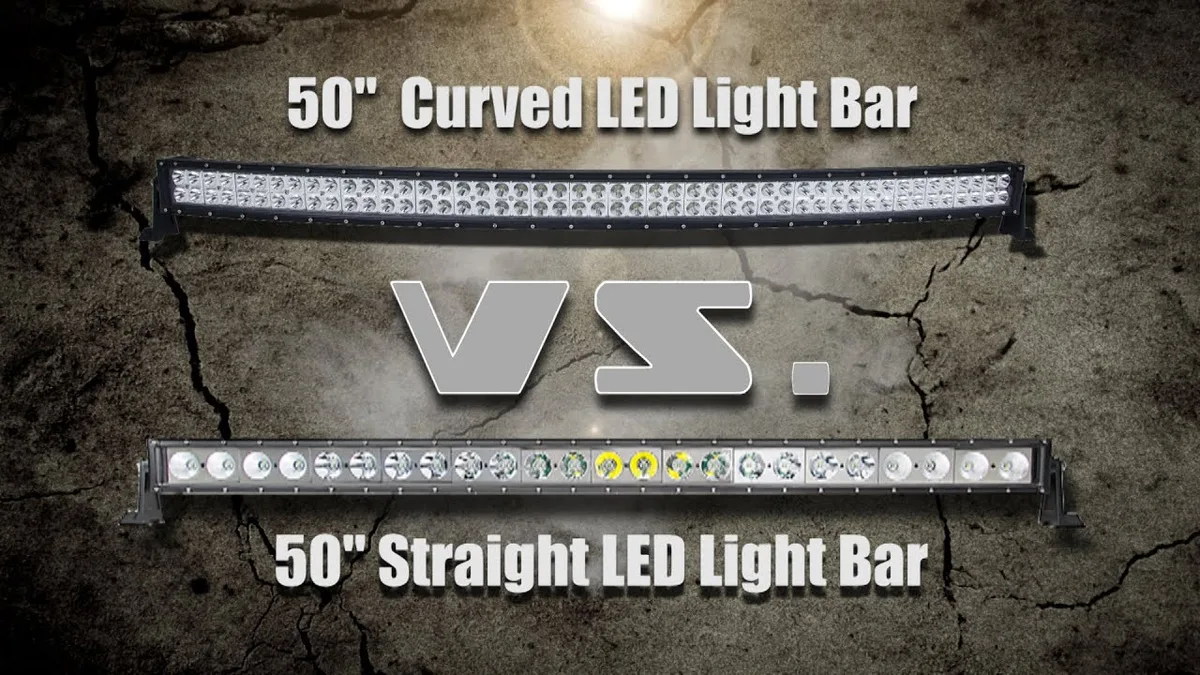
If you've bolted a 50-inch LED bar onto your truck, you've probably wondered whether it's legal to actually use it on Guam's highways. The truth is that Guam auxiliary lighting and off road light bar highway restrictions are stricter than most people expect, and the island's rules don't always match what you see in mainland U.S. forums.
Under Federal Motor Vehicle Safety Standard (FMVSS) 108, all auxiliary lighting sold in the U.S. must meet SAE J581 beam-pattern requirements. As of 2026, Guam still applies most of that federal framework to civilian vehicles. That means your light bar's brightness, mounting height, and even whether it needs a cover all become legal questions the moment you pull onto public asphalt.
YouTube / Super Bright LEDs (YouTube thumbnail (fair-use with source credit))
Quick Answer
On Guam highways, off-road light bars are generally illegal to use while driving on public roads. Auxiliary lamps must meet FMVSS 108 and SAE standards. Uncovered or excessively bright light bars can result in citations.
Covering your light bar and using it only off-road is the safest approach. Red, blue, or flashing lights are strictly prohibited on civilian vehicles.
Are Light Bars Legal on Guam Highways?
The short answer is no, not in the way most people hope. Guam's vehicle code treats auxiliary lamps like fog lights and driving lights as legal only when they're properly aimed, covered, and used within specific parameters. A 30-inch roof-mounted LED bar with exposed lenses is a ticket waiting to happen.
The legal distinction comes down to purpose. Off-road lights are exactly that: for off-road use. The moment you drive through a residential neighborhood or merge onto Route 1, those same lights become non-compliant equipment.
Officers in Guam are familiar with modified trucks, and they will stop you if your light bar is visibly uncovered or glaring.
That doesn't mean every auxiliary light is banned. Fog lamps aimed low and certified to SAE J583 are street-legal. Some driving lights that meet SAE J581 and stay within height limits can also pass inspection.
The problem is the massive light bars often sold in aftermarket shops. They exceed typical beam spread limits and produce too much glare for highway use.
If you're asking whether you can keep your light bar installed and drive legally, the answer is almost always yes, if you have a cover and keep it secured. The issue isn't ownership. It's operation.
Guam’s Auxiliary Lighting Laws: What’s Allowed and What’s Not
Guam doesn't have its own completely separate set of vehicle lighting regulations. As a U.S. territory, it follows FMVSS 108, which governs all original and auxiliary lighting on vehicles. The key legal terms are "compliant" and "non-compliant." A compliant auxiliary lamp has been tested and certified by the manufacturer to meet specific photometric standards.
YouTube / Philips Automotive Lighting Europe (YouTube thumbnail (fair-use with source credit))
What's allowed on Guam highways:
- Fog lamps that meet SAE J583 and are aimed below the horizontal plane
- Driving lamps that meet SAE J581 and are mounted below the headlamps
- Aftermarket bulbs that match original headlamp specifications
- Auxiliary lights that are covered when traveling on public roads
What's not allowed:
- Any auxiliary light that projects a colored beam other than white or amber
- Light bars mounted above the roofline while driving on highways
- Any lamp that creates excessive glare for oncoming drivers
- Red, blue, or flashing lights on non-emergency vehicles
The table below summarizes the difference between street-legal auxiliary lighting and off-road-only lighting on Guam.
| Type | Street-legal? | Condition |
|---|---|---|
| SAE J583 fog lamp | Yes | Aimed low, white or amber light |
| SAE J581 driving lamp | Yes | Mounted below headlamps, not glaring |
| Roof-mounted LED bar | No | Must be covered on public roads |
| Bumper-mounted LED bar | Sometimes | Only if SAE-compliant and not too bright |
| Off-road pod lights | No | Require covers on highways |
Off-Road vs. On-Road Rules for Light Bars in Guam
The easiest way to think about this is the trail-versus-tarmac distinction. On private property or designated off-road terrain, you can run your light bar at full blast. There are no restrictions on private land, because the vehicle isn't operating on a public highway.
Once you hit any public road, including unpaved village routes, all vehicle lighting must comply with federal standards. That means your light bar needs to be off, covered, or removed. Guam police have the authority to cite you for a non-compliant auxiliary lamp even in broad daylight if the cover is missing.
The visible presence of an exposed light bar is enough to draw attention.
There's also a nuance with "off-road use" covers. Some officers will accept a snap-on vinyl cover as compliance. Others might interpret the law strictly and cite the light bar regardless, since it's still mounted and visible.
Aggregate enforcement reports from local forums suggest outcomes vary by officer and district. That unpredictability is why many serious overlanders on Guam choose removable light bars or hood-mounted pods that sit below the headlight line.
Key Restrictions You Need to Know
Brightness, Color, and Placement Limits
There are three main restrictions that get people in trouble: brightness, color, and mounting height.
Brightness isn't measured in lumens under the law. It's measured in candela, which describes how intense the beam is in a specific direction. FMVSS 108 requires auxiliary high-beam lamps to fall within a certain intensity envelope.
Many consumer LED light bars exceed that envelope by a huge margin. A 120-watt bar can throw light far beyond what the standard allows, creating the blinding effect that triggers citations.
Color is simpler. Guam law mirrors federal regs here. Headlamps and auxiliary lamps must emit white or amber light.
Blue, green, red, or purple is an instant violation. Even a slight blue tint in a bright LED bar can draw a stop.
YouTube / Civil Dimensions (YouTube thumbnail (fair-use with source credit))
Placement matters just as much. Auxiliary lamps mounted above the front bumper and higher than the center of the headlamps are generally prohibited on public roads. That's why roof-mounted bars are the most common source of tickets.
They sit far above the legal cutoff and create glare over the full length of the hood.
When Covers Are Required
If your light bar is mounted, it needs a cover on public roads. That's the simplest rule to follow. A rigid snap-on cover, a soft neoprene sleeve, or a hard plastic shield all count.
What doesn't count is leaving the lens exposed and simply not turning the bar on.
Some aftermarket covers are flimsy and fly off at highway speed. Invest in a cover that secures with latches or screws. Losing a cover on the road isn't just an inconvenience.
It's a compliance failure that can land you a fine.
Why These Rules Exist (Safety & Legal Risks)
These restrictions aren't arbitrary bureaucracy. They're based on documented traffic safety data. Blinding glare from auxiliary lights is a known cause of nighttime crashes, especially on two-lane highways where oncoming drivers can't look away.
Guam's roads are narrow, often winding, and frequently unlit outside the main towns. A single driver with an unshielded 50-inch light bar can effectively blind everyone else in both directions.
There's also a practical issue with headlight height. High-mounted lights ruin the dark adaptation of other drivers. When a bright light hits the human eye, recovery takes several seconds.
At 35 miles per hour, that's more than 50 feet of uncontrolled travel. Add Guam's occasional heavy rain and wet pavement, and the stopping distance gets even worse.
Legal risks go beyond the ticket. If you're involved in an accident and an investigator determines your non-compliant lighting contributed to the collision, you can face civil liability. Insurance companies have denied claims based on illegal vehicle modifications.
That's a financial risk most people don't consider when they're picking out a light bar.
You can verify the current federal requirements directly through NHTSA's official site. For SAE testing standards, check the SAE International website.
Common Mistakes That Get You Fined
The most frequent violation is driving with an uncovered light bar. Many assume that turning it off is enough. It isn't.
The law considers the equipment itself, not just whether it's illuminated.
Another common error is mounting lights too high. A 20-inch bar on a lift kit can place the beam well above the legal cutoff. Even bumper-mounted pods can be problematic if they're angled upward.
Aiming is just as critical as placement.
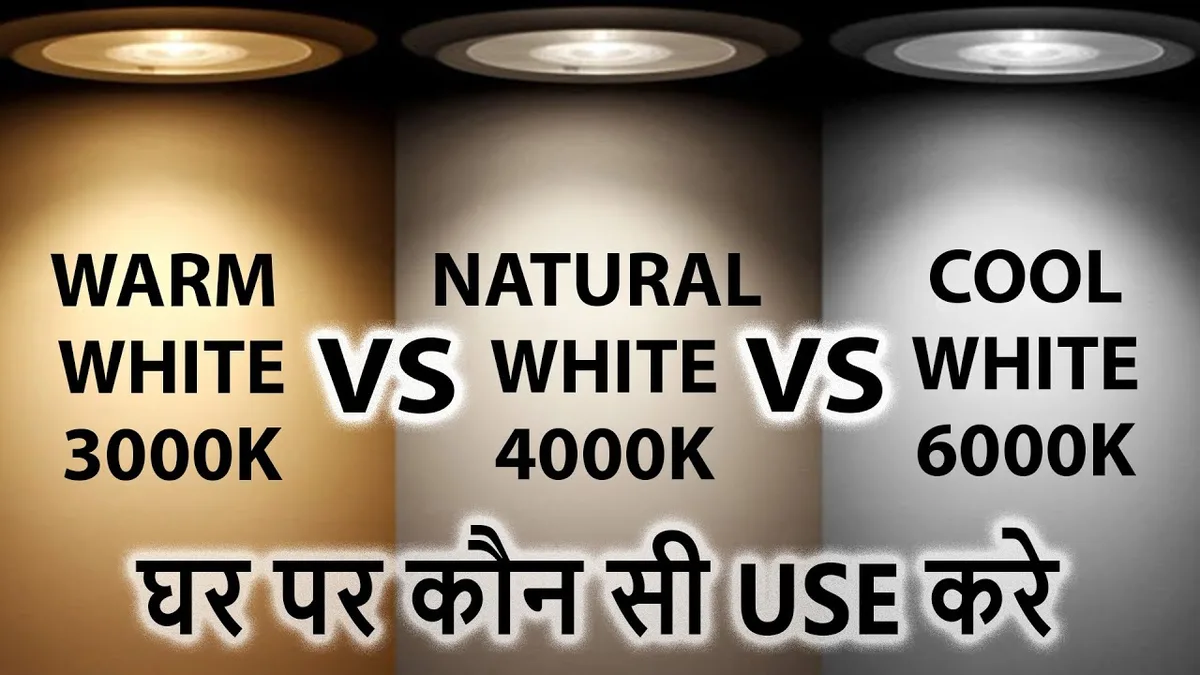
Color temperature mistakes trip up a lot of drivers. A 6000K LED bar looks crisp and modern, but it often emits a blue-ish tint that violates the white-only rule. Stick to 3000K-4300K for street use.
Many also overlook wiring compliance. Exposed or improperly fused auxiliary circuits can trigger a separate electrical violation. Guam inspectors will flag any wiring that looks unsafe or non-factory.
How to Check if Your Light Bar Is Street-Legal in Guam
Start with the certification mark. Look for a DOT or SAE stamp on the housing. If it's missing, the light isn't street-legal, period.
Next, measure the mounting height. The bottom of the light should be no higher than the top of your headlamps. Use a tape measure from the ground to the lowest point of the lens.
YouTube / Guangzhou Lebe Industrial Limited (YouTube thumbnail (fair-use with source credit))
Check the beam pattern. A proper driving light will have a sharp cutoff to prevent glare. Shine it at a wall from 25 feet away.
If the light spreads upward without a clear horizontal line, it's not compliant.
Finally, verify the color. White or amber are the only legal options. Any hint of blue, green, or red means it's for off-road use only.
Step-by-Step: Installing Light Bars the Right Way
Mounting Without Violating Height Rules
Choose a mount that keeps the light below headlamp level. Bumper mounts are the safest bet. Roof mounts work only if you use a low-profile bar and keep it covered on public roads.
Use vibration-resistant hardware. Guam's roads can be rough, and loose mounts can shift your light out of compliance. Stainless steel bolts and locking washers prevent movement over time.
Wiring for Safety and Compliance
Run a dedicated circuit with an inline fuse. Tap into the battery with a relay to handle the load. Avoid splicing into existing lighting circuits, which can overload them.
Use waterproof connectors. Guam's humid climate and salt air can corrode exposed wiring. Heat-shrink tubing adds extra protection.
Route wires away from hot or moving parts. Secure them with zip ties every 12-18 inches. This prevents chafing and potential shorts.
What Happens If You Break the Rules? (Fines & Enforcement)
Guam police can issue citations for non-compliant auxiliary lighting under the territory's vehicle code. The fine typically ranges from $50 to $200, depending on the officer's discretion and the severity of the violation.
YouTube / WKMG News 6 ClickOrlando (YouTube thumbnail (fair-use with source credit))
Repeat offenses can lead to higher penalties. If you're pulled over multiple times for the same issue, the fine may double. In extreme cases, you might be required to remove the equipment before the vehicle can be driven again.
Enforcement isn't consistent across the island. Some officers may give a warning for a first offense. Others will write a ticket immediately.
The safest approach is to assume every officer will enforce the law strictly.
Expert Tips to Stay Legal While Maximizing Visibility
Use a quick-release mount. This lets you remove the light bar entirely when driving on public roads. It's the most foolproof way to avoid any compliance issues.
If you prefer to keep the bar mounted, invest in a high-quality cover. Look for one that's UV-resistant and secures tightly. A loose cover can fly off and create a hazard.
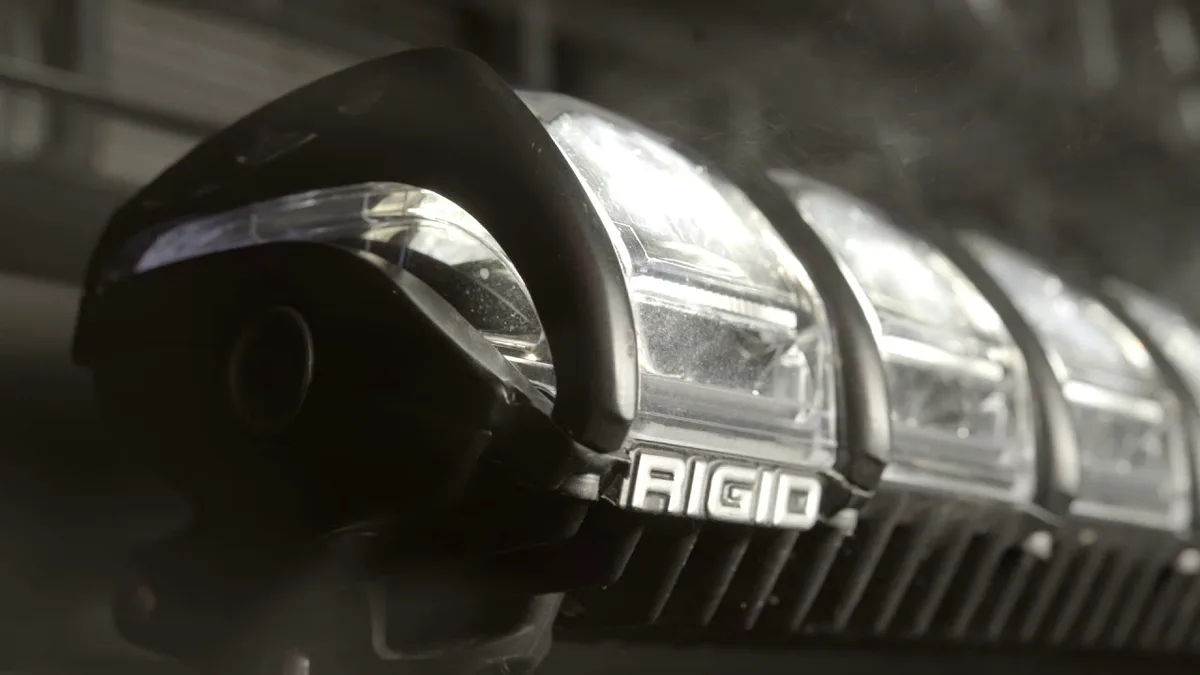
YouTube / RIGID Industries (YouTube thumbnail (fair-use with source credit))
Aim your lights properly even when off-road. A poorly aimed bar can blind other drivers on shared trails. Use a wall or flat surface to check the beam pattern before heading out.
Consider using separate lights for different purposes. A pair of SAE-compliant fog lights can handle highway use. Keep the big light bar reserved for off-road adventures.
Regularly check your setup. Vibration, weather, and time can all affect alignment and mounting. A quick inspection before each trip can prevent compliance issues down the road.
Best Light Bar Setups for Guam's Roads and Trails
If you split your lighting between street and trail use, the ideal setup is two separate systems. One for public roads that meets SAE standards. Another for off-road use that maximizes visibility on trails.
Street-Compliant Setup
For daily driving, install SAE J581 certified driving lamps or J583 fog lights. Mount them below the headlamp line, aimed downward. This gives you legal highway lighting without glare issues.
Pair these with your factory headlights and you're covered for Route 1 commuting.
Off-Road Setup
For trails like those near Ritidian or Inarajan, a 30- to 50-inch LED bar works well. Mount it on a removable rack or use a hidden hood mount. This keeps the bar out of sight when on public roads.
Pair it with pod lights on the bumper for wider flood coverage.
Hybrid Approach
Some drivers run a single lower-mount bar with a built-in cover. These sit below the headlamp line and can be covered when needed. They're less dramatic than roof bars but offer the best of both worlds.
This setup is ideal if you want one rig for everything.
Frequently Asked Questions
Can I run a light bar on Guam's highways?
No, not uncovered. Any auxiliary light bar must be covered or removed when driving on public roads. Only SAE-compliant fog lamps or driving lamps can be used openly on highways.
What happens if I get caught with an illegal light bar?
You'll likely receive a citation with a fine between $50 and $200. Repeat offenses can increase the penalty. An officer may also require you to cover or remove the light before you can continue driving.
What color LED light bars are legal in Guam?
Only white or amber light is legal for auxiliary driving lamps. Blue, green, red, or purple tints violate federal and Guam regulations. Even a slight blue hue at 6000K can trigger a citation.
How do I check if my light bar is SAE certified?
Look for the DOT or SAE stamp on the light housing. It will read something like "DOT/SAE J581" or "SAE J583." If there's no marking, the light is not street-legal.
Do I need a permit to install auxiliary lights in Guam?
No permit is required to install them. However, the lights must meet SAE standards to be legal on public roads. If they don't comply, you can be cited even if you installed them yourself.