ByMax Lee
Guam Trailer Towing Safety Chain & Lighting Rules
If you're hauling a trailer on Guam roads, getting your safety chains and lighting setup right isn't just about passing inspection, it's about making sure you and other drivers get home safely. The island's tropical conditions and heavy traffic around Naval Base Guam make proper towing equipment absolutely critical. We've researched the local requirements and federal standards to give you a clear picture of what's needed.
Guam follows federal Motor Vehicle Safety Standards while enforcing its own traffic codes under the Guam Code Annotated. Trailer safety chains must have a working load limit of at least half the trailer's gross vehicle weight rating. All trailers must have functioning brake lights, turn signals, and side markers visible from 500 feet.
Let's walk through exactly what you need to know.
Why Guam's Trailer Towing Safety Rules Matter
Towing a trailer in Guam comes with unique challenges. You're dealing with narrow village roads, heavy military and civilian traffic around bases, and monsoon rains that can make surfaces slick in minutes. The last thing anyone needs is a trailer detachment or blind-side lighting failure on the Route 1 corridor.
Proper safety chains prevent your trailer from hitting the road if the hitch fails. Functional lighting lets other drivers see your brake signals, which matters enormously when following distances are short in Agana Heights traffic. Our research into territorial traffic enforcement shows that non-compliant towing setups are among the most commonly cited violations during highway patrols.
YouTube / MB PERFORMANCE MARINE (YouTube thumbnail (fair-use with source credit))
The salt air accelerates corrosion on chains and connectors. Without regular maintenance, what looks fine today could fail tomorrow. Getting this right protects you from fines, ensures your vehicle passes inspection, and most importantly, keeps everyone safe on Guam's roads.
Quick Answer: Guam's Safety Chain & Lighting Requirements
Guam trailer towing safety chain and lighting equipment requirements follow federal standards adapted for local enforcement. Safety chains must cross under the coupler and support at least half the trailer's weight. All trailers need working tail lights, brake lights, and turn signals.
Side marker lights are required on trailers wider than 80 inches. Breakaway brakes are mandatory for trailers over 3,000 pounds.
Core Legal Requirements for Safety Chains in Guam
Safety chains are your backup if the hitch fails. Guam law requires at least two chains, properly rated and attached. Here's what matters most.
Chain Rating and Capacity
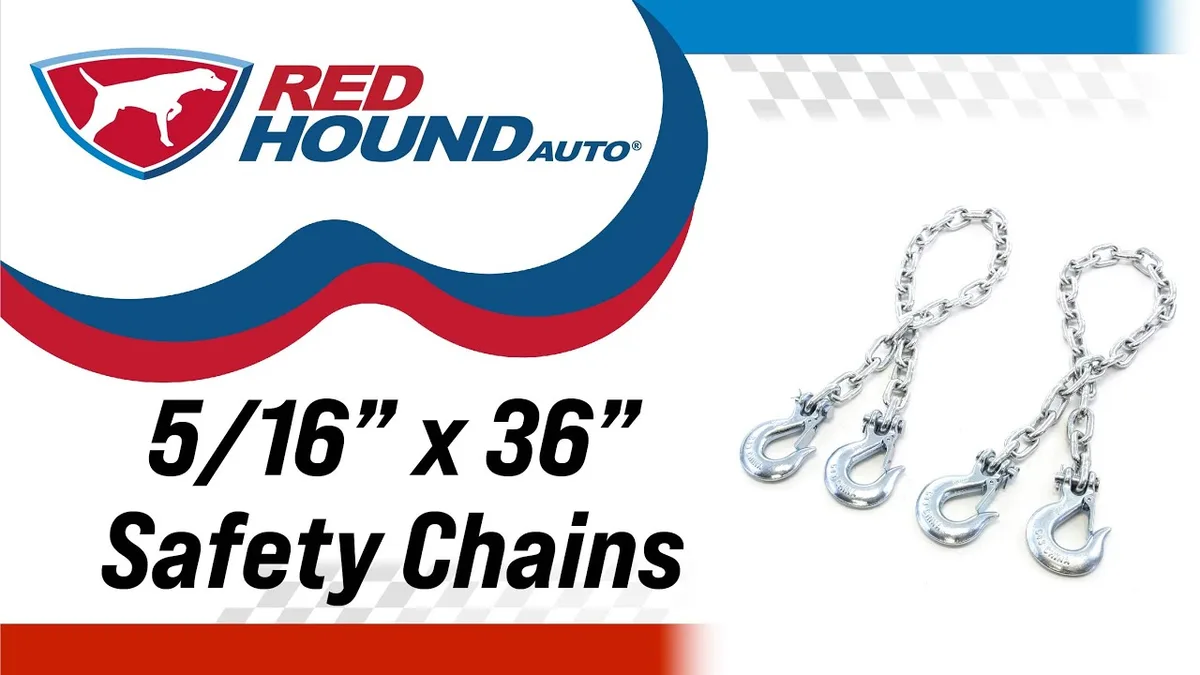
Your chains must handle significant force. Federal standards require each chain to support at least half the trailer's gross vehicle weight rating. If your trailer weighs 3,000 pounds, your chains need a combined working load limit of 1,500 pounds minimum.
YouTube / Red Hound Auto (YouTube thumbnail (fair-use with source credit))
Look for chains marked with their working load limit. Stainless steel or galvanized options resist Guam's salt air better than plain steel.
Proper Attachment Method
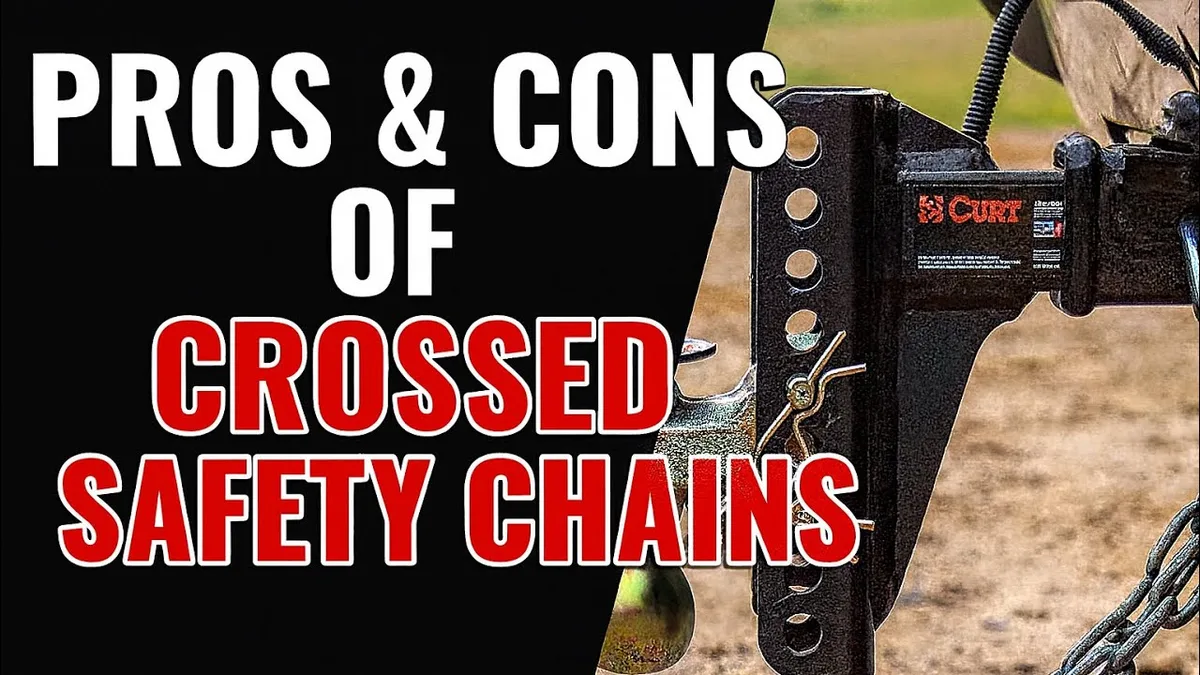
Cross your chains under the coupler in an X pattern. This creates a cradle that catches the tongue if the hitch fails. Don't let chains drag on the ground.
Adjust them so there's enough slack for turning but not so much that they touch the pavement.
Chain Hooks and Attachments
Use S-hooks or grab hooks rated for towing. Ensure hooks latch securely. Replace any chains with cracked, stretched, or corroded links.
Trailer Lighting & Reflector Standards You Must Follow
YouTube / KA (YouTube thumbnail (fair-use with source credit))
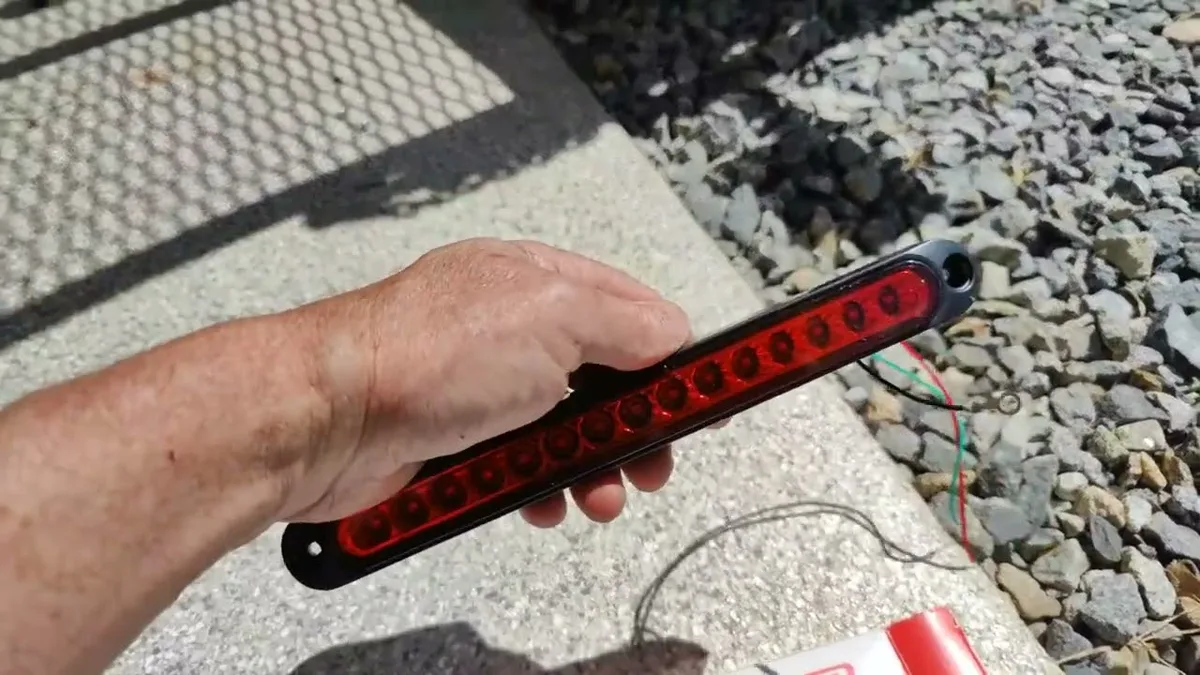
Lighting isn't optional. It's your primary communication tool with other drivers. Guam enforces federal lighting standards for all trailers.
Required Lights
Every trailer needs:
- Two tail lights (white reverse lights optional but recommended)
- Two brake lights (red, brighter than tail lights)
- Two turn signals (amber or red)
- A license plate light
- Side markers if the trailer exceeds 80 inches in width
Reflector Requirements
Red reflectors go on the rear. White or amber reflectors go on the sides. Reflectors must be visible from 600 feet when illuminated by low-beam headlights.
Connector Standards
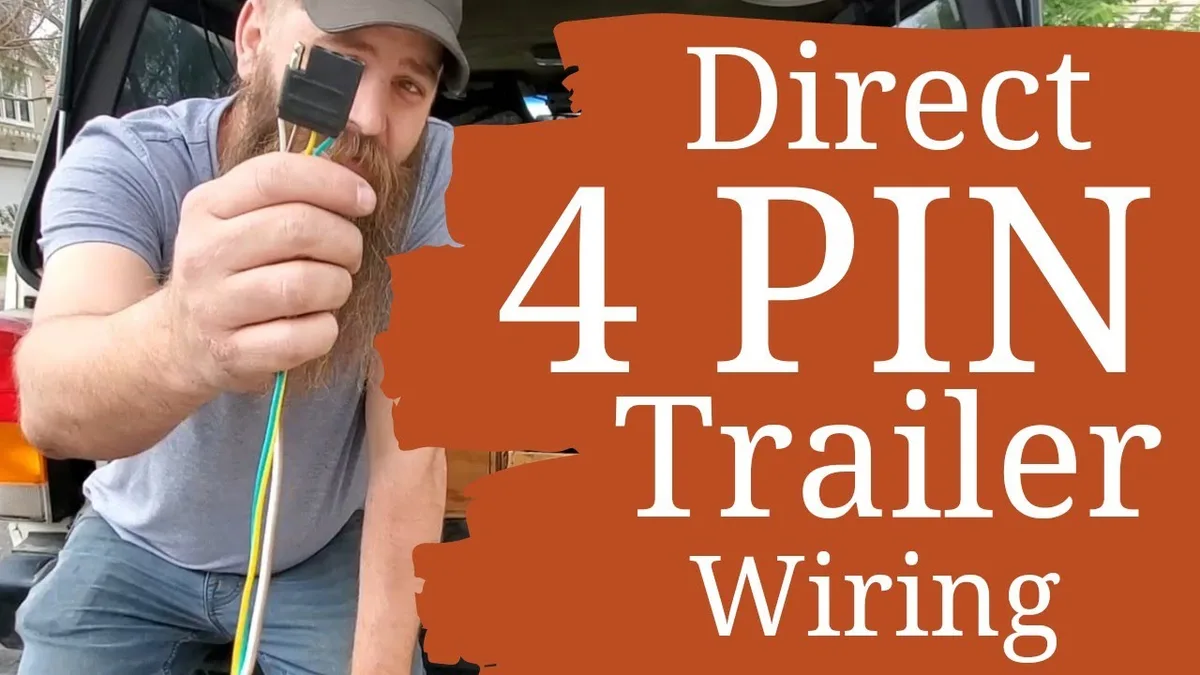
Most trailers use 4-pin or 7-pin connectors. A 4-pin handles basic lights. A 7-pin adds electric brake control and auxiliary power.
Match your connector to your tow vehicle and trailer needs.
Breakaway Systems & Emergency Brake Rules
Breakaway systems are non-negotiable for heavier trailers. If your trailer disconnects, this system applies the brakes automatically.
When Breakaway Brakes Are Required
Federal rules and Guam enforcement require breakaway brakes for trailers over 3,000 pounds GVWR. Many utility and boat trailers on Guam exceed this threshold.
How Breakaway Systems Work
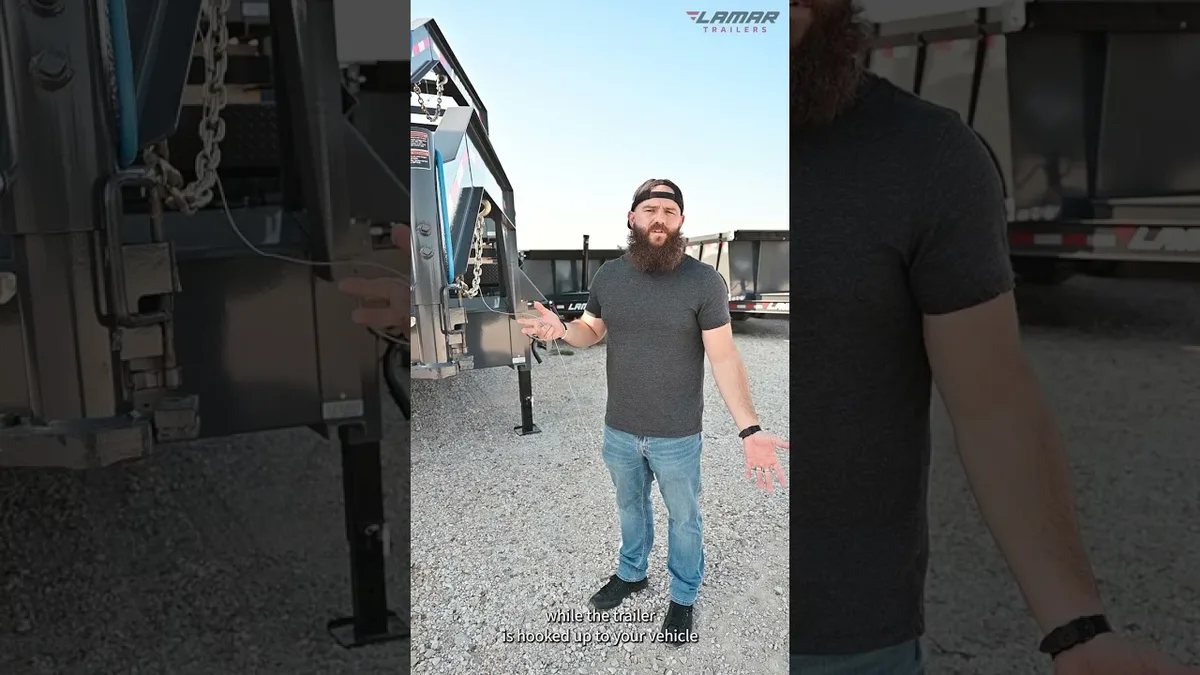
A breakaway switch detects when the trailer separates from the tow vehicle. It triggers a battery-powered actuator that applies the trailer brakes. The lanyard attaches to the tow vehicle frame, not the hitch.
YouTube / Lamar Trailers (YouTube thumbnail (fair-use with source credit))
Battery Maintenance
Check the breakaway battery regularly. A dead battery means no automatic braking if separation occurs. Replace batteries annually or when voltage drops below specification.
Wiring, Connectors, and Electrical Setup
Proper wiring prevents light failures and keeps your setup road-legal.
Connector Types
Four-pin connectors handle basic lighting. Seven-pin connectors add electric brakes and auxiliary power. Six-pin setups offer a middle ground.
Choose based on your trailer's needs and your tow vehicle's capabilities.
Wiring Protection
Route wires away from moving parts and sharp edges. Use loom or conduit for protection. Seal connections against moisture, especially important in Guam's humid climate.
YouTube / TX Tool Crib (YouTube thumbnail (fair-use with source credit))
Ground Connections
A poor ground causes flickering lights and brake signal failures. Clean connection points until you see bare metal. Use star washers under nuts to maintain contact.
Step-by-Step Pre-Tow Safety Checklist
Before you hit the road, run through this checklist. It takes five minutes and could prevent a disaster.
Before you hit the road, run through this checklist. It takes five minutes and could prevent a disaster.
Safety Chains
- Verify chains cross under the coupler
- Check working load limit meets requirements
- Ensure hooks latch securely
- Adjust slack so chains don't drag
Lighting Test
- Connect trailer to tow vehicle
- Test tail lights, brake lights, and turn signals
- Check license plate light
- Inspect side markers if equipped
- Verify all functions work from the driver's seat
YouTube / Garden Tractor Boy (YouTube thumbnail (fair-use with source credit))
Breakaway System
- Confirm lanyard attaches to tow vehicle frame
- Check battery charge
- Inspect switch for damage
- Test brake actuation if possible
Trailer Security
- Verify coupler latches on hitch ball
- Check tire pressure and condition
- Confirm load is distributed properly
- Ensure all cargo is secured
Final Verification
Walk around the trailer one more time. Look for anything loose, dragging, or unusual. Check that all lights are clean and visible.
If anything seems off, fix it before driving.
Common Mistakes That Get You Pulled Over
Even experienced towers make errors. Here are the most common violations on Guam roads.
Incorrect Chain Routing
Uncrossed chains won't catch the tongue if the hitch fails. Always form an X under the coupler.
Insufficient Chain Rating
Light chains snap under load. Match or exceed the required working load limit.
Faulty or Missing Lights
Blind drives at night are dangerous. Test all lights before every trip.
Poor Ground Connections
Flickering lights suggest grounding issues. Clean and secure all ground points.
Ignoring Breakaway Systems
Overweight trailers without breakaway brakes risk severe accidents. Comply with the 3,000-pound threshold.
Guam-Specific Challenges (Salt, Rain, and Inspections)
Guam's tropical climate creates unique towing challenges. Salt air accelerates corrosion. Heavy rains test your electrical connections.
Corrosion Prevention
Use galvanized or stainless chains. Apply dielectric grease to connectors. Rinse wiring harnesses after saltwater exposure.
Rain Readiness
Ensure brake lights and turn signals are bright enough to be seen through heavy rain. Replace any dim or flickering bulbs immediately. Clean light lenses regularly to maintain maximum brightness.
Inspection Timing
Schedule inspections during dry weather when possible. Wet connectors often fail inspection. Bring spare bulbs and fuses in case of minor issues.
Where to Get Compliant Gear on Guam
Finding the right parts locally saves time and shipping costs. Several reliable options exist across the island.
Local auto parts stores in Tamuning and Dededo stock basic chains, connectors, and bulbs. Call ahead to confirm inventory. Military exchanges offer competitive pricing for service members and authorized shoppers.
Marine supply shops specialize in saltwater-resistant equipment. They carry heavy-duty chains and sealed wiring harnesses. Online retailers provide wider selection but require planning for shipping delays.
What to Look For
Choose chains with clear working load limit markings. Verify the rating matches your trailer's GVWR. For connectors, match the pin count to your tow vehicle and trailer needs.
Maintenance to Keep Your Setup Legal & Safe
Guam's salt air and humidity attack towing equipment faster than in most places. Monthly checks prevent failures that could leave you stranded or ticketed.
Clean chains with fresh water after saltwater exposure. Dry them completely to prevent rust. Apply a light coating of grease to protect the metal.
Test all lights before every trip. Corrosion in connectors causes intermittent failures. Use dielectric grease on plug contacts to maintain conductivity.
Battery Care for Breakaway Systems
Check the breakaway battery voltage monthly. Replace it if it drops below 12 volts. A dead battery means no automatic braking if the trailer disconnects.
Store the trailer under cover when possible. UV exposure degrades plastic light housings. Cracked lenses let moisture in, causing electrical shorts.
When to Seek Help
Some problems require professional attention. Don't risk safety or legality by guessing.
If your trailer's wiring harness is damaged, have it repaired by a qualified technician. Improper repairs can cause shorts or fires. A professional can also verify your breakaway system functions correctly.
Signs You Need a Mechanic
Persistent light failures may indicate deeper electrical issues. Unusual noises from the trailer brakes suggest mechanical problems. Any uncertainty about chain ratings or hitch compatibility warrants expert advice.
Frequently Asked Questions
Do I need safety chains if my trailer has a breakaway system?
Yes. Safety chains and breakaway systems serve different purposes. Chains catch the trailer tongue if the hitch fails.
Breakaway systems apply brakes if separation occurs. Both are required.
How often should I replace trailer safety chains?
Replace chains showing cracks, excessive corrosion, or stretching. In Guam's salt air, inspect every three months. Replace any chains over five years old, even if they look fine.
What size safety chains do I need for a 2,000-pound trailer?
Chains must support at least 1,000 pounds combined. Use two 500-pound working load limit chains minimum. Heavier is better for safety margins.
Are LED trailer lights required in Guam?
No. Both LED and incandescent lights comply with standards. LED lights last longer and draw less power, making them popular choices for Guam trailers.
How do I test trailer lights without another vehicle?
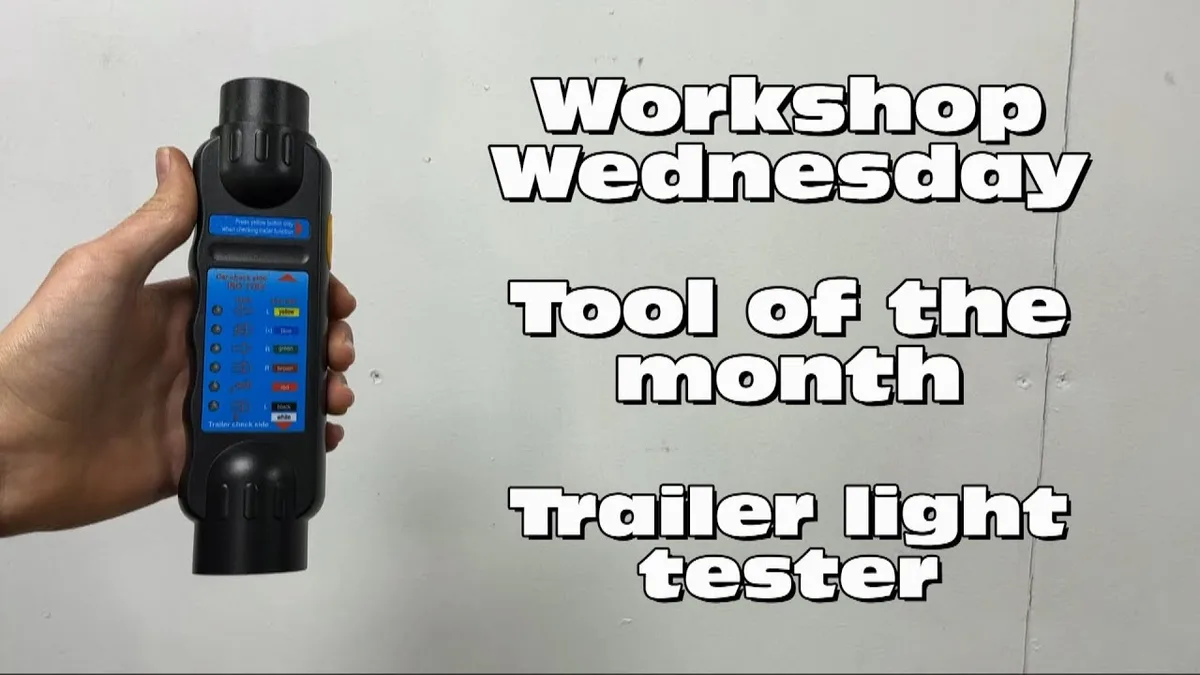
Use a 12-volt battery or dedicated trailer light tester. Connect to the trailer plug and activate each function. Check all lights respond correctly.
What happens if I fail a trailer inspection in Guam?
You must correct violations before the trailer can be legally towed. Minor issues like burnt bulbs can be fixed on-site. Major problems like broken chains require replacement before re-inspection.
Final Check: Are You Road-Ready?
Run through this final checklist before every trip. It takes minutes and prevents major problems.
Verify safety chains are crossed and secure. Test all lights, including brake and turn signals. Check the breakaway system battery and lanyard.
Ensure the coupler is locked on the hitch ball. Confirm tire pressure and condition. Double-check that all cargo is properly secured.
Guam's roads demand attention to detail. The tropical climate accelerates wear. Heavy traffic leaves little margin for error.
Taking these requirements seriously protects you, your trailer, and everyone sharing the road with you.