Nebraska farm tractor road use laws and flashing light requirements exist to keep you, your equipment, and other motorists safe on rural highways. These rules apply whenever you move agricultural machinery between fields using public roads. Violating them can lead to fines, accidents, or legal liability.
Per Nebraska Revised Statutes §60-6,260, 267, tractors must display a slow-moving vehicle emblem, amber flashing lights, and proper lighting at night. Speed limits generally cap at 25 mph on most roads. Understanding these requirements protects you from citations and keeps your operation compliant.
Quick Legal Answer
Nebraska farm tractor road use laws and flashing light requirements are defined by state statutes and DOT regulations. Farmers must equip tractors with SMV emblems, amber flashers, and nighttime lighting. Speed limits typically max out at 25 mph on public roads.
Fines for violations range from $25 to over $150 depending on the offense.
Core Farm Tractor Road Laws in Nebraska
Statutes and Legal Framework
Nebraska law specifically addresses agricultural equipment on public roadways. The primary statutes cover definitions, equipment requirements, and operational rules.
- Neb. Rev. Stat. §60-6,260: Defines farm machinery and establishes road-use privileges
- §60-6,261, 6,267: Outlines lighting, speed, and operational requirements
- NDOT Rule 251: Specifies vehicle equipment standards
- Federal overlap: Nebraska defers to FMVSS lighting standards where applicable
Who Must Comply and When
These laws apply to anyone operating farm machinery on public roads in Nebraska. Seasonal patterns drive enforcement intensity.
- Farm owners and operators: Moving tractors between fields via public roads
- Agricultural contractors: Transporting equipment across state and county roads
- Seasonal periods: Spring planting and fall harvest see increased road presence
- Location factors: Rural areas enforce differently than populated zones
The Nebraska State Patrol and local sheriffs handle enforcement. They focus on safety violations that create collision risks.
Lighting and Visibility Requirements
Daylight Requirements
Your tractor needs specific visibility equipment to operate safely during daytime hours.
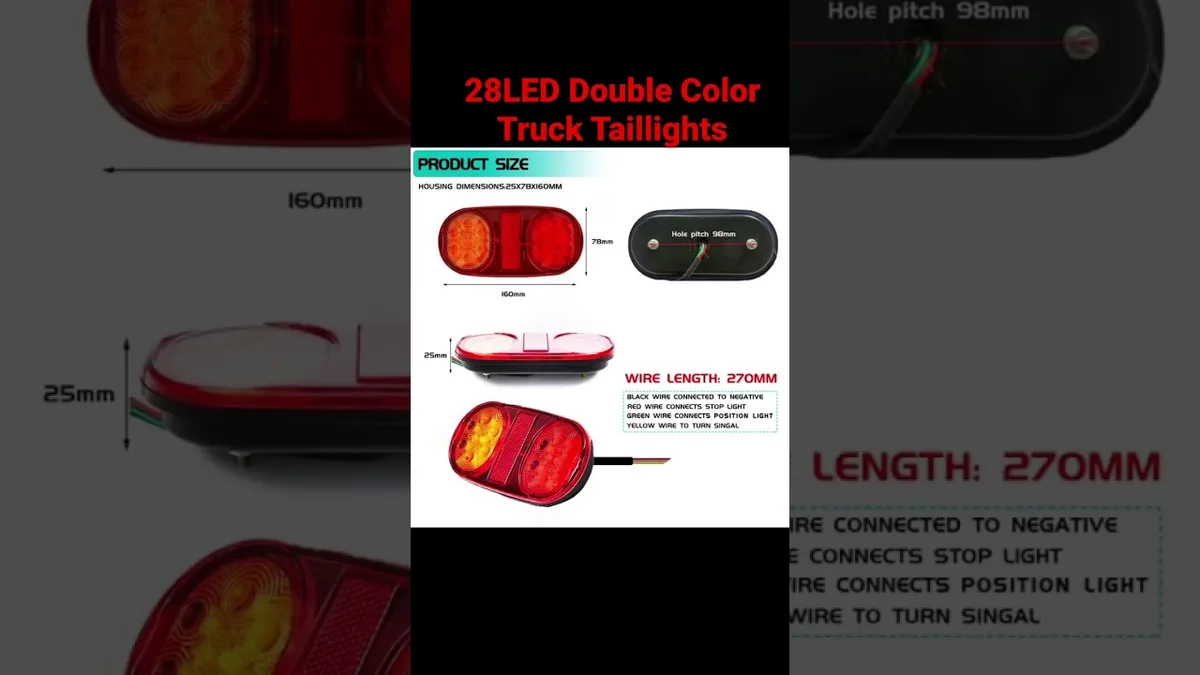
- SMV emblem: Must be 14 to 18 inches tall and mounted 2 to 6 feet above the road surface
- Amber flashing lights: Front and rear units must flash 60 to 90 times per minute
- Red reflectors: Rear reflectors must be visible from 500 feet
- Amber reflectors: Required on front and sides if equipment exceeds 80 inches wide
These specifications ensure other drivers can see your tractor from a safe distance.
Nighttime and Low-Visibility Requirements
Night operation adds additional lighting demands.
- White headlights: Mandatory for all road travel after sunset
- Red taillights: Must function and remain visible from 1,000 feet
- Flashing amber lights: Required during low-visibility conditions including fog and rain
- Reflectors: Must stay clean and unobstructed for maximum effectiveness
When visibility drops below 500 feet, all lighting systems become critical.
Equipment-Specific Rules
Mounted and towed implements have separate lighting obligations.
- Mounted implements: Require supplementary lighting if they extend beyond tractor width
- Towed machinery: Must have functional brake lights and turn signals if equipped
- Oversized loads: Need escort vehicles and warning lighting beyond standard requirements

Speed Limits and Road Restrictions
General Speed Limits
Farm tractors operate under specific speed constraints on Nebraska roads.
- Standard limit: 25 mph maximum for most farm tractors
- County variations: Some rural counties allow up to 30 mph on designated farm roads
- State highways: 25 mph maximum applies with no exceptions
Exceeding these limits creates safety hazards and legal violations.
Restricted Roads and Zones
Certain roadways prohibit or restrict farm tractor operation.
- Interstate highways: Generally prohibited for farm tractors
- Urban limits: Reduced speed zones apply within incorporated areas
- School zones: Extra caution required with potentially lower speed limits
- Bridges and narrow roads: Size and weight restrictions may apply
Always check local ordinances before transporting equipment through developed areas.

SMV Emblem Requirements
Placement and Specifications
The slow-moving vehicle emblem serves as your primary daytime identification.
- Height requirement: Mount the emblem 2 to 6 feet above the road surface
- Position: Center it on the rear of the tractor or towed implement
- Condition: Keep it clean, unobstructed, and clearly visible at all times
- Replacement: Replace immediately if damaged or faded
The emblem's retroreflective properties diminish over time.
Common Violations
Incorrect SMV emblem usage creates citation risks and safety concerns.
- Emblem missing: Operating without any SMV emblem on the rear
- Improper mounting: Placing it too high, too low, or at an angle
- Faded emblem: Using a worn emblem that fails to reflect light properly
- Obstructed view: Blocking the emblem with equipment or attachments
Common Citations and Fines
Lighting Violations
Missing or non-functional lights top the list of citations.
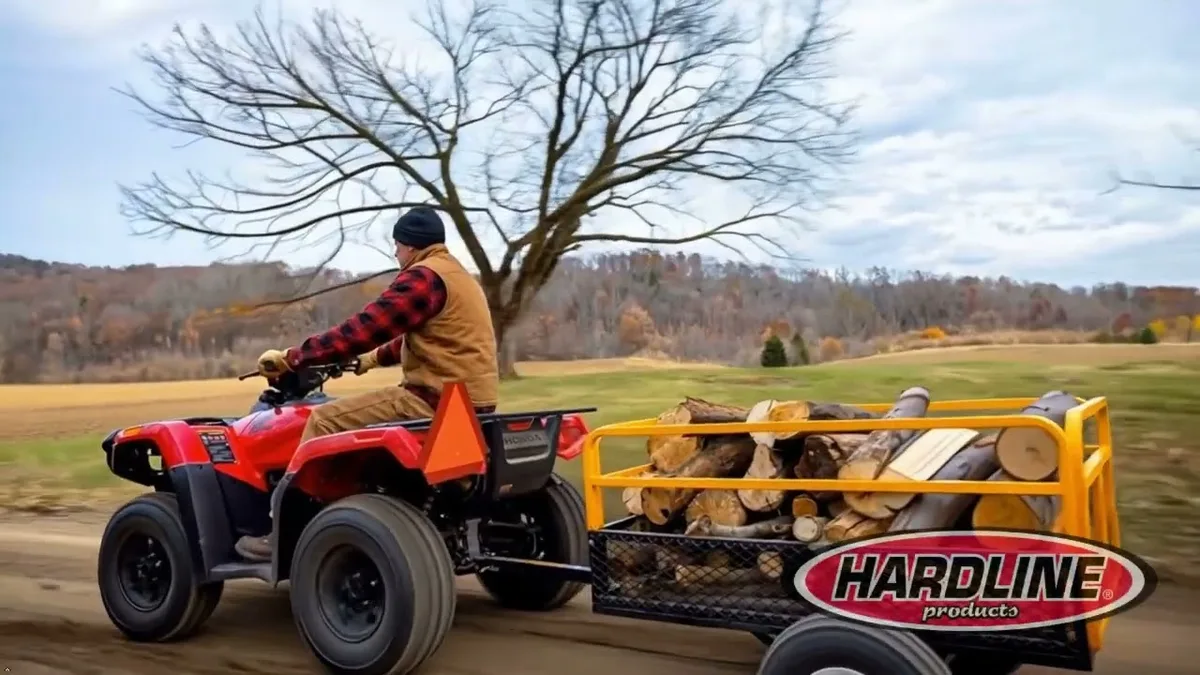
- Missing amber flashers: $50 to $100 fine per missing light
- Non-functional lights: $25 to $75 fine for each inoperative unit
- Improper SMV emblem: $50 fine for missing or incorrectly mounted emblem
Law enforcement typically issues warnings for first offenses.
Speed and Operation Violations
Exceeding speed limits or operating in restricted zones triggers citations.
- Exceeding 25 mph: $75 to $150 fine depending on the road type
- Driving on restricted roads: $100 to $200 fine for prohibited routes
- Unsafe load securement: $50 to $100 fine for improperly secured equipment
Speed violations often occur during harvest season.
Liability in Accidents
Non-compliance affects liability in collision cases.
- Civil penalties: Non-compliance can increase your liability percentage
- Insurance issues: Claims may be denied if equipment violated road laws
- Criminal charges: Rare but possible in cases of gross negligence
Documenting compliance protects you in accident investigations.
Seasonal and Field-to-Road Workflow
Pre-Road Checklist
A quick inspection prevents most violations.
- Inspect all lights: Test headlights, taillights, and amber flashers
- Verify SMV emblem: Ensure it's clean, centered, and properly mounted
- Check reflectors: Replace any damaged or faded units
- Secure implements: Confirm no overhang without proper marking
- Test brakes and signals: Verify functionality if equipped
This process takes five minutes.
Operating Best Practices
Safe operation protects you and other drivers.
- Avoid peak traffic: Travel during off-peak hours when possible
- Use hazard lights: Activate in low-visibility conditions or when stopping
- Pull over safely: Allow faster traffic to pass on narrow roads
- Signal turns early: Give drivers ample warning of your intentions
Rural roads often lack shoulders.
Maintenance Tips
Regular upkeep ensures compliance and safety.
- Monthly light checks: Test all lighting systems before use
- Annual emblem replacement: Replace if faded or damaged
- Winter preparation: Ensure lights function in cold, wet conditions
Corrosion affects electrical connections.
Transporting Implements on Public Roads
Width and Length Limits
Standard dimensions apply to most farm equipment.
- Standard width limit: 80 inches without special markings
- Oversized loads: Require escort vehicles and additional lighting
- Length restrictions: Vary by county, check local ordinances
Wide implements need extra visibility.
Permit Requirements
Special permits cover oversized or heavy loads.
- Special permits: Required for loads exceeding standard dimensions
- Application process: Through NDOT or county clerk's office
- Fee structure: Varies by size, route, and duration
Permit processing takes time.
Escort and Warning Vehicles
Oversized loads need additional safety measures.
- Required for oversized loads: Follow vehicle and lead vehicle
- Lighting requirements: Amber flashers on all escort vehicles
- Communication: Use radios or hand signals for coordination
Official DOT Resources and Verification
Nebraska Department of Transportation
NDOT provides official guidance on agricultural vehicle regulations.
- Vehicle equipment standards: NDOT Rule 251 covers all vehicle lighting and marking requirements
- Agricultural vehicle guidelines: Contact NDOT directly for specific questions
- Permit applications: Available online or through county offices
NDOT district offices offer technical guidance.
Legal Statutes
State laws define the framework for farm tractor road use.
- Nebraska Revised Statutes §60-6,260, 267: Full legal text for farm machinery on highways
- County ordinances: Check with local sheriff's office for variations
Legal language can be complex.
Enforcement Contacts
Law enforcement agencies handle compliance and citations.
- Nebraska State Patrol: Non-emergency lines for citation questions
- County sheriffs: Local enforcement and interpretation
- NDOT district offices: Technical guidance and clarification
Frequently Asked Questions
Are tractors street legal in Nebraska?
Yes, but only with proper lighting, SMV emblem, and adherence to speed limits. Nebraska law allows farm tractors on public roads when equipped according to state statutes.
What speed can a tractor legally drive on Nebraska roads?
Generally 25 mph, with some county variations up to 30 mph on designated farm roads. State highways maintain the 25 mph maximum for agricultural vehicles.
Do I need special permits for wide farm equipment?
Yes, if width exceeds 80 inches or length exceeds county limits. Permits require application through NDOT or your county clerk's office.
What happens if I'm cited for non-compliant lighting?
Fines range from $25 to $150 depending on the violation. Civil liability may increase in accident cases involving non-compliant equipment.
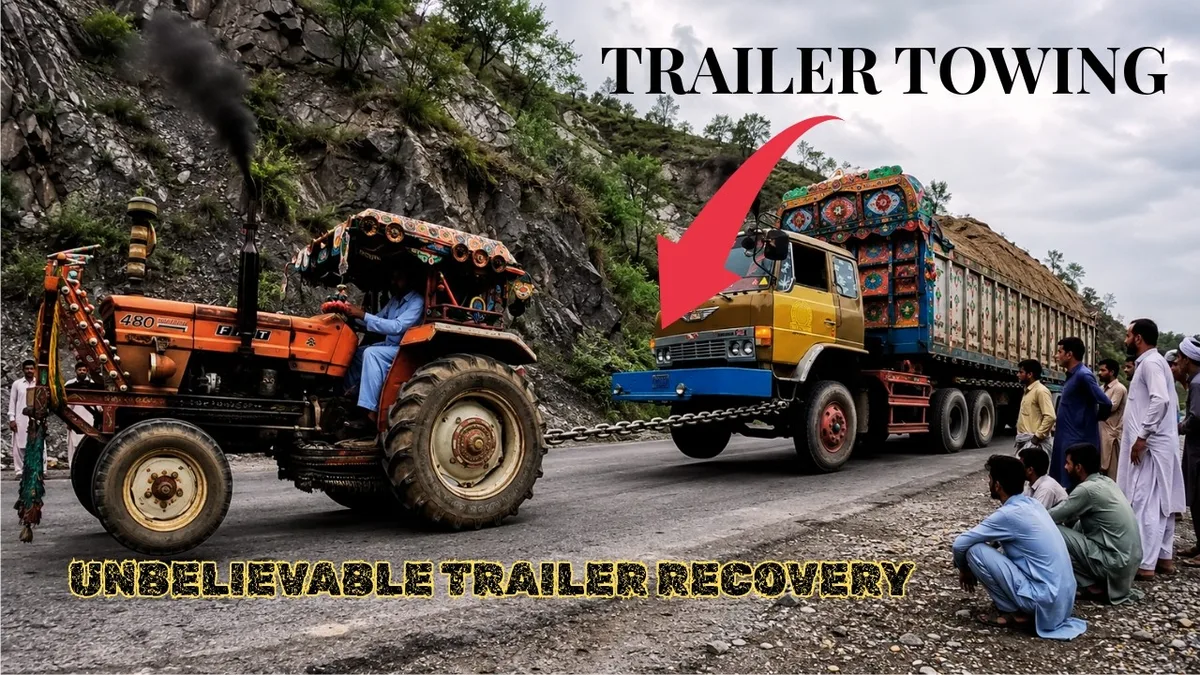
Can I tow a trailer behind a tractor on public roads?
Yes, if the trailer has working lights and does not exceed size limits. Additional lighting and marking may be required for oversized loads.
Are there exemptions for very small farms?
No general exemptions exist. All farm machinery on public roads must comply with Nebraska's equipment and lighting requirements.