Nebraska window tinting legal limits and 35 percent light transmission are strict, and getting it wrong can cost you. Nebraska requires all side and rear windows to allow at least 35% of light through, which means darker tints are illegal. This rule applies to most passenger vehicles, and enforcement can be inconsistent but real.
The law is clear: 35% visible light transmission (VLT) is the minimum for side and rear windows, while windshields have even tighter restrictions. As of 2026, Nebraska remains one of the stricter states for tinting, so understanding the specifics is key.
Quick Answer
Nebraska window tinting legal limits and 35 percent light transmission mean your side and rear windows must allow at least 35% of light through. Windshields cannot have aftermarket tint except for a top strip. Front side windows must also meet the 35% VLT rule.
Darker tints are illegal for most passenger vehicles.
Nebraska's Window Tint Law: What 35% VLT Actually Means
Visible light transmission (VLT) measures how much light passes through your window tint. A 35% VLT rating means 35% of outside light enters the car, while 65% is blocked. This is the legal minimum for all side and rear windows in Nebraska.
Many drivers confuse tint darkness with VLT percentage. A "35% tint" often refers to the film's darkness, but in legal terms, it's the VLT that matters. Nebraska's law is based on VLT, not the film's shade name.
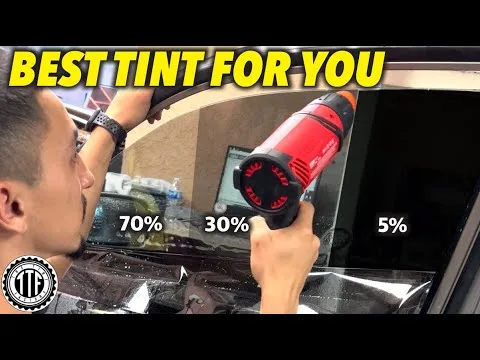
Manufacturer specs confirm that films labeled "35%" typically meet the 35% VLT requirement. However, always verify with a tint meter, as some aftermarket films may not match their advertised ratings.
Which Windows Have the 35% Rule (and Which Don't)
The 35% VLT rule applies to all side windows (front and rear) and the rear window. This includes both the driver and passenger side windows, as well as the back glass.
Windshields are the exception. Nebraska law prohibits aftermarket tint on the entire windshield, though a top visor strip is allowed. This strip is usually 4-6 inches tall and does not extend into the driver's line of sight.
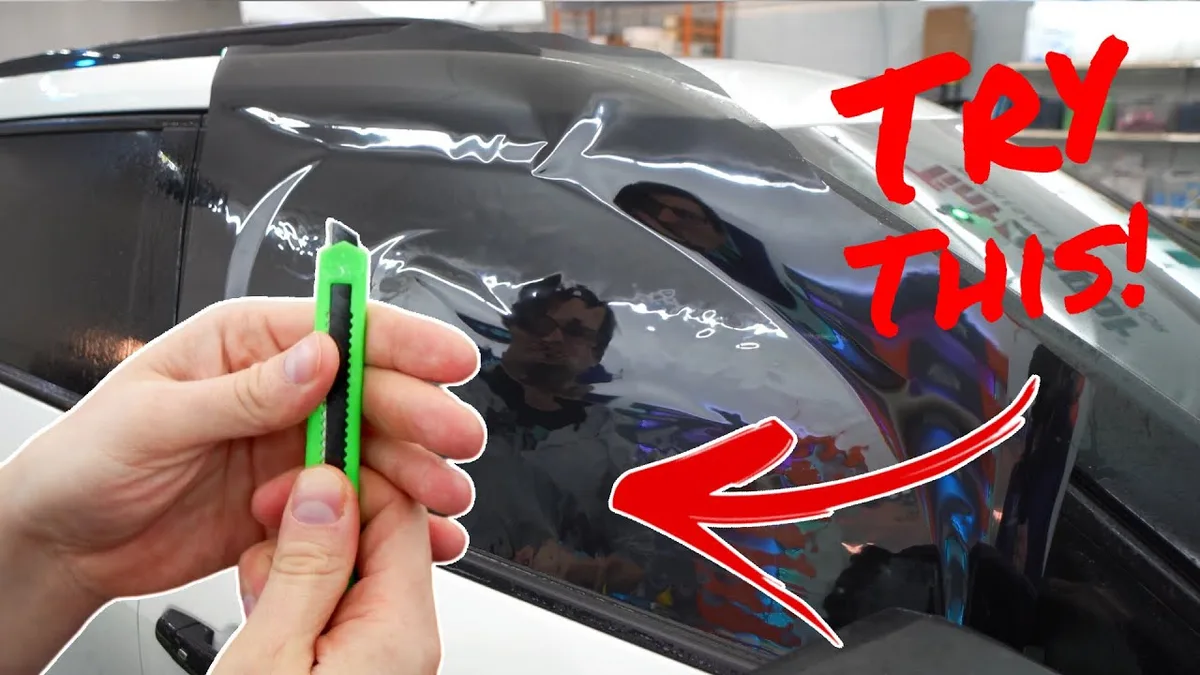
For vehicles like limousines or certain fleet vehicles, exemptions may apply. However, standard passenger cars, trucks, and SUVs must follow the 35% rule for all side and rear windows.
Windshield Tint: The One Place 35% Doesn't Apply
Nebraska's windshield tint law is straightforward: no aftermarket tint is allowed on the main windshield area. The only exception is a non-reflective tint strip along the top, which must not obstruct the driver's view.
This rule is stricter than many other states, where full windshield tinting may be permitted with certain VLT ratings. In Nebraska, even a clear or lightly tinted windshield film is illegal if it covers the entire glass.
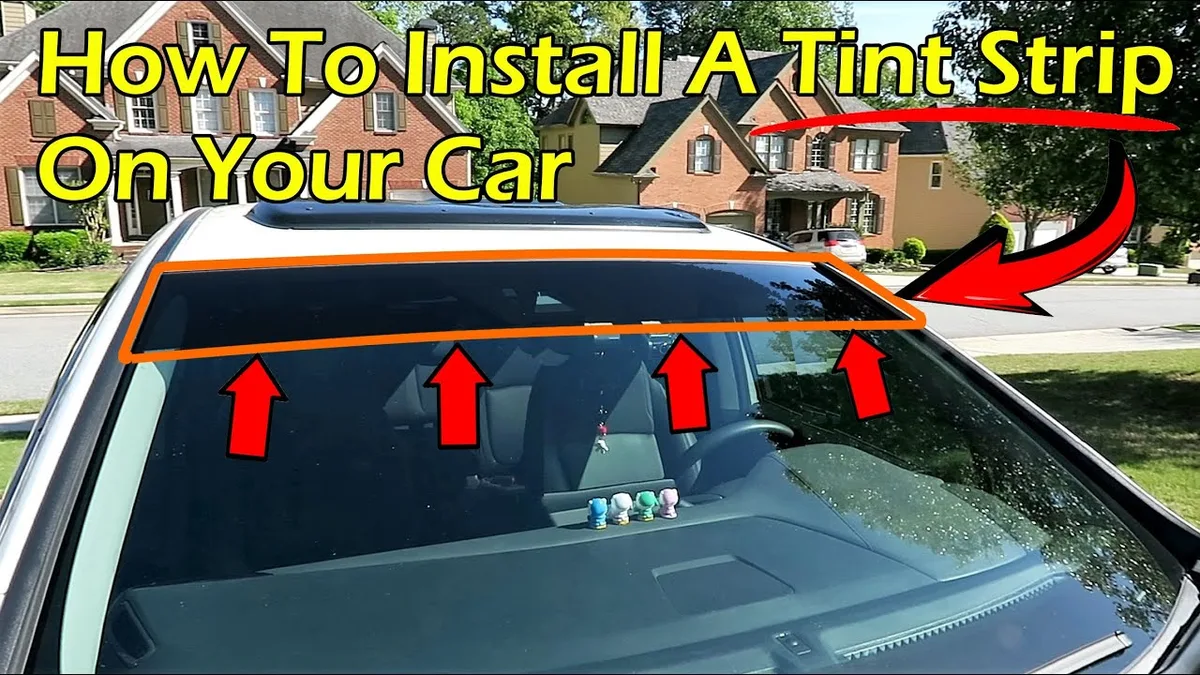
Enforcement often focuses on windshield tinting because it directly impacts driver visibility. If your windshield has any aftermarket tint beyond the top strip, you risk a citation.
How to Check if Your Tint Is Legal Before You Buy
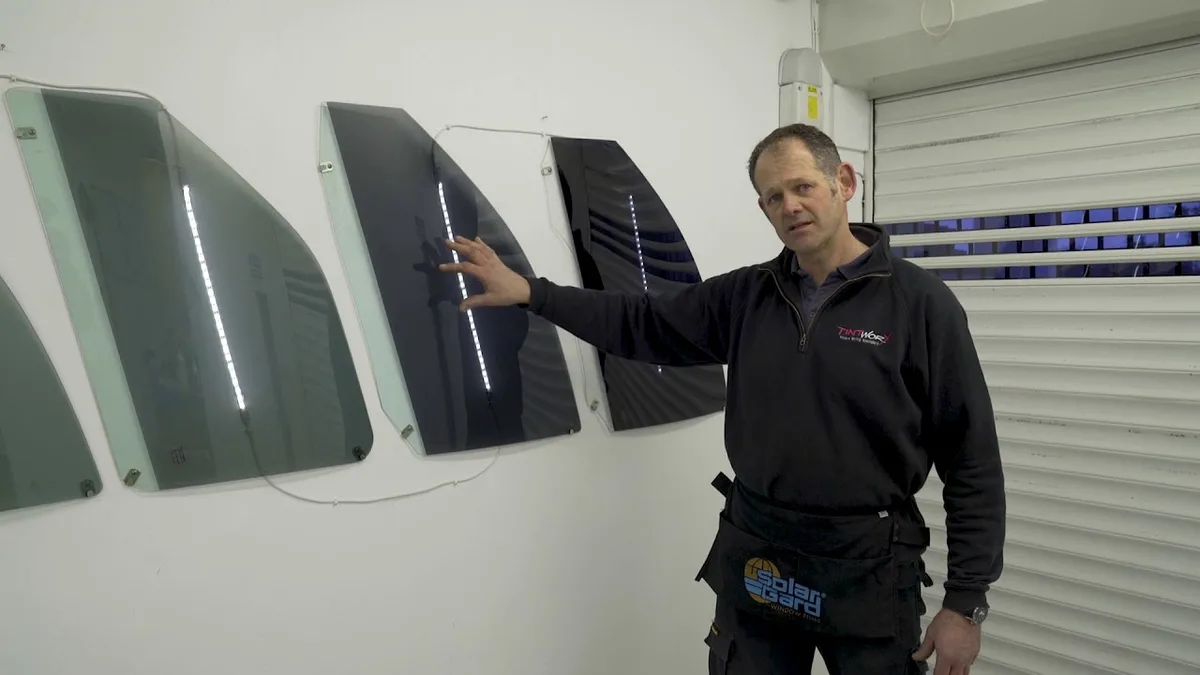
The only reliable way to confirm your tint meets Nebraska's 35% VLT requirement is with a tint meter. These devices measure the actual light transmission through your windows, ensuring compliance with state law.
Many tint shops use meters to verify their work, but it's wise to ask for a demonstration. If you're buying a used car with tinted windows, bring a meter to check before purchasing. Manufacturer specs can be misleading, as real-world application may differ.
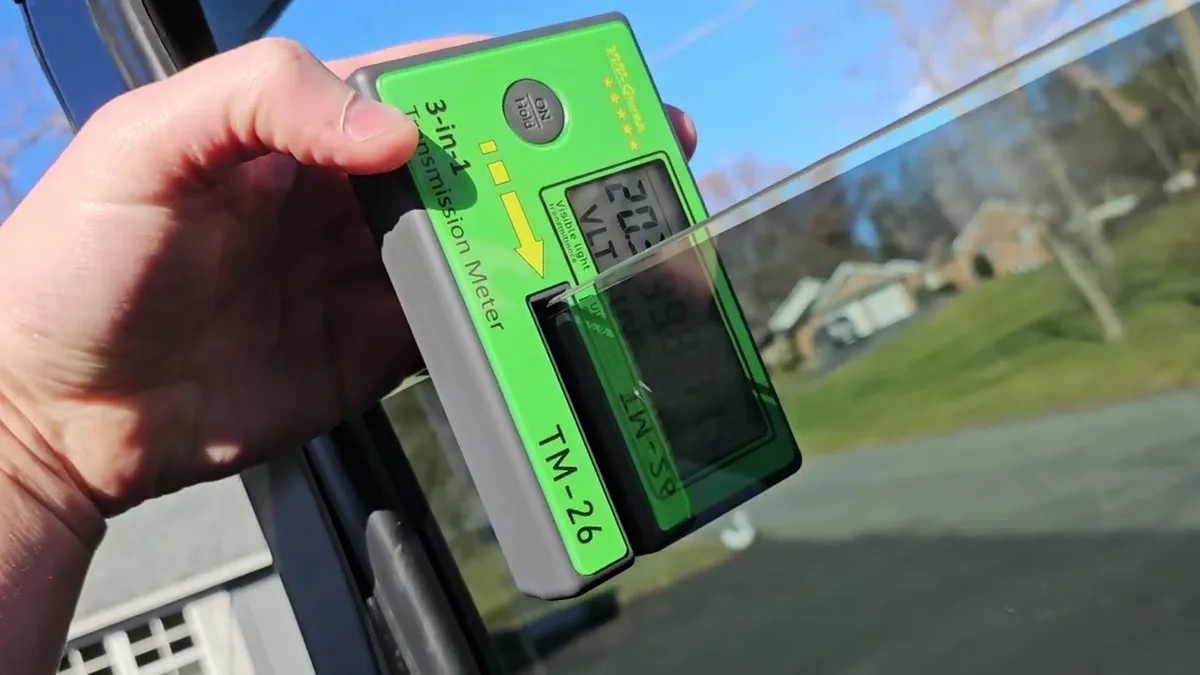
If your tint fails the meter test, you'll need to remove it to avoid fines. Some shops offer tint removal services, but it's easier to get it right the first time. Per Nebraska Department of Motor Vehicles guidelines, non-compliant tint must be corrected before passing vehicle inspection.
What Happens If Your Tint Is Too Dark in Nebraska
You'll get a fix-it ticket if your tint fails inspection or a traffic stop. The citation typically requires you to remove or replace the illegal tint within a set period, often 10 to 30 days.
Fines vary by jurisdiction but usually start around $50 to $100. If you don't correct the issue, the fine can increase, and your vehicle may fail its next inspection. Some officers may measure your tint on the spot with a meter.
Repeated violations can lead to higher penalties or even court appearances. Nebraska State Patrol and local law enforcement both enforce tint laws, so compliance is non-negotiable.
How to Stay Legal: Step-by-Step Before and After Tinting
Start by confirming the VLT rating of your chosen film. Ask the installer for the manufacturer's spec sheet and verify it meets Nebraska's 35% minimum.
Next, have the installer use a tint meter to test the windows after application. This ensures the actual VLT matches the advertised rating. Keep the receipt and VLT certification in case of future inspections.
Finally, avoid any aftermarket tint on the windshield beyond the top strip. If you're unsure, stick to factory-tinted glass, which is often legal as long as it meets VLT requirements.
Nebraska vs. Neighboring States: Why 35% Matters Here
Nebraska's 35% VLT rule is stricter than many neighboring states. Iowa allows 70% VLT on front side windows, while Missouri permits 35% on front sides but has no restriction on rear windows.
Kansas and South Dakota both allow darker tints on rear windows, making Nebraska's uniform 35% rule stand out. This consistency simplifies enforcement but limits driver options.
If you frequently drive across state lines, check local laws before tinting. What's legal in Nebraska may not be in the next state over.
Common Mistakes That Get Nebraska Drivers Fined
Assuming "35% tint" means 35% VLT is a common error. Some films labeled "35%" may actually block more light than allowed, leading to non-compliance.
Another mistake is tinting the entire windshield. Even a light tint can trigger a citation if it covers the main viewing area. Stick to the top strip only.
Finally, relying on the installer's word without verification is risky. Always ask for a tint meter test and documentation to confirm legality.
Where to Get Reliable, Legal Tint in Nebraska
Reputable tint shops in Nebraska will know the state's 35% VLT requirement and use compliant films. Look for installers who provide VLT certification and offer a warranty on their work.
Avoid shops that push darker tints or downplay the legal risks. A good installer will measure your windows before and after tinting to ensure compliance.
Check online reviews for mentions of legal compliance and customer satisfaction. Aggregate feedback often highlights shops that prioritize following Nebraska's tint laws.
Who Can Get Darker Tint (Medical and Vehicle Exemptions)
Nebraska does allow medical exemptions for darker window tint. These require a doctor's prescription stating the need for increased UV protection or light sensitivity reduction.
The exemption must be carried in the vehicle at all times. Without it, even medically necessary tint can result in a citation. The prescription should specify the required VLT percentage.
Certain vehicles like limousines and some commercial fleet vehicles may qualify for exemptions. However, standard passenger vehicles must adhere to the 35% rule unless a valid exemption is in place.
Reflectivity, Film Type, and Other Legal Limits in Nebraska
Nebraska also regulates tint reflectivity. The law caps reflectivity at 20% for all windows. This prevents overly mirror-like finishes that can distract other drivers.
Film type matters too. Ceramic and carbon films often meet legal standards while providing better heat rejection. Dyed films are cheaper but may fade over time.
Always confirm that your chosen film complies with both VLT and reflectivity limits. Non-compliant films can lead to the same penalties as illegal darkness levels.
How Tint Darkness Works (and Why "35%" Is Misunderstood)
The percentage on tint film labels can be confusing. A "35% tint" usually refers to the film's darkness, not its VLT rating. In Nebraska, the VLT rating is what counts for legality.
For example, a film labeled "20% tint" might actually block 80% of light, making it illegal in Nebraska. Always check the VLT rating, not just the tint percentage.
Manufacturer specs should clearly state the VLT rating. If they don't, ask the installer for clarification before proceeding.
Frequently Asked Questions
Is 20% tint legal in Nebraska?
No. Nebraska requires at least 35% VLT for all side and rear windows. A 20% tint would block 80% of light, making it illegal.
Can I tint my windshield in Nebraska?
Only a non-reflective tint strip along the top of the windshield is allowed. Full windshield tinting is prohibited.
What's the penalty for illegal tint in Nebraska?
You'll typically receive a fix-it ticket requiring you to remove or replace the tint. Fines start around $50 to $100 and can increase for repeated violations.
Do medical exemptions allow darker tint?
Yes, but they require a doctor's prescription specifying the need. The exemption must be carried in the vehicle at all times.
How do I check if my tint is legal?
Use a tint meter to measure the VLT of your windows. This is the only reliable way to confirm compliance with Nebraska's 35% rule.