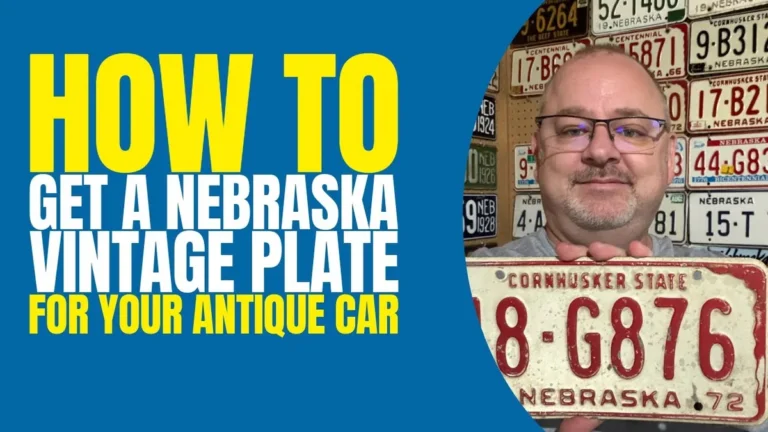
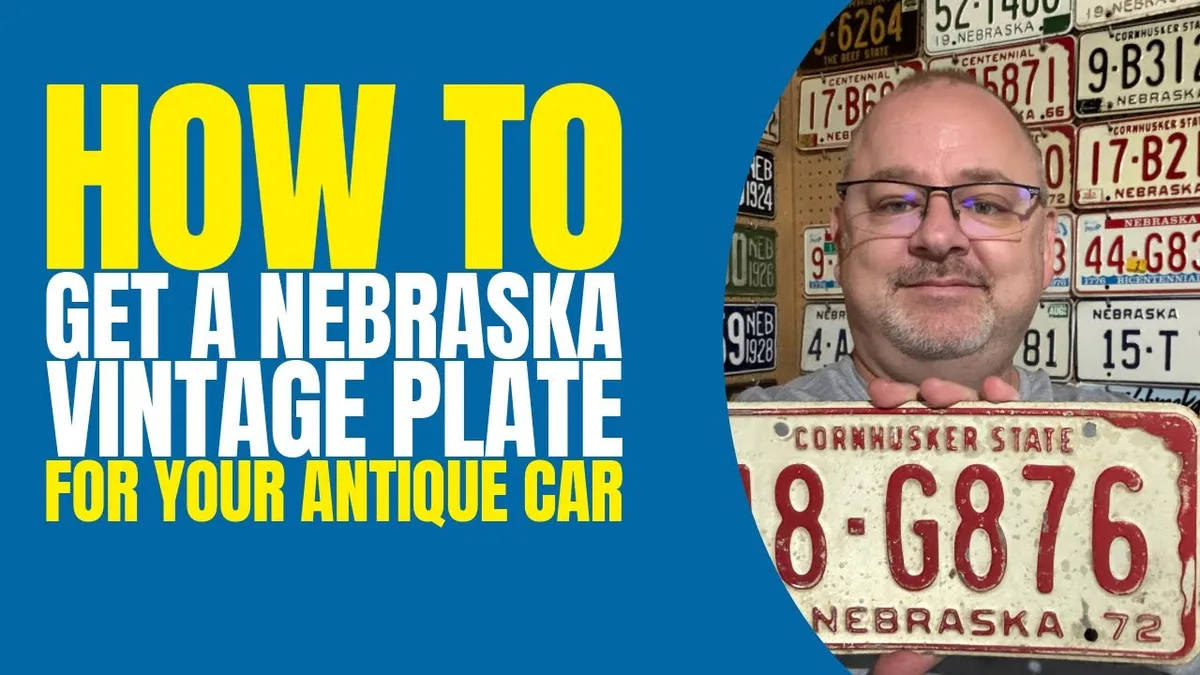
Nebraska antique vehicle registration for cars 25 years and older is simpler than most people think. If your car was built in 1999 or earlier, it likely qualifies for antique plates, which come with lower fees and fewer restrictions. The process is straightforward, but you’ll need to follow Nebraska’s specific rules to avoid delays.
As of 2026, the state defines antique vehicles as those at least 25 years old, and the registration process is handled at the county level. The key is gathering the right documents and understanding the limited-use requirements.
Quick Answer
Nebraska antique vehicle registration for cars 25 years and older applies to vehicles from 1999 or earlier. You’ll register through your local County Treasurer’s Office. The process requires proof of ownership and a completed application.
Fees are typically lower than standard registration.
How Nebraska Defines an Antique Vehicle
Nebraska classifies a vehicle as antique if it’s 25 years or older. This means any car manufactured in 1999 or earlier qualifies as of 2026. The state doesn’t require the vehicle to be in original condition, but it must be maintained for historical interest.
The definition is clear: age is the primary factor. Modified vehicles can still qualify, but they must retain their historical character.
What You’ll Need to Register Your Antique Car
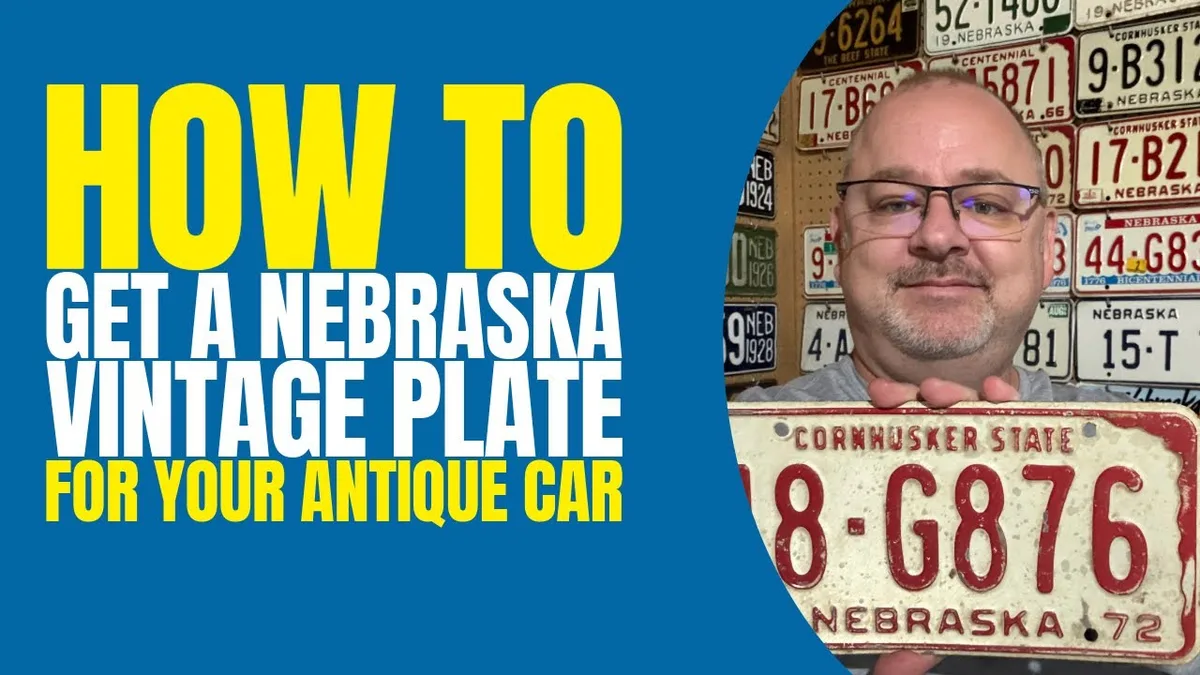
To register, you’ll need a few key documents. Start with the vehicle title, which proves ownership. If you don’t have the title, you’ll need a bonded title or court order establishing ownership.
You’ll also need to complete the Application for Certificate of Title (Form RV-707). Some counties may require a VIN verification, especially for out-of-state vehicles. Proof of insurance is mandatory, even for antique plates.

Step-by-Step: Registering a 25+ Year-Old Car in Nebraska
The process starts at your local County Treasurer’s Office, not the DMV. Bring your title, completed application, and proof of insurance. If your vehicle is from out of state, a VIN inspection may be required.
Fees vary by county but are typically between $10 and $30. Processing is usually quick, often same-day. Once approved, you’ll receive your antique plates and registration.
County Treasurer vs. DMV—Where to Go
Nebraska handles antique vehicle registration at the county level. Your first stop is the County Treasurer’s Office in the county where you reside. The DMV provides forms and guidance, but the Treasurer’s Office processes the registration.
If you’re unsure where to go, check your county’s website or call ahead. Some counties have dedicated vehicle registration counters, while others handle it at the general treasurer’s desk.
Can You Drive an Antique Car Daily in Nebraska?
Antique plates are not intended for daily use. Nebraska restricts antique vehicles to occasional use, such as car shows, parades, and personal enjoyment. Daily commuting or regular errands are typically prohibited.
If you plan to drive your antique car frequently, standard registration may be a better option. Violating the limited-use rule can result in fines or registration revocation.
Common Mistakes That Delay or Deny Registration
Missing paperwork is the top reason applications get rejected. Without a clear title or proof of ownership, the county can’t process your request. Even a small error on the application form can cause delays.
Another common issue is failing to meet the age requirement. If your car is a 2000 model, it won’t qualify until 2026. Some owners also assume modifications disqualify their vehicle, but Nebraska allows restorations as long as the car retains its historical nature.
Antique Plates vs. Standard Registration: What’s the Difference?
| Feature | Antique Plates | Standard Registration |
|---|---|---|
| Cost | $10–$30 | Higher, varies by vehicle |
| Renewal | Often permanent or multi-year | Annual |
| Use Restrictions | Limited to shows, parades, occasional use | No restrictions |
| Inspection Requirements | None in most cases | May require emissions/safety inspections |
Antique plates cost less and often come with fewer requirements. Standard registration is better for daily drivers.
Insurance Requirements for Nebraska Antique Vehicles
Nebraska requires proof of insurance for antique vehicles, just like standard cars. The minimum liability coverage must meet state requirements. Some insurers offer specialized classic car policies with lower premiums.
These policies often include agreed-value coverage, which pays a set amount if the car is totaled. Standard auto insurance may not cover the full value of a restored antique.
Out-of-State Antique Cars: Transferring Registration to Nebraska
If your antique car is titled in another state, you’ll need a VIN verification. Nebraska doesn’t recognize all out-of-state antique classifications. You may need to re-register it under Nebraska’s rules.
Bring your out-of-state title, proof of insurance, and a completed application. Some counties require an inspection to confirm the vehicle meets Nebraska’s definition of an antique.
Modifications and Restorations: Do They Affect Eligibility?
Nebraska allows modifications as long as the vehicle keeps its historical character. Engine swaps, custom paint, or interior upgrades won’t automatically disqualify it. The key is maintaining the car’s antique identity.
If the modifications change the vehicle’s fundamental nature, it may no longer qualify. For example, converting a classic car into a hot rod could affect eligibility.
Final Checklist Before You Apply
Double check your vehicle’s model year. It must be 1999 or older to qualify as of 2026. Confirm you have the title in your name or proper ownership documents.
Gather your completed Form RV-707 and proof of insurance. Some counties require a VIN inspection, so call ahead. Bring payment for the registration fee, which is typically $10 to $30.
FAQs About Nebraska Antique Vehicle Registration
Does Nebraska require emissions testing for antique cars?
No. Antique vehicles are exempt from emissions testing in Nebraska. This is one of the benefits of registering your car as an antique.
Can I use antique plates on a daily driver?
No. Antique plates are for limited use only, such as car shows and occasional pleasure driving. Daily commuting is not allowed.
What if my antique car doesn’t have a title?
You’ll need to apply for a bonded title or provide a court order establishing ownership. Without proper documentation, the county cannot process your registration.
How much does antique vehicle registration cost in Nebraska?
Fees vary by county but are generally between $10 and $30. This is often lower than standard registration fees.
Can I register an antique car with a salvaged title?
Yes, but the vehicle must still meet Nebraska’s antique definition. The salvaged title status doesn’t automatically disqualify it. Check with your county for specific requirements.
Do I need special insurance for an antique car?
Standard liability insurance is required, but many owners opt for classic car insurance. These policies often offer agreed-value coverage, which better protects the car’s true worth.