ByMax Lee
Nebraska School Bus Stop Law on Divided Highways
Nebraska school bus stop law for all drivers on divided highways can be confusing, especially when you're not sure if you need to stop for a bus coming the other way. The rules change depending on whether the highway has a physical median, and getting it wrong can put kids at risk or land you a fine.
As of 2026, Nebraska Revised Statute 60-6,219 lays out the exact requirements, but most drivers just need to know one thing: a physical barrier makes all the difference.
Quick Answer
Nebraska school bus stop law for all drivers on divided highways requires you to stop if you're behind the bus. If you're traveling the opposite way on a divided highway with a physical median, you don’t have to stop. On undivided roads, all traffic in both directions must stop.
The bus’s flashing red lights and extended stop arm mean stop immediately.
Why Nebraska’s School Bus Stop Law on Divided Highways Matters
School buses are one of the safest ways for kids to get to school, but only if drivers follow the rules. Every year, children are injured or killed because drivers misjudge when to stop.
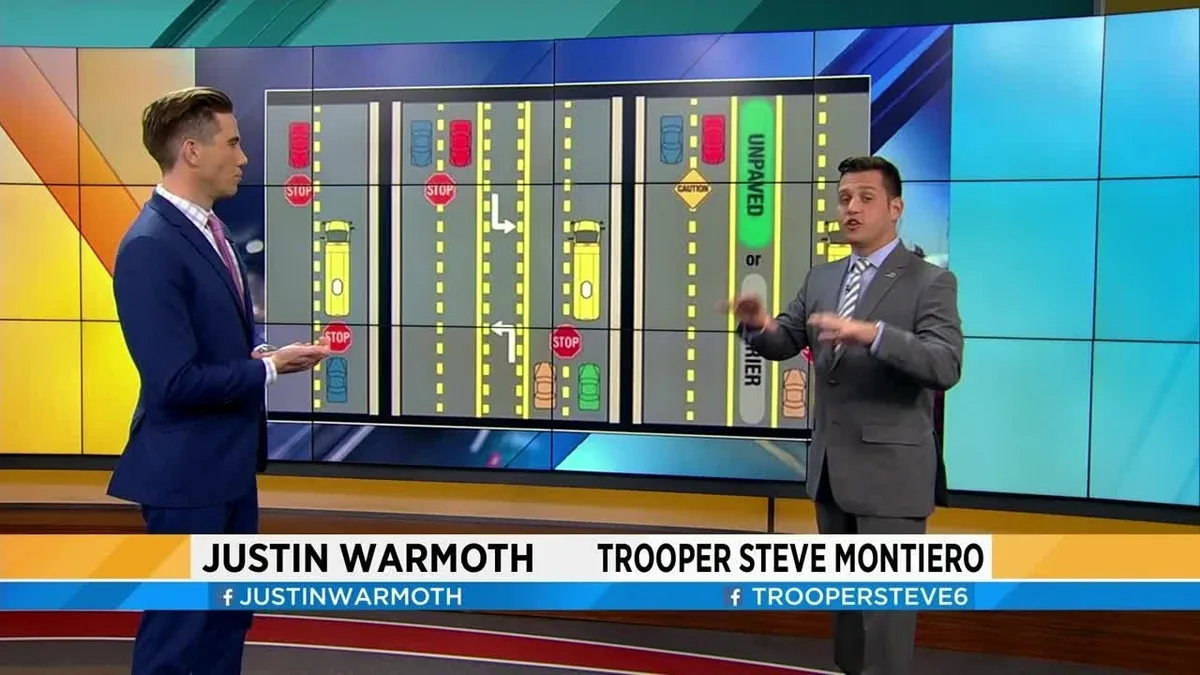
YouTube / WKMG News 6 ClickOrlando (YouTube thumbnail (fair-use with source credit))
This isn’t just about avoiding fines, it’s about keeping kids safe. A moment of confusion can have lifelong consequences.
The Quick Answer: Do You Stop or Not?
Here’s the rule in plain terms: If you’re behind a school bus with its red lights flashing and stop arm extended, you must stop, no matter the road type. If you’re coming the opposite way on a divided highway with a physical median, you do not have to stop. On any other road, including undivided highways or roads with just painted lines, you must stop in both directions.
That’s it. The physical median is the key.
How Nebraska Defines a Divided Highway (and Why It Changes Everything)
A divided highway in Nebraska means a road with a physical barrier, like a concrete median, grass strip, or other separation, between the lanes of traffic moving in opposite directions. Painted lines, even double yellow ones, don’t count as a physical divider.
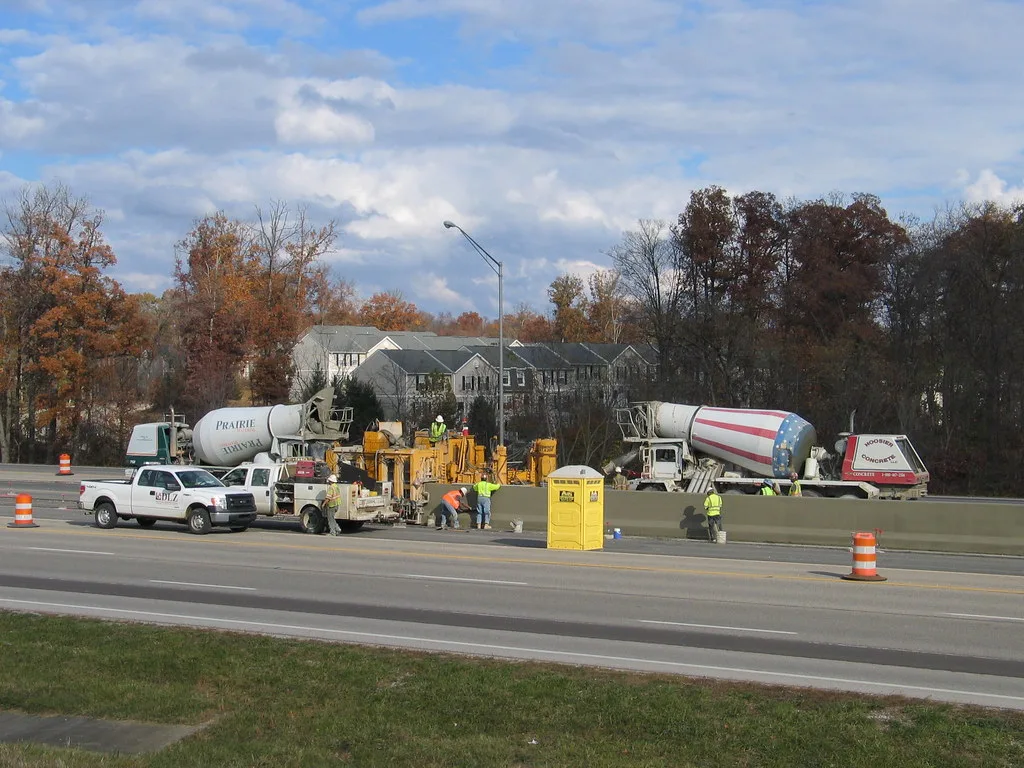
Openverse / ITB495
This distinction is critical. If there’s a physical median, the law treats the two directions of traffic as separate. Without it, they’re considered the same roadway, and the rules change.
For example, Interstate 80 through Nebraska is a divided highway with a physical median. US-275 in some rural stretches may not be. Always check for that barrier.
The Exact Rule: When You Must Stop vs. When You Can Keep Going
Nebraska’s law is clear, but the real-world application trips up a lot of drivers. Here’s the breakdown:
- Same direction as the bus (any road type): You must stop when the bus stops and its red lights are flashing.
- Opposite direction on a divided highway with a physical median: You do not have to stop.
- Opposite direction on an undivided road or a road with only painted lines: You must stop in both directions.
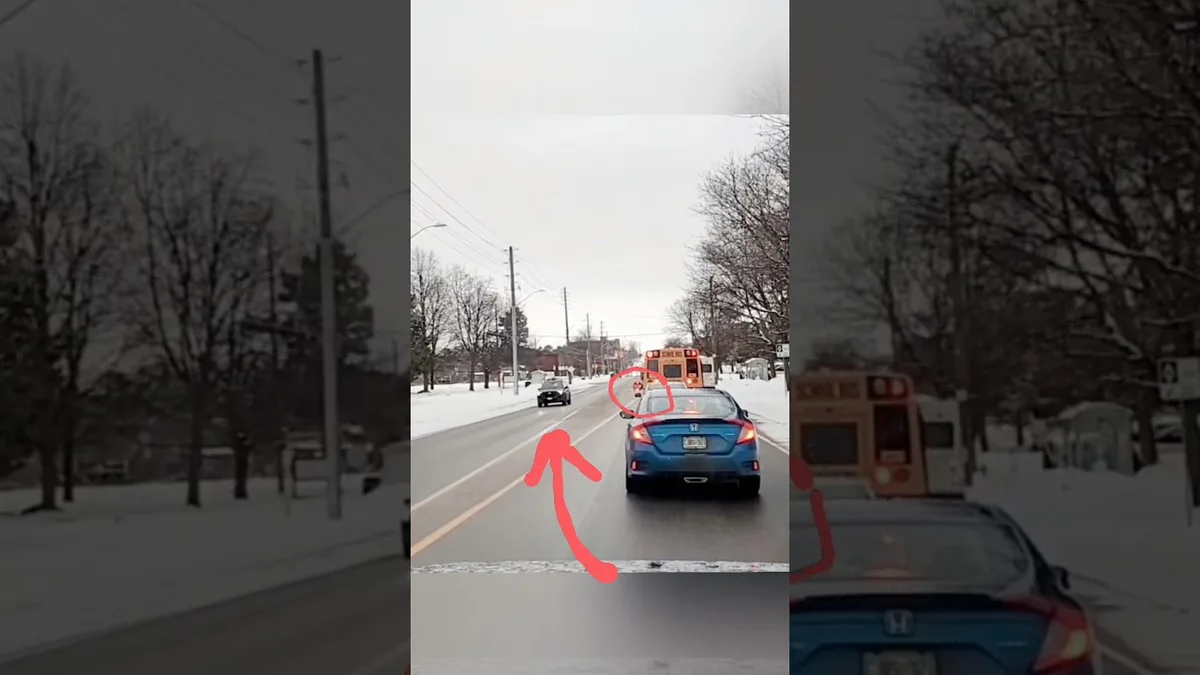
YouTube / Cebu1Knows (YouTube thumbnail (fair-use with source credit))
The bus driver will extend the stop arm and flash red lights when picking up or dropping off kids. That’s your signal to act. If you’re unsure, stopping is always the safer choice.
Physical Median vs. Painted Lines: The Critical Difference
The difference between a physical median and painted lines isn't just technical. It determines whether you can legally drive past a stopped school bus.
YouTube / The Sun (YouTube thumbnail (fair-use with source credit))
A physical median is a raised barrier, concrete wall, grass strip, or any structure that physically separates traffic directions. Painted lines, no matter how thick or double, remain just paint on the road surface.
If you see a concrete barrier or a wide grassy median between lanes, you're on a divided highway. You don't need to stop for a bus traveling the opposite direction.
If you only see painted lines dividing the lanes, you're on an undivided road. Both directions of traffic must stop when the bus activates its lights and stop arm.
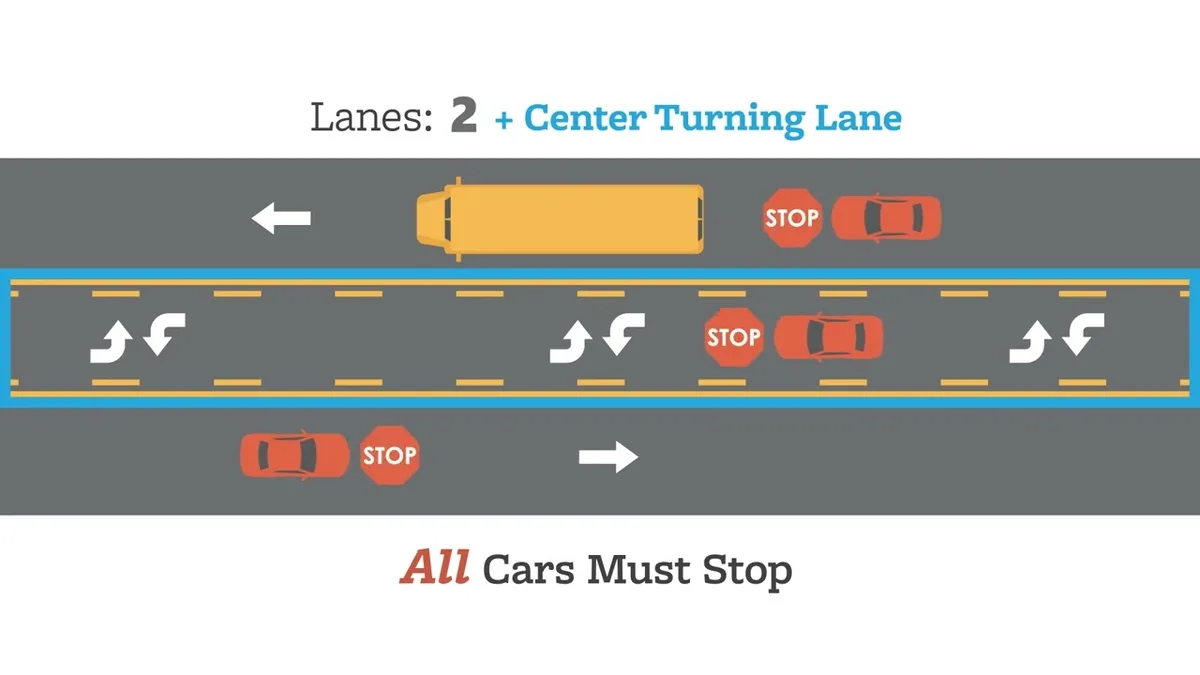
Many drivers mistake wide center turn lanes for physical medians. They aren't. A turn lane is just painted lines, not a barrier.
You must stop on both sides.
What Happens If You Break the Law?
Violating Nebraska's school bus stop law carries real consequences. A first-time offense typically results in a fine ranging from $100 to $500. Repeat offenses can push fines higher and add points to your driver's license.
More importantly, a conviction can affect your insurance rates. Multiple points on your record often lead to premium increases that last for years.
The worst outcome is injury or death. School bus stop laws exist because children are unpredictable. They may cross the road without checking for traffic.
Real-Life Scenarios: 4 Common Situations Explained
Scenario 1: You're Behind the Bus on a Divided Highway
The bus stops on a divided highway. Red lights flash. Stop arm extends.
You're traveling in the same direction as the bus. You must stop at least 20 feet away. Wait until the lights stop flashing and the arm retracts before proceeding.
Scenario 2: You're Coming the Opposite Way on a Divided Highway
You're approaching a divided highway with a concrete median. A school bus stops on the other side. Its lights flash.
You do not need to stop. Continue driving at a cautious speed. Watch for children near the median, though.
Scenario 3: You're on an Undivided Road
You're driving on a two-lane road with only painted center lines. A school bus stops ahead. Its red lights activate.
You must stop. Traffic in both directions must stop.
Scenario 4: You're on a Highway with a Turn Lane
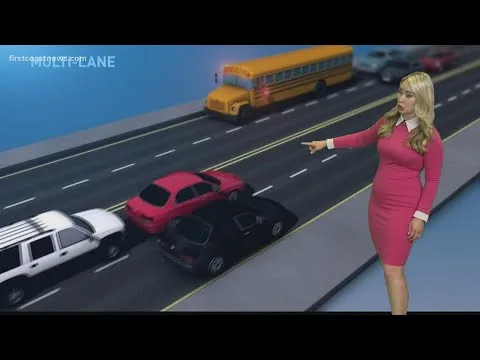
You're on a road with a wide center turn lane. It's painted, not physical. A school bus stops in one direction.
You must still stop in the opposite direction. The turn lane does not qualify as a median.
YouTube / First Coast News (YouTube thumbnail (fair-use with source credit))
Common Mistakes Drivers Make (and How to Avoid Them)
Mistake 1: Assuming painted lines equal a divided highway.
Many drivers see double yellow lines and think they can proceed. They can't. Only a physical barrier qualifies.
Mistake 2: Stopping too close to the bus.
Nebraska requires you to stop at least 20 feet away. Getting too close blocks the bus's view and puts children at risk.
Mistake 3: Proceeding before the lights turn off.
Some drivers race ahead the moment the bus stops. Wait until the red lights stop flashing and the stop arm goes back.
Mistake 4: Passing a stopped bus in a school zone.
School zones often have extra restrictions. Even if the highway is divided, watch for local ordinances that may require a full stop.
What School Bus Drivers Wish You Knew
Bus drivers see all kinds of driver behavior every day.
They can't see you if you speed past. A school bus is tall and heavy. The driver has blind spots, especially directly behind and to the sides.
They depend on you to stop. Bus drivers can't control your lane. If you don't stop when required, you're the only thing standing between a child and traffic.
They need the full stopping distance. Stopping 20 feet back gives the driver a clear view of the roadway.
They appreciate patience. Some days, loading and unloading takes longer than expected. Rushing a bus driver only adds stress.
Final Checklist: What to Do When You See a School Bus
Here’s a quick mental checklist to run through every time you spot a school bus.
First, check the road type. Look for a physical median or barrier.
Next, note your direction. If you’re behind the bus, stop. If you’re opposite and there’s a median, you can proceed with caution.
Watch the bus signals. Red flashing lights and an extended stop arm mean stop immediately. Amber lights mean prepare to stop.
YouTube / ITRE Traffic Safety (YouTube thumbnail (fair-use with source credit))
Finally, scan for children. Even if you’re legally allowed to proceed, watch for kids near the bus or crossing the road.
Here’s a quick mental checklist to run through every time you spot a school bus.
First, check the road type. Look for a physical median or barrier.
Next, note your direction. If you’re behind the bus, stop. If you’re opposite and there’s a median, you can proceed with caution.
Watch the bus signals. Red flashing lights and an extended stop arm mean stop immediately. Amber lights mean prepare to stop.
YouTube / ITRE Traffic Safety (YouTube thumbnail (fair-use with source credit))
Finally, scan for children. Even if you’re legally allowed to proceed, watch for kids near the bus or crossing the road.
Frequently Asked Questions
Do I have to stop for a school bus on a divided highway in Nebraska?
No, you don’t have to stop if you’re traveling in the opposite direction on a divided highway with a physical median. You must stop if you’re behind the bus or on an undivided road.
What counts as a physical median in Nebraska?
A physical median is any barrier that separates traffic directions. This includes concrete walls, grass strips, or raised dividers. Painted lines do not count.
How far back should I stop from a school bus?
Nebraska law requires you to stop at least 20 feet away from a school bus with its red lights flashing and stop arm extended.
Can I get a ticket for passing a school bus in Nebraska?
Yes. Passing a stopped school bus with its red lights flashing can result in fines ranging from $100 to $500. Repeat offenses may lead to higher penalties and points on your license.
What should I do if I’m unsure whether to stop?
When in doubt, stop. It’s always safer to err on the side of caution. Proceed only when you’re certain the road is divided and you’re traveling in the opposite direction.