The Nebraska vehicle registration deadline 30 days after purchase or move is one of those rules you want to get right from the start. Drive without valid plates in the state, and you could face fines, late fees, or worse. That's why knowing exactly when your deadline hits matters more than most people realize.
As of 2026, Nebraska law gives new residents and recent car buyers a strict 30-day window from the date of purchase or moving into the state. That means your clock starts ticking the day you bring the vehicle home or cross into Nebraska. Our research into Maryland vehicle registration deadline after purchase or move shows that different states handle timelines differently, but Nebraska keeps it simple and firm.
If you're buying from a dealer, your paperwork moves faster. If you're a new resident, you have more steps. Either way, staying on top of this deadline keeps your drive legal.
Quick Answer: Nebraska's 30-Day Registration Deadline
You must register your vehicle in Nebraska within 30 days of purchase or moving to the state. The clock starts on the date of sale or your move-in day. Both new residents and recent buyers share the same deadline.
You'll need proof of ownership, insurance, and ID at the DMV. Registration fees vary by vehicle type and county.
Who Needs to Register a Vehicle in Nebraska?
Any driver in Nebraska needs valid registration to stay on the right side of the law. This includes people who buy a car, trade in their old one, or bring a vehicle from another state. If you're buying from a dealership, the dealer usually handles part of the process.
Private sales require more work on your end.
New residents moving to Nebraska must register their vehicle within 30 days of establishing residency. This applies whether you're relocating for work, retiring to the area, or following family. The state considers you a resident once you live here for work, pay state taxes, or enroll kids in local schools.
Military personnel stationed in Nebraska get some flexibility. Active-duty service members don't have to register their vehicles if they maintain registration in their home state.
If you're leasing a vehicle, the leasing company handles registration through the dealer. But you still need to follow the 30-day rule from your move-in date or lease start date. Temporary permits work well while you sort out permanent plates.
Think of them as a bridge to full registration, not a shortcut.
The 30-Day Rule: Purchase vs. Move-In
The 30-day rule applies differently depending on whether you bought a car or moved to Nebraska. Both paths share the same deadline length, but the starting point changes your paperwork flow.
For vehicle purchases, the clock starts on the bill of sale date. If you buy from a dealership, the dealer often submits paperwork on your behalf. They usually handle title transfer, temporary tags, and initial registration.
You still need to verify everything gets filed within the 30-day window. For private party sales, you're on your own from day one. You must visit the DMV yourself to complete the transfer.
For new residents, the clock starts the day you establish Nebraska residency. You have 30 days from your move-in date to register your vehicle, regardless of when you bought it. Out-of-state plates don't count.
The state expects Nebraska registration within that window. If you move mid-month, your deadline doesn't shift to the next month. It stays locked to your specific date.
| Scenario | Deadline Starts | Key Action |
|---|---|---|
| New vehicle purchase | Bill of sale date | Register within 30 days |
| Private sale | Bill of sale date | Complete title transfer + registration |
| New resident move | Move-in date | Register out-of-state vehicle within 30 days |
| Military deployment | N/A | No Nebraska registration required |
You might think you have more time if you're between transactions. The state doesn't work that way. The 30-day limit is firm.
If you're waiting on insurance, a title, or an inspection, make those calls early. Rushing at the last minute risks missing the deadline.
What Happens If You Miss the Deadline?
Missing the registration deadline in Nebraska isn't a minor paperwork slip. The state takes it seriously, and the penalties stack up fast.
The first consequence is a late fee. Nebraska charges a penalty based on how many months you're behind. That penalty can range from $10 to $50 or more, depending on the delay length.
If you're several months late, the fee climbs. Add that to the normal registration cost, and you're paying more than you should have.
Beyond the money, driving an unregistered vehicle exposes you to bigger risks. Law enforcement can ticket you for expired plates. In severe cases, your car could be impounded.
Insurance complications arise too. If you're in an accident with unregistered plates, your insurer might question your coverage. That's a headache no one wants.
The state also tracks registration status. Your vehicle could flag in the system, triggering additional notices. Some counties send reminders before the deadline.
Use those prompts. They exist to keep you from landing in hot water.
If you're already late, act immediately. Visit the DMV as soon as possible to sort out your registration. The longer you wait, the more those fees accumulate.
Documents You'll Need for Registration
Walking into the Nebraska DMV without the right paperwork is a recipe for frustration. You'll either get turned away or forced to make multiple trips. Here's what you need to have ready.

Proof of ownership comes first. For newly purchased vehicles, that's the title. The title must be properly assigned to you by the seller.
Dealers usually handle this step. Private sellers need to sign the title over correctly. A notary isn't required in Nebraska for most title transfers, but the signatures must match.
Proof of insurance is mandatory. Nebraska requires minimum liability coverage of 25/50/25. That means $25,000 for bodily injury per person, $50,000 for bodily injury per accident, and $25,000 for property damage.
You'll need an insurance card or digital proof showing your policy is active.
A valid photo ID proves who you are. A Nebraska driver's license works if you're already a resident. New residents can use an out-of-state license plus proof of Nebraska residency, like a lease agreement or utility bill.
Military ID works for active-duty personnel.
Other documents might be needed depending on your situation. If your vehicle requires an emissions test, bring that result. Certain counties in Nebraska, including Omaha and Lincoln, mandate emissions testing.
Louisiana emissions testing requirements show that different states handle inspections differently. Nebraska keeps it county-specific.
| Required Document | Purpose | Notes |
|---|---|---|
| Title | Proof of ownership | Must be properly assigned |
| Insurance card | Minimum liability proof | 25/50/25 coverage |
| Photo ID | Identity verification | License or state ID |
| VIN inspection | Vehicle identification | Some counties require this |
| Emissions test | County compliance | Required in select areas |
Gather everything before you head to the DMV. Having missing paperwork means another trip, and that eats into your time. Check the Nebraska DMV website for the complete registration requirements if you want to verify your list.
If you're in a time crunch, temporary permits exist. They let you drive legally while you complete the permanent registration process. The temporary permit typically covers 30 days.
Use it wisely. Don't let it expire before you finish the full registration.
Step-by-Step: How to Register Your Vehicle in Nebraska
The registration process is straightforward if you prepare ahead. Start by gathering all required documents before visiting the DMV. Missing paperwork means wasted time and extra trips.

In-person registration is the most common method. Visit your local Nebraska DMV office with your title, proof of insurance, and ID. Fill out the application form on-site.
Pay the registration fees, which vary by vehicle type and county. You'll receive your license plates and registration certificate immediately in most cases.
Online registration is limited. Nebraska currently doesn't offer full online registration for new purchases or new residents. However, you can renew existing registrations online.
For initial registration, plan on an in-person visit.
Mail-in registration is an option for some situations. If you're registering a vehicle from out of state and can't visit in person, check with the DMV about mail-in procedures. This method takes longer, so start early to meet your 30-day deadline.
Temporary Permits: When and How to Get One
Temporary permits bridge the gap between purchase and permanent registration. They're useful when you need to drive immediately but can't complete the full process right away.
You can get a temporary permit from the DMV or sometimes through the dealer when purchasing a vehicle. The permit typically lasts 30 days, matching your registration deadline. It allows you to drive legally while you gather documents or wait for title processing.
Dealers often provide temporary plates when you buy a car. These usually cover the same 30-day period. If you're buying privately, you'll need to visit the DMV yourself to get a temporary permit.
Bring your bill of sale and proof of insurance.
Remember that temporary permits aren't a substitute for permanent registration. They're a short-term solution. Don't let the permit expire before completing your full registration.
The state doesn't grant extensions for temporary permits.
County-Specific Rules You Should Know
Nebraska's registration rules have some county-level variations. These differences can affect your process and timeline.
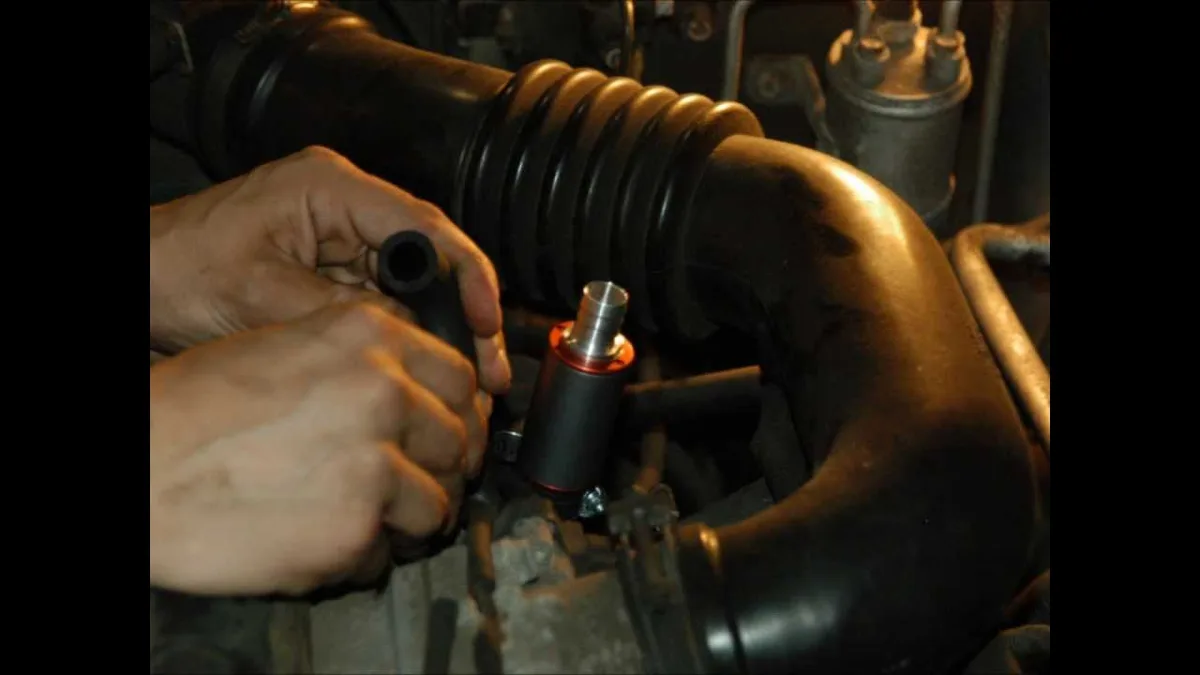
Emissions testing is required in certain counties. Douglas, Lancaster, and Sarpy counties mandate emissions tests for most vehicles. If you live in or are registering in one of these areas, you'll need to complete this test before registration.
The test typically costs around $20 and takes about 15 minutes.
Safety inspections aren't currently required statewide for passenger vehicles. However, some counties may have additional requirements for certain vehicle types. Always check with your local DMV office to confirm what applies to your situation.
County assessor offices handle some registration tasks. In Nebraska, vehicle registration is often processed through the county treasurer or assessor's office rather than a central DMV location. This means procedures can vary slightly between counties.
Call ahead to confirm office hours and required documents.
Costs: Registration Fees and Late Penalties
Registration fees in Nebraska depend on several factors. The base fee starts at $15 for most passenger vehicles. Additional fees apply based on vehicle weight, type, and county.
Here's a breakdown of typical costs:
| Fee Type | Amount | Notes |
|---|---|---|
| Base registration | $15 | Most passenger vehicles |
| County fees | $5–$20 | Varies by county |
| Plate fees | $5–$10 | For new plates |
| Late fee | $10–$50+ | Based on delay length |
| Title fee | $10 | For title transfer |
Late penalties add up quickly. If you miss the 30-day deadline, expect to pay at least $10 in late fees. The penalty increases for each additional month you're late.
Some counties charge up to $50 or more for significant delays.
Specialty vehicles have different fee structures. Motorcycles, trucks, and trailers often have higher registration costs. Electric and hybrid vehicles may qualify for reduced fees in some cases.
Check with your county office for exact amounts.
Common Mistakes (And How to Avoid Them)
Several common errors trip up Nebraska drivers during registration. Being aware of these pitfalls can save you time and money.
Waiting until the last minute is a frequent mistake. The 30-day window seems generous, but paperwork and inspections can take time. Start the process as soon as possible after purchase or move-in.
This gives you a buffer for any unexpected delays.
Missing documents causes the most frustration. Double-check that you have the title, proof of insurance, and ID before visiting the DMV. If you're missing the title, contact the seller immediately.
For insurance, call your provider to ensure your policy is active and meets Nebraska's minimum requirements.
Ignoring county-specific rules can lead to rejection. If you live in a county that requires emissions testing, don't skip this step. The DMV won't process your registration without the test results.
Similarly, if your county has additional requirements, make sure you've completed them all.
Assuming dealer handles everything is risky. While dealers often submit paperwork, it's ultimately your responsibility to ensure registration is complete. Follow up with the dealer and check your registration status online if possible.
Don't assume the process is finished just because you drove off the lot.
Military and Out-of-State Exceptions
Active-duty military personnel have special considerations for vehicle registration in Nebraska. If you're stationed in Nebraska but maintain legal residency in another state, you're not required to register your vehicle here. Your home state registration remains valid as long as it's current.
For military members who do establish Nebraska residency, the standard 30-day rule applies. However, you may qualify for exemptions on certain fees or requirements. Contact the Nebraska DMV or your base's legal office for specific guidance.
They can clarify which rules apply to your situation.
Out-of-state students attending Nebraska colleges don't need to register their vehicles in Nebraska. As long as you maintain residency in your home state and your registration is current there, you're covered. This applies to both in-state and out-of-state schools.
FAQs About Nebraska Vehicle Registration
Do I need a Nebraska driver's license to register my car?
No, you don't need a Nebraska driver's license to register your vehicle. However, you must provide proof of identity and residency. A valid out-of-state license plus proof of Nebraska residency is acceptable for registration purposes.
Can I register my car online in Nebraska?
Nebraska currently doesn't offer online registration for new purchases or new residents. You must visit a DMV office in person for initial registration. Online services are typically limited to registration renewals for existing Nebraska vehicles.
What if I buy a car from a private seller?
You'll need to complete the title transfer and registration yourself. The seller must sign the title over to you. Bring this signed title, proof of insurance, and your ID to the DMV within 30 days of purchase.
How do I transfer my out-of-state title to Nebraska?
Visit a Nebraska DMV office with your out-of-state title, proof of insurance, and ID. You'll need to complete an application for title and registration. Some counties may require a VIN inspection or emissions test before processing.
What happens if I sell my car before registering it?
If you sell the vehicle within the 30-day window, the registration requirement transfers to the new owner. You should complete a bill of sale and release of liability with the Nebraska DMV to protect yourself from any future issues.
Final Checklist Before You Go
Gather your title, proof of insurance, and ID. These are the core documents you'll need at the DMV. Without them, you won't be able to complete the registration process.
Check if your county requires an emissions test or VIN inspection. If so, complete these steps before visiting the DMV. This will save you time and prevent multiple trips.
Bring payment for registration fees. Accepted methods typically include cash, check, or credit card. Fees vary by vehicle type and county, so check the amount ahead of time.
If you're registering a used vehicle, verify the title is properly signed over to you. Double-check that all information matches your ID and insurance documents. This attention to detail prevents delays at the DMV.
Gather your title, proof of insurance, and ID. These are the core documents you'll need at the DMV. Without them, you won't be able to complete the registration process.
Check if your county requires an emissions test or VIN inspection. If so, complete these steps before visiting the DMV. This will save you time and prevent multiple trips.
Bring payment for registration fees. Accepted methods typically include cash, check, or credit card. Fees vary by vehicle type and county, so check the amount ahead of time.
If you're registering a used vehicle, verify the title is properly signed over to you. Double-check that all information matches your ID and insurance documents. This attention to detail prevents delays at the DMV.