ByMax Lee
New Mexico Vehicle Inspection Rules & Safety Standards
New Mexico vehicle inspection requirements and safety standards can feel confusing, especially with county-specific rules and changing deadlines. Whether you're new to the state or just renewing your registration, understanding what's required, and when, saves you from fines or last-minute repairs.
As of 2026, most vehicles need a biennial safety inspection, while Bernalillo County adds an emissions test for newer models. The good news is that the process is straightforward once you know the basics.
Quick Answer
New Mexico vehicle inspection requirements and safety standards mandate a safety check for all registered vehicles. Bernalillo County requires an additional emissions test. Inspections are biennial for most vehicles.
Exemptions apply to antiques and some trailers. Fees range from $20 to $40 depending on the test type.
Wikimedia Commons / National Aeronautics and Space Administration
Who Must Get Inspected & When (Biennial vs. Annual Rules)
New Mexico's inspection rules depend on your vehicle type, age, and where you live. Most passenger vehicles need a safety inspection every two years to renew registration. Commercial vehicles, modified cars, and some high-risk types may require annual inspections.
New residents must get their vehicle inspected within 30 days of establishing residency. If you're registering a used car from out of state, you'll need a New Mexico inspection before completing the process.
Exemptions:
- Vehicles 35+ years old (antique/classic)
- Electric vehicles (emissions test exempt)
- Motorcycles (safety inspection only)
- Trailers under a certain weight threshold
For the most current rules, check the New Mexico Motor Vehicle Division.
What Actually Happens During a NM Safety & Emissions Inspection
A New Mexico inspection covers two main areas: safety and, in Bernalillo County, emissions. Here's what inspectors check:
Safety Inspection Checklist: Brakes, Lights, Tires & More
Inspectors verify that your vehicle meets basic safety standards. Key components include:
- Brakes: Functionality, pad thickness, and fluid leaks
- Lights: Headlights, taillights, brake lights, turn signals, and license plate illumination
- Tires: Tread depth (minimum 2/32"), sidewalls, and inflation
- Steering & Suspension: No excessive play or damage
- Windshield: No cracks larger than 3 inches in the driver's line of sight
- Seatbelts: Proper function and no fraying
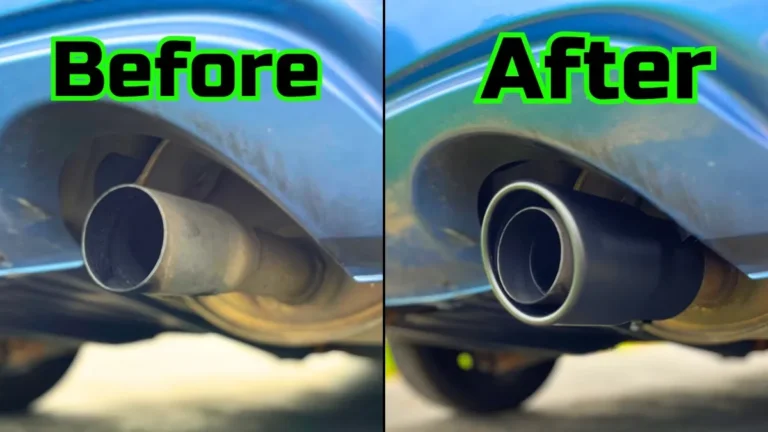
- Exhaust System: No leaks, excessive noise, or tampering
- Horn: Must be audible
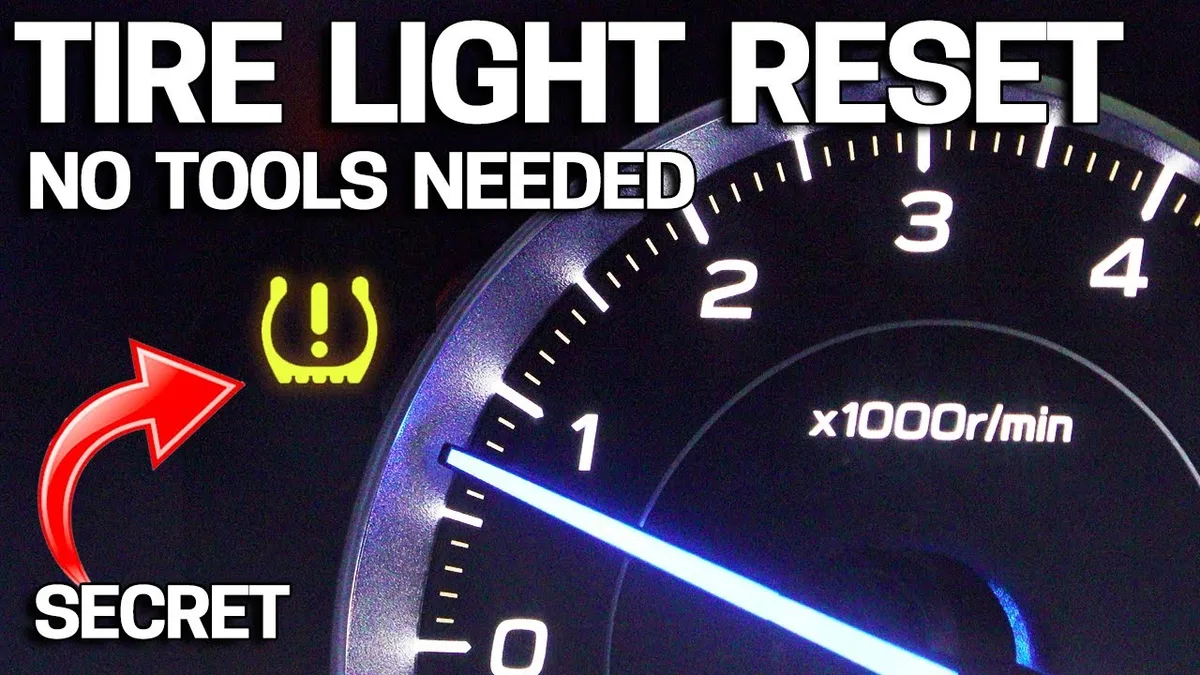
YouTube / Silver Cymbal (YouTube thumbnail (fair-use with source credit))
Inspectors verify that your vehicle meets basic safety standards. Key components include:
- Brakes: Functionality, pad thickness, and fluid leaks
- Lights: Headlights, taillights, brake lights, turn signals, and license plate illumination
- Tires: Tread depth (minimum 2/32"), sidewalls, and inflation
- Steering & Suspension: No excessive play or damage
- Windshield: No cracks larger than 3 inches in the driver's line of sight
- Seatbelts: Proper function and no fraying
- Exhaust System: No leaks, excessive noise, or tampering
- Horn: Must be audible
YouTube / Silver Cymbal (YouTube thumbnail (fair-use with source credit))
Bernalillo County Emissions Test: How It Works (OBD-II & Visual Checks)
If you live in Bernalillo County, your vehicle must pass an emissions test in addition to the safety inspection. This applies to:
- Gasoline-powered vehicles from 1975 and newer
- Diesel vehicles from 1997 and newer
The test includes:
- OBD-II Scan: For vehicles from 1996 and newer, inspectors plug a scanner into your car's diagnostic port to check for emissions-related trouble codes.
- Visual Inspection: Technicians verify that your emissions control systems (like the catalytic converter) are present and untampered.
Vehicles that fail the OBD-II scan due to a check engine light will not pass inspection. If your light is on, get it diagnosed and repaired before your test.
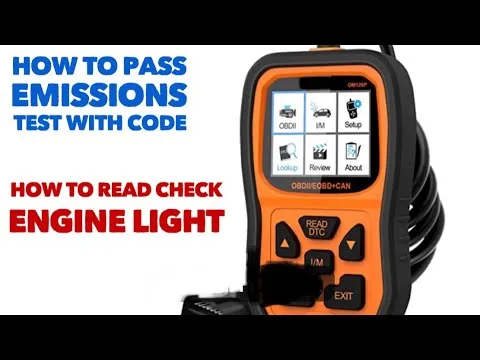
YouTube / Brian Balatbat (YouTube thumbnail (fair-use with source credit))
Step-by-Step: How to Prepare for & Pass Your New Mexico Inspection
Preparation is key to avoiding a failed inspection and the hassle of a retest. Follow these steps to ensure a smooth process:
Before You Go:
- Check for open recalls. Use your VIN on the NHTSA recall database to see if any safety issues need addressing.
- Fix obvious issues. Replace burnt-out bulbs, repair cracked windshields, and ensure your seatbelts work.
- Top off fluids. Low brake fluid or power steering fluid can cause a failure.
- Clean your car. A dirty vehicle can obscure inspection points like lights or VIN plates.
What to Bring:
- Your vehicle registration
- Proof of insurance
- Photo ID
- Payment for inspection fees (cash, card, or check, varies by station)
YouTube / SAFETY MGMT STUDY (YouTube thumbnail (fair-use with source credit))
At the Inspection Station:
- Arrive early to avoid long wait times.
- Turn off your engine and remove keys from the ignition unless instructed otherwise.
- If you fail, you'll receive a repair notice listing the issues. You typically have 15, 30 days to fix them and return for a free or low-cost retest.
Common Reasons Vehicles Fail NM Inspections (And How to Avoid Them)
Most inspection failures happen for preventable reasons. Here are the top culprits and how to address them:
- Burnt-out lights: A single non-working bulb (headlight, taillight, or turn signal) is an automatic fail. Test all lights before your appointment.
- Worn tires: Tread depth below 2/32" or visible sidewall damage will fail. Use the penny test: Insert a penny into the tread with Lincoln's head upside down. If you see the top of his head, replace the tire.
- Cracked windshield: Cracks larger than 3 inches in the driver's line of sight are not allowed. Small chips may pass, but large cracks require repair or replacement.
- Check engine light: In Bernalillo County, this means an automatic emissions test failure. Diagnose and repair the issue before your inspection.
- Brake issues: Thin brake pads, leaking fluid, or a non-functional parking brake will fail. Have your brakes checked if you notice squeaking or reduced stopping power.
- Exhaust leaks: Visible leaks or excessive noise from the exhaust system are not permitted. Listen for hissing or rumbling sounds under your car.
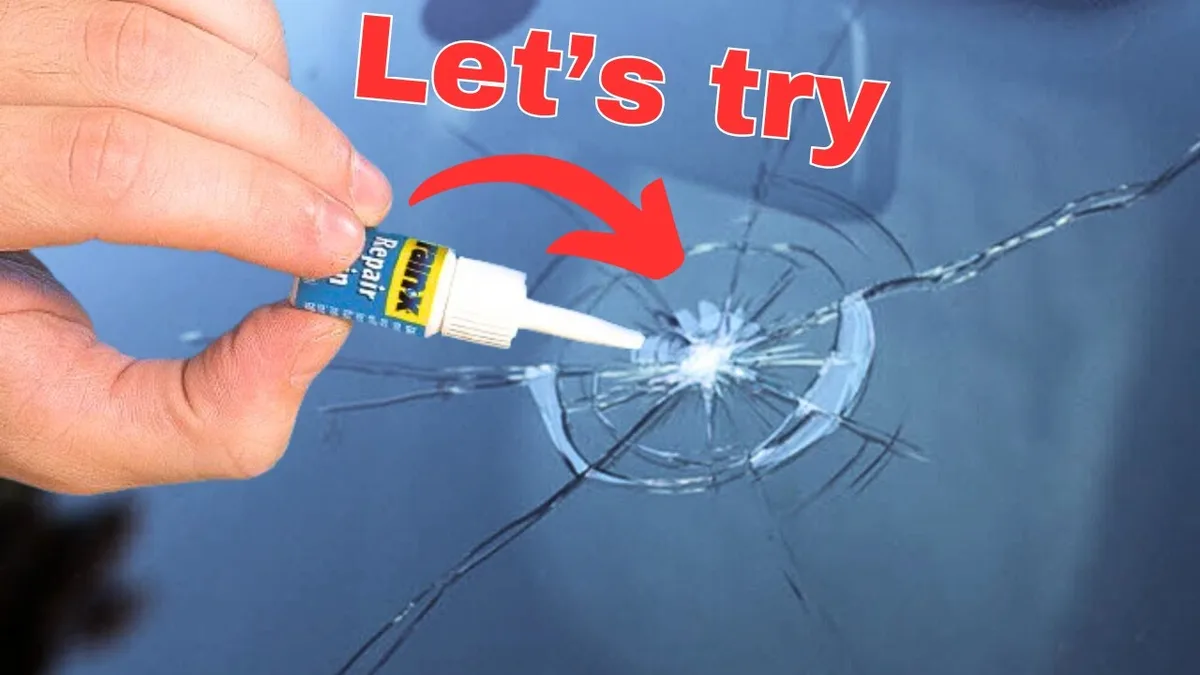
YouTube / Deluxe Show and Tell (YouTube thumbnail (fair-use with source credit))
Real Scenarios: Out-of-State Moves, Salvage Titles & Classic Car Exemptions
Moving to New Mexico means your out-of-state inspection won't transfer. You'll need a New Mexico inspection within 30 days of establishing residency. Bring your current registration and proof of insurance to any approved station.
Salvage or rebuilt title vehicles require a VIN inspection before registration. This verifies the vehicle's identity and ensures it meets safety standards. Schedule this at a New Mexico MVD office or authorized inspection station.
Classic car owners get a break. Vehicles 35 years or older are exempt from safety inspections. You'll still need to register the vehicle, but no inspection sticker is required.
Costs, Timelines & What to Do If You Fail
Inspection fees vary by type and location. Expect to pay $20 to $35 for a safety inspection. Bernalillo County adds $25 to $40 for the emissions test.

YouTube / Dave Lieber (YouTube thumbnail (fair-use with source credit))
If you fail, you'll get a repair notice listing the issues. You typically have 15 to 30 days to fix them and return for a retest. Some stations offer free retests, while others charge a small fee.
Inspection stickers are valid for one to two years depending on your vehicle type. Commercial vehicles and modified cars may need annual inspections. Always check your sticker's expiration date to avoid fines.
Safety & Legal Risks of Skipping or Failing Inspections in NM
Driving with an expired inspection sticker is a Class C misdemeanor in New Mexico. Fines can reach up to $100. More importantly, you risk unsafe conditions like faulty brakes or bald tires.
Failing to address a check engine light in Bernalillo County means your vehicle won't pass emissions. This can leave you unable to renew your registration. Without valid registration, you can't legally drive the vehicle.
Inspections also catch problems early. A small brake fluid leak today could turn into a complete brake failure tomorrow. Regular checks keep you and others safe on the road.
Expert Tips: Insider Advice for a Smooth Inspection Experience
Schedule your inspection during off-peak hours to avoid long waits. Early mornings or weekdays are usually quieter. Some stations allow online appointments.
Check your vehicle's maintenance records before going. If you've recently replaced brakes or tires, bring the receipts. This can help if there's a question about your vehicle's condition.
If you're unsure about a potential issue, get it checked by a mechanic first. A pre-inspection at a repair shop can save you the hassle of failing and returning.
For Bernalillo County residents, clear any check engine lights before your test. Even if the issue seems minor, it will cause an automatic failure.
Frequently Asked Questions
Do I need an inspection to renew my registration in New Mexico?
Yes. A valid inspection is required to renew your registration in New Mexico. Without it, you won't be able to complete the renewal process.
How often do I need a vehicle inspection in New Mexico?
Most vehicles need a safety inspection every two years. Commercial vehicles and some modified cars require annual inspections. Bernalillo County adds an emissions test to the safety inspection.
What happens if my car fails the New Mexico inspection?
You'll receive a repair notice listing the issues. You typically have 15 to 30 days to fix them and return for a retest. Some stations offer free retests, while others charge a small fee.
Are there any exemptions to New Mexico's vehicle inspection requirements?
Yes. Vehicles 35 years or older are exempt from safety inspections. Electric vehicles are exempt from emissions testing.
Motorcycles only need a safety inspection.
Can I get my vehicle inspected at any station in New Mexico?
No. You must use a state-approved inspection station. These are typically private garages, fire stations, or mobile inspectors authorized by the New Mexico MVD.
How much does a New Mexico vehicle inspection cost?
Safety inspections cost $20 to $35. Bernalillo County emissions tests add $25 to $40. Reinspection fees, if applicable, are usually $10 to $20.
Special Vehicle Types: RVs, Trailers, and Commercial Vehicles
Not all vehicles follow the same inspection rules. RVs, trailers, and commercial vehicles have different requirements.
Recreational Vehicles (RVs):
Large RVs typically follow the same biennial safety inspection as passenger vehicles. However, some motorhomes may qualify for exemptions if they're 35+ years old. Diesel-powered RVs in Bernalillo County must pass emissions testing like any other diesel vehicle.
Trailers:
Most trailers are exempt from safety inspections. However, trailers over a certain weight threshold may need inspection. Check with the New Mexico MVD for specific weight requirements.
Commercial Vehicles:
Commercial vehicles often require annual inspections rather than biennial. These inspections are more thorough and may include additional checks for cargo securement, brake systems, and lighting. Commercial fleet owners should maintain detailed inspection records for each vehicle.
Choosing Where to Get Inspected: Station Types and Tips
New Mexico uses state-approved private inspection stations rather than government-run facilities. This means you have options when choosing where to get your vehicle inspected.
Types of Inspection Stations:
- Private garages: Most common option. Many mechanic shops are authorized inspection stations.
- Fire stations: Some rural fire stations offer inspection services, often run by volunteers.
- Mobile inspectors: Available in some areas for those with mobility issues or busy schedules.
- DPS offices: Some New Mexico Department of Public Safety offices may assist with inspections or provide referrals.
Tips for Choosing a Station:
- Call ahead to confirm they handle your vehicle type (especially for commercial or RV inspections).
- Check online reviews for reliability and customer service.
- Ask about wait times and appointment availability.
- Verify they're current on their state authorization.
Maintaining Roadworthiness Between Inspections
Inspections happen every one to two years, but your vehicle needs attention year-round. Regular maintenance prevents surprises during inspection day.
Monthly Checks:
- Test all lights: headlights, taillights, brake lights, and turn signals
- Check tire pressure and tread depth
- Inspect windshield for new cracks or chips
- Test horn operation
- Ensure seatbelts latch and release properly
Every Oil Change:
- Have your mechanic check brake pads and rotors
- Inspect suspension components for wear
- Look for exhaust system damage or leaks
- Check fluid levels: brake fluid, power steering, coolant
Seasonal Considerations:
- In desert regions, dust can clog air filters and trigger check engine lights
- Summer heat puts extra strain on cooling systems and tires
- Winter mountain driving demands functional wipers and good tire condition
Understanding Inspection Results and Repair Options
After your inspection, you'll receive one of three results: pass, fail, or conditional pass.
Pass:
You'll receive an inspection sticker to place on your windshield. Your registration renewal will be processed normally.
Fail:
You'll get a detailed repair notice listing every issue that caused the failure. You must fix all items before reinspection. Some stations allow you to choose any licensed mechanic for repairs, while others require returning to the original station.
Conditional Pass:
Some stations may issue a conditional pass for minor issues. You'll have a set number of days to repair and show proof. Read the fine print carefully and comply with all deadlines.
Appealing a Failure:
If you believe your vehicle was incorrectly failed, you can request a reinspection or file a complaint with the New Mexico MVD. Keep all documentation from your inspection, including photos if possible.
Additional Resources for New Mexico Vehicle Owners
Several official resources can help you stay compliant with New Mexico inspection laws.
New Mexico Motor Vehicle Division:
The MVD website provides the most current inspection requirements, fees, and station locations. Visit www.mvd.newmexico.gov for official forms and schedules.
New Mexico Environment Department:
For emissions testing questions, particularly if you live in Bernalillo County, the NMED Air Quality Bureau maintains current regulations and test procedures.
National Highway Traffic Safety Administration:
The NHTSA offers recall lookup tools and safety standards information that can help you understand federal requirements that New Mexico adopts.
Local Mechanic Associations:
Your local automotive repair association can provide referrals to trusted mechanics who understand New Mexico inspection requirements.
Verified Summary: Your Go-To Reference for NM Inspection Rules & Next Steps
Here's your quick reference for New Mexico vehicle inspection requirements:
Who Needs Inspection:
- All registered vehicles, except exemptions listed below
- New residents within 30 days
- Salvage/rebuilt title vehicles before registration
Inspection Frequency:
- Passenger vehicles: Every 2 years (biennial)
- Commercial vehicles: Often annually
- Bernalillo County: Safety + emissions every cycle
Costs (as of 2026):
- Safety inspection: $20-$35
- Emissions test: $25-$40 (Bernalillo County only)
- Reinspection: $10-$20 (if applicable)
Key Exemptions:
- Vehicles 35+ years old
- Electric vehicles (emissions exempt)
- Motorcycles (safety only)
- Most trailers
Common Failure Points:
- Burnt-out lights
- Worn tires (below 2/32" tread)
- Check engine light (emissions area)
- Brake issues
- Windshield cracks in driver's view
Next Steps:
- Check your inspection sticker expiration date
- If expired, find an approved station via the MVD website
- Prepare documents: registration, insurance, ID
- Address any known issues before your appointment
- Pass inspection, receive sticker, renew registration
Staying on top of New Mexico's inspection requirements keeps you legal and your vehicle safe. A little preparation goes a long way toward a smooth inspection experience.