ByMax Lee
New Mexico Vehicle Registration Fees Guide
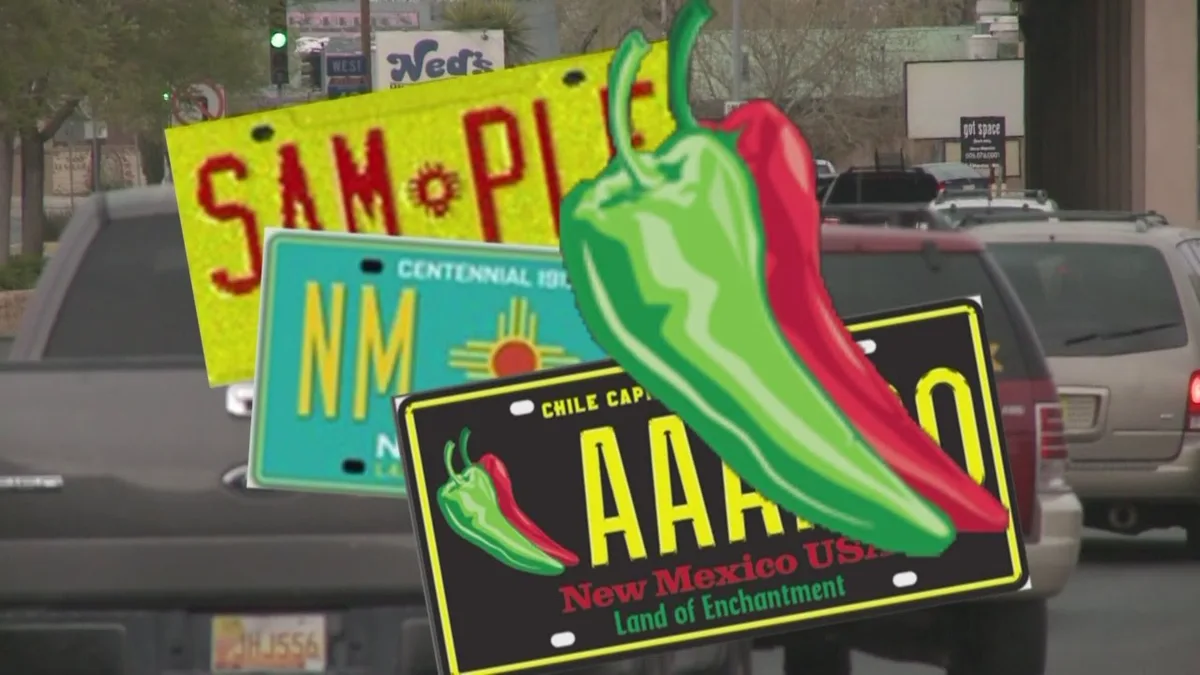
YouTube / KRQE (YouTube thumbnail (fair-use with source credit))
How Much Does New Mexico Charge for Annual Car and Light Truck Registration?
Figuring out New Mexico’s annual registration fee for passenger cars and light trucks can feel confusing. You’re not alone if you’ve ever stared at the Motor Vehicle Division website and wondered why your fee isn’t a flat rate.
The fee depends on your vehicle’s weight, fuel type, and where you live. As of 2026, a typical passenger car under 5,000 lbs pays between $27 and $62, plus extra charges for electric or hybrid models. Let’s break down exactly how it works and how to calculate your exact cost.
Quick Answer: 2024 Fee Ranges
The New Mexico annual registration fee for passenger cars and light trucks ranges from $27 to $62. The exact amount depends on your vehicle’s weight class. Electric vehicles add $50, and hybrids add $25.
You can register for one or two years to save on total costs. Visit your local MVD office to pay and renew.
YouTube / MVD Express (YouTube thumbnail (fair-use with source credit))
How New Mexico Registration Fees Work
New Mexico uses a weight-based fee system for most passenger vehicles. Your vehicle’s unloaded weight determines the base registration cost. The state divides light vehicles into weight classes.
Each class has a set fee range.
You also pay fees for your license plates and any specialty plate options. The renewal period can be one or two years. A two-year registration costs slightly more than double the one-year fee.
That’s because the state adds a small administrative charge for the longer term.
Most residents receive a renewal notice by mail or online. You can pay through the MVD website, by mail, or in person at a field office. Payment methods include credit card, check, or money order.
Late renewals incur a $10 penalty after 30 days past your due date.
What Determines Your Exact Fee
Your exact registration fee hinges on three main factors: vehicle weight, fuel type, and county of residence. Let’s look at each one.
Vehicle weight is the biggest driver. The state measures gross vehicle weight rating (GVWR) or actual unloaded weight. Lighter cars fall into lower fee brackets.
Heavier trucks and SUVs move into higher brackets. You can find your vehicle’s weight on the title or manufacturer’s label.
Fuel type matters too. New Mexico added extra annual fees for electric and hybrid vehicles. These fees help fund road maintenance and transit programs.
Electric vehicles carry a $50 surcharge. Hybrids carry a $25 surcharge. These are added on top of your weight-based fee.
Your county can affect emissions testing requirements. Only Bernalillo County requires an annual emissions test for most gasoline and diesel vehicles. If you live elsewhere, you won’t need that test.
However, you’ll still pay the same base registration fee.
Fee Breakdown by Vehicle Type and Weight
Here’s a clear look at the current fee ranges by vehicle class. These are estimates based on New Mexico statute and MVD guidance.
| Vehicle Class | Weight Range | Fee Range (One Year) |
|---|---|---|
| Passenger car | Under 2,000 lbs | $27 – $38 |
| Passenger car | 2,001 – 3,000 lbs | $38 – $46 |
| Passenger car | 3,001 – 4,000 lbs | $46 – $54 |
| Passenger car | 4,001 – 5,000 lbs | $54 – $62 |
| Light truck | Under 5,000 lbs | $38 – $62 |
| Light truck | 5,001 – 7,000 lbs | $62 – $85 |
| Light truck | Over 7,000 lbs | $85+ (varies) |
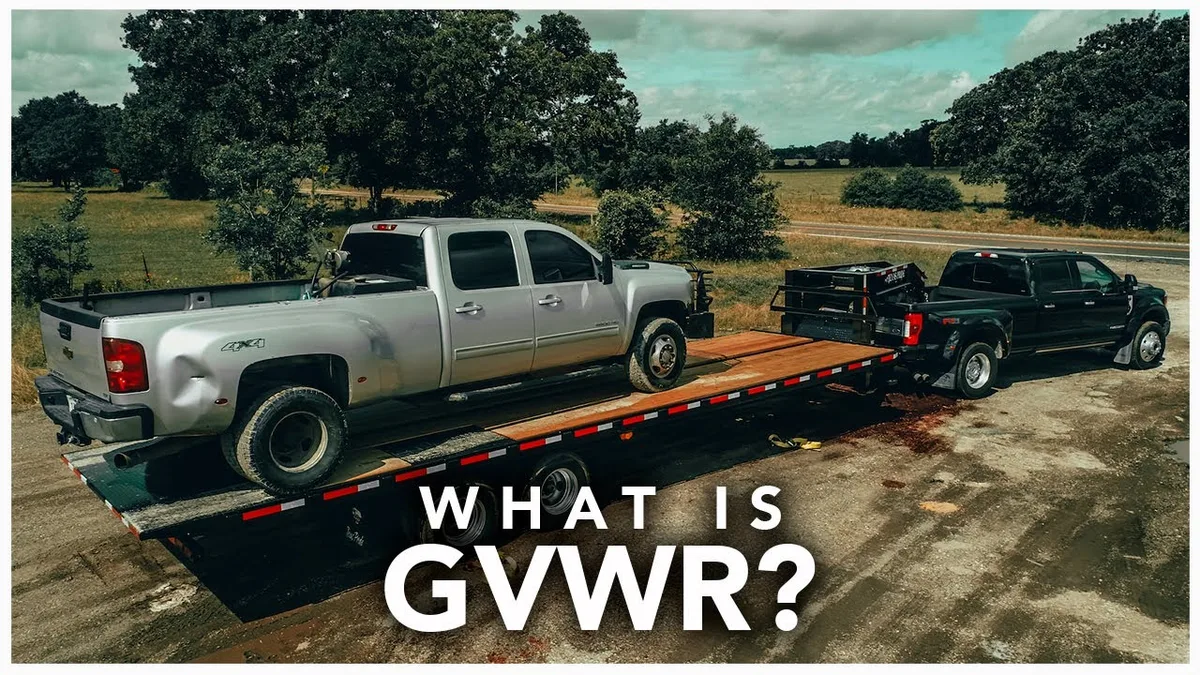
YouTube / All About Trailers (YouTube thumbnail (fair-use with source credit))
These fees cover the base registration. They do not include plate fees, specialty plate charges, or county-specific taxes. For example, a personalized plate adds roughly $25, $75 per year.
A trailer registration follows a different schedule, which you can compare if you’re curious about Puerto Rico Trailer Registration 5 Vs 10 Year Options to see how other states structure their fees.
If you’re registering a leased vehicle, the leasing company often handles the initial registration paperwork. You’ll still pay the same fee structure, but the paperwork goes through the lessor. Fleet vehicles used for business may qualify for different weight classifications.
Check with the MVD if you’re unsure.
Electric and Hybrid Vehicle Fees
New Mexico charges extra for alternative-fuel vehicles. The electric vehicle fee is $50 per year. The hybrid vehicle fee is $25 per year.
These are added to your weight-based registration fee.
The surcharge applies to both new and used electric or hybrid vehicles. You’ll see it listed on your renewal notice. If you bought a used EV out of state, you’ll owe the surcharge when you register in New Mexico.
These fees are separate from any state tax credits or incentives. New Mexico does not currently offer a sales tax exemption for EVs. However, some utilities provide discounted electricity rates for EV charging.
That can help offset the extra registration cost.
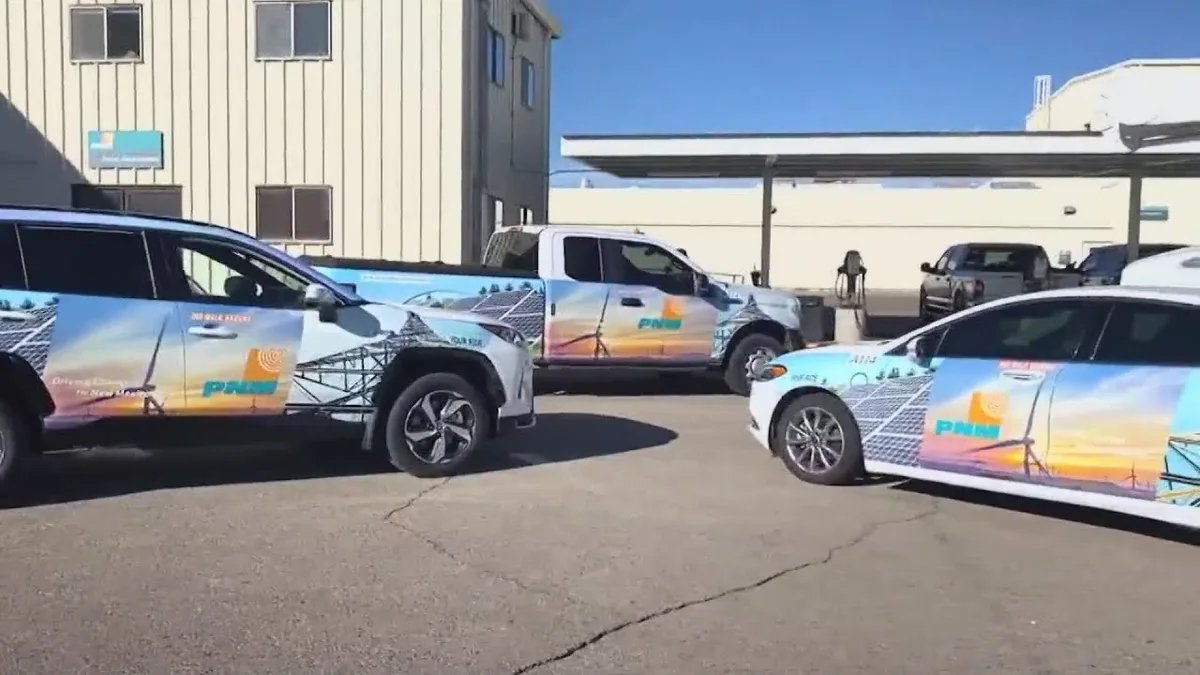
YouTube / KRQE (YouTube thumbnail (fair-use with source credit))
If you’re considering an electric or hybrid vehicle, factor in the additional annual fee. It adds $25, $50 to your yearly registration cost. Over five years, that’s $125, $250 extra.
Compare that to the fuel savings from lower electricity or gas costs.
You can also look at how other regions handle alternative-fuel fees. For instance, Montana Radar Detector Laws Passenger Vs Commercial shows how states tailor rules for different vehicle types. New Mexico’s approach is straightforward: a flat surcharge per year.
Step-by-Step: How to Calculate Your Fee
Calculating your registration fee takes about five minutes. Follow these steps to get your exact cost.
First, find your vehicle’s weight. Check your title, registration document, or the sticker on the driver’s side door jamb. Note the gross vehicle weight rating (GVWR) or actual unloaded weight.
Next, determine your fuel type. Is it gasoline, diesel, hybrid, or electric? This determines whether you owe the $25 or $50 surcharge.
Then, look up your weight class in the fee table. Match your vehicle’s weight to the correct bracket. Note the base fee range.
After that, add any specialty plate fees. If you want a personalized plate, adventure plate, or university plate, those cost extra. Standard plates are included in your base fee.
Finally, decide between one-year or two-year registration. Multiply your annual fee by two and add the small administrative charge for the longer term. That’s your total due.
You can verify your calculation using the MVD fee estimator on their official website. This tool calculates your exact fee based on your vehicle details and county.
Where and How to Pay Your Registration Fee
You have three options for paying your New Mexico registration fee. Each method has different processing times and convenience levels.
Online renewal is the fastest option. Visit the MVD’s online portal at mvd.newmexico.gov. You’ll need your renewal notice, which includes a barcode or PIN.
Payment takes about five minutes. Your new plates and registration arrive by mail in 7, 10 business days.
Mail-in renewal works if you prefer paper. Send your renewal notice, payment, and any required documents to the address on your notice. Use a check or money order made out to the Motor Vehicle Division.
Processing takes 10, 14 business days after receipt.
In-person renewal at an MVD field office is best for complex situations. You can pay by cash, check, money order, or credit/debit card. Some offices accept cards with a small processing fee.
You’ll receive your plates and registration immediately.

YouTube / KRQE (YouTube thumbnail (fair-use with source credit))
Field offices are located in Albuquerque, Santa Fe, Las Cruces, Farmington, and other major cities. Check the MVD website for hours and appointment requirements. Some offices require appointments during peak renewal seasons.
If you’re registering a new vehicle for the first time, you must visit an MVD office in person. This applies to out-of-state transfers, new purchases, and leased vehicles. Online renewal is only for renewals of existing New Mexico registrations.
Late Fees and Penalties to Avoid
Missing your registration renewal deadline costs extra money. New Mexico charges a $10 late fee if you renew more than 30 days past your due date. The longer you wait, the more it costs.
If your registration expires completely, you face heavier penalties. Driving with an expired registration can result in a citation and fine. Law enforcement can pull you over for an expired plate tag.
In some cases, the vehicle may be impounded until fees are paid.
Your renewal notice arrives 30, 60 days before your due date. Mark your calendar or set a phone reminder. The MVD also sends electronic reminders if you’ve registered your email on file.
If you miss the deadline, renew as soon as possible. Pay the base fee plus the $10 late penalty. If your registration has expired for more than six months, you may need to re-register the vehicle entirely.
That means a new inspection and full fee payment.
Required Documents for Registration
Having the right paperwork saves time and prevents delays. Here’s what you need for a standard registration renewal or new registration.
For renewals, you typically need:
- Renewal notice (mailed to you or available online)
- Proof of current liability insurance
- Payment method (check, money order, or card)
For new registrations, gather these documents:
- Vehicle title (signed over by the seller)
- Bill of sale or lease agreement
- Proof of New Mexico insurance meeting state minimums
- Vehicle Identification Number (VIN) verification for out-of-state vehicles
- Emissions test certificate (if in Bernalillo County)
- Valid photo ID
YouTube / MVD Express (YouTube thumbnail (fair-use with source credit))
New Mexico requires liability insurance with minimum limits of $25,000 for bodily injury per person, $50,000 per accident, and $10,000 for property damage. Your insurance company can provide proof of coverage. Many insurers now offer digital insurance cards accepted by the MVD.
If you’re financing your vehicle, the lender holds the title. You’ll receive a registration packet from the lender or dealer. Follow their instructions for submitting documents to the MVD.
Special Cases: Out-of-State, Leased, or Fleet Vehicles
Moving to New Mexico? You have 30 days to register your vehicle. You’ll need a VIN verification, which can be done at an MVD office or by a law enforcement officer.
Out-of-state titles must be signed and may require a notarized signature.
Leased vehicles follow the same fee structure. The leasing company usually handles initial registration paperwork. You pay the same weight-based fee plus any applicable surcharges.
The lessor’s name appears on the title until the lease ends.
Fleet vehicles used for business may qualify for different weight classifications. If you own multiple light trucks for commercial use, contact the MVD for fleet registration options. Some fleet vehicles fall under federal weight thresholds that change fee calculations.
If you’re comparing registration requirements in other territories, you might find American Samoa Trailer Registration 5 Year Vs 10 Year helpful for understanding how different regions structure their vehicle fees.
Bernalillo County Emissions Testing Rules
Only Bernalillo County requires an annual emissions test. This includes Albuquerque and surrounding areas. The test checks your vehicle’s exhaust output for pollutants.
Gasoline vehicles model year 1987 and newer must pass emissions testing. Diesel vehicles from 1997 onward are also subject to the test. Hybrid vehicles are exempt from emissions testing but still owe the $25 surcharge.
The test takes about 10 minutes. You’ll receive a certificate if your vehicle passes. Show this certificate when you register your vehicle.
Some stations accept credit cards and offer same-day results.
If your vehicle fails the emissions test, you have 30 days to make repairs and return for a retest. Failed vehicles cannot be registered until they pass. Repair costs vary, but common fixes include replacing the oxygen sensor or catalytic converter.
Vehicles newer than seven years old get two free retests if they fail. After that, each retest costs $8. Keep your repair receipts in case you need to dispute the fee.
Common Mistakes That Cost You Extra
Avoid these registration mistakes to save time and money. Each one can lead to delays, penalties, or higher fees.
Forgetting the EV surcharge. Many drivers overlook the $50 electric vehicle fee. If you drive a plug-in, budget extra when calculating your total registration cost. The fee appears on your renewal notice, but it’s easy to miss at first glance.
Paying late. The $10 late fee is small, but it adds up. Set a reminder for your renewal date. If you travel often, consider automatic renewal reminders through the MVD website.
Missing the VIN verification. Out-of-state transfers require a VIN check. Skipping this step means a second visit to the MVD office. Get the verification done before you go to register your vehicle.
Assuming all counties need emissions tests. Only Bernalillo County requires emissions testing. If you live in Santa Fe, Las Cruces, or anywhere else, you can skip this step entirely.
Using the wrong payment method. Some MVD offices don’t accept personal checks without a check guarantee card. Credit cards may incur a processing fee. Call ahead or check the MVD website for accepted payment methods at your local office.
Use Cases: Who Should Worry Most About These Fees?
This fee structure works best for New Mexico residents with standard passenger vehicles. If you drive a sedan, hatchback, or small SUV under 5,000 lbs, you’ll pay the lowest rates.
Light truck owners benefit from the same weight-based system. If your truck is under 7,000 lbs, you’ll pay between $38 and $85. Business owners with small fleets can register multiple vehicles under the same rules.
FAQs About New Mexico Registration Fees
How much does it cost to register a car in New Mexico for one year?
Registration fees range from $27 to $62 for passenger cars, depending on weight. Electric vehicles add $50, and hybrids add $25. License plates and specialty fees are extra.
Can I renew my New Mexico vehicle registration online?
Yes. Most renewals can be completed at mvd.newmexico.gov. You’ll need your renewal notice and payment method.
Results arrive by mail in 7, 10 business days.
What happens if I miss my registration renewal deadline?
A $10 late fee applies after 30 days past your due date. Driving with expired registration can result in a citation. Renew as soon as possible to avoid further penalties.
Do I need an emissions test to register my car in New Mexico?
Only if you live in Bernalillo County. Other counties do not require emissions testing. The test is valid for one year and must be completed before registration.
How long is a New Mexico vehicle registration valid?
You can choose one-year or two-year registration. Two-year registration costs slightly more than double the one-year fee. Both options keep your vehicle legally registered.
Final Checklist Before You Register
Before you head to the MVD or start your online renewal, make sure you have everything. Use this checklist to avoid a second trip.
- Renewal notice or vehicle information (VIN, license plate)
- Proof of New Mexico liability insurance
- Payment for fees and surcharges
- Emissions test certificate (Bernalillo County only)
- VIN verification (out-of-state vehicles only)
- Signed title or lease agreement
- Valid photo ID
Check your email for renewal notices. The MVD sends digital notices to registered email addresses. If you haven’t received one, log into your MVD account to view your renewal details.
Registering your vehicle in New Mexico doesn’t have to be stressful. Know your weight class, budget for any surcharges, and gather your documents. The process takes about 15 minutes at the MVD office or five minutes online.
Stay current on your renewal dates, and you’ll stay on the road legally.