ByMax Lee
New Mexico Muffler & Exhaust Noise Laws Explained
YouTube / Just Grant (YouTube thumbnail (fair-use with source credit))
New Mexico muffler and exhaust noise regulations exist to keep roads quieter and vehicles compliant. If you’ve ever wondered whether your exhaust setup is legal, the answer depends on decibel limits and muffler requirements.
Per New Mexico Statutes Annotated (NMSA) 66-3-844, vehicles must have a working muffler, and exhaust noise can’t exceed 92 decibels when measured at 50 feet. That’s the baseline, but local rules can add extra restrictions.
Quick Answer
New Mexico muffler and exhaust noise regulations require a functional muffler. The legal noise limit is 92 dB at 50 feet for most vehicles. Modified exhausts must still comply with this standard.
Enforcement varies by county, but fines apply for violations.
The Quick Legal Limit: How Loud Can Your Exhaust Be?
New Mexico sets the maximum exhaust noise at 92 decibels (dB) when measured 50 feet from the vehicle. This aligns with the SAE J1169 standard, which most states use for testing.
Motorcycles often face stricter limits, typically 82, 88 dB, depending on local ordinances. Commercial vehicles may also have tighter restrictions, especially in urban areas.
YouTube / BoltsNBoost (YouTube thumbnail (fair-use with source credit))
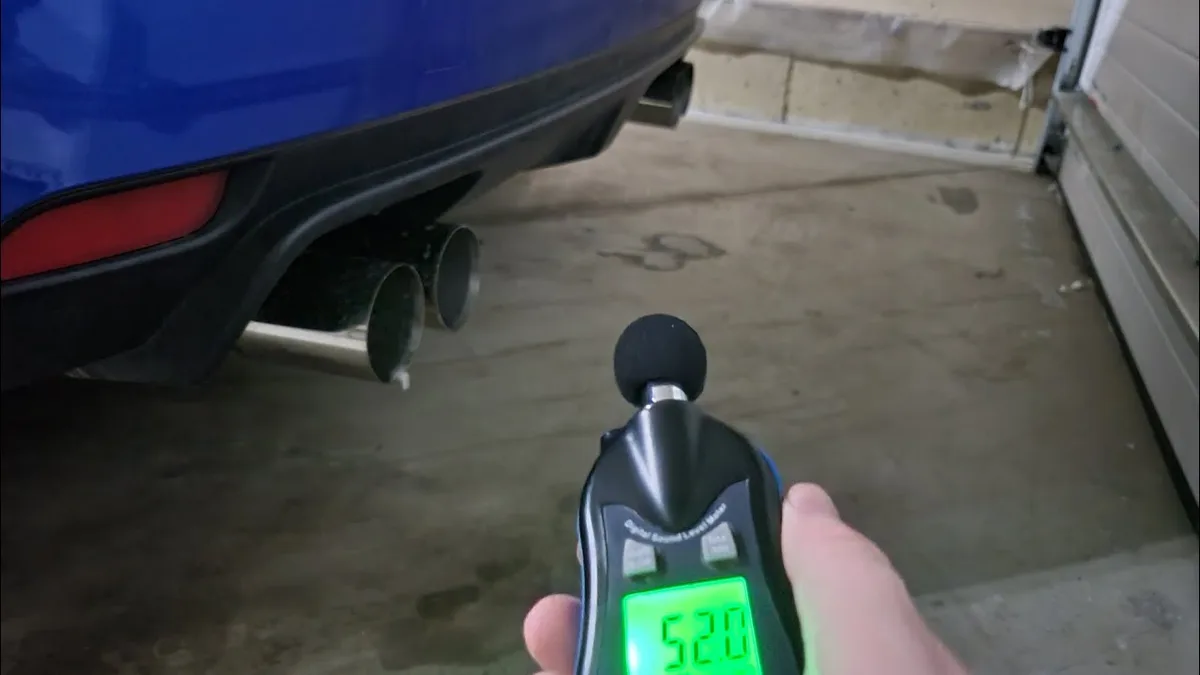
If your exhaust exceeds these levels, you risk a citation. Police use sound meters to verify compliance during traffic stops.
How New Mexico Measures Exhaust Noise (And Why It Matters)
New Mexico follows the SAE J1169 test procedure for exhaust noise measurements. This means the test is conducted at a 50-foot distance with the vehicle at a specific RPM, usually around 3,500 for gasoline engines.
The test ensures consistency, so results aren’t skewed by environmental factors. If your vehicle fails, you’ll need to modify the exhaust system to meet the standard.
YouTube / RetroCarGuy530 (YouTube thumbnail (fair-use with source credit))
Local law enforcement may also use handheld decibel meters for roadside checks. These aren’t as precise as SAE J1169 but can still lead to a ticket if your exhaust is clearly too loud.
What’s Required by Law: Mufflers, Modifications, and More
New Mexico law requires every vehicle to have a muffler in good working condition. Removing it entirely (a "muffler delete") is illegal and can result in a fine.
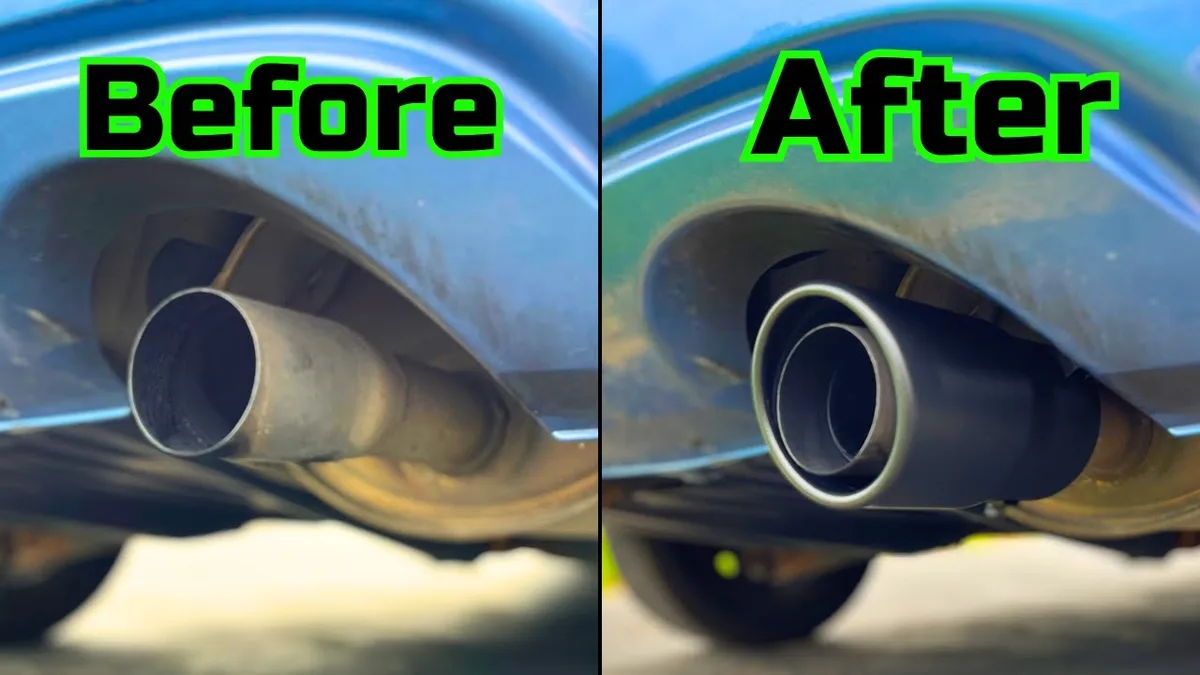
Aftermarket exhausts are allowed, but they must not increase noise beyond the 92 dB limit. Systems with resonators or high-flow mufflers can stay compliant if designed properly.
The law also prohibits excessive smoke or fumes from the exhaust. If your modifications cause either, you could face additional penalties under emissions regulations.
Where Local Rules Differ (Albuquerque, Santa Fe, Rural Areas)
State law sets the baseline, but counties and cities can impose stricter rules. Albuquerque enforces noise ordinances more aggressively than rural areas.
Santa Fe may have additional restrictions in residential zones. Always check local municipal codes if you’re modifying your exhaust.
Rural areas tend to have less strict enforcement, but that doesn’t mean the rules don’t apply. A state trooper can still pull you over for excessive noise anywhere in New Mexico.
Aftermarket Exhausts: What’s Legal and What’s Not
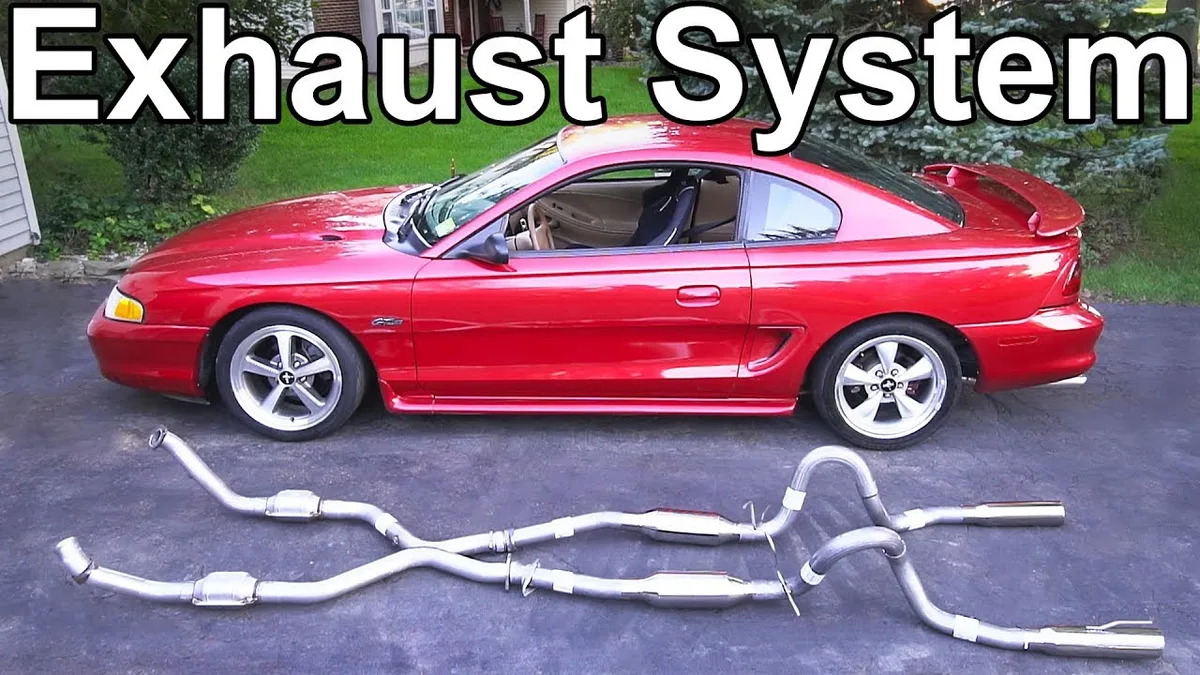
Aftermarket exhausts are popular among car enthusiasts, but legality depends on compliance with state noise limits. Many performance exhausts are designed to meet the 92 dB threshold, but not all do.
Legal aftermarket options include:
- High-flow catalytic converters that maintain emissions and noise standards
- Performance mufflers with sound-dampening technology
- Complete systems tested against SAE J1169 requirements
YouTube / ChrisFix (YouTube thumbnail (fair-use with source credit))
Illegal modifications include:
- Straight pipes with no muffler or resonator
- Bypassing the catalytic converter
- Adding noise-boosting tricks like exhaust cuts or blow-off valves
If you're unsure whether your setup is legal, check the manufacturer specifications. Reputable brands like MagnaFlow, Walker, and Borla often certify their products for street use in all 50 states.
The Real Cost of a Noise Violation (Fines, Fixes, and Hassles)
A noise violation in New Mexico isn’t just an inconvenience. It can cost you time, money, and stress.
Typical fines range from $50 to $500, depending on the county and severity. Bernalillo County, where Albuquerque is located, tends to enforce these laws more consistently than rural areas.
Additional costs include:
- Repair or replacement of your exhaust system
- Re-inspection fees at an MVD office
- Potential insurance premium increases if you're cited
In some cases, you may need to appear in traffic court, which means taking time off work and dealing with legal paperwork.
How to Check if Your Exhaust Is Compliant
You don’t need expensive equipment to get a rough idea of whether your exhaust is legal. Here are practical steps to verify compliance.
Option 1: Use a decibel meter app
Download a reputable sound meter app on your smartphone. Have someone rev the engine while you hold the phone about 50 feet away. Keep in mind that phone mics aren't perfectly accurate, but they can give you a ballpark figure.
Option 2: Visit a testing facility
Some automotive shops offer decibel testing services. They'll measure your exhaust using professional-grade equipment and tell you if you're under the legal limit.
Option 3: Check your system's specifications
If you bought an aftermarket exhaust, look up the manufacturer's dB rating. Reputable companies publish this data. If it's listed as street-legal, you're likely compliant.
Common Mistakes That Get You Pulled Over
Even experienced modifiers make mistakes that lead to traffic stops. Avoid these common pitfalls.
YouTube / Lofi Z34 (YouTube thumbnail (fair-use with source credit))
Mistake 1: Assuming louder is legal
Many people install aggressive exhaust systems without checking the noise output. A pipe that sounds great at idle can easily exceed 92 dB at higher RPMs.
Mistake 2: Removing the catalytic converter
Deleting your catalytic converter not only violates emissions laws but also changes the exhaust sound. The resulting loudness often pushes your vehicle over the legal limit.
Mistake 3: Ignoring local ordinances
A system that passes state inspection might still violate a city noise ordinance. Always check both state and local regulations before modifying your exhaust.
Mistake 4: Skipping the resonator
Some builders remove the resonator to reduce weight or cost. The resonator plays a key role in dampening sound, so its removal can make your exhaust noticeably louder.
What to Do If You Get a Noise Ticket in New Mexico
Getting pulled over for exhaust noise can feel stressful, but handling it correctly matters. Here's what to do.
YouTube / GTR Wendy (YouTube thumbnail (fair-use with source credit))
Step 1: Stay calm and cooperative
Police officers have discretion when issuing noise citations. Being respectful can influence how the situation plays out.
Step 2: Ask for clarification
If the officer mentions your exhaust is too loud, ask about the specific violation. Understanding the charge helps you prepare a defense or plan repairs.
Step 3: Fix the problem
Install a compliant muffler or exhaust system before your court date. Many courts will reduce or dismiss the charge if you can prove the issue is resolved.
Step 4: Gather documentation
Keep receipts for any exhaust work, manufacturer certifications, and decibel test results. These documents can support your case if you contest the ticket.
Step 5: Consult an attorney if needed
If the fine is steep or you're facing multiple violations, consider speaking with a traffic attorney. They can advise you on the best course of action based on your situation.
Expert Tips to Stay Legal Without Sacrificing Performance
You don’t have to choose between a great-sounding exhaust and compliance. Smart modifications can keep you street-legal while improving performance.
Tip 1: Choose a high-flow muffler
Brands like MagnaFlow and Borla offer mufflers that reduce backpressure while staying under 92 dB. These maintain power gains without violating noise laws.
Tip 2: Keep the resonator
Resonators help cancel out specific frequencies that make exhausts drone. Removing them often pushes noise levels over the limit.
Tip 3: Test before finalizing
If you’re building a custom system, have a shop test the decibel output before welding everything in place. This saves time and money if adjustments are needed.
Tip 4: Check for CARB compliance
California Air Resources Board (CARB) certified parts meet emissions standards in all 50 states. Look for the CARB EO number on exhaust components.
Frequently Asked Questions
Is straight piping illegal in New Mexico?
Yes, straight piping is illegal in New Mexico. State law requires every vehicle to have a functioning muffler that reduces noise to acceptable levels. Removing the muffler entirely violates NMSA 66-3-844.
Can police pull you over for a loud exhaust in New Mexico?
Yes, officers can stop you if they observe or hear excessive exhaust noise. Many departments use handheld decibel meters to verify violations during traffic stops.
What's the decibel limit for cars in New Mexico?
The legal limit is 92 dB measured at 50 feet using the SAE J1169 standard. Motorcycles typically face a lower limit of 82 to 88 dB depending on local ordinances.
How much is a noise violation ticket in New Mexico?
Fines vary by county but typically range from $50 to $500. Additional costs may include court fees, required exhaust repairs, and re-inspection charges.
Do I need to pass an emissions test if I modify my exhaust?
Modifying your exhaust may affect emissions compliance. If your changes remove or alter the catalytic converter, you could fail a smog check. Always verify that modifications don't violate emissions standards.
Can I get my ticket dismissed if I fix the exhaust?
Some courts allow dismissal or reduction if you repair the violation before your hearing. Bring receipts and documentation to prove you've installed a compliant exhaust system.