ByMax Lee
Stop Catalytic Converter Theft in New Mexico
Catalytic converter theft is surging in New Mexico, costing vehicle owners thousands in repairs and downtime. The New Mexico catalytic converter theft prevention and etching program offers a free or low-cost way to deter thieves by permanently marking your converter with your vehicle’s VIN.
In 2022, New Mexico recorded roughly 1,200 catalytic converter thefts. Hybrids like the Toyota Prius are hit hardest because their converters contain higher concentrations of platinum, palladium, and rhodium. Replacing a stolen converter can cost between $1,000 and $3,000.
YouTube / TheCarGuys.TV (YouTube thumbnail (fair-use with source credit))
Quick Answer
The New Mexico catalytic converter theft prevention and etching program marks your converter with your VIN. This deters thieves and helps police recover stolen parts. Many shops offer free or low-cost etching.
It doesn’t physically block theft but improves recovery odds. Some insurers may offer discounts for etched converters.
Why Catalytic Converter Theft Is a Big Problem in New Mexico
Thieves target catalytic converters for their precious metals: platinum, palladium, and rhodium. These metals can fetch $100, $300 per converter at scrap yards, making theft a lucrative crime. In New Mexico, the problem is especially bad in urban areas like Albuquerque and Las Cruces, where parked cars are easy targets.
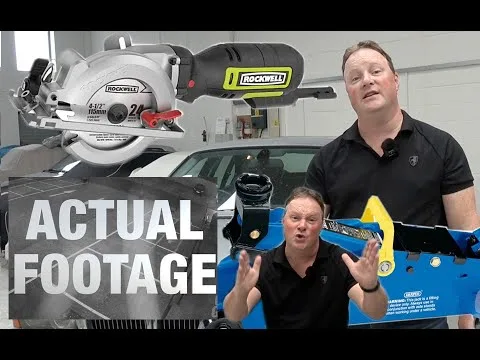
Hybrids are prime targets because their converters contain higher concentrations of these metals. Replacing a stolen converter can cost $1,000, $3,000, including parts and labor. The theft itself can happen in under two minutes with a battery-powered saw.
How New Mexico’s Catalytic Converter Etching Program Works
YouTube / MARK-N-GARD (YouTube thumbnail (fair-use with source credit))
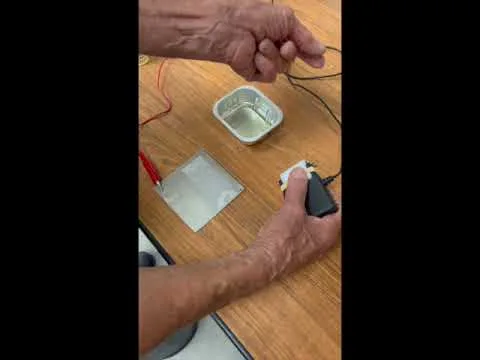
The state’s etching program involves permanently engraving your vehicle’s Vehicle Identification Number (VIN) onto the catalytic converter. This marking makes it harder for thieves to sell the part, as scrap dealers can trace it back to your vehicle. The process is quick, often taking 15, 30 minutes, and is typically done by professionals at participating auto shops or police events.
Here’s how it works in practice:
- A technician locates your catalytic converter under the vehicle.
- They clean the surface and use a stencil or laser to etch the full VIN.
- High-temperature paint may be applied to make the marking more visible.
- The etched VIN is registered with local law enforcement or the New Mexico Motor Vehicle Division (MVD).
The program is voluntary but highly encouraged. As of 2026, many shops in New Mexico offer this service for free or at a minimal cost.
Does Etching Actually Stop Theft? (What It Can and Can’t Do)
Etching your catalytic converter doesn’t physically prevent theft. However, it acts as a strong deterrent. Thieves prefer unmarked converters because they’re easier to sell to scrap yards.
An etched VIN makes the part traceable, reducing its black-market value.
What etching can do:
- Deter thieves from targeting your vehicle.
- Help police identify and return stolen converters.
- Potentially lower your insurance premiums (some providers offer discounts for anti-theft measures).
What etching can’t do:
- Physically block access to the converter.
- Stop a determined thief with the right tools.
- Guarantee recovery if the converter is stolen.
For maximum protection, pairing etching with a physical anti-theft device is recommended.
Other Ways to Protect Your Catalytic Converter in NM
YouTube / ADD AUTOMOTIVE (YouTube thumbnail (fair-use with source credit))
If you want more than just deterrence, physical barriers and alarms can add layers of security. Here are the most effective options:
Catalytic converter shields
- Steel cages or clamps bolted around the converter.
- Cost: $150, $400 installed.
- Best for: Vehicles parked in high-theft areas overnight.
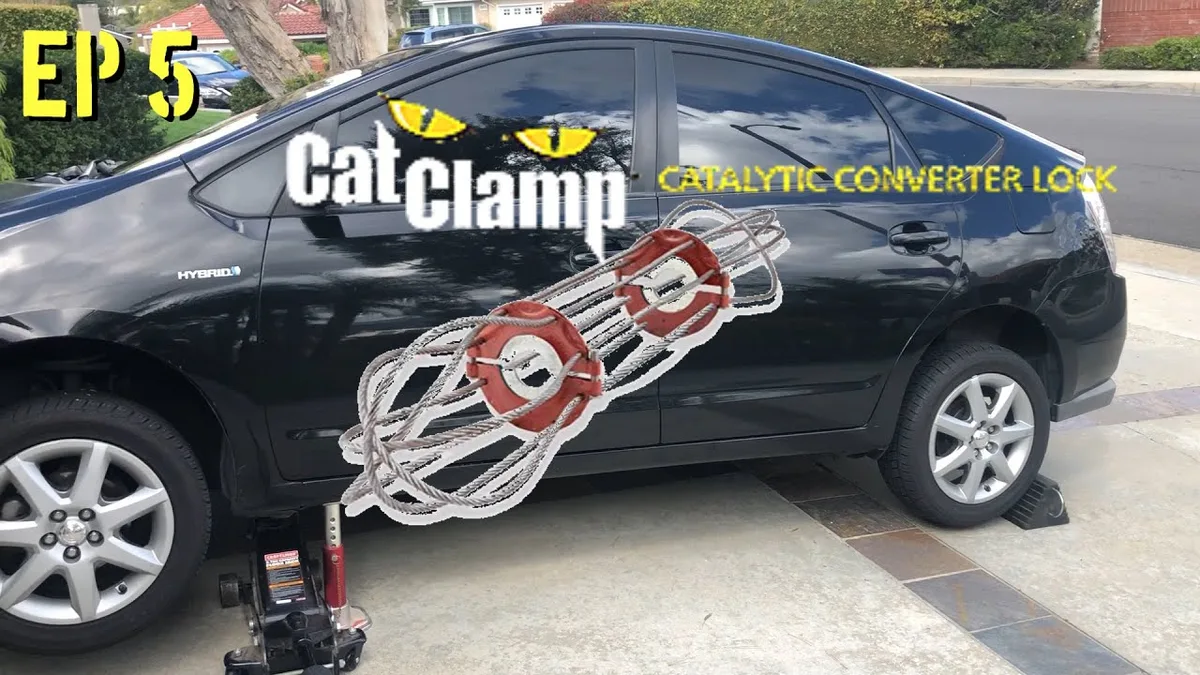
Catalytic converter locks
- Heavy-duty straps or cables that secure the converter to the frame.
- Cost: $50, $200.
- Best for: Easy installation and removal for maintenance.
Vibration-sensor alarms
- Triggers a loud alarm if someone tamps with the converter.
- Cost: $100, $300.
- Best for: Overnight protection in driveways or private parking.
Parking strategies
- Park in well-lit areas or garages when possible.
- Avoid leaving your car in the same spot for long periods.
- Use motion-activated lights or cameras near parking areas.
Each method has trade-offs. Shields offer the best physical protection but can be expensive. Locks are cheaper but may interfere with repairs.
Alarms are great for immediate alerts but won’t stop a thief with a saw.
Step-by-Step: How to Get Your Converter Etched in New Mexico
YouTube / MARK-N-GARD (YouTube thumbnail (fair-use with source credit))
Start by locating a participating shop or event. Many New Mexico police departments and auto repair shops offer free or low-cost etching. The Albuquerque Police Department, for example, hosts community events where technicians perform the service on the spot.
The process itself is straightforward. A technician will lift your vehicle, clean the converter’s surface, and engrave your VIN using a stencil or laser. Some shops also apply high-temperature paint to make the marking more visible.
The entire process typically takes 15 to 30 minutes.
After etching, register your VIN with local law enforcement or the New Mexico Motor Vehicle Division. This step ensures the marking is on record, which helps with recovery if your converter is ever stolen.
Costs, Time, and Where to Go for Etching
Most etching services in New Mexico are free or cost $20 to $50. Some shops may charge more if additional services, like installing a shield, are included. The time required is minimal, usually under an hour, including vehicle prep and paperwork.
Here’s where to look for etching services:
- Police department events: Check with APD or your local sheriff’s office for scheduled etching days.
- Participating auto shops: Many repair shops in Albuquerque, Las Cruces, and Santa Fe offer the service.
- Dealerships: Some Toyota, Honda, and Ford dealerships provide etching for customers.
Call ahead to confirm availability and pricing. Some locations may require an appointment, while others offer walk-in service.
Physical Anti-Theft Devices: Shields, Locks, and Alarms Compared
YouTube / David Bello (YouTube thumbnail (fair-use with source credit))
If you want more than just etching, physical devices add a layer of protection. Here’s how they stack up:
| Device | Cost | Installation | Effectiveness | Maintenance |
|---|---|---|---|---|
| Steel shield | $150–$400 | Professional | High | May rust |
| Cable lock | $50–$200 | DIY | Medium | Easy to remove |
| Vibration alarm | $100–$300 | DIY | Medium | Battery checks |
Shields are the most robust but require professional installation. They create a physical barrier that thieves can’t easily cut through. Locks are cheaper and easier to install but may not stop a determined thief with the right tools. Alarms provide an auditory deterrent but won’t physically prevent theft.
Choose based on your budget and parking habits. If you park on the street overnight, a shield is the best investment. For occasional protection, a lock or alarm may suffice.
What to Do If Your Catalytic Converter Gets Stolen in NM
First, file a police report immediately. Provide your vehicle’s VIN and any etching details to help with the investigation. If your converter was etched, mention this in the report, as it increases the chances of recovery.
Next, contact your insurance company. Comprehensive coverage typically covers catalytic converter theft, but you’ll need to confirm your policy details. Keep all receipts and documentation for the claim process.
Finally, check local scrap yards. Thieves often sell stolen converters quickly, and some yards may cooperate with police to identify marked parts. If your converter was etched, the VIN makes it easier to track.
New Mexico Laws and Scrap Metal Rules You Should Know
YouTube / CatalyticConverters (YouTube thumbnail (fair-use with source credit))
New Mexico passed House Bill 224 in 2021 to combat catalytic converter theft. The law requires scrap metal dealers to record seller information for all catalytic converter transactions. This includes a copy of the seller’s ID and vehicle license plate number.
The law also prohibits the purchase of catalytic converters from anyone other than a verified business or vehicle owner. Scrap yards must keep records for at least two years and report suspicious transactions to law enforcement.
For vehicle owners, this means etched converters are more likely to be flagged if sold illegally. Always ensure your etching is registered with local authorities to maximize protection under these laws.
Common Mistakes That Make Your Converter an Easy Target
Parking in the same spot night after night makes your vehicle a predictable target. Thieves scout neighborhoods for easy marks, and routine parking patterns increase your risk.
Leaving your car in poorly lit areas or without surveillance cameras gives thieves the cover they need. Even a well-lit driveway with motion lights can deter most attempts.
Ignoring maintenance can also make your converter more vulnerable. A rusted or loosely mounted converter is easier to remove quickly. Regular inspections can help spot potential weaknesses.
Insurance and Theft: Will Your Policy Cover a Stolen Converter?
Comprehensive auto insurance typically covers catalytic converter theft. However, you’ll need to confirm your policy details, as some plans may have exclusions or high deductibles.
If your converter was etched, provide proof to your insurer. Some companies offer discounts for anti-theft measures, which can lower your premiums. Always document the etching process and keep receipts.
Without comprehensive coverage, you’ll likely have to pay for the replacement out of pocket. Replacement costs can range from $1,000 to $3,000, depending on your vehicle and labor rates.
FAQs About NM’s Catalytic Converter Theft Prevention
How long does catalytic converter etching take?
The etching process usually takes 15 to 30 minutes. This includes lifting the vehicle, cleaning the converter, and applying the VIN marking. Some shops may take longer if they’re busy or if additional services are requested.
Is etching my catalytic converter free in New Mexico?
Many police departments and auto shops offer free etching as part of the state’s prevention program. Some locations may charge a small fee, typically $20 to $50, for the service.
Will etching prevent my catalytic converter from being stolen?
Etching doesn’t physically stop theft, but it deters thieves by making the part traceable. Pairing etching with a shield or alarm provides the best protection.
What vehicles are most targeted for catalytic converter theft?
Hybrids like the Toyota Prius are prime targets due to their high precious metal content. Trucks and SUVs, such as the Ford F-Series and Honda CR-V, are also frequently targeted.
Can I etch my catalytic converter myself?
DIY etching kits are available, but professional application ensures durability and proper VIN placement. Improper etching may not be recognized by law enforcement or scrap yards.
Does insurance cover catalytic converter theft in New Mexico?
Most comprehensive auto insurance policies cover theft. Check your policy for details, and provide documentation of any anti-theft measures, like etching, to support your claim.
Final Advice: The Best Protection Plan for NM Drivers
The most effective strategy combines multiple layers of defense. Start with etching your catalytic converter through a participating New Mexico program. This is often free and makes your part traceable.
Next, add a physical barrier like a steel shield or lock if you park in high-theft areas. These devices slow down thieves and make your vehicle a harder target.
Finally, adjust your parking habits when possible. Use well-lit areas, garages, or security cameras to reduce risk. Taking these steps can significantly lower your chances of becoming a victim of catalytic converter theft.