
Are you out of car wash soap and wondering what to use instead? Finding the right substitute can save your car’s finish while keeping it clean and shiny.
Using the wrong product might harm your paint or leave streaks you don’t want. You’ll discover simple, safe alternatives that work just as well. Keep reading to learn how to protect your car and get it sparkling without the usual soap.

Credit: thevehiclelab.com
Why Choose Alternatives To Car Wash Soap
Choosing alternatives to car wash soap can be smart for many reasons. Some options work just as well and bring added benefits. Knowing why people pick other cleaning solutions helps you make better choices.
Environmental Concerns
Many car wash soaps contain chemicals harmful to water and soil. These substances can damage plants and animals. Using natural or homemade cleaners reduces pollution. It helps protect the environment around you.
Cost Efficiency
Car wash soap can be expensive over time. Alternatives like dish soap or baking soda cost less. They clean well without breaking your budget. Saving money on cleaning products is always good.
Availability And Convenience
Sometimes car wash soap is hard to find. Homemade solutions use items from your kitchen or store. This makes cleaning quick and easy anytime. No need to wait or search for special products.
Credit: www.shinearmor.com
Household Items That Work
Many people do not have car wash soap at home. Household items can work well as substitutes. These items clean your car without harsh chemicals. They are easy to find and cost less. Using them saves time and money.
Dish Soap
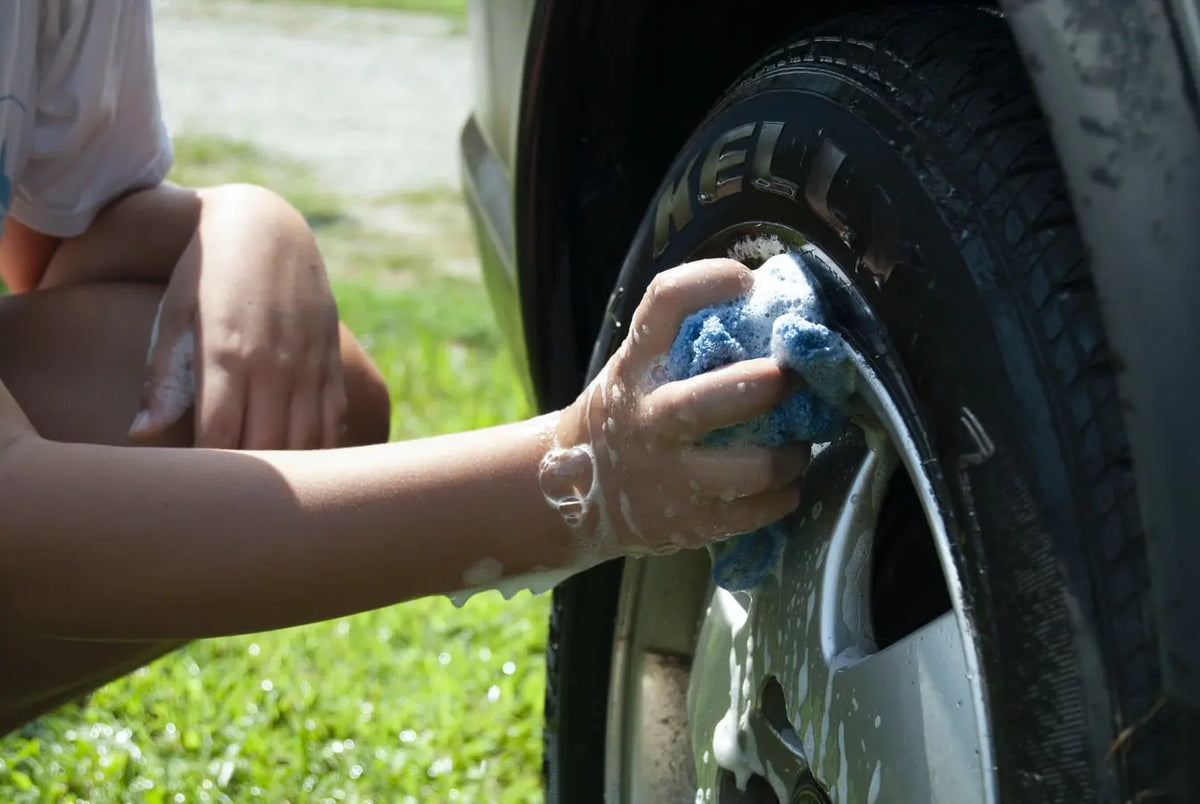
Dish soap is a common household item. It can clean dirt and grime from your car. Mix a small amount with water. Use a soft cloth or sponge to wash your car. Rinse well to avoid soap marks. Avoid using too much dish soap to protect your car’s paint.
Baking Soda
Baking soda is gentle and effective for cleaning. Make a paste with water and baking soda. Apply it to dirty spots on your car. Use a soft brush or cloth to scrub gently. Rinse thoroughly with water. Baking soda helps remove tough stains and dirt.
Vinegar Solutions
Vinegar is a natural cleaner that fights dirt and water spots. Mix equal parts of vinegar and water. Spray the solution on your car’s surface. Wipe with a clean cloth or sponge. Rinse your car well to avoid vinegar smell. Vinegar works best on glass and chrome parts.
Natural And Eco-friendly Options
Choosing natural and eco-friendly options for washing your car protects the environment. These options avoid harsh chemicals that can harm plants, animals, and water sources. They also keep your car clean without leaving harmful residues.
Natural ingredients are gentle on your car’s paint and safe to use around your home. They break down easily and reduce pollution. Here are some simple, effective natural substitutes for car wash soap.
Castile Soap
Castile soap is a plant-based soap made from olive oil or other vegetable oils. It cleans dirt and grime without stripping wax or paint. You only need a small amount mixed with water. It is biodegradable and safe for the environment.
Lemon Juice
Lemon juice acts as a natural cleaner and degreaser. Its mild acid helps remove tough stains and water spots on your car. Mix lemon juice with water for a refreshing, eco-friendly wash. Avoid using too much to protect the car’s surface.
Essential Oils Mix
Essential oils like tea tree, lavender, or eucalyptus add cleaning power and a fresh scent. Combine a few drops with water and castile soap for a natural car wash solution. These oils have antibacterial properties that help clean without chemicals.
Specialty Cleaning Products
Specialty cleaning products offer unique options for washing your car safely. These products target specific types of dirt and surfaces. They can work well as alternatives to regular car wash soap. Using the right specialty cleaner helps protect your car’s finish and keeps it looking fresh.
Carpet Or Upholstery Cleaners
Carpet or upholstery cleaners remove stains from fabric surfaces inside your car. These cleaners break down dirt and grime without harsh chemicals. They keep your seats and mats clean without damaging materials. Use them with a soft brush or cloth for best results.
All-purpose Cleaners
All-purpose cleaners handle many different cleaning tasks. They dissolve grease, dirt, and dust from car surfaces. These cleaners are gentle but effective on metal, plastic, and rubber parts. Dilute them with water to avoid leaving residue or streaks.
Foaming Sprays
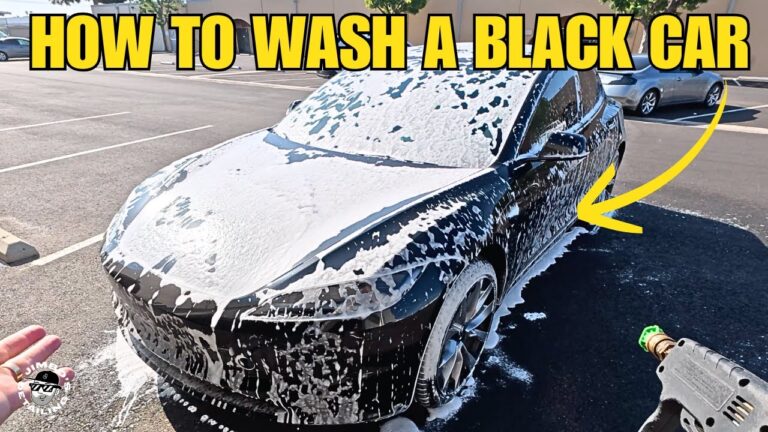
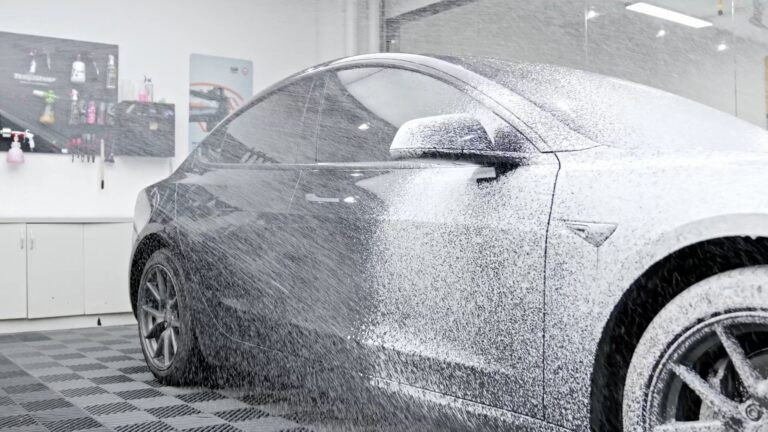
Foaming sprays create thick bubbles that lift dirt from surfaces. The foam clings to areas, loosening grime before rinsing. These sprays reduce the need for scrubbing, protecting your car’s paint. They work well on wheels, bumpers, and other tough spots.
How To Use Substitutes Safely
Using substitutes for car wash soap can save money and reduce chemical use. Safety matters to keep your car’s paint and finish intact. Follow simple steps to use these alternatives without harm. Proper care ensures your car looks clean and stays protected.
Dilution Tips
Always dilute substitutes before use. Mix one part substitute with at least ten parts water. This prevents harsh effects on the paint. Stir well to blend the solution evenly. Test the mixture on a small hidden area first. Adjust dilution if any damage appears.
Avoiding Paint Damage
Choose mild substitutes like dish soap or baby shampoo. Avoid harsh chemicals or bleach-based cleaners. Wash your car in the shade to prevent quick drying. Use soft cloths or sponges to avoid scratches. Do not scrub hard; gentle cleaning protects the paint.
Rinsing Techniques
Rinse the car thoroughly before applying the substitute. After washing, rinse off all soap residues carefully. Use a gentle stream of water to remove all dirt and soap. Leftover soap can cause spots or damage over time. Dry the car with a clean microfiber cloth to avoid water marks.
When To Avoid Substitutes
Using substitutes for car wash soap can be tempting. Sometimes, household items seem like quick fixes. Yet, these alternatives do not always work well. Certain situations need the right car wash soap for best results. Knowing when to avoid substitutes saves your car’s finish and paint.
Severe Dirt And Grime
Heavy dirt and grime need strong cleaning power. Substitutes often lack the right ingredients to break down tough stains. Using mild cleaners can leave dirt behind or scratch the surface. For caked-on mud or road grime, choose a proper car wash soap. It protects the paint and cleans deeply.
Delicate Finishes
Cars with delicate finishes need gentle care. Waxed, polished, or ceramic-coated surfaces can get damaged by harsh substitutes. Some household soaps strip away protective layers. This causes dullness and weak spots. Always use a product designed for delicate car surfaces. It keeps your paint shiny and safe.
Professional Wash Needs
Professional car washes require specific products for quality results. Substitutes may not meet industry standards. They can cause spotting or uneven cleaning. Professionals rely on soap formulas that protect and clean efficiently. Using the right soap ensures your car looks flawless and lasts longer.
Credit: www.shinearmor.com
Frequently Asked Questions
What Can I Use Instead Of Car Wash Soap?
You can use mild dish soap, baby shampoo, or diluted laundry detergent. These alternatives clean dirt without harming your car’s paint or finish.
Is Dish Soap Safe For Washing Cars?
Dish soap can clean effectively but may strip protective wax. Use it occasionally and rinse thoroughly to avoid paint damage.
Can Baking Soda Be A Car Wash Soap Substitute?
Yes, baking soda mixed with water can remove dirt gently. It’s safe for paint but should be rinsed off quickly to prevent residue.
How Does Baby Shampoo Compare To Car Wash Soap?
Baby shampoo is gentle and safe for car paint. It cleans without stripping wax, making it a good mild alternative for washing cars.
Conclusion
Choosing a good substitute for car wash soap can save time and money. Many household items clean cars gently and effectively. Baking soda, dish soap, or shampoo work well in a pinch. Always test a small area first to avoid damage.
Use soft cloths or sponges to protect your car’s paint. Regular washing keeps your car looking fresh and new. Simple solutions often do the job without harsh chemicals. Keep your car clean with easy, safe alternatives. Experiment carefully and find what suits your needs best.
Clean cars, happy drivers.